
Seoul Issues First 'Extreme Heat' Warning as Temperatures Hit 39°C: 5 Key Response Strategies
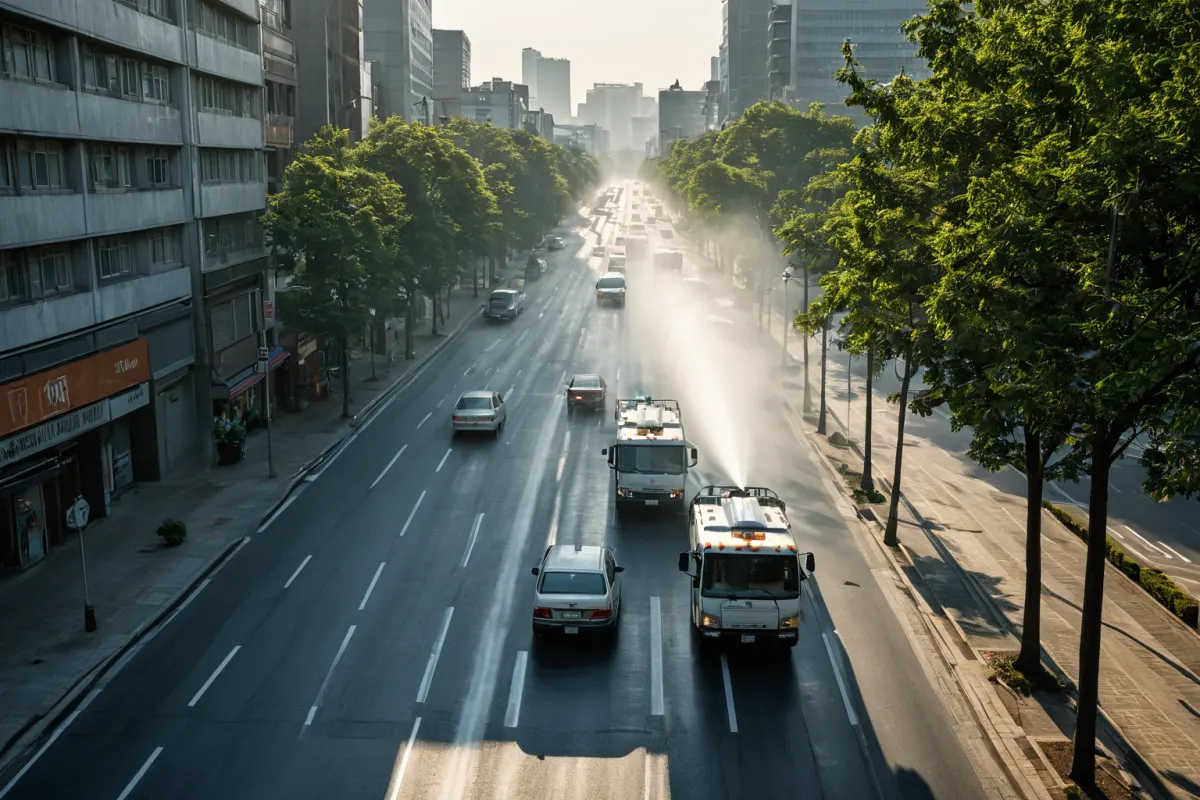
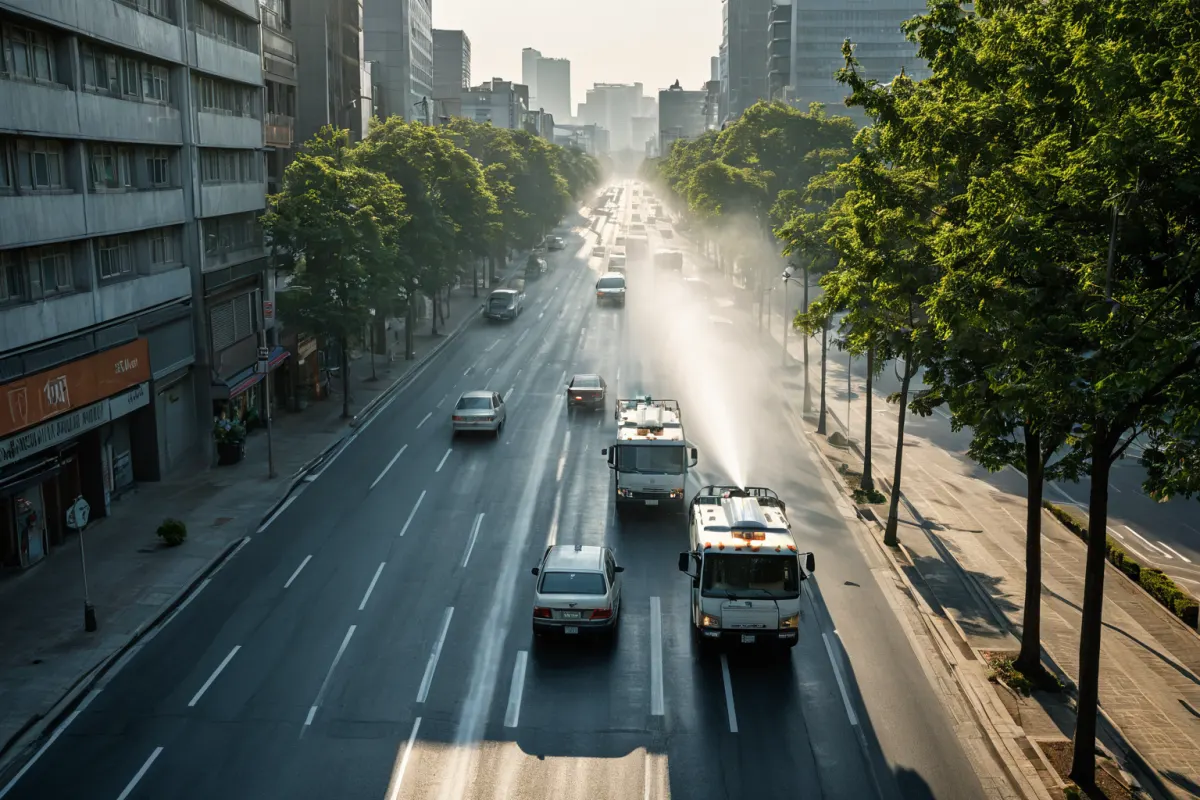
Seoul has issued an extreme heat warning as temperatures reached a high of 39°C. The city is focusing on cooling urban areas and supporting vulnerable populations, while the Korea Baseball Organization (KBO) decides to cancel games by 1 p.m. if the extreme heat warning is in effect.
Seoul's Extreme Heat Warning Situation
An extreme heat warning has been issued across Seoul for the first time this year. The Meteorological Administration expanded the warning to include Seoul and surrounding metropolitan areas starting August 4, indicating a severe level of heatwave. This has led to a comprehensive response including the suspension of outdoor work and cultural events.
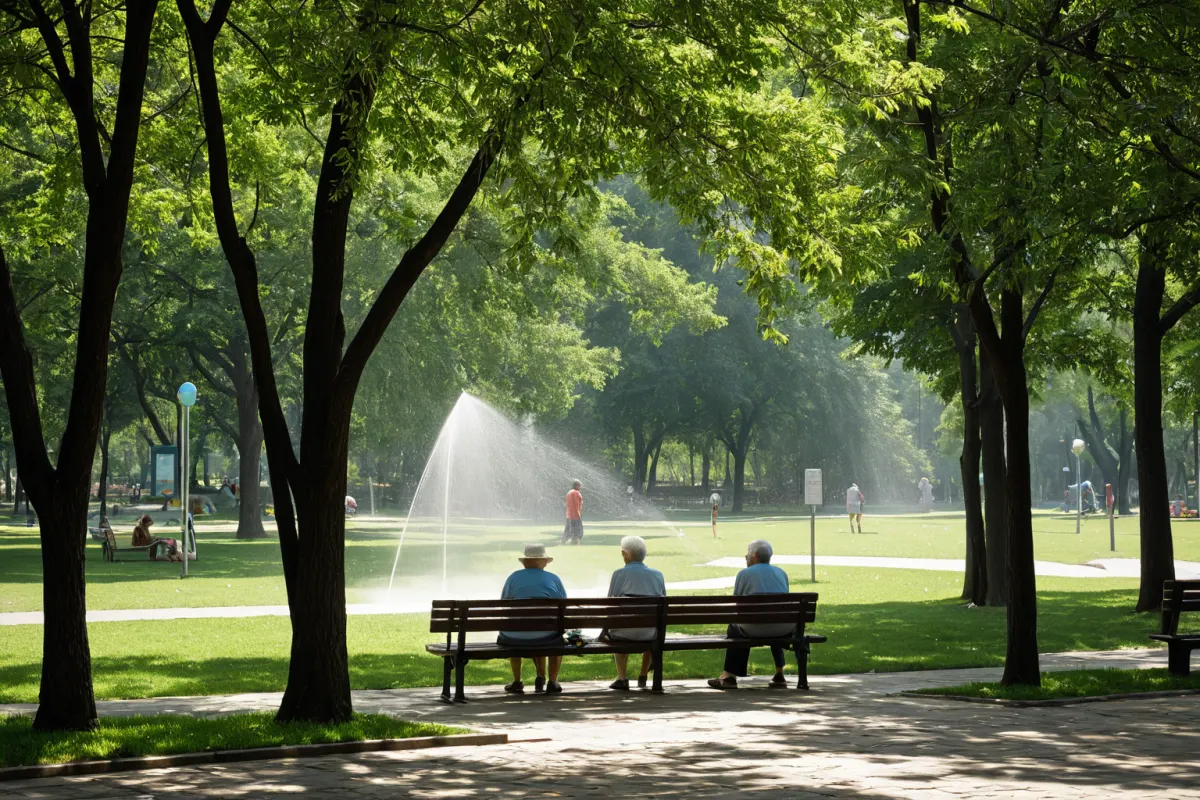
The city is using water trucks and operating misting systems in parks and sidewalks to reduce urban heat. Special attention is being given to vulnerable groups such as the elderly and children with enhanced health guidance and indoor shelters. The Meteorological Administration warned that the 'killer heat' with a perceived temperature of 36.8°C significantly increases the risk of heart and brain vascular diseases.
Heat Illness Cases Increase and KBO Response
Heat illness cases have risen by 23. Seoul's health centers have strengthened real-time health monitoring since the issuance of the heat warning, enabling early intervention for high-risk groups. The Meteorological Administration stated that the risk of heart and brain vascular diseases doubles when perceived temperatures exceed 36.8°C.
KBO (Korea Baseball Organization) has a rule to cancel games by 1 p.m. if an extreme heat warning is in effect. Games scheduled for August 4 at Jamsil and Gwangju were canceled due to the extreme heat warning, reflecting efforts to enhance safety management for sports events during heatwaves.
Heat Response Strategies and Government Actions
The government and Seoul City have elevated their response to a national disaster level. Comprehensive measures include suspending outdoor work, canceling cultural events, and deploying water trucks. To improve indoor air quality, health centers and hospitals are placing air purifiers and humidity control devices to prevent heat-related health issues.
The Meteorological Administration announced the establishment of a legal framework to combat fake news. Recent misuse of weather information has led to widespread misinformation and public confusion, prompting government action to regulate this issue.
Heat Causes and Weather Forecast
The extreme heat in Seoul resulted from persistent influence of the North Pacific high-pressure system. High-temperature, humid air began flowing into the Seoul area early August, causing a sharp rise in perceived temperatures. The Meteorological Administration forecasts this weather pattern will continue until mid-August.
With temperatures exceeding 39°C, public health management has become critical. It is recommended to rest indoors and stay hydrated when heat warnings are issued. On days with high perceived temperatures, minimize outdoor activities and set air conditioning above 26°C.
Heat Response and Safety Information
Seoul City is expanding indoor shelters during extreme heat warnings. These are available for free at major parks, libraries, and community centers, with enhanced services for high-risk groups such as the elderly and children.
To manage health during heatwaves, rest indoors and stay hydrated when warnings are issued. Minimize outdoor activities on days with high perceived temperatures, and set air conditioning above 26°C. Outdoor work is strictly prohibited during extreme heat warnings, while cultural events and sports activities are canceled or postponed.
The Meteorological Administration warns that the risk of heart and brain vascular diseases increases significantly when perceived temperatures exceed 36.8°C. Special attention is needed for the elderly and those with chronic conditions, with enhanced health monitoring to enable early intervention during heat warnings.
Key Information to Verify
The extreme heat warning in Seoul was issued starting August 4. The Meteorological Administration stated that the 'killer heat' with a perceived temperature of 36.8°C significantly increases the risk of heart and brain vascular diseases, making it more severe than regular heat warnings.
KBO's game cancellation policy is to decide by 1 p.m. if an extreme heat warning is in effect. Games scheduled for August 4 at Jamsil and Gwangju were canceled due to the warning, reflecting safety measures for players and spectators.
Seoul City has deployed water trucks and operates misting systems in parks and sidewalks to reduce urban heat. Enhanced health guidance and indoor shelters are provided for vulnerable groups such as the elderly and children.
Frequently Asked Questions
When an extreme heat warning is issued, outdoor work is completely suspended. This includes construction sites and agricultural areas where safety risks increase significantly during heatwaves, prompting government bans on outdoor work.
KBO baseball games are canceled by 1 p.m. if an extreme heat warning is in effect. Games are canceled to ensure the safety of players and spectators, as per regulations established for heatwave response.
The risk of heart and brain vascular diseases increases significantly when perceived temperatures exceed 36.8°C. Special attention is needed for the elderly and those with chronic conditions, with enhanced health monitoring during heat warnings to enable early intervention.
The extreme heat warning in Seoul was issued starting August 4. This indicates a severe level of heatwave across the city, prompting comprehensive measures including the suspension of outdoor work and cultural events.
Frequently Asked Questions
The issuance of an extreme heat warning in Seoul signifies a severe level of heatwave. The government and Seoul City have implemented comprehensive response strategies including suspending outdoor work, canceling cultural events, and deploying water trucks. With perceived temperatures above 36.8°C ('killer heat'), the risk of heart and brain vascular diseases has significantly increased, making health management for high-risk groups more critical.
It is recommended to rest indoors and stay hydrated when heat warnings are issued. Minimize outdoor activities on days with high perceived temperatures, and set air conditioning above 26°C. Outdoor work is strictly prohibited during extreme heat warnings, while cultural events and sports activities are canceled or postponed.
The Meteorological Administration announced the establishment of a legal framework to combat fake news. Recent misuse of weather information has led to widespread misinformation and public confusion, prompting government action to regulate this issue as part of efforts to minimize social disruption during heatwaves.
You can view more articles on similar topics in one place.
View Related ArticlesFAQ
What happens when an extreme heat warning is issued in Seoul?
Outdoor work is completely suspended, cultural events and sports activities are canceled or postponed, and indoor shelters for vulnerable groups like the elderly and children are expanded.
When does KBO cancel baseball games due to extreme heat?
KBO cancels games by 1 p.m. if an extreme heat warning is in effect, as seen with the August 4 games at Jamsil and Gwangju.
What health risks are associated with perceived temperatures above 36.8°C?
The risk of heart and brain vascular diseases doubles when perceived temperatures exceed 36.8°C, especially for the elderly and those with chronic conditions.
Korean Source
This article is an English localization of a Korean-language report from BlogScore. Original: 서울 39도 폭염 주의보 발령, 대응 전략 5가지