
Seoul Housing Prices Surge: Regional Comparisons and Trends
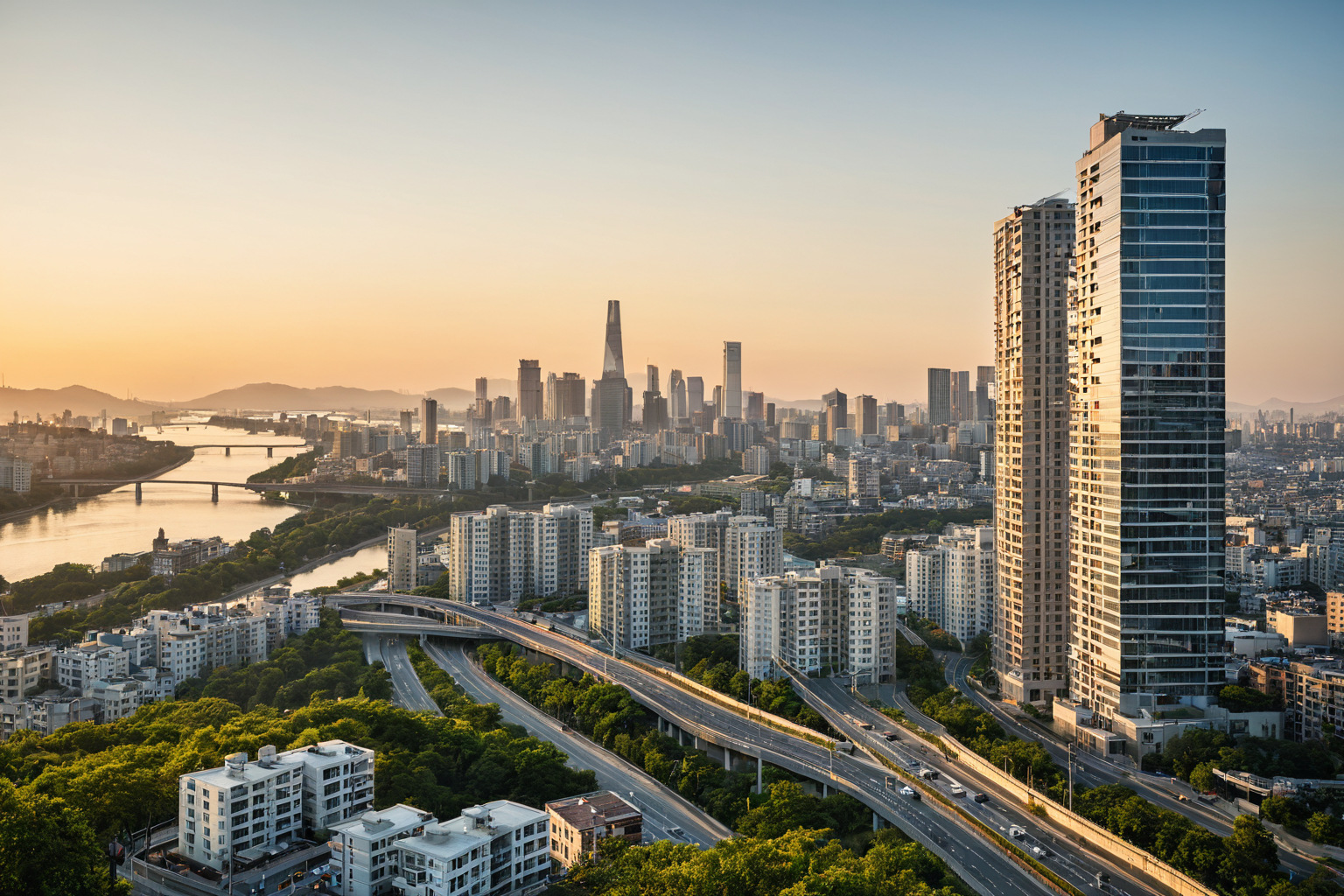
Seoul Housing Price Surge: Regional Comparisons
Seoul's housing market risk index has hit a record high, accelerating price increases. While Gangnam District has shown a downward trend for 7 consecutive weeks—the first in over 11 months—outer areas like Gwangmyeong and Suji, as well as Bundang apartments (up 29.5%), are seeing rapid growth. In June, Seoul apartment transaction prices rose by 2.50%, marking the highest annual increase in five years, with a trend toward 'rent-to-lease conversion' emerging in the rental market.
Regional Disparities in Seoul's Housing Price Surge
Seoul's housing market risk index has reached its peak, with apartment prices in outer districts like Gwangmyeong and Suji surpassing the city average. Neighborhoods such as Seongbuk, Dongdaemun, and Gangseo have also exceeded the city median price. This reflects a shift in demand from Gangnam's 'invincible' market to peripheral areas.
Bundang apartments saw a 29.5% price increase—the highest nationally—while overall Seoul apartment prices rose by 6.84%. Gangnam has been declining for seven weeks (the first drop in over 11 months), while outer districts continue to surge.
The fact that Gwangmyeong and Suji apartment prices have surpassed the city average is attributed to large-scale urban development projects and infrastructure expansion over the past two years. Gwangmyeong, for example, has seen increased population influx due to subway extensions and new city developments, driving housing demand. As a result, average price per square meter now exceeds the Seoul average.
Apartment prices in Seongbuk, Dongdaemun, and Gangseo districts surpassing the median price is linked to improved living environments and better transportation access. Seongbuk has seen increased youth migration due to university expansions and commercial areas, while Dongdaemun benefits from a blend of historical cultural sites and modern retail spaces. Gangseo has also experienced rising housing demand due to major development projects improving infrastructure.
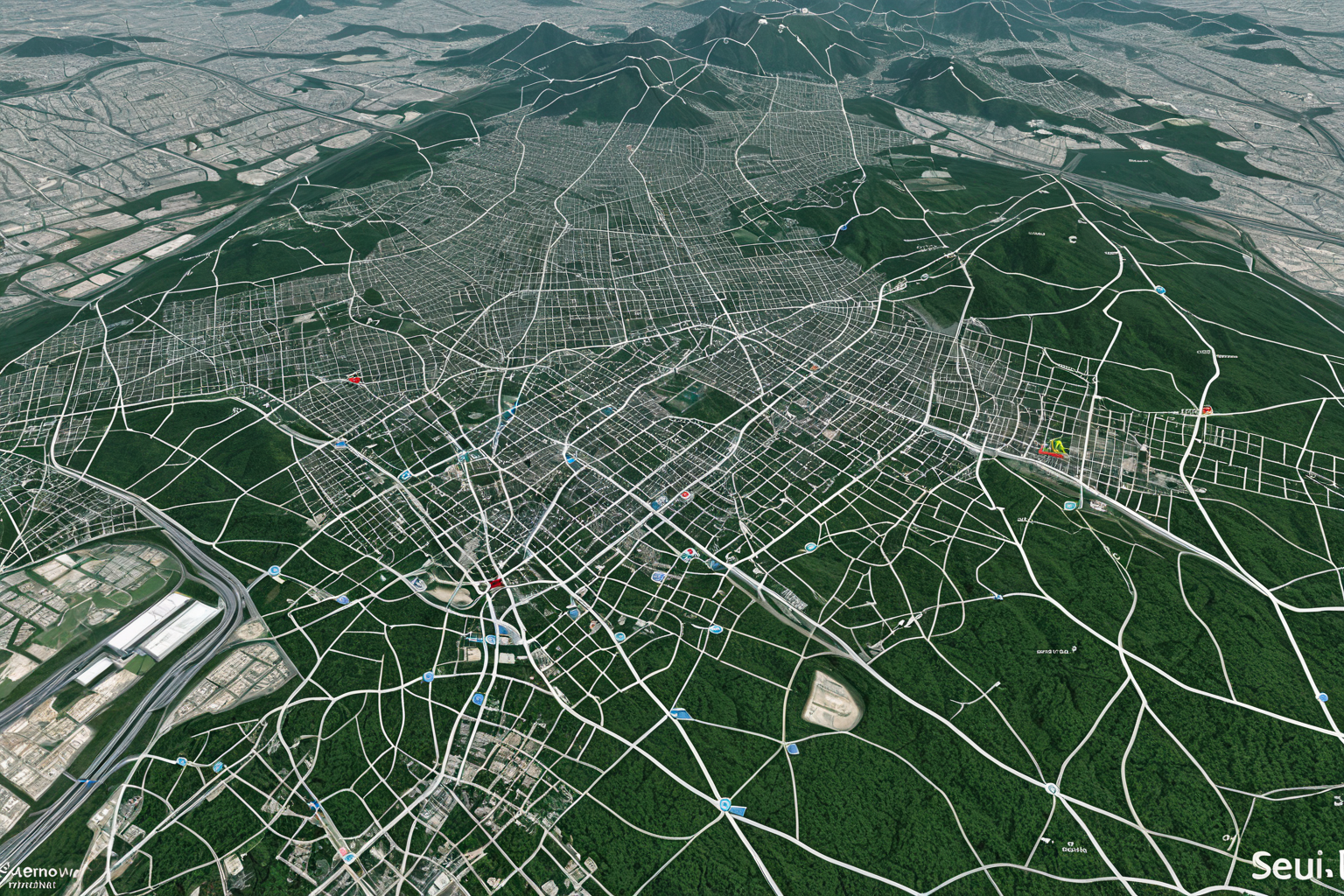
Seasonal Trends in Housing Price Increases
June's apartment transaction prices rose by 2.50%, the largest annual increase in five years, driven by fear-based buying due to supply concerns. Gangnam began declining on March 6, 2026, and has continued for seven weeks as of April 17.
The widening regional gap is evident as areas like Jungnang saw a 0.51% increase while Gangnam dropped by 0.36% as of September 17, 2026. This reflects the weakening 'Gangnam invincibility' myth and shifting demand patterns.
The surge in Seoul apartment prices is not solely due to increased demand but also supply shortages and policy uncertainty affecting investor sentiment. New apartment supplies have declined over the past three months, worsening housing shortages. Additionally, expectations of potential government regulatory easing have boosted transaction prices.
Jungnang's recent price rise (as of September 17, 2026) is attributed to improved living conditions and transportation network expansions, including subway line 5 extensions and new city developments driving population influx.
Analysis of the Housing Price Surge
The record high housing market risk index reflects a combination of supply shortages and excess demand. The fact that prices in outer districts like Gwangmyeong and Suji have surpassed the city average indicates growing demand for relocation to these areas. Neighborhoods such as Seongbuk, Dongdaemun, and Gangseo are also exceeding median prices, deepening regional disparities.
In the rental market, a 'rent-to-lease conversion' trend is emerging, where tenants increasingly switch from rent-to-lease agreements to monthly leases, worsening housing burdens for non-homeowners. As of September 2026, Seoul apartment transaction prices rose by 2.50%, marking the highest annual increase in five years.
One factor behind the price surge is government discussions about easing real estate regulations. While the government has been reviewing plans to expand housing supply, specific implementation details remain unclear, leading investors to anticipate future demand growth and drive transaction prices upward.
Additionally, development projects in outer districts have created new housing demand. Gwangmyeong and Suji areas have seen significant improvements in living environments due to large-scale urban developments and infrastructure expansion, increasing relocation demand to these areas.
Government and Political Response
Mayor Oh Se-hoon has criticized the government for rising housing prices, countering President Lee Jae-myung's responsibility claims. Mayor Oh argued that real estate increases are due to the president's term in office, emphasizing the need for Seoul to take proactive measures.
Real estate experts like Lee Gwang-su have warned of potential price surges due to inadequate government responses. This warning was reported by JoongAng Ilbo, V.daum.net, and Maeil Business Newspaper on September 2026.
The Seoul Metropolitan Government has recently announced plans to increase housing supply, focusing heavily on outer district development projects aimed at improving living conditions while addressing supply shortages.
The government is also reviewing housing policies, with discussions ongoing about expanding new apartment supplies and easing regulations. However, specific implementation plans remain unclear, leaving market uncertainty unresolved.
Changes in the Rental Market and Housing Stability
The 'rent-to-lease conversion' trend in the rental market is worsening housing burdens for non-homeowners. As of September 2026, there's a clear shift from rent-to-lease agreements to monthly leases, driven by distrust in government policies.
This trend could lead to reduced housing stability, as non-homeowners face increased long-term costs, particularly impacting low-income groups.
The Seoul Metropolitan Government is working to strengthen rental support policies, including expanding new rental supplies and exploring subsidy programs. However, concrete implementation plans remain underdeveloped at this stage.
Key Information to Monitor
To track the surge in Seoul housing prices, monitor Seoul's housing market risk index and regional apartment price changes. If outer districts like Gwangmyeong and Suji continue rising, Gangnam's 'invincible' reputation may face further challenges.
Bundang apartments rose 29.5%—the highest nationally—far exceeding the citywide average of 6.84%. If Gangnam's decline continues, it could reshape Seoul's housing market structure.
The Seoul Metropolitan Government is expanding infrastructure in outer districts through urban development projects, improving living conditions and driving housing demand. These changes are expected to have ongoing effects on Seoul's housing market structure.
Frequently Asked Questions
What are the main causes of Seoul's housing price surge?
The combined effect of supply shortages, excess demand, and increased relocation demand to outer districts is driving the price surge.
Why is Gangnam experiencing a decline?
Gangnam has seen its first downward trend in over 11 months. This is attributed to demand shifting to outer areas and increased supply.
What impact does the 'rent-to-lease conversion' have on housing markets?
The shift from rent-to-lease agreements to monthly leases increases housing burdens for non-homeowners, particularly affecting low-income groups.
You can find similar articles in one place.
View Related ArticlesFAQ
What are the main causes of Seoul's housing price surge?
The combined effect of supply shortages, excess demand, and increased relocation demand to outer districts is driving the price surge.
Why is Gangnam experiencing a decline?
Gangnam has seen its first downward trend in over 11 months. This is attributed to demand shifting to outer areas and increased supply.
What impact does the 'rent-to-lease conversion' have on housing markets?
The shift from rent-to-lease agreements to monthly leases increases housing burdens for non-homeowners, particularly affecting low-income groups.
Korean Source
This article is an English localization of a Korean-language report from BlogScore. Original: 서울 집값 폭등 현황과 지역별 비교