
Seoul Heatstroke Statistics by District and Prevention Guide
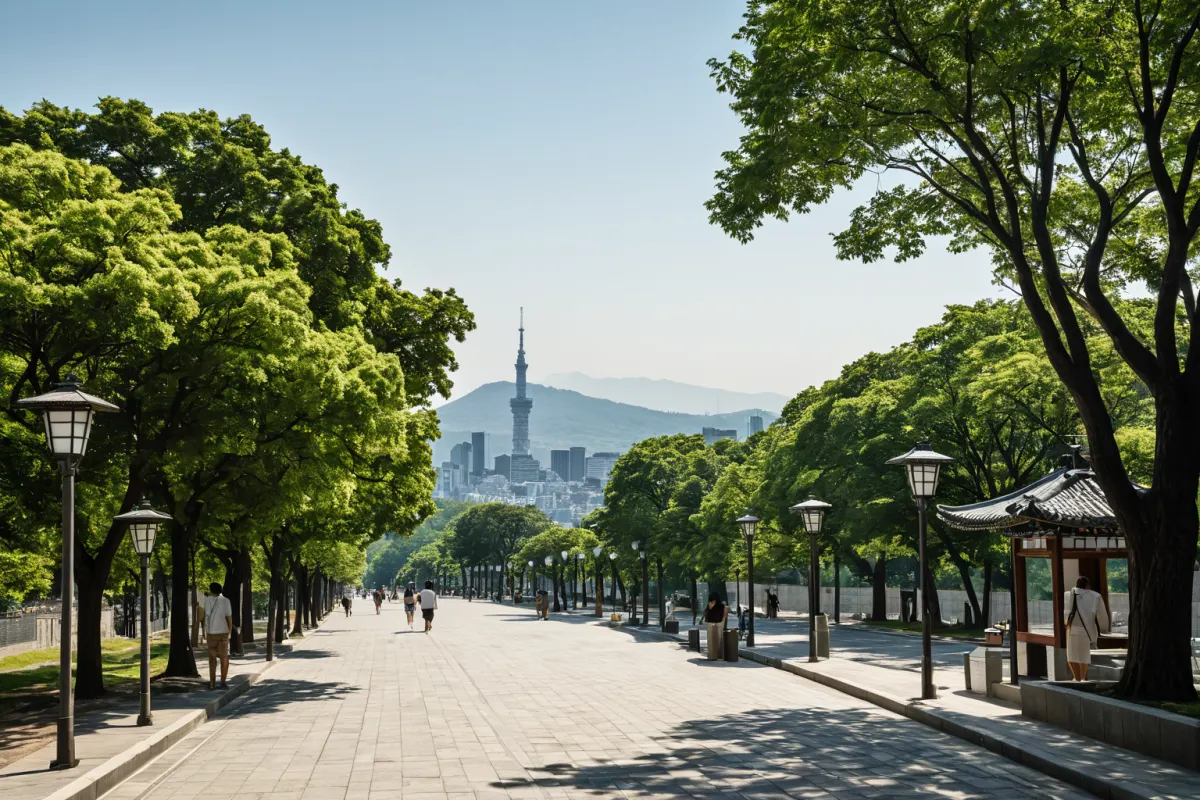
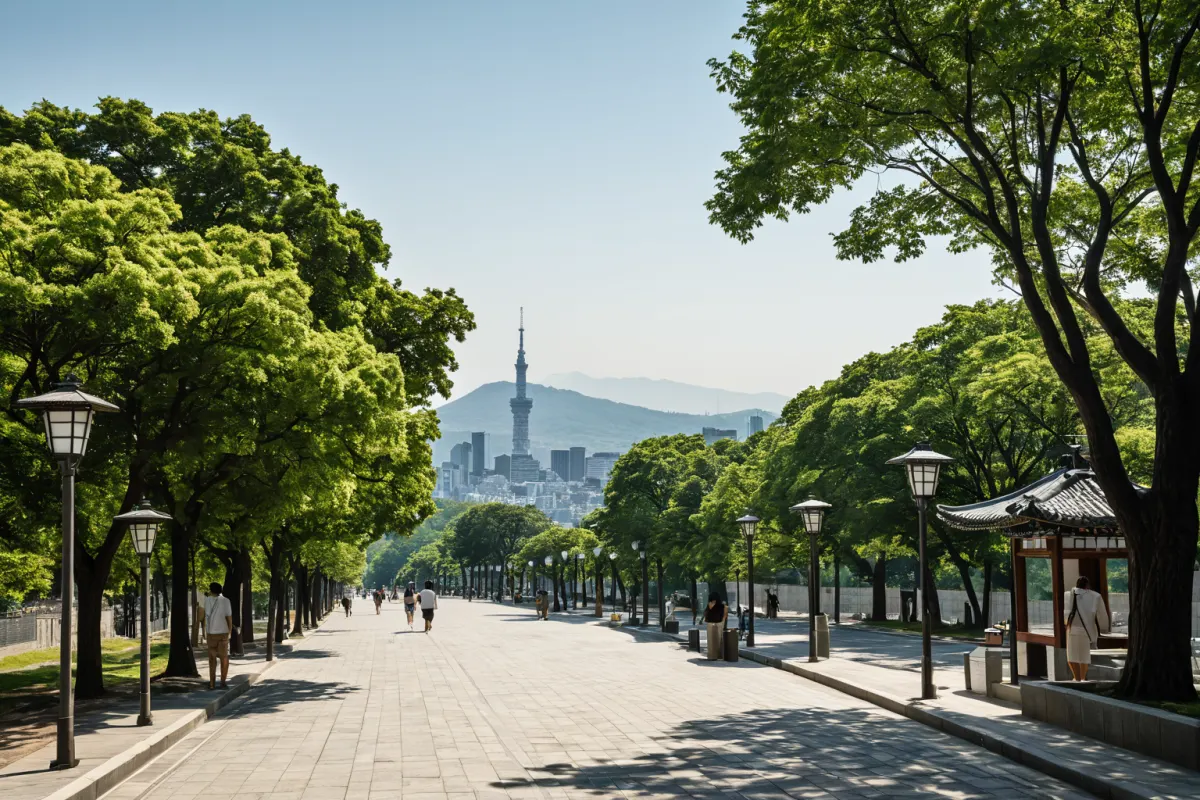
While specific district-level data on Seoul heatstroke cases remains limited, cases are concentrated in the morning hours and among elderly populations. On August 7, 2026, when Seoul's temperature reached 40°C, two heatstroke-related deaths were recorded—the highest of the year. During severe heatwave alerts, an average of 39 patients are reported daily, showing a clear upward trend in statistics.
Timing and Age Group Characteristics of Heatstroke Cases
Heatstroke cases in Seoul predominantly occur during morning hours and among elderly individuals. According to weather agency data, Seoul city health centers report a sharp increase in patients aged 65 and older between 10 AM and 12 PM. This is attributed to the common practice of going out early in the morning to avoid midday heat.
Comparing historical data, 64% of heatstroke cases across the Seoul metropolitan area in 2025 were reported in July—the peak month for extreme heat. In 2026, cases surged again in July and August, with an average of 39 daily reports during the severe heatwave alert period from August 5–7. On August 5 and 6, when two consecutive severe alerts were issued, 39 patients were reported each day.
Seoul city health center analysis shows that male cases outnumber female cases by a ratio of approximately 2:1. This is likely due to men's higher rates of outdoor activity or less awareness of heat risks. As of July 26, 2026, emergency room visits for heatstroke had risen to 1,300 patients with six fatalities—indicating cumulative effects as prolonged heatwaves increased case numbers.
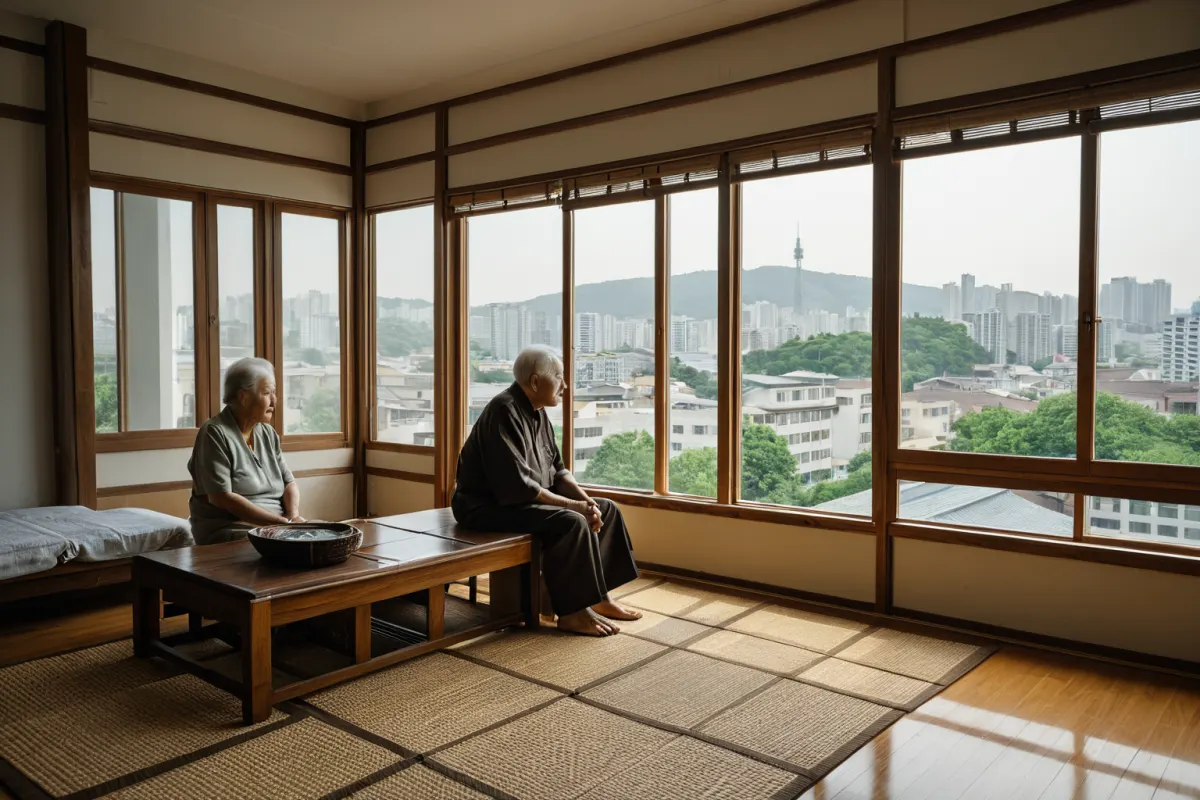
2026 Heatwave Incidents and Statistics
The earliest recorded heatstroke deaths in history occurred on May 17, 2026, when Seoul's midday temperature reached 31°C. Following this, severe alerts were issued from August 5–7, prompting the city to provide indoor cooling facilities at neighborhood welfare centers.
On August 5 and 6, two consecutive severe heatwave alerts led to an average of 39 daily cases, marking the highest number for the year. On August 7, when temperatures hit 40°C, two additional deaths were reported. A citywide heatwave alert was issued that day, with perceived temperatures reaching 38–39°C.
According to Seoul City Health Center statistics, heatstroke cases surged from July through mid-August 2026, particularly for the elderly and those venturing out in the morning. By August 10, 2026, daily cases had dropped sharply from 154 to 28—indicating successful response measures following the lifting of heatwave alerts.
Regional Data Gaps and Government Response
Specific district-level data (wards/districts) has not been publicly released. Seoul City Health Center notes that limited statistics make it difficult to accurately map regional distribution. In contrast, Gyeonggi Province shows concentrated cases in the afternoon and workplaces, while Seoul sees more morning activity among elderly populations.
Seoul is strengthening its response system during severe heatwave alerts. During the August 5–7, 2026 alert period, health centers provided indoor cooling facilities at neighborhood welfare centers. The city also introduced free transportation for the elderly and expanded cooling facilities in major parks and commercial areas.
Seoul City Health Center launched a prevention campaign starting July 2026, adding cooling facilities to parks and commercial spaces. However, due to lack of district-level data, targeted implementation has been challenging, with some areas reportedly receiving insufficient support.
Prevention Guide and Safety Information
To prevent heatstroke, extra caution is needed for elderly individuals and morning outings. When temperatures exceed 30°C, staying indoors is recommended; if going out, avoid direct sunlight. During severe alerts, Seoul City Health Center provides indoor cooling facilities, while offering free transportation for the elderly.
Since July 2026, Seoul has implemented a heatstroke prevention campaign adding cooling facilities to parks and commercial areas. Prevention education for the elderly has also been strengthened compared to 2025, indicating more systematic measures.
Seoul City Health Center offers guidance on using indoor cooling facilities during heatwaves and provides free transportation for the elderly to reduce exposure risks when going out.
Key Information and Future Outlook
Current statistics remain incomplete. Seoul City Health Center plans to release ward-level data starting in 2027, aiming to improve targeted prevention strategies. The city also announced strengthened response systems during heatwaves to reduce heatstroke incidence.
By August 10, 2026, daily cases had dropped from 154 to 28 following the lifting of alerts—indicating effective measures. However, continued extreme heat may require further strengthening of prevention efforts.
Seoul plans to release ward-level statistics starting in 2027 to help develop precise prevention strategies and enhance response systems during heatwaves to reduce heatstroke rates.
Frequently Asked Questions
When do most heatstroke cases occur in Seoul?
Heatstroke cases are concentrated in the morning hours, particularly between 10 AM and 12 PM, among elderly populations.
How did Seoul respond to the 2026 heatwave?
During severe alerts, Seoul City Health Center provided indoor cooling facilities at neighborhood centers and offered free transportation for the elderly.
Will district-level heatstroke statistics be published?
Seoul City Health Center plans to release ward-level data starting in 2027.
You can view more articles on similar topics here.
View related articlesFAQ
When do most heatstroke cases occur in Seoul?
Heatstroke cases are concentrated in the morning hours, particularly between 10 AM and 12 PM, among elderly populations.
How did Seoul respond to the 2026 heatwave?
During severe alerts, Seoul City Health Center provided indoor cooling facilities at neighborhood centers and offered free transportation for the elderly.
Will district-level heatstroke statistics be published?
Seoul City Health Center plans to release ward-level data starting in 2027.
Korean Source
This article is an English localization of a Korean-language report from BlogScore. Original: 서울 온열질환자 지역별 통계와 예방 가이드