
Seoul Heatstroke Statistics Analysis: Summer Response Strategies
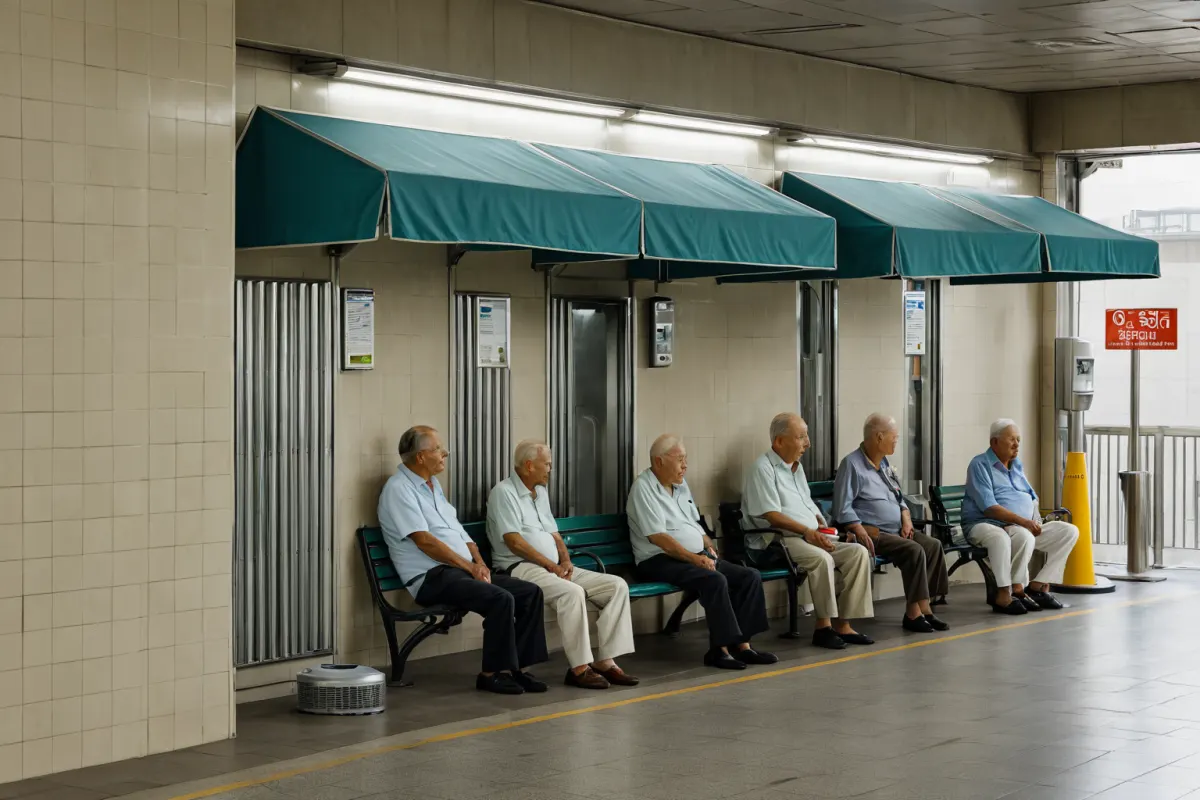
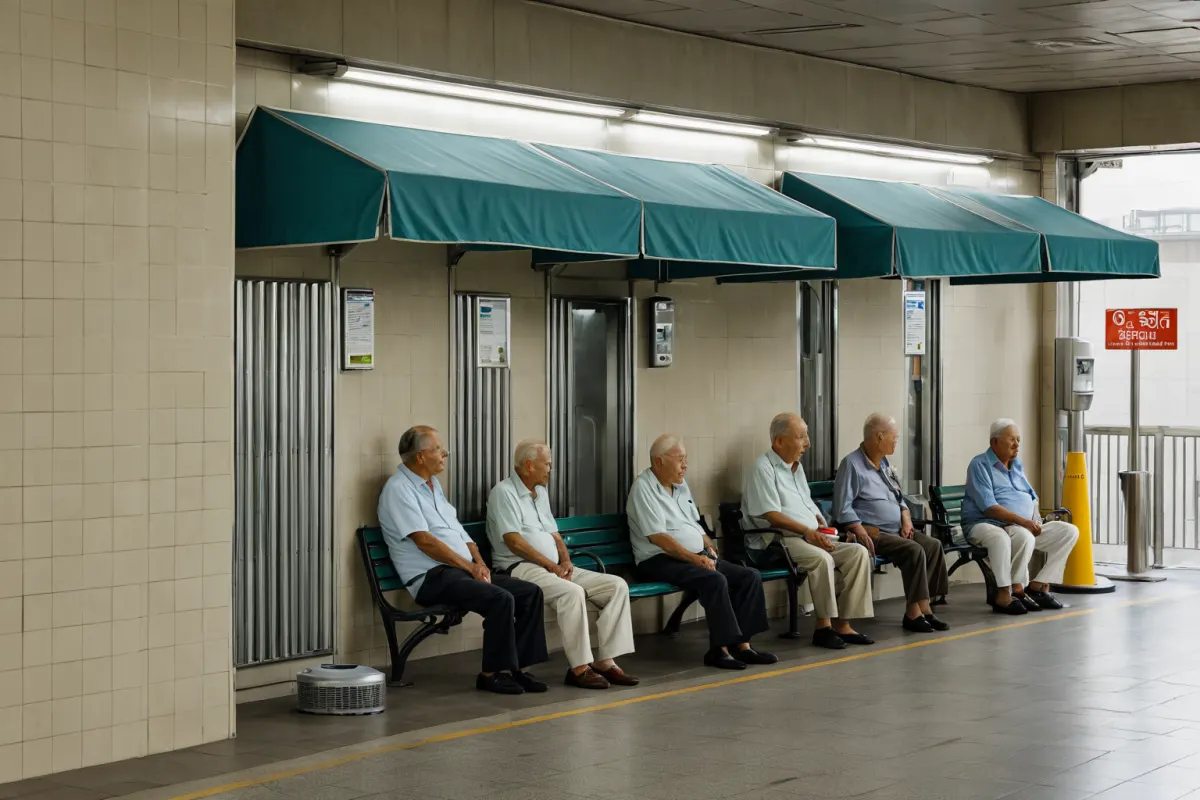
Seoul City has established 4,000 cooling centers at community centers and subway stations to help residents cope with heatwaves. These centers have become one of the most frequently used measures this summer, specifically designed to protect elderly and vulnerable populations.
Current Heatstroke Patient Statistics in Seoul
According to Seoul City's Department of Health and Welfare, as of August 4, 2026, an average of 23 heatstroke patients were treated daily, marking the highest number recorded this year. This increase has been particularly noticeable since July, with Seoul monitoring 71 emergency rooms through a proactive response system.
Heatstroke cases are most prevalent among elderly populations, especially those aged 65 and older who are most vulnerable to heatwaves. Meanwhile, in Gyeonggi Province, heatstroke incidents have concentrated in workplaces.
Heatwave Response Strategies: Cooling Centers and Emergency Teams
Seoul has set up 4,000 cooling centers at community centers and subway stations to provide residents with comfortable rest areas. This initiative began on July 30, 2026, and specifically caters to elderly and vulnerable groups.
The Seoul Central Fire Station has launched the '119 Heatwave Emergency Team' to respond quickly to heat-related emergencies. The team officially began operations on August 11, 2026, with specialized equipment and trained personnel providing immediate assistance at the scene.
Additionally, Seoul has developed a prevention and health manual for people with disabilities, offering more systematic care for vulnerable populations. This manual started distribution in mid-July 2026 and is available in multiple languages and formats to improve accessibility.
Response for Industrial Sites and Migrant Workers
Seoul has implemented a preemptive response system called 'Heat Disaster Prevention' at industrial sites to protect workers' health. This system, operational since March 2026, focuses on improving workplace environments and managing laborers during heatwaves.
The 'Seoul Rider Safety ON' campaign for migrant workers began on August 13, 2026, and includes safety guidelines for pet owners during summer. This reflects Seoul's comprehensive approach to addressing heatwave risks across different demographics.
The Safety and Health Administration's Seoul Metropolitan Branch is also running a health check-up support campaign for migrant workers' heatstroke prevention, starting July 31, 2026. The initiative targets migrant workers in high-risk workplaces.
Expanded Park Water Play Areas and Campaigns
To combat heatwaves, Seoul is operating 212 water play areas in parks, which began on July 11, 2026. These facilities allow citizens to enjoy safe cooling activities during summer months.
The 'Happy Happy Campaign' started on July 10, 2026, and prepares response plans when heatwave warnings are issued. The campaign aims to help residents stay healthy during the hot season through various safety measures.
Seoul also began a campaign on August 12, 2026, providing summer safety guidelines for pet owners to prevent health issues in pets caused by extreme heat. This initiative has gained public attention as part of Seoul's broader heatwave response strategy.
Heatstroke Statistics Analysis and Causes
According to Seoul City's Department of Health and Welfare, heatstroke incidents primarily occur among the elderly, especially those aged 65 and older who are most vulnerable to heatwaves. In Gyeonggi Province, cases have concentrated in workplaces.
Heatstroke cases increased significantly from July 2026 as prolonged heatwaves affected public health. Seoul monitors 71 emergency rooms through a proactive response system designed to prevent dangerous situations before they occur.
Seoul is implementing various programs and campaigns to ensure citizen safety during heatwaves, with the expansion of 212 park water play areas proving particularly popular among residents as an effective cooling method during summer months.
Safety Information and Response Strategies
Seoul provides various safety information for heatwave response. The 4,000 cooling centers at community centers and subway stations are designed to offer comfortable rest areas, especially with dedicated spaces for elderly and vulnerable groups.
The '119 Heatwave Emergency Team' from Seoul Central Fire Station has significantly improved citizen safety since its launch, responding quickly to heat-related emergencies. The team uses specialized equipment and trained personnel to provide immediate assistance.
The prevention manual for people with disabilities began distribution in mid-July 2026 and is available in multiple languages and formats to improve accessibility. This demonstrates Seoul's careful consideration of vulnerable populations' health management needs.
Verified Information Sources
Official announcements regarding Seoul's heatwave response measures can be found on the Department of Health and Welfare and Seoul City's website. Additional details are available through the Safety and Health Administration and fire station websites.
Heatstroke patient statistics show an average of 23 cases per day, marking a record high as of August 4, 2026. Seoul monitors 71 emergency rooms through a proactive response system, which is a key strategy for ensuring citizen safety during heatwaves.
The 'Happy Happy Campaign' and the expansion of 212 park water play areas are proving to be effective strategies that help citizens enjoy safe summers. These initiatives have become important parts of Seoul's overall approach to heatwave response.
Frequently Asked Questions
Where can I check official statistics on heatstroke patients in Seoul?
Official statistics are updated daily on the Department of Health and Welfare and Seoul City website.
Why are elderly people more vulnerable to heatstroke?
Elderly individuals have reduced ability to regulate body temperature, making them more susceptible to heatwaves. This requires special attention for this demographic.
Where are the cooling centers provided by Seoul City located?
Cooling centers are available at 4,000 community centers and subway stations across Seoul. Specific locations can be found on Seoul City's website.
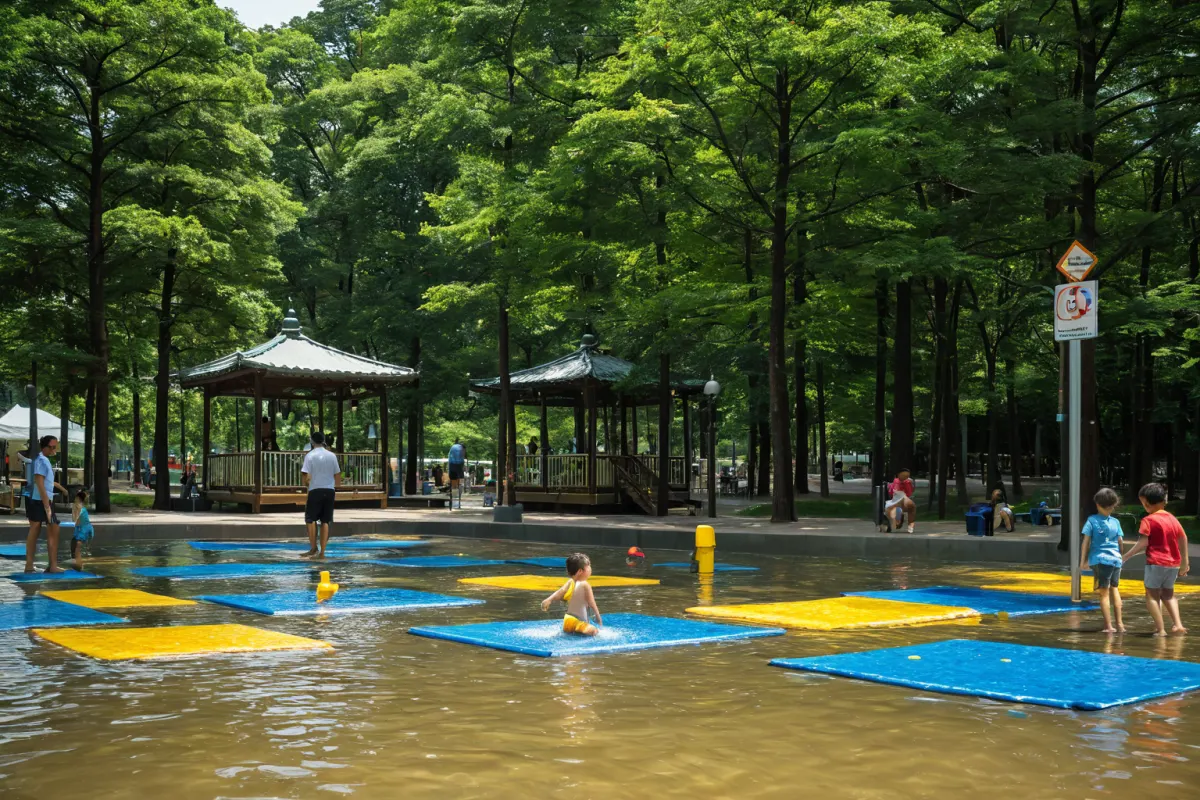
The 212 park water play areas operated by Seoul City have become popular among citizens as a safe cooling option during summer heatwaves. These facilities see increased usage during hot periods and are particularly favored by families with children.
Seoul began expanding the operation of these water play areas on July 11, 2026, which is considered a strategic decision in its heatwave response plan. The play areas have been designed to provide a safe environment for citizens to cool off, with systematic management minimizing accident risks.
The 'Happy Happy Campaign' focuses on preparing response plans when heatwave warnings are issued and began on July 10, 2026. Through various channels, this campaign delivers safety information to residents to help them stay safe during hot weather.
Seoul's comprehensive approach to heatwave response includes multiple strategies designed to protect citizens' health and safety. The expansion of the 212 park water play areas has proven particularly effective as a cooling method during summer, with families being among its most frequent visitors.
You can find similar articles in one place.
View Related ArticlesFAQ
Where can I check official statistics on heatstroke patients in Seoul?
Official statistics are updated daily on the Department of Health and Welfare and Seoul City website.
Why are elderly people more vulnerable to heatstroke?
Elderly individuals have reduced ability to regulate body temperature, making them more susceptible to heatwaves. This requires special attention for this demographic.
Where are the cooling centers provided by Seoul City located?
Cooling centers are available at 4,000 community centers and subway stations across Seoul. Specific locations can be found on Seoul City's website.
Korean Source
This article is an English localization of a Korean-language report from BlogScore. Original: 서울 온열질환자 통계 분석: 여름철 대응 전략