
Seoul Heatstroke Cases by District: High Rates in Mapo, Yeongdeungpo, and Gwanak
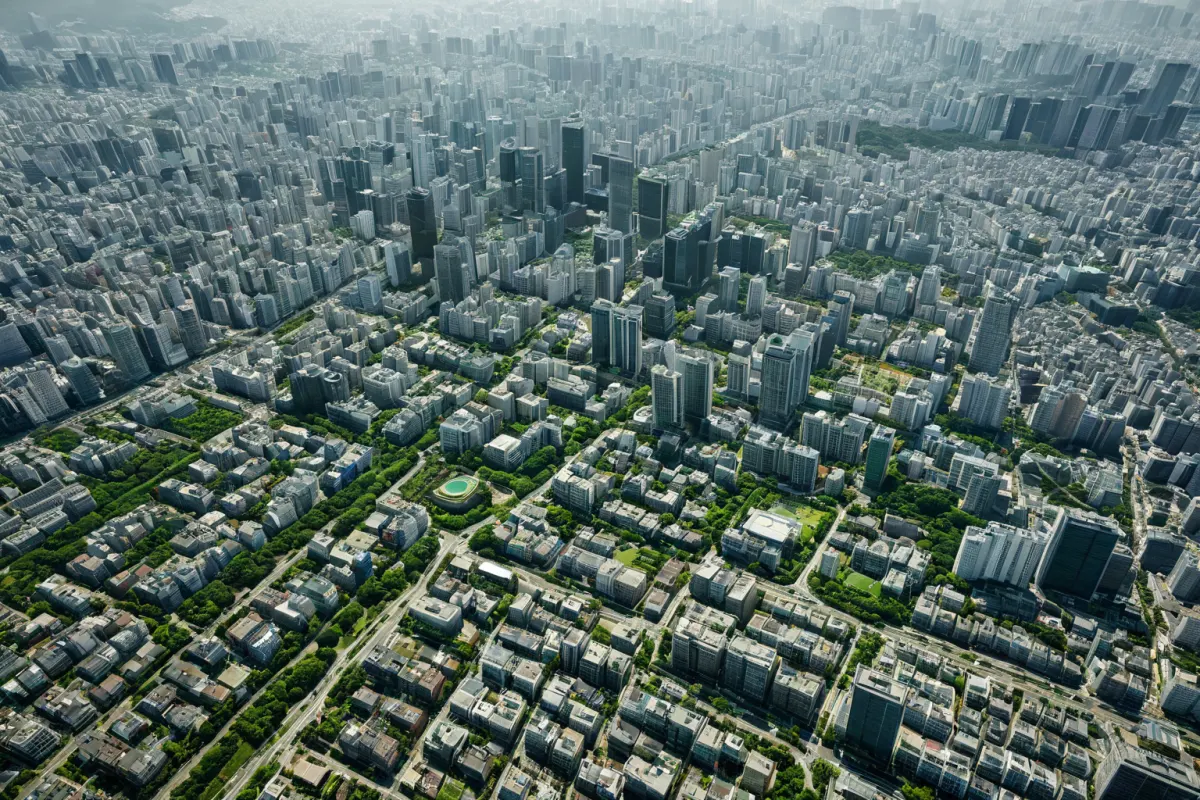
Seoul Heatstroke Cases by District: Mapo, Yeongdeungpo, Gwanak Show Highest Rates
According to a Seoul City press release on August 28, 2025, the districts with the highest heatstroke incidence rates are Mapo, Yeongdeungpo, and Gwanak. These areas saw a rise in cases after three months of extreme heat, particularly in Dongdaemun District, which has fewer green spaces leading to higher temperatures and more heatstroke cases.
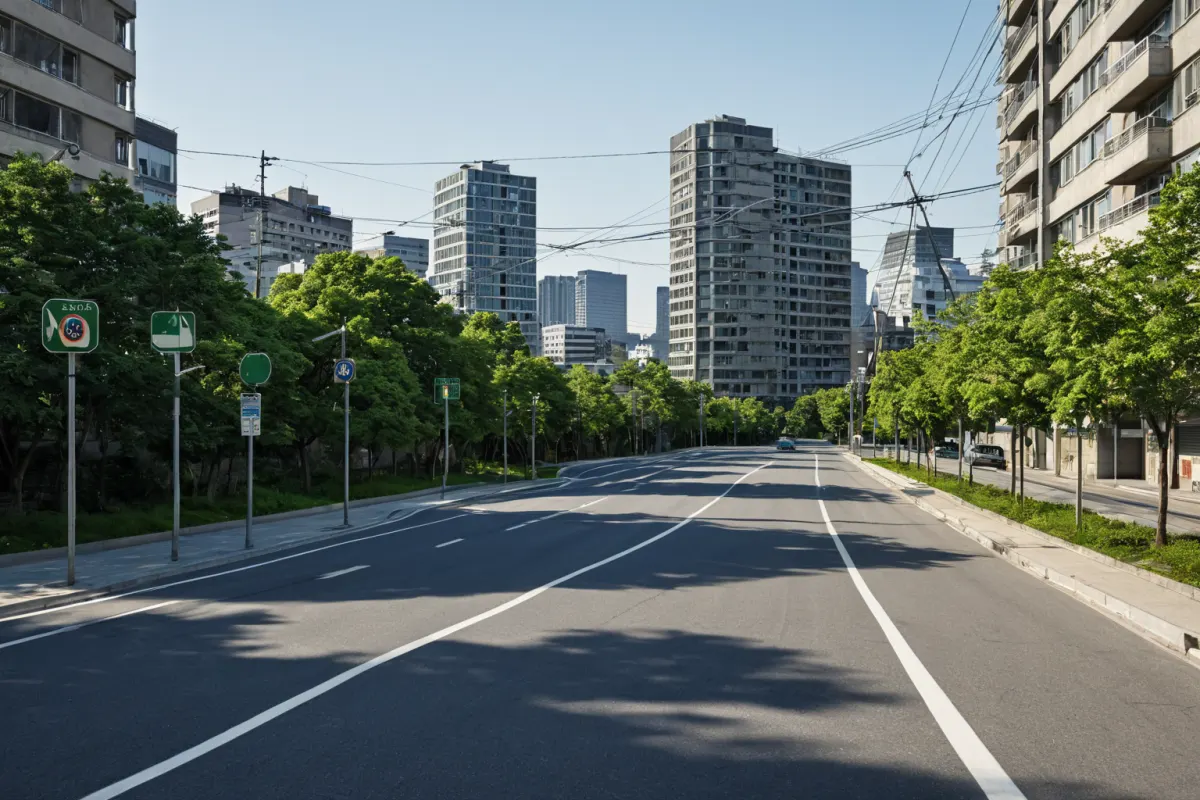
Seoul District Heatstroke Rates and Environmental Analysis
Seoul City statistics show that Mapo, Yeongdeungpo, and Gwanak have the highest rates of heatstroke cases. These areas are characterized by high urbanization with limited green spaces, contributing to higher temperatures. In contrast, Seocho District has 15 times more green space than Dongdaemun, resulting in a 6-degree difference in surface temperature.
Residents in Dongdaemun, which has less green space, are more vulnerable to heatstroke due to the hotter living environment. Seocho’s abundant greenery helps lower surface temperatures, leading to comparatively fewer heatstroke cases.
Seoul's Heat Vulnerable Groups and Prevention Services
Heat-vulnerable groups make up 30% of Seoul’s population, including elderly and low-income residents. Unequal access to cooling centers has created gaps in coverage, prompting Seoul City to launch a heatstroke prevention service using neighborhood temperature data starting July 6, 2026.
Based on the August 28, 2025 report of heat-related cases after three months of extreme heat, Seoul City introduced this service to enable residents to respond more quickly when severe heat warnings are issued.
Seoul District Green Spaces and Temperature Relationship
The surface temperature difference between Seocho and Dongdaemun is 6 degrees due to Seocho’s green space being 15 times larger. This highlights the importance of preserving green spaces in combating heatwaves. Seoul City aims to maximize urban cooling effects by expanding green areas, similar to Seocho.
40% of apartment security offices lack air conditioning, causing discomfort for residents during extreme heat. To address this, Seoul City is working on enhancing neighborhood infrastructure (living SOC) to reduce the gap between Gangnam and Gangbuk districts.
The service using neighborhood temperature data, starting July 6, 2026, helps residents take timely actions like canceling outdoor activities when severe heat warnings are issued. This aims to provide more systematic support for the 30% of vulnerable residents.
Seoul Heatstroke Cases by District: Key Status in Jongno and Gangnam
Gangnam and Seocho districts have seen rising medical facilities and apartment prices. Gangnam has experienced temperatures up to 39.2°C during severe heat warnings, increasing the importance of medical access.
To address the gap between Gangnam and Gangbuk, Seoul City is expanding neighborhood infrastructure (living SOC) to provide safer shelters for residents during extreme heat. Unequal access to cooling centers has led to gaps in coverage, with one out of three vulnerable areas falling into these gaps.
Seoul Heatstroke Cases by District: Heatwave Response and Prevention Strategies
The 30% of Seoul’s population classified as heat-vulnerable requires preventive measures. Using neighborhood temperature data, Seoul City supports residents to respond quickly when severe heat warnings are issued.
Heat-vulnerable gaps have been identified in three out of ten areas. This issue stems from uneven access to cooling centers, and Seoul City is addressing it through expanded living SOC infrastructure.
Residents should be cautious from June to August, with measures like canceling outdoor activities when severe heat warnings are issued. These guidelines follow Seoul City’s official recommendations.
With 40% of apartment security offices lacking air conditioning, Seoul City is advancing neighborhood infrastructure expansion as a solution.
Seoul Heatstroke Cases by District: Key Information to Note
The highest heatstroke incidence rates are in Mapo, Yeongdeungpo, and Gwanak. Dongdaemun has fewer green spaces, leading to higher temperatures and more cases. Seocho’s green space is 15 times larger than Dongdaemun’s, resulting in a 6-degree surface temperature difference.
Heat-vulnerable groups account for 30% of the population, including elderly and low-income residents. Unequal access to cooling centers has created gaps, prompting Seoul City to expand neighborhood infrastructure (living SOC) to address this issue.
Frequently Asked Questions
Which districts have the highest heatstroke incidence rates according to Seoul's data?
Mapo, Yeongdeungpo, and Gwanak. A Seoul City press release on August 28, 2025 reported these areas after three months of extreme heat.
What percentage of Seoul’s population is considered heat-vulnerable?
30%. This was confirmed in a Seoul City press release and related research materials dated August 28, 2025.
What actions should Seoul residents take when severe heat warnings are issued?
Be cautious from June to August. When severe heat warnings are issued, measures like canceling outdoor activities are in place. The prevention service using neighborhood temperature data began on July 6, 2026.
Frequently Asked Questions
According to Seoul’s heatstroke case statistics by district, Mapo, Yeongdeungpo, and Gwanak have the highest incidence rates. These areas suffer from limited green spaces leading to higher temperatures and increased vulnerability among residents.
Seocho has 15 times more green space than Dongdaemun, resulting in a 6-degree surface temperature difference. This demonstrates that preserving green spaces is key to combating heatwaves. Seoul City aims to provide systematic support for the 30% of vulnerable residents through neighborhood temperature data-based prevention services.
With 40% of apartment security offices lacking air conditioning, Seoul City is expanding neighborhood infrastructure (living SOC) to reduce the gap between Gangnam and Gangbuk districts.
The statistics on heatstroke cases by district will serve as important reference for residents’ heatwave response strategies and policy improvements. Seoul City plans to further expand prevention services using neighborhood temperature data in the future.
You can view similar articles all at once.
View Related ArticlesFAQ
Which districts have the highest heatstroke incidence rates according to Seoul's data?
Mapo, Yeongdeungpo, and Gwanak. A Seoul City press release on August 28, 2025 reported these areas after three months of extreme heat.
What percentage of Seoul’s population is considered heat-vulnerable?
30%. This was confirmed in a Seoul City press release and related research materials dated August 28, 2025.
What actions should Seoul residents take when severe heat warnings are issued?
Be cautious from June to August. When severe heat warnings are issued, measures like canceling outdoor activities are in place. The prevention service using neighborhood temperature data began on July 6, 2026.
Korean Source
This article is an English localization of a Korean-language report from BlogScore. Original: 서울 온열질환자 지역별 통계: 중구·강남 등 주요 구별 현황