
Seoul Heat Illness Statistics by District: Resident Response Strategies


Seoul Heat Illness Statistics by District
According to Seoul's health statistics, 386 heat illness cases were recorded from May to August 2026. Mapo, Yeongdeungpo, and Gwanak districts reported the highest number of patients, with these areas having a high concentration of elderly residents and villa housing, making them particularly vulnerable during heatwaves. Male cases accounted for twice as many as female cases, and there was a 1.5 times increase in patients between 6-10 AM.
Time-of-Day and Gender Patterns
Heat illness incidents peaked between 6-10 AM, when daily activities typically begin. While elderly residents often don't go out frequently, many cases occurred during this time due to insufficient cooling indoors. The higher male-to-female ratio correlates with men's tendency to engage in more outdoor activities during heatwaves.
July Concentration
64% of Seoul's heat illness cases occurred in July, the peak of the summer heatwave season. On August 7, 2026, a severe heat alert was issued across Seoul with perceived temperatures reaching 38-39°C. This year saw the first fatality on May 16 when an 80-year-old male resident died from heat illness, marking the start of an early summer heatwave.
Seoul's Response Strategy
Seoul has strengthened its emergency room monitoring system and implemented home visits for vulnerable populations to prevent heat-related injuries. However, areas with high villa density such as Gangnam, Songpa, and Yeongdeungpo have gaps in cooling center coverage, requiring urgent action. The city's health centers activate their emergency monitoring system during severe heat alerts from July to August 2026.
Analysis of Vulnerable Areas
Vulnerable areas include Gangnam, Songpa, and Yeongdeungpo - districts with high villa density where cooling center coverage gaps exist. According to Seoul's statistics, three out of ten vulnerable areas lack cooling centers, affecting 30% of at-risk populations. Heat illness incidents have been increasing by 44% annually, making the response even more urgent following this year's first fatality.
Senior-Focused Response Strategy
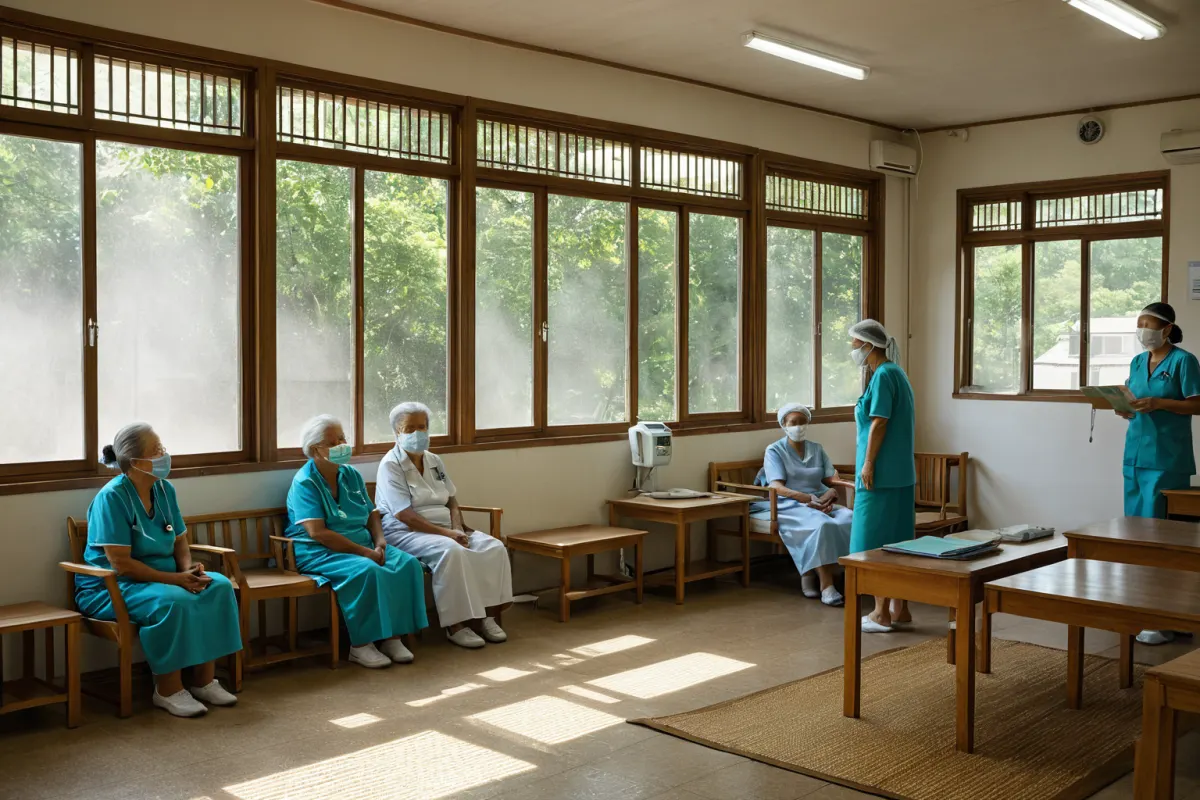
Seoul is implementing targeted heatwave strategies for seniors. Residents aged 70 and above face higher risks from inadequate indoor cooling during heatwaves, so the city has strengthened home health visits to promote temperature management and hydration. Mapo, Yeongdeungpo, and Gwanak districts, with high elderly populations, are running special programs specifically for heatwave response.
Male-Focused Response Strategy
The higher rate of male heat illness cases correlates with men's greater outdoor activity during hot weather. Seoul is conducting campaigns encouraging male residents to avoid going out between 6-10 AM, while emphasizing the importance of staying hydrated. In villa-dense areas, workplace managers receive informational materials to ensure adequate rest periods for outdoor workers.
Heat Alerts and Perceived Temperature
Seoul's heat alert is issued when perceived temperature reaches 38°C or higher, significantly increasing the risk of heat illness during outdoor activities. On August 7, 2026, a sustained severe heat alert kept perceived temperatures between 38-39°C across Seoul. Emergency room visits spiked at this time, with elderly residents and males representing a high proportion of cases.
Response Information and Safety Tips
The city recommends basic prevention measures including indoor cooling use, adequate hydration, and avoiding outdoor activities between 6-10 AM. Seniors receive home visits to monitor temperature and encourage hydration, while men are advised to minimize morning outings and ensure rest periods during hot weather.
Important Information to Verify
Heat illness statistics vary by district, so residents should check their local district's data when planning heatwave responses. Mapo, Yeongdeungpo, and Gwanak districts have the highest incidence rates, requiring extra caution from residents during summer months. Considering July is the peak month for heat illnesses, it's recommended to prepare heatwave response plans between late June and August.
Frequently Asked Questions
Which areas in Seoul experience the most heat illness cases?
Mapo, Yeongdeungpo, and Gwanak districts reported the highest number of patients. These areas have a high concentration of elderly residents and villa housing, making them particularly vulnerable during heatwaves.
What is the gender ratio among heat illness cases?
Male cases accounted for twice as many as female cases. This correlates with men's tendency to engage in more outdoor activities during hot weather.
What measures has Seoul taken to respond to heatwaves?
Seoul has strengthened its emergency room monitoring system and implemented home visits for vulnerable populations to prevent heat-related injuries. However, cooling center coverage gaps in villa-dense areas require additional response efforts.
Frequently Asked Questions
Seoul's heat illness statistics show distinct patterns by district, time of day, and gender. Mapo, Yeongdeungpo, and Gwanak districts have the highest incidence rates, while male cases are twice as common as female cases. Residents should focus on targeted strategies for seniors and men, minimizing outdoor activity when perceived temperatures exceed 38-39°C during heat alerts. While Seoul has strengthened emergency monitoring systems and home health visits, additional measures are needed to address cooling center coverage gaps in villa-dense areas.
You can view similar articles on this topic all at once.
View Related ArticlesFAQ
Which areas in Seoul experience the most heat illness cases?
Mapo, Yeongdeungpo, and Gwanak districts reported the highest number of patients. These areas have a high concentration of elderly residents and villa housing, making them particularly vulnerable during heatwaves.
What is the gender ratio among heat illness cases?
Male cases accounted for twice as many as female cases. This correlates with men's tendency to engage in more outdoor activities during hot weather.
What measures has Seoul taken to respond to heatwaves?
Seoul has strengthened its emergency room monitoring system and implemented home visits for vulnerable populations to prevent heat-related injuries. However, cooling center coverage gaps in villa-dense areas require additional response efforts.
Korean Source
This article is an English localization of a Korean-language report from BlogScore. Original: 서울 온열질환자 지역별 통계: 주민 대응 전략 제시