
Why Seoul and Gyeonggi South Are Under Increased Flood Warning: Key Weather Conditions
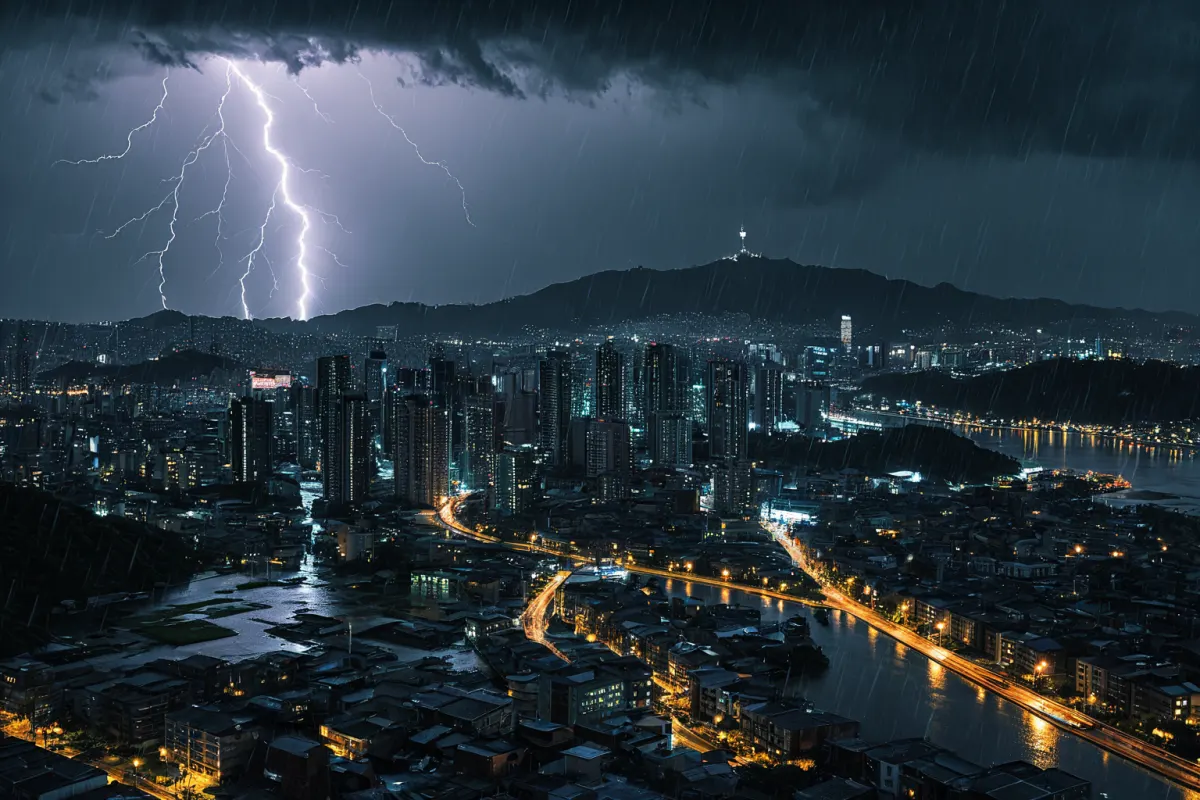
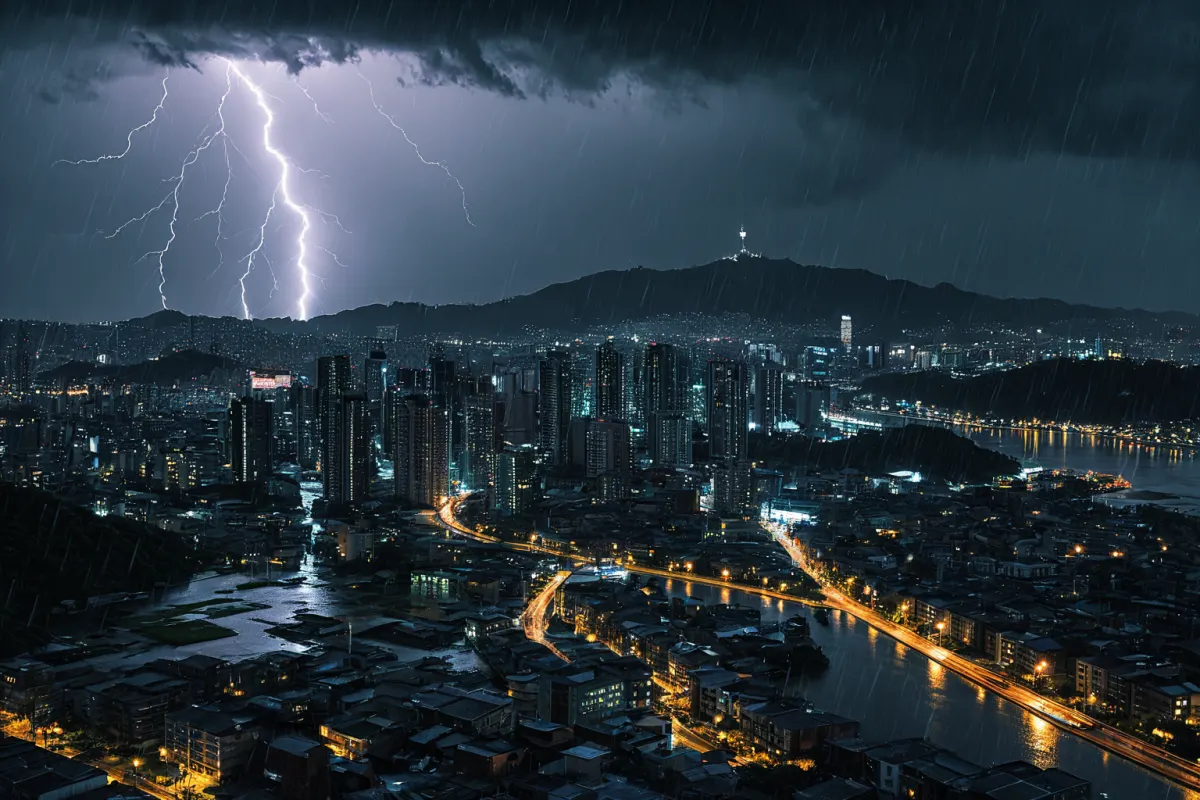
The reason for the expanded heavy rain warning in Seoul and southern Gyeonggi is that short-term cloud movements are causing a sharp increase in hourly rainfall rates. It's not just about heavy rain—it's about conditions that can quickly lead to river flooding, inundation, and road closures.
Especially in Seoul and southern Gyeonggi, urbanization has reduced the space for water to drain away, making perceived damage greater even with the same amount of rainfall. So, the key factor for expanding warnings isn't just "it's raining" but "how intensely and quickly is it raining?"
Heavy Rain Warning Expansion Criteria
Heavy rain alerts aren't based solely on cumulative rainfall. Meteorologists also consider whether heavy rain is concentrated over short periods, if intensity might increase further, and how saturated the ground already is.
In densely populated areas like Seoul and southern Gyeonggi, the same rainfall can lead to faster damage risks. Drainage systems are more likely to exceed capacity, and underground spaces or low-lying areas can flood rapidly, prompting the Meteorological Administration to expand warnings based on both observations and forecasts.
You can find similar articles all in one place.
View Related ArticlesWhy Heavy Rain Warnings Are Expanding in Seoul and Southern Gyeonggi
The main reason for expanded warnings in this area is that rain cloud systems often stall or repeatedly pass through. Instead of a single heavy downpour, clouds keep moving in, causing cumulative rainfall over the same area.
Additionally, when moist air from the Yellow Sea meets warm, humid air from the south and cold air aloft, atmospheric instability increases. This can cause sudden, intense thunderstorms with faster-developing rain clouds than expected, leading to timely warning adjustments.
Why Weather Conditions Deteriorate Rapidly
Warnings expand when there's strong moisture supply in the atmosphere and rain clouds form faster than they move. Simply put, new rain clouds keep forming, leaving little chance for rain to stop.
A saturated ground is also critical. Even 30mm of rain can be far more dangerous on already wet soil compared to dry ground. After an initial heavy downpour, drainage capacity drops, making even small additional rainfall riskier for flooding.

Signs to Watch in Daily Life
When heavy rain warnings expand in Seoul and southern Gyeonggi, the first thing to watch isn't the sky but the current intensity of rainfall. Thicker raindrops and frequent wind direction changes may signal worsening conditions.
During commutes, pay special attention to subway entrances, underground parking lots, and low-lying roads. For example, a tunnel that usually takes 10 minutes to cross might be closed for 20–30 minutes, so it's safer to adjust your route when warnings expand.
At home, check rooftop drains, balcony drains, and basement entrances beforehand. Small blockages can quickly lead to major flooding during sudden downpours.
Difference Between Warning and Advisory
A heavy rain advisory means heavy rain is likely, requiring preparation, while a heavy rain warning indicates significantly higher damage risk. When warnings are issued, safety measures go beyond just carrying an umbrella—movement restrictions and securing safety become priorities.
Many people wonder why warnings trigger even for light rain, but it's not about the amount of rainfall—it's about flood potential and duration. Especially in Seoul and Gyeonggi South, urban structures limit water flow, leading to faster warning expansions.
Preparation Tips and Action Guidelines
If a warning expands, delay outings and avoid underground spaces or riverbanks if you must go out. Drivers should never attempt to cross flooded roads—the water current can easily push vehicles away.
Don't underestimate the danger of thinking "it's just for a short time." In Seoul and Gyeonggi South, sudden water rises are common within minutes, so it's best to detour immediately upon hearing road closures.
At home, ensure phones have full battery and agree on communication methods with family. Visibility drops sharply during heavy nighttime rain, making early return the safest choice.
Frequently Asked Questions
Q1. Does a heavy rain warning always mean major damage?
No, but it means higher risk of damage. Low-lying areas and underground spaces are especially vulnerable even to small rainfall differences.
Q2. Why are warnings expanding only in Seoul and Gyeonggi South?
Rain clouds often concentrate in this area, and urban flooding risks are high due to city structure. Same rain intensity can lead to different warning scopes depending on local conditions.
Q3. What should you do first when a warning is issued?
Reassess your travel plans and avoid rivers, underground tunnels, and low-lying areas. Prioritize personal safety over vehicles.
Heavy rain alerts can change rapidly, so checking both the forecast and real-time conditions right after issuance is recommended. Especially on days when rain clouds repeatedly enter Seoul and Gyeonggi South, local rainfall patterns can shift quickly.
Continue exploring similar topics.
View Category ArticlesFAQ
Does a heavy rain warning always mean major damage?
No, but it means higher risk of damage. Low-lying areas and underground spaces are especially vulnerable even to small rainfall differences.
Why are warnings expanding only in Seoul and Gyeonggi South?
Rain clouds often concentrate in this area, and urban flooding risks are high due to city structure. Same rain intensity can lead to different warning scopes depending on local conditions.
What should you do first when a warning is issued?
Reassess your travel plans and avoid rivers, underground tunnels, and low-lying areas. Prioritize personal safety over vehicles.
Korean Source
This article is an English localization of a Korean-language report from BlogScore. Original: 서울·경기남부 호우 경보 확대 이유와 기상 조건