
Seoul and Gyeonggi Heatwave Major Alert: Safety Tips and Precautions
Situation of the Seoul and Gyeonggi Heatwave Major Alert
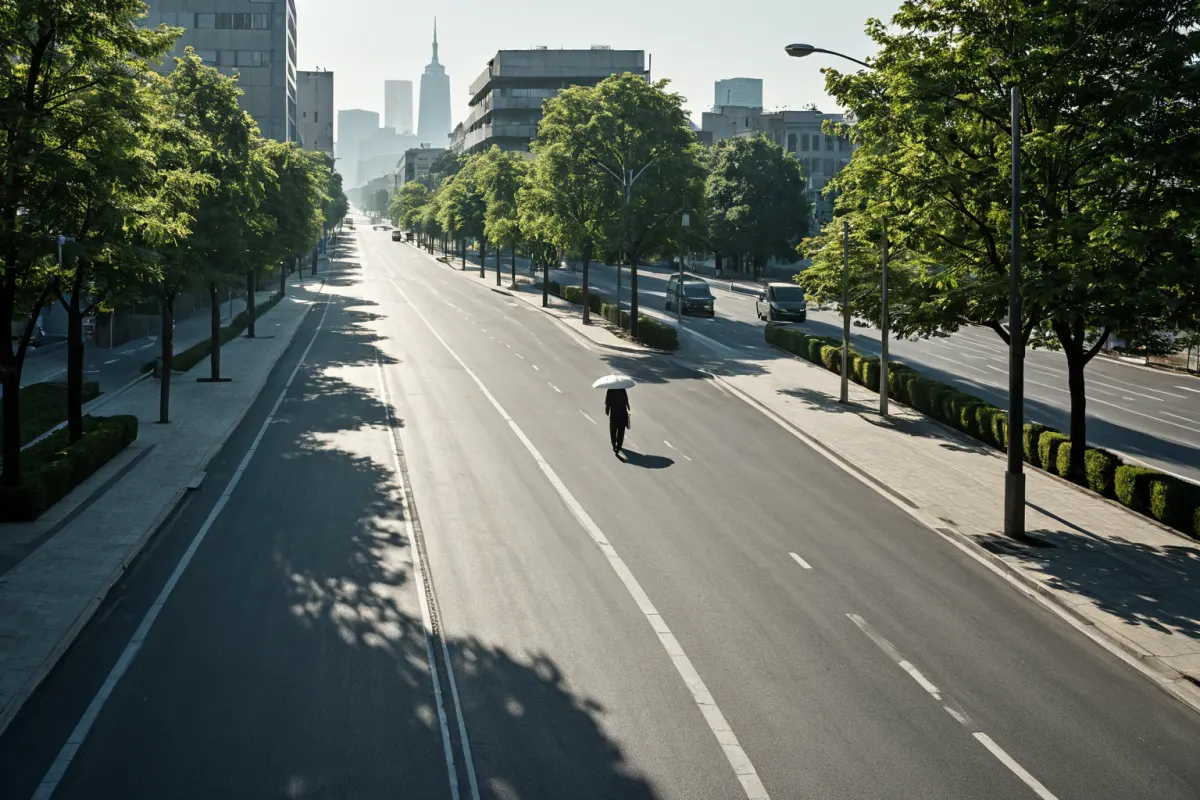
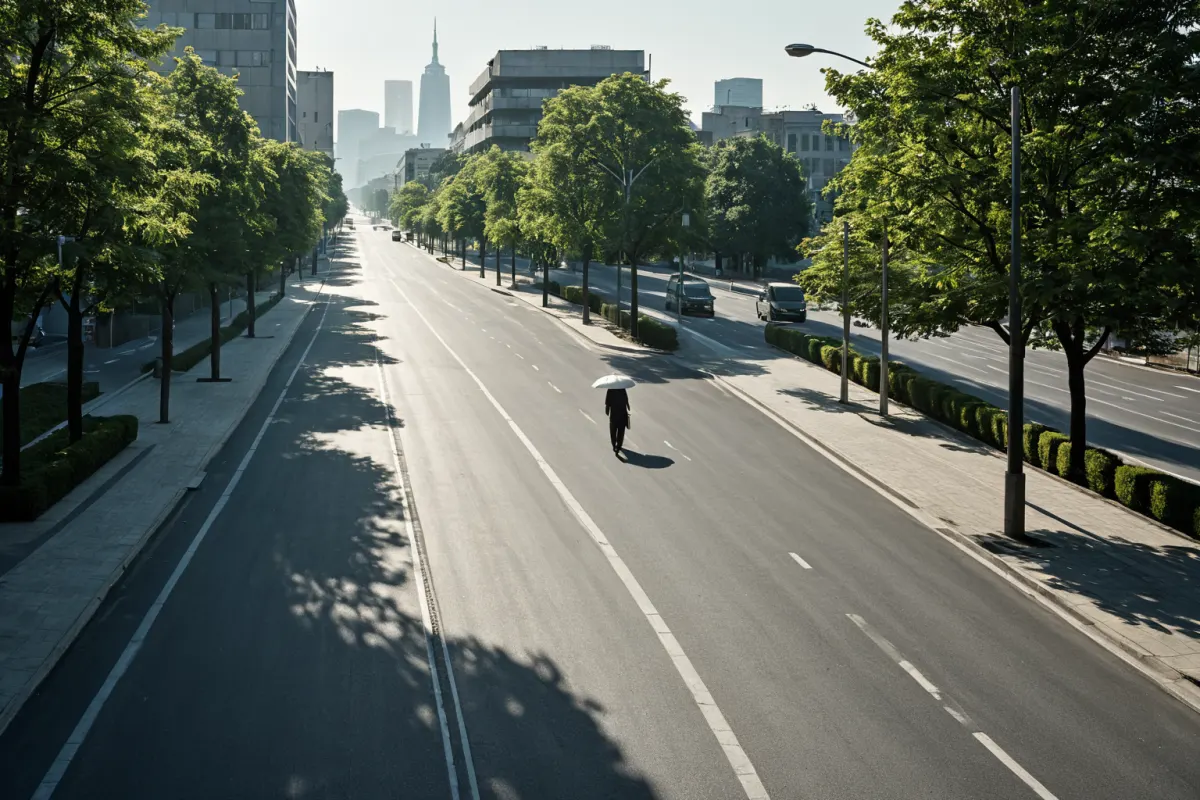
The first heatwave major alert for this year has been issued in Seoul and Gyeonggi, with daytime temperatures reaching 38-39°C. The Meteorological Administration recommended survival guidelines including stopping outdoor activities, moving indoors, and checking on vulnerable individuals. Government agencies and local authorities are conducting site inspections at construction sites and holding emergency meetings to respond.
Daytime temperatures in Seoul reached 38°C, while Gyeonggi recorded a high of 39°C, marking the first time a major alert has been issued in the metropolitan area since the revised heatwave warning system was implemented. Over 400 cases of heat-related illnesses have been reported, prompting nationwide expansion of heatwave response measures.
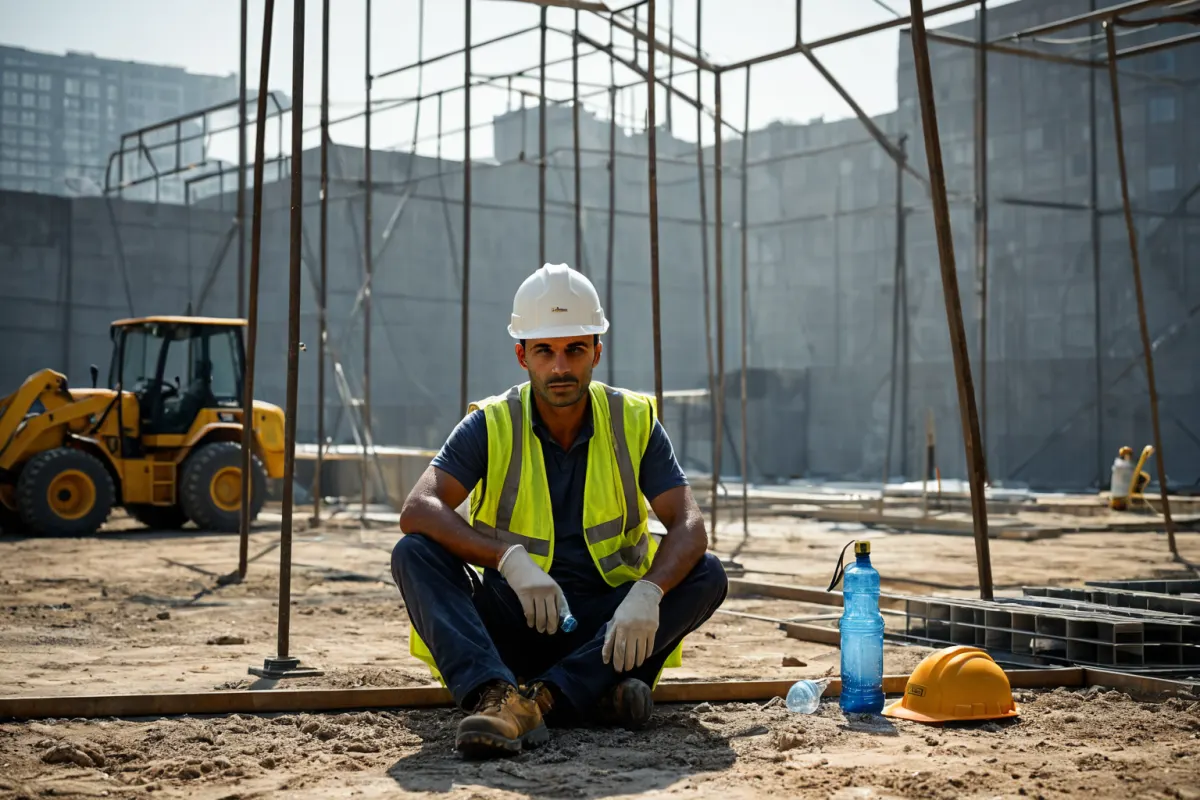
The Meteorological Administration warned of extreme temperatures above 38°C and urged citizens to avoid outdoor activities during midday hours, stay hydrated, and take regular breaks. Special attention has been given to outdoor workers at construction sites, with the Occupational Safety and Health Agency conducting on-site inspections. Osan City is providing guidance on citizen behavior protocols as part of localized response efforts.
Heatwave Major Alert and Response Measures
The first heatwave major alert for 2026 was issued in Seoul and Gyeonggi on August 3, following the Meteorological Administration's warning of extreme temperatures above 38°C. This prompted recommendations for citizens to follow 'stop, move, check' survival guidelines.
On August 4, the Occupational Safety and Health Agency conducted inspections at outdoor work sites including construction areas, while Osan City provided guidance on citizen behavior protocols. On the same day, an emergency meeting was held in Gangjin District to address the heatwave major alert, with additional site inspections of construction zones.
The government and local authorities are implementing various measures to respond to the heatwave. The Ministry of Employment and Labor is monitoring compliance with work stoppage orders at construction sites, while nationwide response efforts are expanding across cities like Busan and Yeosu.
Heat-Related Illness Cases and Localized Responses
In Gyeonggi Province, over 400 cases of heat-related illnesses have been reported. This marks the first time a major alert has been issued in the metropolitan area under the revised heatwave warning system.
Busan City and Yeosu City are also implementing heatwave response measures. Busan issued its first heatwave major alert, recommending suspension of outdoor work, while Yeosu activated emergency protocols due to 38°C temperatures.
The revised heatwave warning system, updated after 18 years, now provides step-by-step action guidelines. Schools are conducting education on heatwave response measures and survival tips, while preventive campaigns targeting migrant workers are underway.
Causes and Characteristics of the Heatwave Major Alert
The primary cause for the issuance of the heatwave major alert in the metropolitan area was the Meteorological Administration's forecast of extreme temperatures above 38°C. This marks a formalization of response measures under the revised heatwave warning system, which has been updated after 18 years.
The Meteorological Administration recommends 'stop, move, check' survival guidelines when a major alert is issued. This means stopping outdoor activities during midday hours, moving indoors to hydrate and rest, and checking on vulnerable individuals.
Special attention has been given to outdoor workers at construction sites, with the Occupational Safety and Health Agency conducting inspections. The Ministry of Employment and Labor is also monitoring compliance with work stoppage orders to prevent heat-related illnesses.
Heatwave Response and Safety Guidelines
The key safety guidelines recommended during a heatwave major alert include: First, avoid outdoor activities between 10 AM and 4 PM. Second, stay indoors to hydrate and rest, avoiding activities like walking outside. Third, outdoor workers and migrant laborers should take regular breaks and maintain adequate hydration. Fourth, construction sites are advised to halt work during alerts, with the Ministry of Employment and Labor monitoring compliance. Fifth, residents in areas under heatwave warnings should follow citizen behavior protocols provided by local authorities, as seen in Osan City. Yeosu has activated emergency protocols due to 38°C temperatures, while Busan recommends suspending outdoor work.
Important Information and Precautions
Key information to verify during a heatwave major alert includes: First, accurately understand the level of the Meteorological Administration's heatwave warning. Second, follow 'stop, move, check' guidelines when daytime temperatures exceed 38°C. Third, seek immediate medical attention if experiencing heat-related illness. Fourth, outdoor workers should take regular breaks and stay hydrated to prevent heat illness. Fifth, comply with citizen behavior protocols provided by government and local authorities, as implemented in Osan City. Yeosu has activated emergency protocols for 38°C temperatures, while Busan recommends suspending outdoor work.
Frequently Asked Questions
Is it safe to go outside during midday when a heatwave major alert is issued?
No, outdoor activities should be avoided between 10 AM and 4 PM. This period sees the highest temperatures, increasing the risk of heat-related illnesses. It's recommended to stay indoors for rest.
What happens to construction site work when a heatwave major alert is issued?
Construction sites are required to halt work during a heatwave major alert. The Ministry of Employment and Labor monitors compliance, while the Occupational Safety and Health Agency conducts on-site inspections to verify implementation.
What should be done in case of heat-related illness?
If someone experiences heat-related illness, move them to a cool place immediately, provide hydration (including saline solution if possible), and seek medical attention. It's important to drink plenty of water when sweating heavily, and contact healthcare providers for professional assistance.
Frequently Asked Questions
The first heatwave major alert this year has been issued in Seoul and Gyeonggi with temperatures reaching 38-39°C. This follows the Meteorological Administration's warning of extreme temperatures above 38°C, urging citizens to follow 'stop, move, check' survival guidelines. Government agencies and local authorities are responding through construction site inspections and emergency meetings. Over 400 cases of heat-related illness have been reported, prompting nationwide expansion of response measures. Busan and Yeosu are also implementing similar protocols.
During a heatwave major alert, it's crucial to avoid outdoor activities during midday hours, stay hydrated indoors, and take regular breaks. Outdoor workers should prioritize rest and hydration to prevent heat-related illness. The revised 18-year heatwave warning system now provides step-by-step action guidelines, with schools and migrant worker campaigns underway for prevention.
You can find more articles on similar topics in one place.
View Related ArticlesFAQ
Is it safe to go outside during midday when a heatwave major alert is issued?
No, outdoor activities should be avoided between 10 AM and 4 PM. This period sees the highest temperatures, increasing the risk of heat-related illnesses. It's recommended to stay indoors for rest.
What happens to construction site work when a heatwave major alert is issued?
Construction sites are required to halt work during a heatwave major alert. The Ministry of Employment and Labor monitors compliance, while the Occupational Safety and Health Agency conducts on-site inspections to verify implementation.
What should be done in case of heat-related illness?
If someone experiences heat-related illness, move them to a cool place immediately, provide hydration (including saline solution if possible), and seek medical attention. It's important to drink plenty of water when sweating heavily, and contact healthcare providers for professional assistance.
Korean Source
This article is an English localization of a Korean-language report from BlogScore. Original: 수도권 폭염 중대경보, 주의사항과 안전 수칙 정리