
Why Seoul Issues 'Extreme Heat Warning' and How to Stay Safe
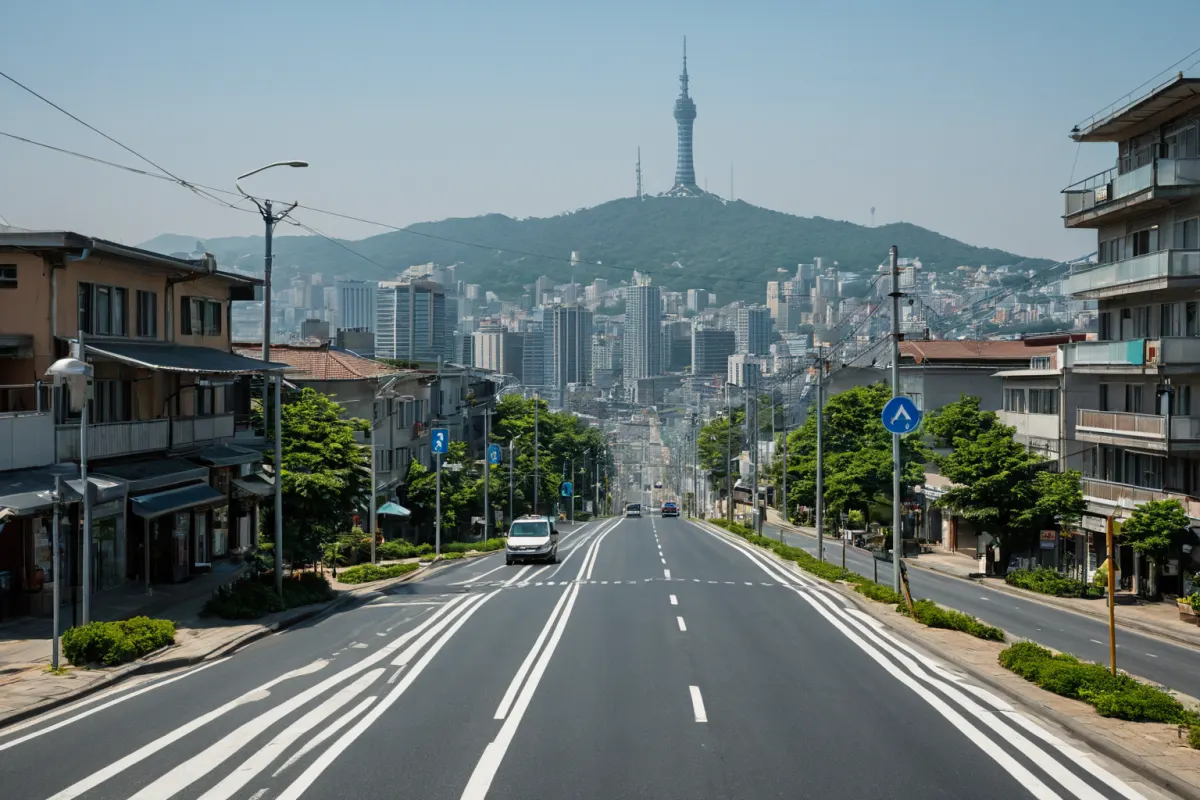
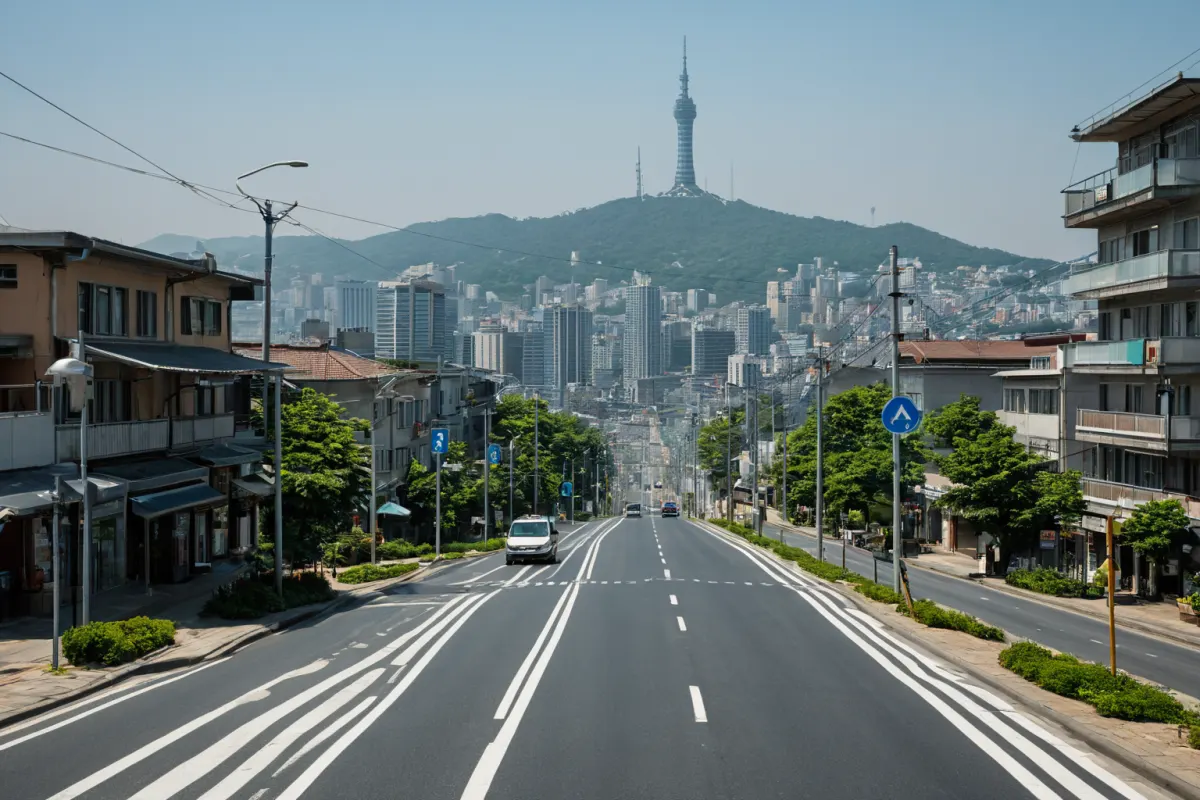
The Seoul Extreme Heat Warning advises avoiding outdoor activities when the perceived temperature exceeds 38°C to minimize the risk of heatstroke. This is the first time such a warning has been issued in Seoul and Gyeonggi Province, with temperatures reaching 39.2°C in Gangnam and 39°C in Guro, continuing extreme heatwaves. Notably, heat-related deaths among elderly populations have surged, with an average of 108 people experiencing heatstroke daily.
Extreme Heat Warning Criteria and Current Conditions
The Seoul Metropolitan Government issues the Extreme Heat Warning when perceived temperatures reach 38°C or higher. As of August 4, 2026, the warning has been expanded across all of Seoul, with Gangnam and Guro recording peak temperatures of up to 39.2°C amid persistent heatwaves. At 8 a.m. on August 4, Seoul's perceived temperature was 38.5°C, exceeding the warning threshold.
The prolonged heatwave, which began on July 12 with the first instance of 'tropical nights' (nights where temperatures do not drop below 25°C), has worsened over time. Low-income residents and elderly individuals who must go outside face significant discomfort. Mayor Oh Se-hoon has pledged to strengthen safety measures, including deploying water-spraying vehicles.
How the Extreme Heat Warning Was Issued
The Seoul Extreme Heat Warning was first issued on August 3, 2026, and expanded to all of Seoul and northern Gyeonggi Province by early August 4. The Meteorological Administration explained that the warning can be issued when perceived temperatures remain above 38°C for extended periods.
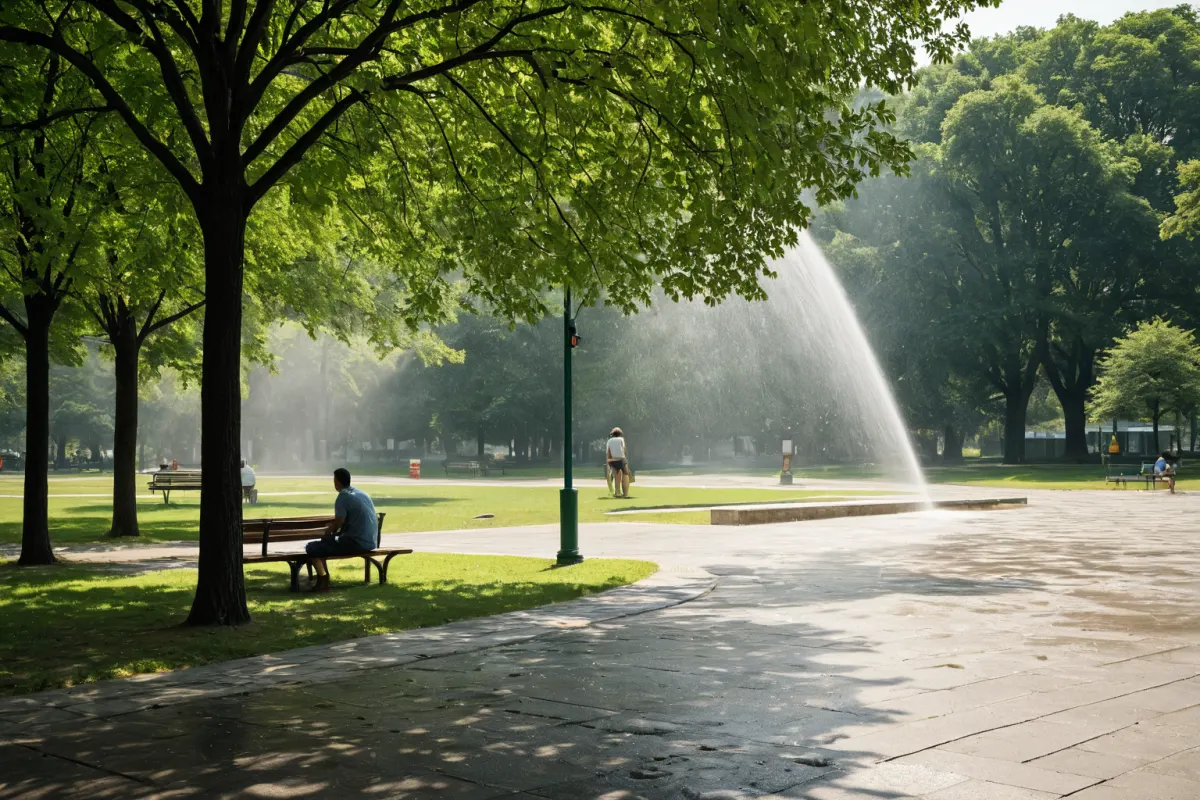
On the morning of August 4, Gangnam and Guro recorded temperatures of 39.2°C and 39°C respectively, continuing the extreme heat. In response, Seoul City deployed water-spraying vehicles to spray roads and parks in the afternoon, while urging residents to avoid outdoor activities for public health reasons.
The city's heat situation has intensified since the first tropical night on July 12, which served as a precursor to the current heatwave. Temperatures gradually rose, reaching warning levels by early August.
Recommended Actions During Extreme Heat
When an Extreme Heat Warning is in effect, the following measures are recommended: First, avoiding outdoor activities is essential. Outdoor exposure should be minimized between 12 p.m. and 3 p.m., with rest indoors being crucial.
Second, adequate hydration is necessary. On average, residents should drink at least 2 liters of water daily. Cool beverages are discouraged in favor of lukewarm water or electrolyte drinks.
Third, when using air conditioning, temperature control is key. Maintain an indoor-outdoor temperature difference of no more than 5°C, and ensure proper ventilation during extended use.
To combat the heat, Seoul has deployed water-spraying vehicles on major roads and parks. Additionally, public facilities are expanding AC usage to accommodate prolonged tropical nights, with extra support planned for senior-friendly locations.
Important Information to Note
The 'avoid outdoor activities' recommendation applies only when perceived temperatures exceed 38°C. Actual air temperatures may be high, but perceived temperature can vary, so monitoring the Meteorological Administration's updates is essential.
During an Extreme Heat Warning, safety for vulnerable groups such as the elderly and people with disabilities takes priority. These populations are more susceptible to heatstroke, so assistance systems are in place for those who need help.
Frequently Asked Questions
Why is outdoor activity discouraged during an Extreme Heat Warning?
The warning aims to minimize the risk of heatstroke caused by extreme perceived temperatures above 38°C. Elderly individuals, who struggle more with temperature regulation, face heightened risks including death.
What should be considered when using air conditioning during a heatwave?
Maintain an indoor-outdoor temperature difference within 5°C and ensure proper ventilation during extended use. Overly dry indoor air can increase the risk of respiratory issues.
What specific measures has Seoul taken in response to the warning?
The city is deploying water-spraying vehicles, expanding AC usage in public facilities, and providing additional support for vulnerable groups. Additional government measures have not yet been announced but may follow based on weather conditions.
The Seoul Extreme Heat Warning advises avoiding outdoor activities when perceived temperatures exceed 38°C to minimize the risk of heatstroke. This is the first time such a warning has been issued in Seoul and Gyeonggi Province, with temperatures reaching 39.2°C in Gangnam and 39°C in Guro, continuing extreme heatwaves. Notably, heat-related deaths among elderly populations have surged, with an average of 108 people experiencing heatstroke daily.
The Seoul Metropolitan Government issues the Extreme Heat Warning when perceived temperatures reach 38°C or higher. As of August 4, 2026, the warning has been expanded across all of Seoul, with Gangnam and Guro recording peak temperatures of up to 39.2°C amid persistent heatwaves. At 8 a.m. on August 4, Seoul's perceived temperature was 38.5°C, exceeding the warning threshold.
The Seoul Extreme Heat Warning was first issued on August 3, 2026, and expanded to all of Seoul and northern Gyeonggi Province by early August 4. The Meteorological Administration explained that the warning can be issued when perceived temperatures remain above 38°C for extended periods.
On the morning of August 4, Gangnam and Guro recorded temperatures of 39.2°C and 39°C respectively, continuing the extreme heat. In response, Seoul City deployed water-spraying vehicles to spray roads and parks in the afternoon, while urging residents to avoid outdoor activities for public health reasons.
The city's heat situation has intensified since the first tropical night on July 12, which served as a precursor to the current heatwave. Temperatures gradually rose, reaching warning levels by early August.
When an Extreme Heat Warning is in effect, the following measures are recommended: First, avoiding outdoor activities is essential. Outdoor exposure should be minimized between 12 p.m. and 3 p.m., with rest indoors being crucial.
Second, adequate hydration is necessary. On average, residents should drink at least 2 liters of water daily. Cool beverages are discouraged in favor of lukewarm water or electrolyte drinks.
Third, when using air conditioning, temperature control is key. Maintain an indoor-outdoor temperature difference of no more than 5°C, and ensure proper ventilation during extended use.
To combat the heat, Seoul has deployed water-spraying vehicles on major roads and parks. Additionally, public facilities are expanding AC usage to accommodate prolonged tropical nights, with extra support planned for senior-friendly locations.
The 'avoid outdoor activities' recommendation applies only when perceived temperatures exceed 38°C. Actual air temperatures may be high, but perceived temperature can vary, so monitoring the Meteorological Administration's updates is essential.
During an Extreme Heat Warning, safety for vulnerable groups such as the elderly and people with disabilities takes priority. These populations are more susceptible to heatstroke, so assistance systems are in place for those who need help.
The Seoul Extreme Heat Warning was first issued on August 3, 2026, and expanded to all of Seoul and northern Gyeonggi Province by early August 4. This action aligns with the Meteorological Administration's perceived temperature criteria.
You can view similar articles in one place.
View Related ArticlesFAQ
Why is outdoor activity discouraged during an Extreme Heat Warning?
The warning aims to minimize the risk of heatstroke caused by extreme perceived temperatures above 38°C. Elderly individuals, who struggle more with temperature regulation, face heightened risks including death.
What should be considered when using air conditioning during a heatwave?
Maintain an indoor-outdoor temperature difference within 5°C and ensure proper ventilation during extended use. Overly dry indoor air can increase the risk of respiratory issues.
What specific measures has Seoul taken in response to the warning?
The city is deploying water-spraying vehicles, expanding AC usage in public facilities, and providing additional support for vulnerable groups. Additional government measures have not yet been announced but may follow based on weather conditions.
Korean Source
This article is an English localization of a Korean-language report from BlogScore. Original: 서울 폭염중대경보 발령 시 외출 자제 이유와 대처법