
Seoul's Emergency Response to Heatstroke: Prevention and Action Steps
Seoul's Emergency Response to Heatstroke: Prevention and Action Steps
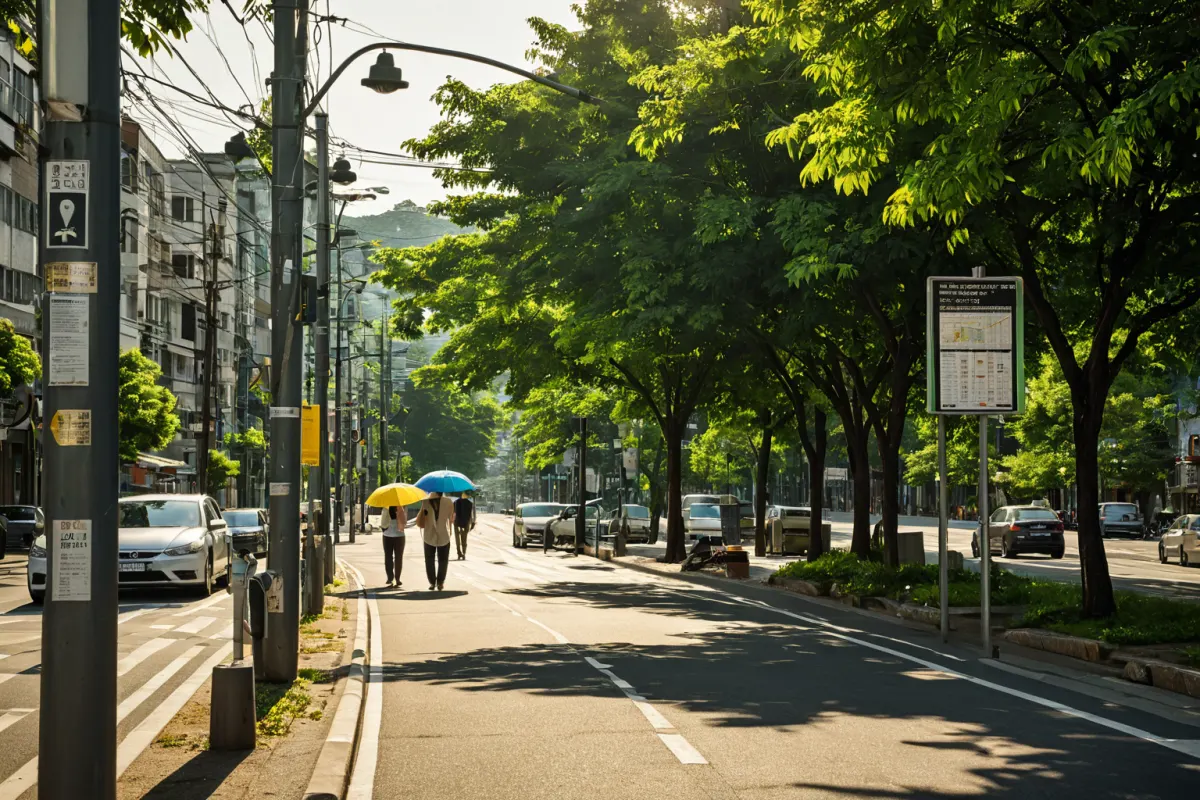
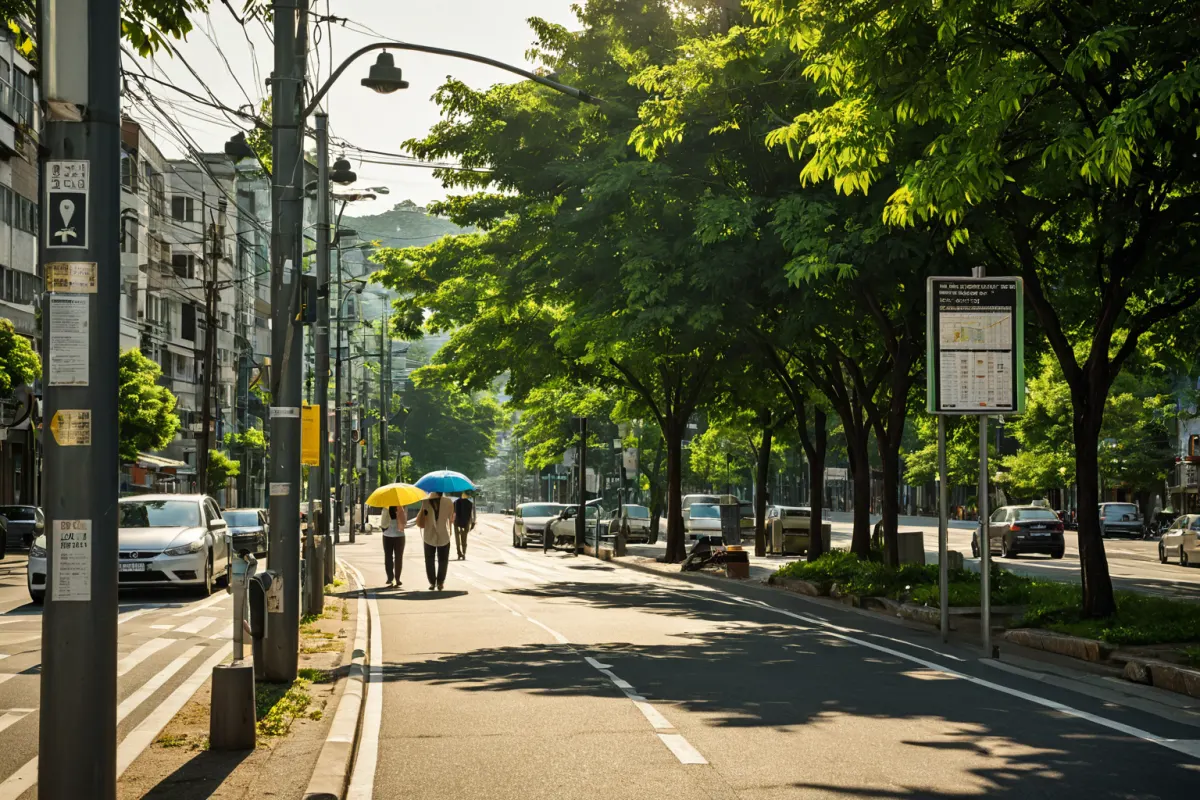
Seoul City has activated an emergency task force in response to heatstroke cases caused by extreme heat (162 cases, 2 fatalities), intensifying protection for vulnerable groups and enhancing on-site safety management. Heat risks begin in May, peaking from late June to early July. The city is strengthening preventive measures centered around seniors through its 24-hour emergency task force, while collaborating with private companies and local governments to deliver tailored health workshops and prevention campaigns.
Heatstroke Cases and High-Risk Periods
Seoul City has recorded 162 heatstroke cases (2 fatalities), confirmed through data collected by the Ministry of Health and Welfare and Seoul City working together. Heat risks start in May, with peak danger occurring from late June to early July. During these periods, minimizing outdoor activities, staying hydrated, and taking regular breaks are essential.
Seoul's Heatwave Response System
Following Mayor Han Seong-suk’s emergency directive on August 2 to address extreme heatwaves, Seoul City launched its emergency task force. On August 3, the city convened an urgent heatwave response meeting to review progress across sectors and strengthen on-site measures. The Ministry of Health and Welfare and Seoul City operate a 24-hour emergency task force focused on providing tailored support for vulnerable groups like seniors.
Seoul Central Fire Station is running a ‘2026 Heatwave Preparedness 119 Safety Camp’ at Dasan Children’s Park, offering heatstroke prevention education and first aid training to citizens. The KLPGA (Korea Ladies Professional Golf Association) and the Eastern Forest Management Office are also actively participating in heatstroke and accident prevention activities.
Gangdong District's Comprehensive Heatwave Plan
Gangdong District has established a ‘2026 Comprehensive Heatwave Plan’ to achieve zero summer heat-related damage. The plan starts in May, with intensified preventive measures from late June to early July. Collaborating with private companies, Gangdong will offer tailored health workshops and special support programs for vulnerable groups.
Heatstroke Guide for People with Developmental Disabilities
The Disease Control Center has distributed an easy-to-read heatstroke guidebook for people with developmental disabilities, featuring simple text and illustrations to ensure clear communication. The guidebook, available from August 3, is being effectively shared across various communities, including those with developmental disabilities.
Heatstroke symptoms are illustrated simply, with concise explanations of prevention and response steps. The guidebooks are available free at local health centers and welfare facilities.
Prevention and Response Strategies
Heatstroke can occur during outdoor activities in extreme heat, so extra caution is needed from late June to early July. Prioritize indoor rest, regular hydration, and avoid unnecessary outings when heatwave warnings are issued. Stay in well-ventilated areas whenever possible.
Common symptoms include headache, nausea, reduced sweating, and skin redness. If these appear, move to a cool place immediately, apply cold water to the body, and hydrate. For severe cases, call 119 (emergency services) without delay.
Prevention Campaigns and Tailored Health Workshops
Private companies and local governments are collaborating on prevention campaigns running from late June to early July. Specialized health workshops for vulnerable groups like seniors and people with developmental disabilities have been organized, using simple language and visual aids.
Citizens now have better access to heatstroke prevention information through Seoul City’s partnership with private companies, demonstrating a comprehensive approach to heatwave response.
Important Notes on Heatstroke Response
If someone experiences heatstroke, act quickly: move indoors, cool the body with cold water, hydrate, and call 119 for severe symptoms. Vulnerable groups like seniors and people with developmental disabilities require special attention from neighbors and community members during extreme heat.
Seoul City provides various resources to help citizens safely navigate heatwaves, emphasizing regular hydration and indoor activities during peak danger periods (late June to early July).
Key Information
The emergency task force for heatwave response is jointly operated by the Ministry of Health and Welfare and Seoul City on a 24-hour basis. The confirmed number of heatstroke cases is 162 (2 fatalities), based on accurate data collection.
The easy-to-read heatstroke guidebook for people with developmental disabilities, distributed by the Disease Control Center, uses illustrations and simple text. It’s available free at health centers and welfare facilities nationwide.
Frequently Asked Questions
What are common symptoms of heatstroke?
Common symptoms include headache, nausea, reduced sweating, and skin redness. If these occur, move to a cool area immediately and hydrate.
How can I help seniors during extreme heat?
Encourage seniors to minimize outdoor activities, rest indoors, and stay hydrated. Support them by coordinating with neighbors or community groups for additional assistance.
Where can people with developmental disabilities access the heatstroke guidebook?
The easy-to-read heatstroke guidebook is available free at local health centers and welfare facilities nationwide. It was distributed by the Disease Control Center starting August 3, featuring simple text and illustrations for better understanding.
Frequently Asked Questions
Seoul City has activated an emergency task force to address heatstroke cases, focusing on vulnerable groups like seniors. Heat risks peak from late June to early July, requiring extra precautions such as staying hydrated and avoiding outdoor activities during this period. The city collaborates with private companies and local governments to provide tailored prevention programs.
Through partnerships between Seoul City, private businesses, and communities, a range of initiatives support heatstroke prevention, helping citizens stay safe during extreme weather. Regular hydration and optimizing indoor activities are key for preventing heat-related illnesses during the high-risk period.
Explore more articles on similar topics in one place.
View Related ArticlesFAQ
What are common symptoms of heatstroke?
Common symptoms include headache, nausea, reduced sweating, and skin redness. If these occur, move to a cool area immediately and hydrate.
How can I help seniors during extreme heat?
Encourage seniors to minimize outdoor activities, rest indoors, and stay hydrated. Support them by coordinating with neighbors or community groups for additional assistance.
Where can people with developmental disabilities access the heatstroke guidebook?
The easy-to-read heatstroke guidebook is available free at local health centers and welfare facilities nationwide. It was distributed by the Disease Control Center starting August 3, featuring simple text and illustrations for better understanding.
Korean Source
This article is an English localization of a Korean-language report from BlogScore. Original: 서울 온열질환자 긴급 대응법: 예방과 조치 방법