
Seoul Court Rules on False Information Spread About Sewol Ferry Disaster
Cases of Spreading False Information About the Sewol Disaster
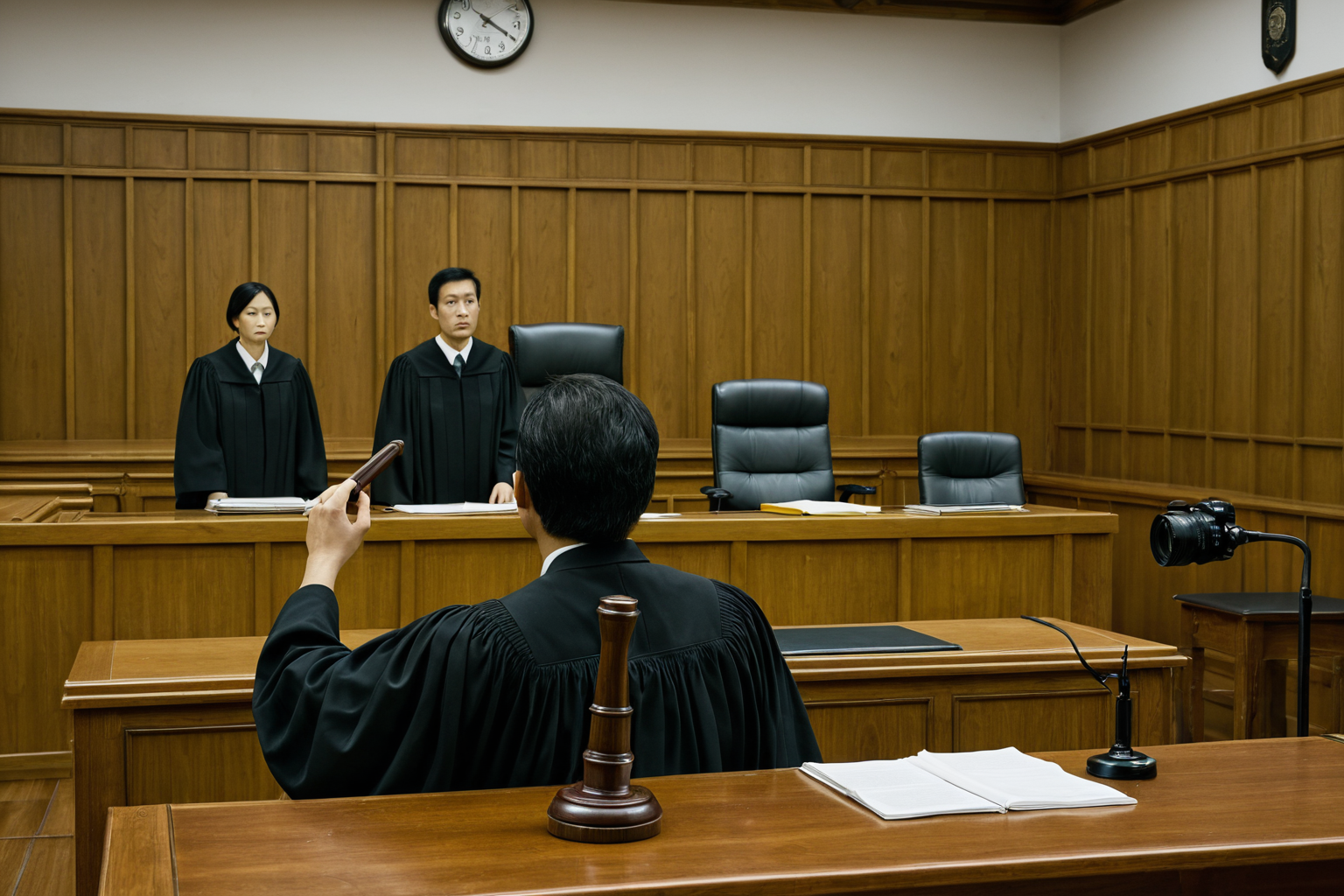
Multiple legal cases have been reported where individuals were punished for spreading false information related to the Sewol ferry disaster. A 50-year-old and a 60-year-old who posted content mocking victims' families or spreading fabricated details about the disaster received prison sentences.
According to an article in Hankyeoreh published on September 23, 2026, a 60-year-old man was arrested for posting 122 false posts over several years about the Sewol ferry disaster, Itaewon tragedy, and a passenger plane crash. This case marked the first time the 'Second Harm Crime Investigation Unit' issued a prison sentence.
As reported by JoongAng Ilbo on August 24, 2026, a 50-year-old was sentenced to one year in prison for posting false information that mistakenly targeted Sewol and Itaewon disaster victims' families. The court ruled this as an act causing additional pain to the families.
Legal Proceedings and Arrest Cases
According to a Global E report on May 27, 2026, the court issued an arrest warrant for Kim Se-ye, head of Gaseon, citing concerns over evidence destruction. This was based on fears that evidence related to false information spread could be lost.
In another case, on February 18, 2025, Cha Myeong-jin received a suspended sentence after being found guilty of libel for 'Sewol vulgar remarks.' However, in a 2018 case involving the false claim that 'the coast guard broadcasted to do nothing,' the court acquitted the defendant.
A 50-year-old was arrested and prosecuted on November 27, 2014, for spreading the false statement that 'the government committed a Sewol massacre.' This was one of the early cases related to spreading false information about the Sewol disaster.
On October 14, 2019, a rumor spread on social media claiming that Chong Kuk's brother-in-law was a Sewol ferry captain. This misinformation sparked additional controversy regarding the Sewol disaster.
Types of False Information About Sewol Disaster
False information related to the Sewol disaster primarily falls into three categories: posts mocking victims' families, fabricated facts or rumors about the disaster, and content defaming specific individuals or organizations.
A case was reported where an individual was arrested for posting false content mocking victims' family photos. This was deemed a second harm to the families and led to strict punishment.
Rumors also spread about Sewol ferry captains, including the claim that Chong Kuk's brother-in-law was involved. This misinformation was reported as misleading information regarding the disaster's truth.
Court Judgment Criteria
The courts have emphasized the emotional harm caused to victims' families when ruling on false information cases. In one case, a 50-year-old received a one-year prison sentence for spreading false information about the Sewol and Itaewon disasters, with the court stating it caused additional pain to the families.
Conversely, in the 2018 case involving the claim 'the coast guard broadcasted to do nothing,' the court acquitted the defendant. This was likely because the content did not contradict facts or lacked sufficient evidence.
The 2014 case where a 50-year-old was arrested for spreading the false statement 'the government committed a Sewol massacre' marked an early instance of strict judicial action against false information spread related to the disaster.
Response and Safety Management
To prevent the spread of false information, relevant authorities have been conducting swift investigations and imposing appropriate punishments. The 'Second Harm Crime Investigation Unit' operates as a dedicated department aimed at preventing further harm to victims' families from misinformation.
Cases involving spreading false information related to the Sewol disaster have persisted for years, with an increasing trend since the 2014 disaster. This reflects how social attention has heightened the severity of misinformation spread.
The case of Cha Myeong-jin in February 2025, who received a guilty verdict for libel but was given probation, shows that while legal penalties are strict, courts also consider specific circumstances in their rulings.
Verified Information
Cases involving false information related to the Sewol disaster have continued from 2014 to present. Key examples include spreading the false claim 'the government committed a Sewol massacre,' mocking family photos, and rumors about Sewol ferry captains.
The courts punish those spreading false information strictly, considering the pain inflicted on families. However, in some cases like the 'coast guard broadcasted to do nothing' case, defendants were acquitted.
Notable cases include a 50-year-old arrested on November 27, 2014; another 50-year-old sentenced to one year in prison on August 24, 2026; and a 60-year-old arrested on September 23, 2026.
Frequently Asked Questions
How are punishments for spreading false information related to the Sewol disaster determined?
Courts rule strictly based on emotional harm caused to victims' families. Posts mocking family photos or spreading fabricated facts about the disaster often result in prison sentences.
Was it true that Chong Kuk's brother-in-law was a Sewol ferry captain?
No, this was false information spread on social media on October 14, 2019. There was no verified connection between Chong Kuk's brother-in-law and the Sewol ferry captain.
Have there been cases where defendants were acquitted in lawsuits over false information related to the Sewol disaster?
Yes, on December 25, 2018, a defendant was acquitted in a case involving the false claim 'the coast guard broadcasted to do nothing.'
Frequently Asked Questions
Spreading false information related to the Sewol disaster is considered a second harm to victims' families and is punished strictly by courts. Notably, posts falsely targeting Sewol and Itaewon disaster victims' families have led to prison sentences.
Cases involving false information about the Sewol disaster have persisted since 2014, with an increasing trend as public attention grew. Authorities are working to reduce family pain through swift investigations and appropriate punishments.
Spreading misinformation can cause social conflict and harm, so caution is needed when sharing information online. It's important to consider victims' feelings and avoid spreading false information about disasters.
Information related to the Sewol disaster should be verified from reliable sources, and vigilance against misinformation is necessary. This helps heal both individual and societal wounds caused by such tragedies.
You can view more articles on similar topics in one place.
View Related ArticlesFAQ
How are punishments for spreading false information related to the Sewol disaster determined?
Courts rule strictly based on emotional harm caused to victims' families. Posts mocking family photos or spreading fabricated facts about the disaster often result in prison sentences.
Was it true that Chong Kuk's brother-in-law was a Sewol ferry captain?
No, this was false information spread on social media on October 14, 2019. There was no verified connection between Chong Kuk's brother-in-law and the Sewol ferry captain.
Have there been cases where defendants were acquitted in lawsuits over false information related to the Sewol disaster?
Yes, on December 25, 2018, a defendant was acquitted in a case involving the false claim 'the coast guard broadcasted to do nothing.'
Korean Source
This article is an English localization of a Korean-language report from BlogScore. Original: 세월호 허위글로 인한 구속 사례, 법원 판결 내용 정리