
Seoul Apartment Prices Surge as Market 'Temperature Gap' Widens
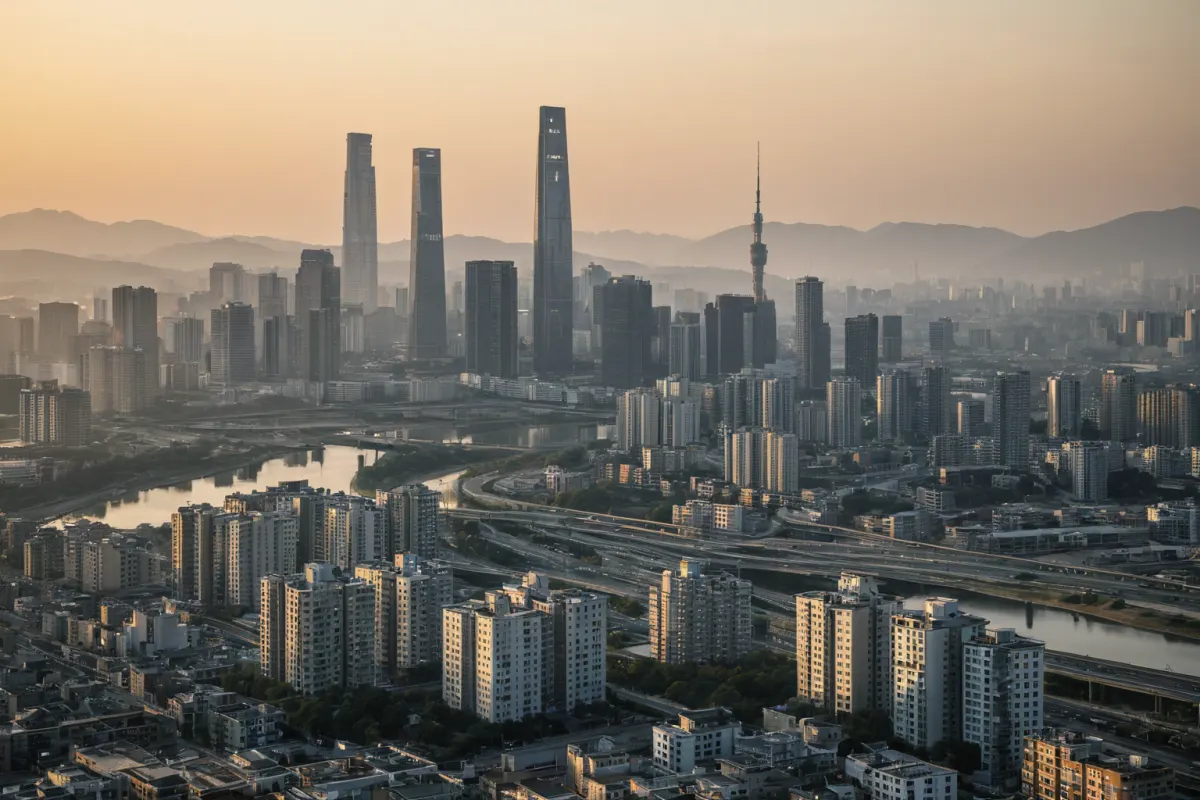
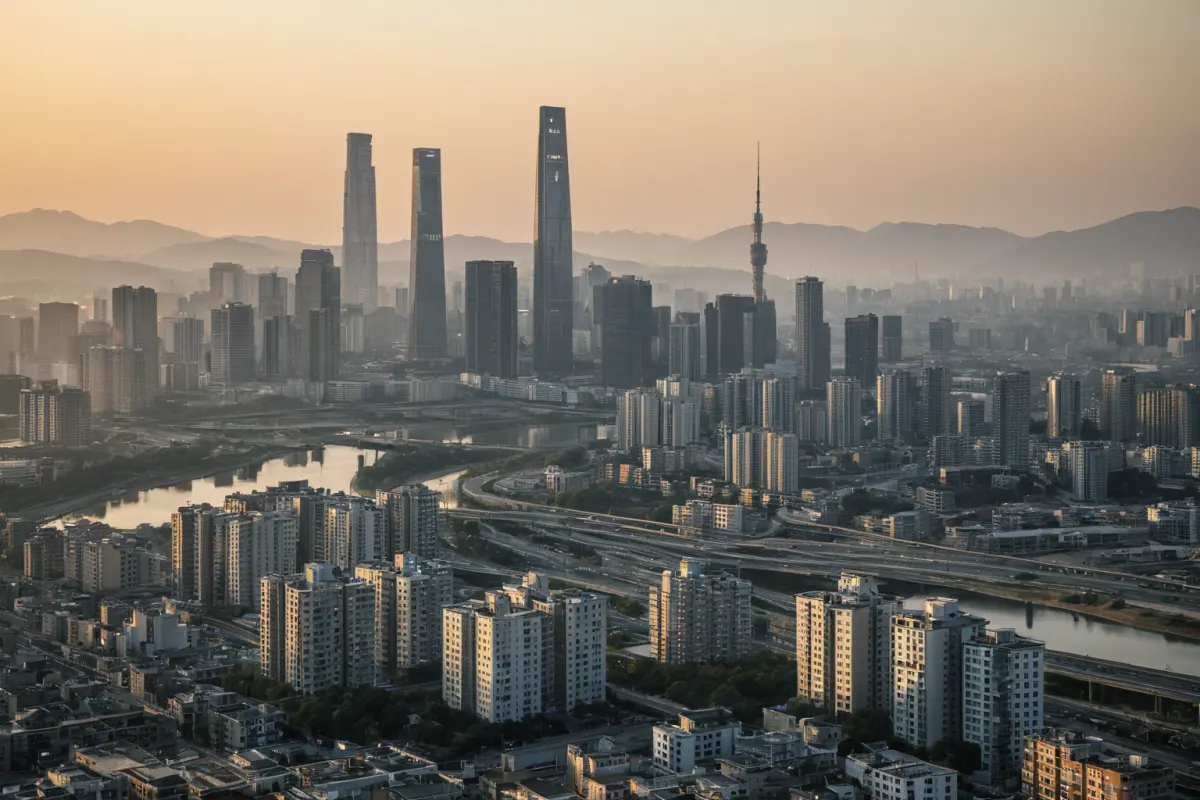
Analyzing Seoul's Public Land Price Increase of 18.7%
The capital region's apartment public prices (公示가격) have surged by 18.7% over the past three months, with Gangnam seeing a rise of up to 25%, highlighting significant regional disparities. This has led to increased property tax burdens and a 'temperature gap' in the market where listings grow but transaction volumes plummet. The Seoul public price increase rate is based on data from the Ministry of Land, Infrastructure and Transport published in March 2026, with multiple cases reported of individual apartment complexes in Gangnam rising over 25%.
Seoul Apartment Average Sale Price Rises 1.2 Billion KRW Over 8 Months
The average sale price for apartments in Seoul has increased by 1.2 billion won (approximately $900,000) over eight months, while housing prices in Sejong City have continued to rise for over ten weeks. This data combines statistics from the Ministry of Land, Infrastructure and Transport and real estate information companies, showing an increase of 1.2 billion won from September 2025 to March 2026. The price surge in Sejong is attributed to increased housing demand and government urban development policies. However, while Gangnam and Han River Belt areas show a slowdown, outer districts continue to see rising prices, with Incheon experiencing a 0.1% decline in public prices.
Increased Property Tax Burden and Market 'Temperature Gap'
Property taxes for Seoul apartments have risen by up to 50%, increasing the burden on owners. The Ministry of Land announced plans to adjust property taxes based on rising public prices, with properties valued over 9 billion won expected to see tax increases exceeding 20%. The sales supply index in Gangnam's three districts reached its lowest point in 21 weeks, reflecting tightened lending regulations and higher property tax burdens. Rent prices have risen for 18 consecutive months, nearing all-time highs, while actual transaction volumes decline, deepening the 'temperature gap'.
Price Fluctuations and Regional Disparities in Seoul Apartments
Seoul apartment prices rose by 1.3% in May, with rent prices up 1% as well. Gangnam's three districts saw their sales supply index drop to a 21-week low, while price increases slowed in the Yongsan and Dongjak Han River Belt areas. In contrast, Incheon experienced a 0.1% decline in public prices, while Dongtan saw housing prices surge due to the GTX line and semiconductor industry growth, with some areas rising 6% over four weeks.
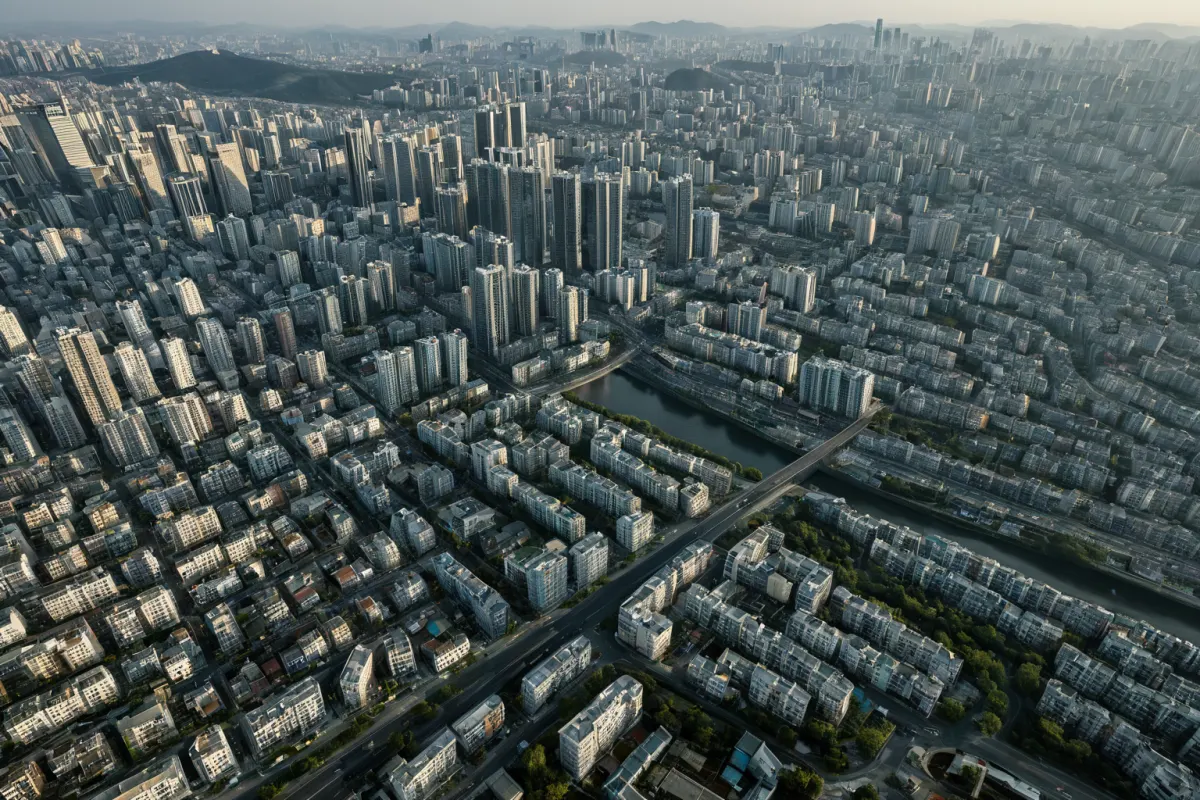
Public Price Increases and Property Tax Burden
Property taxes for apartments valued at over 9 billion won are expected to rise by more than 20%. This is according to the Ministry of Land's announcement, indicating higher tax burdens for high-value properties. The combination of rising average sale prices and increased property taxes has deepened the market 'temperature gap'. Despite lending regulations, Gangnam continues to see sustained price increases due to residential preference and concentrated demand.
Gangnam 3 Districts' Sales Supply Index Drops
The sales supply index in Seoul's Gangnam three districts hit its lowest point in 21 weeks, signaling market slowdown. This is attributed to tighter lending regulations and increased property tax burdens. While apartment prices rose by 1.3% in May, transaction volumes are decreasing, highlighting growing market instability. Although prices continue to rise in Gangnam despite regulations, the drop in sales supply index is a key indicator for future market trends.
Rent Price Surge vs. Declining Sales Market
Seoul rent prices have risen for 18 consecutive months, nearing all-time highs. However, declining transaction volumes in the sales market are deepening the 'temperature gap'. This is driven by increased property taxes and lending regulations, making it an important indicator for future market trends. In particular, the Han River Belt areas of Yongsan and Dongjak have seen a slowdown in price increases, likely due to changing residential preferences and government real estate policies.
Analysis of Capital Region Apartment Public Price Fluctuations
Capital region apartment public prices (公示가격) rose 18.7% over the past three months, with Gangnam up 25%, highlighting clear regional disparities. This has led to increased property tax burdens and a 'temperature gap' where listings grow but transactions drop sharply. The average sale price in Seoul has risen by 1.2 billion won over eight months, while Sejong City housing prices have been rising for over ten weeks. Gangnam continues to see sustained price increases despite lending regulations due to residential preference and concentrated demand.
Difference Between Gangnam/Han River Belt Areas and Outlying Districts
The upward trend in Gangnam and Han River Belt areas has slowed, while outer districts continue to see rising prices. Incheon saw a 0.1% decline in public prices, highlighting regional differences. Dongtan experienced price surges due to the GTX line and semiconductor industry growth, with some areas seeing 6% increases over four weeks. The Yongsan and Dongjak Han River Belt areas have seen significant price fluctuations due to government urban development plans and changing residential preferences.
Future Outlook for Seoul Apartment Market
The Seoul apartment market is deepening its 'temperature gap' due to increased property taxes and lending regulations. The 21-week low in Gangnam's sales supply index serves as a key indicator for future market trends. While prices rose by 1.3% in May, declining transaction volumes indicate growing market instability. To predict future changes, monitoring public price fluctuations and property tax burdens is essential, particularly the differences between Gangnam and outer districts.
Key Information to Verify
Important figures include Seoul's public price increase rate (18.7%), Gangnam apartment public price increase rate (25%), Seoul average sale price increase over eight months (1.2 billion won), Sejong City housing price rise duration (over ten weeks), and maximum property tax increase (up to 50%). Regional differences such as Incheon's 0.1% public price decline, the slowdown in Gangnam/Han River Belt areas, continued outer district growth, and Dongtan's surge due to GTX-C line opening and semiconductor company investments are also critical.
FAQ
What is Seoul apartment public price increase rate? Public prices have risen 18.7% over the past three months, with Gangnam up 25%.
Why are property tax burdens increasing? Rising public prices have led to property taxes increasing by up to 50%, with properties over 9 billion won expected to see increases exceeding 20%.
Why has the sales supply index in Gangnam three districts fallen? Due to tightened lending regulations and increased property tax burdens, the market is showing signs of slowdown. The index reached its lowest point in 21 weeks.
Frequently Asked Questions
The surge in Seoul apartment public prices, regional disparities, and increasing property tax burdens have created a market 'temperature gap' where listings grow but transactions decline. The 21-week low in Gangnam's sales supply index is an important indicator for future market trends. Monitoring public price fluctuations and property tax burdens remains crucial as the market evolves.
You can view similar articles on this topic in one place.
View Related ArticlesFAQ
What is Seoul apartment public price increase rate?
Public prices have risen 18.7% over the past three months, with Gangnam up 25%.
Why are property tax burdens increasing?
Rising public prices have led to property taxes increasing by up to 50%, with properties over 9 billion won expected to see increases exceeding 20%.
Why has the sales supply index in Gangnam three districts fallen?
Due to tightened lending regulations and increased property tax burdens, the market is showing signs of slowdown. The index reached its lowest point in 21 weeks.
Korean Source
This article is an English localization of a Korean-language report from BlogScore. Original: 수도권 아파트 신고가, 최근 3개월 변동률로 보는 시장 흐름