
Seoul Apartment Prices Rise for 85th Consecutive Week, Key Checklist Before Buying
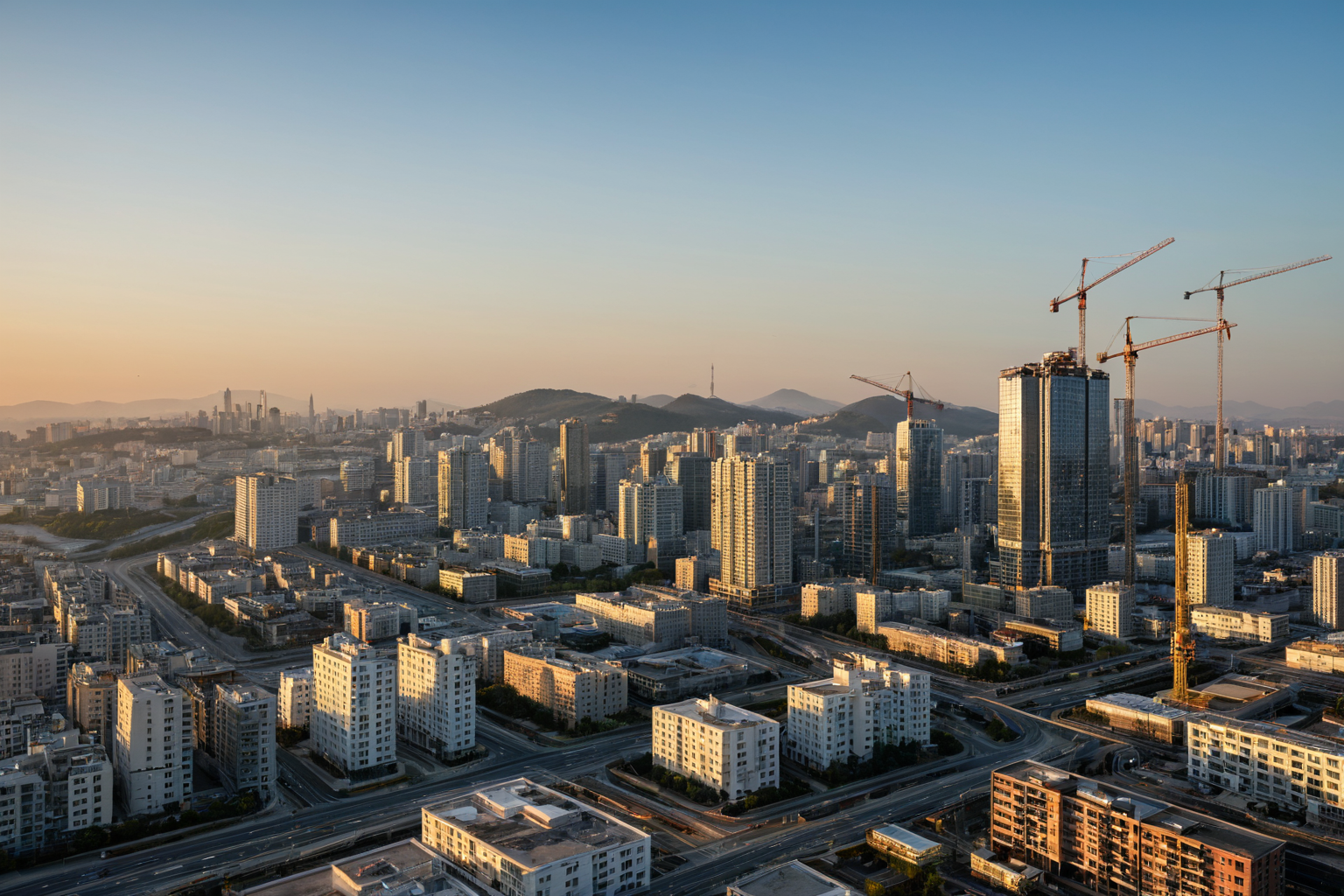
Seoul Apartment Prices Rise for 85th Consecutive Week Amid Government Regulation vs Market Sentiment Clash
Seoul apartment prices have shown an 85-week consecutive rise, with Gangnam district seeing a notable decline. This trend is driven by gap investment, with young adults in their 30s emerging as key buyers. Supply shortages are deepening Seoul's real estate polarization, intensifying the conflict between government regulations and market responses.
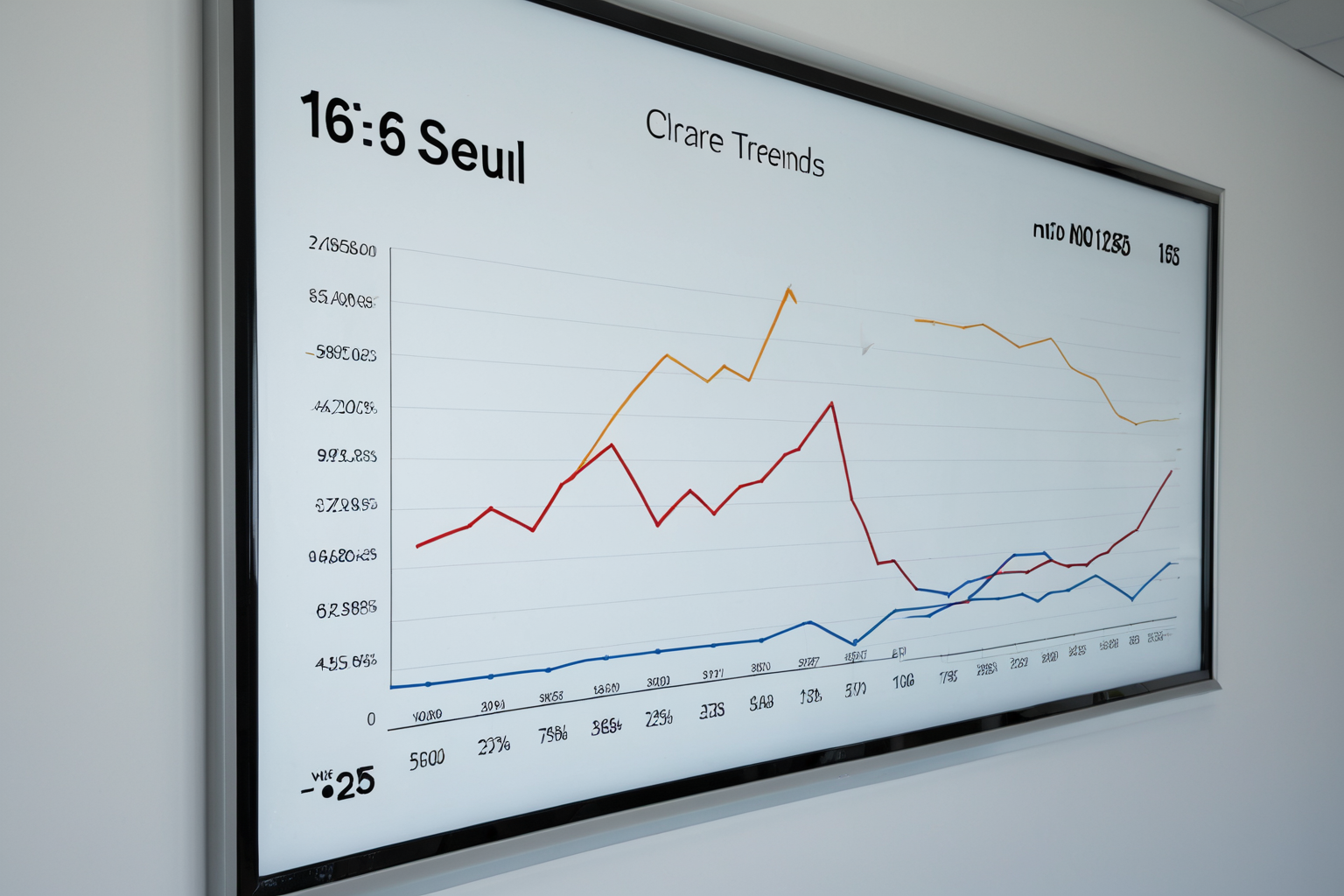
85 Weeks vs. 86 Weeks: Reporting Differences and Political Debate
Reports on the number of consecutive weeks of rising Seoul apartment prices differ between 85 and 86 weeks. Mayor Oh Se-hoon claims it's been 86 consecutive weeks, stating that during the Moon Jae-in administration, it surpassed 85 weeks. However, some media outlets report '85 weeks,' sparking political disputes.
On September 13, 2026, Mayor Oh Se-hoon stated that Seoul apartment prices have risen for the 86th consecutive week, attributing this to a blind belief in owner-occupancy and tax-centric policies. MP Park Jin-min countered by asking, 'Who was Seoul Mayor during those 86 weeks?' sparking further political debate.
Main Causes of Rising Seoul Apartment Prices: Supply Shortages and Gap Investment
The core causes behind rising Seoul apartment prices are supply shortages and increased gap investment. In 2026, new apartment supply arrivals decreased by 41.7%, intensifying competition in housing lotteries. This is linked to reduced productivity at construction sites due to material shortages.
On May 10, 2026, a policy increasing capital gains tax for multiple property owners was implemented, reducing available properties and increasing price pressure. The government continues its owner-occupancy-focused regulations while raising tax burdens on multi-homeowners.
Reports on September 3, 2026, suggested that after a correction in Gangnam prices, further increases may occur next year, with analysis indicating deepening polarization due to supply shortages. This reflects the difficulty in balancing government regulation and market demand.
Government Response and Market Reaction
The government has strengthened real estate regulations while maintaining owner-occupancy-focused policies. On April 20, 2026, construction material supply index dropped to the low 60s, raising concerns about supply disruptions. This has led to reduced new apartment arrivals, intensifying housing lottery competition.
Following the May 10, 2026 implementation of higher capital gains tax for multiple property owners, the market reacted to the government's regulatory tightening. Some in real estate industry warned that reduced supply due to regulation could further increase price pressure.
Reports on June 8, 2026, highlighted continued apartment price increases and intensified government regulations, adding to market uncertainty. Real estate experts are concerned about deepening polarization due to supply shortages and increasing demand.
Possible Policy Changes and Response Strategies
The government maintains owner-occupancy-focused regulations while increasing tax burdens on multi-homeowners, leading to reduced property supply and increased price pressure. A checklist for preventing rental scams was proposed but specific details were not reported.
On September 14, 2026, Mayor Oh Se-hoon called for a comprehensive review of real estate policies, urging the abandonment of 'blind belief in owner-occupancy' and 'tax-centric approaches.' This is seen as criticism of current government regulations, with potential policy direction changes expected.
Seoul apartment prices have accumulated an 17% increase, connecting to Mayor Oh Se-hoon's claim of '86 consecutive weeks of rise,' though some reports mention '85 weeks,' continuing the debate over exact numbers. The government and political circles are divided on this issue, with expected policy shifts ahead.
Information to Verify
The specific price increase rate for Seoul's 85 consecutive weeks of rising apartment prices was not reported. Additionally, details about the 'five-point checklist' buyers should consider before purchasing were not provided, leaving these as key information for readers to verify.
The 41.7% decrease in new apartment supply arrivals in 2026 was reported as specific data but requires further analysis. It is also necessary to continuously monitor related policies and market trends to better understand the relationship between government regulations and market reactions.
Frequently Asked Questions
Are Seoul apartment prices rising for 85 or 86 weeks?
Reports on the number of consecutive weeks of rising Seoul apartment prices differ between 85 and 86 weeks. Mayor Oh Se-hoon claims it's been 86 consecutive weeks, stating that during the Moon Jae-in administration, it surpassed 85 weeks, while some media outlets report '85 weeks.'
What are the main causes of rising Seoul apartment prices?
The primary factors behind rising Seoul apartment prices are supply shortages and increased gap investment. In 2026, new apartment supply arrivals decreased by 41.7%, intensifying housing lottery competition, while higher capital gains tax for multiple property owners reduced available properties.
What regulations has the government implemented?
The government maintains owner-occupancy-focused real estate regulations and has implemented increased capital gains tax for multi-homeowners. This has reduced property supply and intensified price pressure.
Seoul apartment prices have risen for 85 consecutive weeks amid supply shortages and gap investment trends, with Gangnam district showing a notable decline. This trend is driven by gap investment, with young adults in their 30s emerging as key buyers. Supply shortages are deepening Seoul's real estate polarization, intensifying the conflict between government regulations and market responses.
The government maintains owner-occupancy-focused regulations while increasing tax burdens on multi-homeowners, leading to reduced property supply and increased price pressure. Some in the real estate industry warn that regulation-driven supply reduction could further increase price pressures.
Seoul apartment prices have accumulated an 17% increase, connecting to Mayor Oh Se-hoon's claim of '86 consecutive weeks of rise,' though some reports mention '85 weeks,' continuing the debate over exact numbers. The government and political circles are divided on this issue, with expected policy shifts ahead.
The 41.7% decrease in new apartment supply arrivals in 2026 was reported as specific data but requires further analysis. Additionally, details about the 'five-point checklist' for buyers were not provided, leaving these as key information for readers to verify.
You can view more articles on similar topics at once.
View Related ArticlesFAQ
Are Seoul apartment prices rising for 85 or 86 weeks?
Reports on the number of consecutive weeks of rising Seoul apartment prices differ between 85 and 86 weeks. Mayor Oh Se-hoon claims it's been 86 consecutive weeks, while some media outlets report '85 weeks.'
What are the main causes of rising Seoul apartment prices?
The primary factors behind rising Seoul apartment prices are supply shortages and increased gap investment. In 2026, new apartment supply arrivals decreased by 41.7%, intensifying housing lottery competition.
What regulations has the government implemented?
The government maintains owner-occupancy-focused real estate regulations and has implemented increased capital gains tax for multi-homeowners. This has reduced property supply and intensified price pressure.
Korean Source
This article is an English localization of a Korean-language report from BlogScore. Original: 서울 아파트값 85주 연속 상승, 구매 전 반드시 확인해야 할 5가지 체크리스트