
Seoul Apartment Prices Rise for 85 Consecutive Weeks: Is Now the Right Time to Buy?
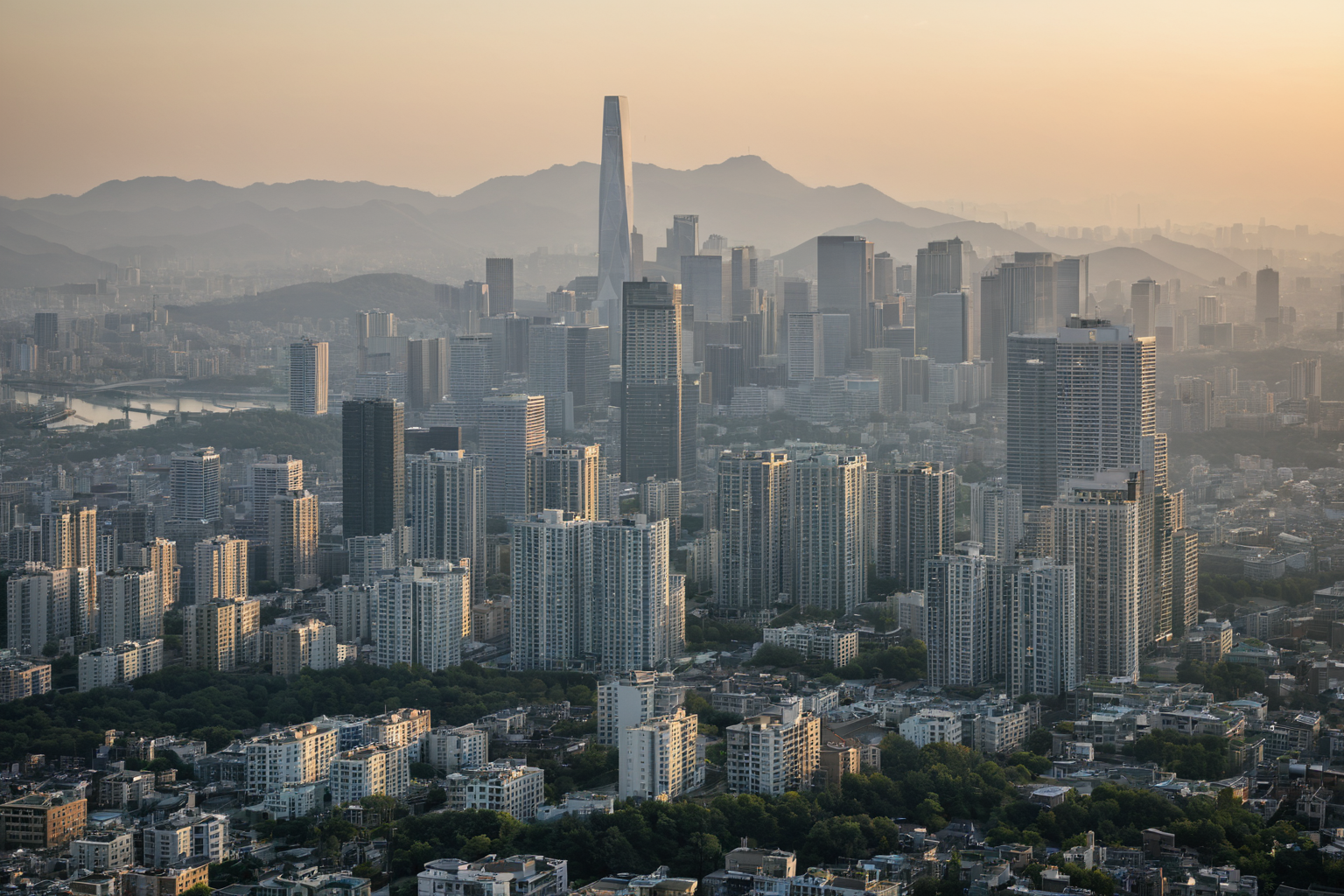
Seoul Apartment Prices: 85 Weeks of Continuous Rise
Seoul apartment prices have continued an 85-week upward trend, setting a new historical record. While Gangnam's three districts are experiencing price declines, demand is concentrated in lower-cost areas, with both rental and lease prices rising simultaneously, increasing the burden on residents.
Historical Record and Regional Disparities
Seoul apartment transaction prices have risen for 85 consecutive weeks, matching the longest period during the Moon Jae-in administration. While Gangnam's three districts are showing price declines, non-Gangnam areas are seeing rapid price increases, widening regional disparities. As of September 2026, Seoul's overall apartment prices have accumulated a 17.5% increase.
A notable trend in the Seoul apartment market is that despite Gangnam's weakness, buying interest remains strong in non-Gangnam areas. In particular, certain parts of Seoul outside Gangnam are experiencing sharp price surges, likely related to shifts in demand from lower-cost housing segments.
The 'Triple High' Phenomenon and Government Response
The ongoing 'triple high' phenomenon—simultaneous rises in rental, lease, and transaction prices—is worsening residents' housing burdens. Reports suggest that to keep up with rising Seoul apartment rents, households would need to save approximately 3.45 million won monthly.
The government has recently introduced policies aimed at increasing supply to curb the price surge. However, despite interest rates at 3% and lending regulations, apartment prices continue to rise, suggesting that demand growth—not insufficient supply—is driving the trend.
Shift in Demand and Regional Changes
Demand is increasingly shifting toward lower-cost areas within Seoul's apartment market. While average transaction amounts are declining, prices are rising in these lower-cost zones. A growing trend of homeownership among younger generations in their 20s and 30s is also influencing the market.
The Seoul real estate market is not experiencing a flattening but rather 'plateauing,' with regional disparities widening. Rather than supply shortages, concentrated demand shifts and expanding regional gaps are seen as key drivers. The price gap between Gangnam's three districts and non-Gangnam areas continues to widen, reflecting structural changes in the housing market.
Government Policy and Market Reaction
The government's response to rising apartment prices has focused on increasing supply. However, the market remains influenced by growing demand and expanding regional disparities. Despite interest rates at 3% and lending restrictions, price increases persist, suggesting that policy effectiveness may be limited.
A key change in the Seoul real estate market is the sustained buying interest in non-Gangnam areas, which helps maintain overall apartment prices despite declines in Gangnam's three districts. While the government is working to stabilize the market through supply expansion policies, rapid shifts in demand have made expectations for policy effectiveness relatively modest.
Resident Burden and Rental Market Conditions
The most pressing issue in Seoul's apartment market is the increased housing burden on residents. Reports indicate that households would need to save about 3.45 million won monthly just to keep up with rising rental prices, highlighting serious challenges in the rental market.
The 'triple high' phenomenon—simultaneous rises in rent, lease, and transaction prices—is further increasing housing burdens. In particular, growing demand for rentals in lower-cost areas is heightening market instability. While the government is considering measures to address this, no concrete plans have been announced yet.
Future Outlook and Key Information to Monitor
The future direction of Seoul's apartment market will be shaped by widening regional disparities and shifts in demand. The growing trend of homeownership among younger generations in their 20s and 30s is also expected to play a significant role. However, current analysis suggests that government policies and supply expansion efforts may have limited effectiveness in stabilizing the market.
Key information to monitor includes: First, specific data on the growing homeownership trend among young people in their 20s and 30s; second, the actual impact of government supply expansion policies; third, predictions for market changes if regional disparities continue. These factors will be critical in determining Seoul's housing market direction.
FAQ Answers
What does an 85-week consecutive rise in Seoul apartment prices mean?
Seoul apartment prices have risen for 85 consecutive weeks, setting a new historical record. This matches the longest period of continuous price increases during the Moon Jae-in administration. Despite declines in Gangnam's three districts, overall apartment prices continue to rise.
Is rising Seoul apartment rent increasing burdens on residents?
Yes, rising rental prices are increasing housing burdens for residents. Reports indicate that households would need to save approximately 3.45 million won monthly just to keep up with rising rents.
What policies is the government implementing to stabilize the Seoul apartment market?
The government is working to curb price surges through supply expansion policies. However, despite interest rates at 3% and lending regulations, prices continue to rise, suggesting that policy effectiveness may be limited.
Frequently Asked Questions
Seoul's apartment market has seen an 85-week consecutive price increase, setting a historical record. Regional disparities are widening as demand shifts toward lower-cost areas, altering market structure. The 'triple high' phenomenon—simultaneous rises in rent, lease, and transaction prices—is worsening housing burdens for residents. While the government is focusing on supply expansion to stabilize the market, rapid demand changes mean policy effectiveness remains limited.
The future direction of Seoul's apartment market will be influenced by expanding regional disparities and rising homeownership among younger generations in their 20s and 30s. Monitoring specific data on these trends and evaluating government policy impacts are essential for understanding the market, while urgent measures to alleviate housing burdens for residents are needed.
You can view similar articles in one place.
View Related ArticlesFAQ
What does an 85-week consecutive rise in Seoul apartment prices mean?
Seoul apartment prices have risen for 85 consecutive weeks, setting a new historical record. This matches the longest period of continuous price increases during the Moon Jae-in administration. Despite declines in Gangnam's three districts, overall apartment prices continue to rise.
Is rising Seoul apartment rent increasing burdens on residents?
Yes, rising rental prices are increasing housing burdens for residents. Reports indicate that households would need to save approximately 3.45 million won monthly just to keep up with rising rents.
What policies is the government implementing to stabilize the Seoul apartment market?
The government is working to curb price surges through supply expansion policies. However, despite interest rates at 3% and lending regulations, prices continue to rise, suggesting that policy effectiveness may be limited.
Korean Source
This article is an English localization of a Korean-language report from BlogScore. Original: 서울 아파트값 85주 연속 상승, 지금 사야 할 시기인가요?