
Seoul Apartment Prices Rise for 85 Consecutive Weeks: How to Respond?
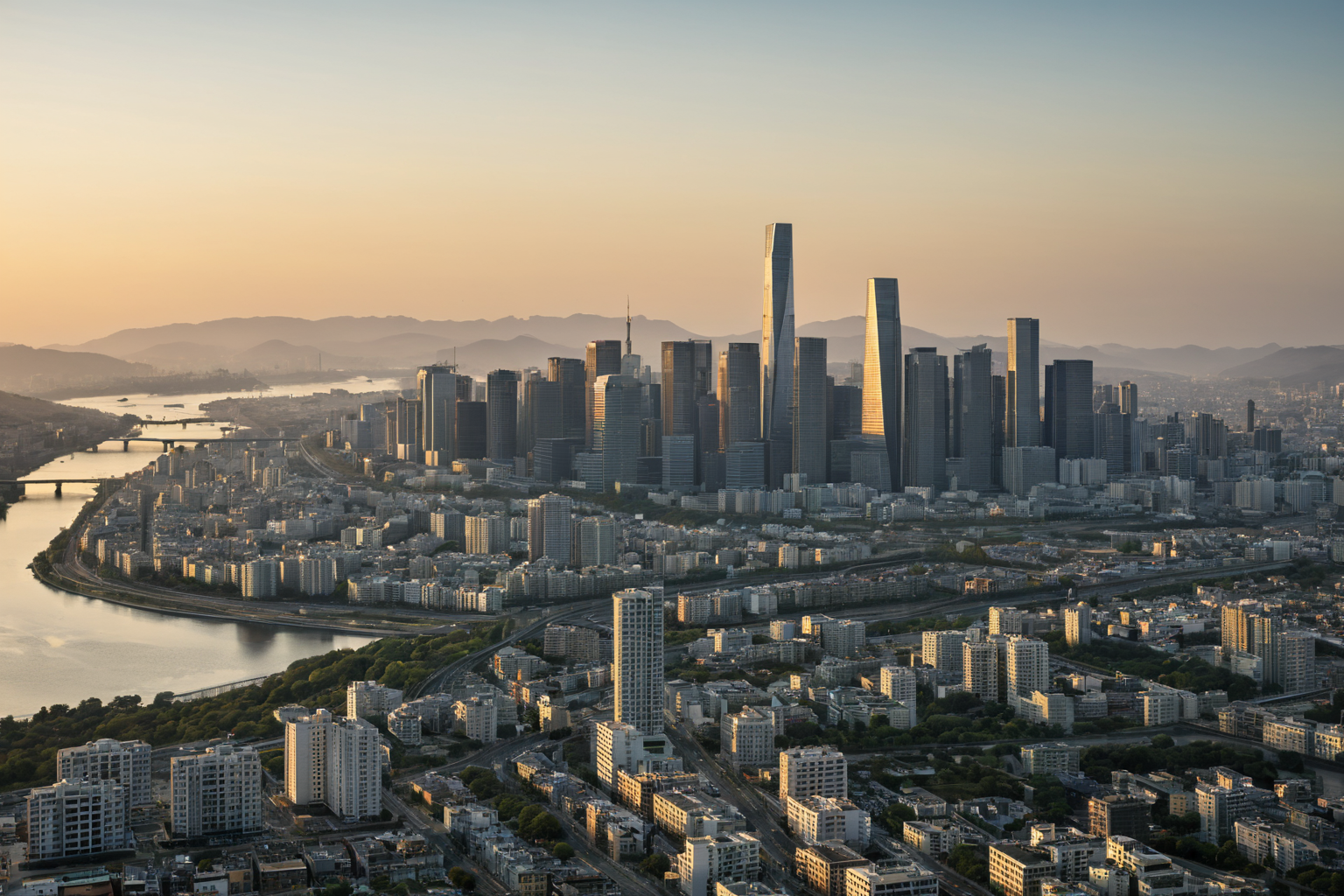
Seoul Apartment Prices Rise for 85 Consecutive Weeks
Seoul's apartment prices have risen for 85 consecutive weeks, setting a new record. This matches the previous record set during the Moon Jae-in administration, with recent trends showing a slowdown in price increases over the last four weeks and a decline in Gangnam District.
While Gangnam District experiences declining prices, outer areas are seeing sustained price growth due to 'survival buying,' where buyers closely monitor price fluctuations before purchasing. The upward trend is spreading from Gangnam to the Han River Belt area and then to outer regions, with a focus on practical housing needs.
The government has announced a real estate policy guideline including increased holding taxes and a rent approval system, but critics argue it fails to reflect actual market changes. Experts predict apartment and rental prices will continue rising after Chuseok (Korean Mid-Autumn Festival).
Seoul's 85-week consecutive price increase results from a complex interplay of government policies and market trends, showing simultaneous declines in Gangnam District and growth in outer areas.
The government's 'Dakgong' policy monitors weekly price changes but faces criticism for not accurately reflecting market realities. As a result, experts predict rental prices will continue rising after Chuseok.
Gangnam District Decline and Outer Area Growth
The 85-week consecutive price increase shows contrasting patterns between Gangnam District (declining) and outer areas (rising). Over the last four weeks, overall price increases have slowed, with a decline confirmed in Gangnam.
In outer areas, 'survival buying' is prominent, where practical buyers monitor price changes before making purchases. The upward trend is spreading from Gangnam to the Han River Belt and then to outer regions.
The government emphasizes its 'Dakgong' policy, monitoring weekly price changes, but some argue it fails to accurately assess market conditions. Demand for apartments under 85 square meters is concentrated in Seoul, with buying trends expanding toward Incheon and Guri.
Experts predict apartment and rental prices will continue rising after Chuseok. A news article reported that all 50 experts surveyed predicted further increases in Seoul rental prices, reflecting the interplay between government policy direction and market trends.
Government Policy and Market Response
The government has announced a real estate policy guideline including increased holding taxes and a rent approval system. However, critics argue it fails to reflect actual market changes.
A financial target for young people's housing was also introduced, but some reports highlight issues like sudden contract changes by tenants, indicating the policy does not adequately address market realities.
Interest rate impacts may appear with a delay, and government stimulus could potentially lead to lower prices. However, currently, Seoul apartment prices continue their 85-week upward trend.
Expert Predictions and Market Surveys
Experts predict apartment and rental prices will continue rising after Chuseok. A news article reported that all 50 experts surveyed predicted further increases in Seoul rental prices, reflecting the interplay between government policy direction and market trends.
The government's 'Dakgong' policy monitors weekly price changes but faces criticism for not accurately reflecting market realities. As a result, experts predict rental prices will continue rising after Chuseok.
Seoul's 85-week consecutive price increase results from a complex interplay of government policies and market trends, showing simultaneous declines in Gangnam District and growth in outer areas. This trend is sparking debate over market stabilization.
Youth Housing Challenges
A financial target for young people's housing was introduced. However, critics argue the policy fails to reflect actual market changes, making it difficult for youth to resolve housing issues.
Demand for apartments under 85 square meters is concentrated in Seoul, with buying trends expanding toward Incheon and Guri. This indicates a practical 'matching' trend centered on real housing needs.
Market Surveys and Expert Opinions
Seoul's apartment price increase over 85 consecutive weeks has sparked debate over market stabilization. The government emphasizes its 'Dakgong' policy, monitoring weekly price changes, but some argue it fails to accurately assess market conditions.
Experts predict apartment and rental prices will continue rising after Chuseok. A news article reported that all 50 experts surveyed predicted further increases in Seoul rental prices, reflecting the interplay between government policy direction and market trends.
Key Information
Seoul's apartment prices have risen for 85 consecutive weeks, setting a new record. This surpasses the previous record set during the Moon Jae-in administration, with recent trends showing a slowdown in price increases over the last four weeks and a decline in Gangnam District.
The government's 'Dakgong' policy monitors weekly price changes but faces criticism for not accurately reflecting market realities. Experts predict rental prices will continue rising after Chuseok.
Seoul's 85-week consecutive price increase has set a new record, with recent trends showing a slowdown in the last four weeks and declining prices in Gangnam District. However, outer areas are experiencing sustained growth due to 'survival buying,' where buyers closely monitor prices before purchasing.
Frequently Asked Questions
What does Seoul's 85-week consecutive apartment price increase signify?
Seoul apartment prices have risen for 85 consecutive weeks, setting a new record. This matches the previous record set during the Moon Jae-in administration, with recent trends showing a slowdown in price increases over the last four weeks and a decline in Gangnam District.
How do price changes differ between Gangnam District and outer areas?
Gangnam District is experiencing declining prices, while outer areas show sustained upward trends due to 'survival buying.' The trend is spreading from Gangnam to the Han River Belt area and then to outer regions, with a focus on practical housing needs.
What policies has the government announced?
The government has announced a real estate policy guideline including increased holding taxes and a rent approval system. However, critics argue it fails to reflect actual market changes.
Frequently Asked Questions
Seoul's apartment prices have risen for 85 consecutive weeks, setting a new record that surpasses the previous record set during the Moon Jae-in administration. Recent trends show a slowdown in price increases over the last four weeks and a decline in Gangnam District.
The government's 'Dakgong' policy monitors weekly price changes but faces criticism for not accurately reflecting market realities. Experts predict rental prices will continue rising after Chuseok.
Seoul's apartment prices have risen for 85 consecutive weeks, setting a new record. Recent trends show a slowdown in the last four weeks and declining prices in Gangnam District, while outer areas are experiencing sustained growth due to 'survival buying,' where buyers closely monitor prices before purchasing. This trend is sparking debate over market stabilization.
You can view similar articles on this topic in one place.
View Related ArticlesFAQ
What does Seoul's 85-week apartment price increase signify?
Seoul apartment prices have risen for 85 consecutive weeks, setting a new record that matches the previous record set during the Moon Jae-in administration. Recent trends show a slowdown in price increases over the last four weeks and a decline in Gangnam District.
How do price changes differ between Gangnam District and outer areas?
Gangnam District is experiencing declining prices, while outer areas show sustained upward trends due to 'survival buying.' The trend is spreading from Gangnam to the Han River Belt area and then to outer regions.
What policies has the government announced?
The government has announced a real estate policy guideline including increased holding taxes and a rent approval system. However, critics argue it fails to reflect actual market changes.
Korean Source
This article is an English localization of a Korean-language report from BlogScore. Original: 서울 아파트값 85주 연속 상승, 이제는 어떻게 대응해야 할까?