
Seoul Apartment Price Trends and Future Outlook in the Capital Region
Seoul Apartment Transaction Price Increase
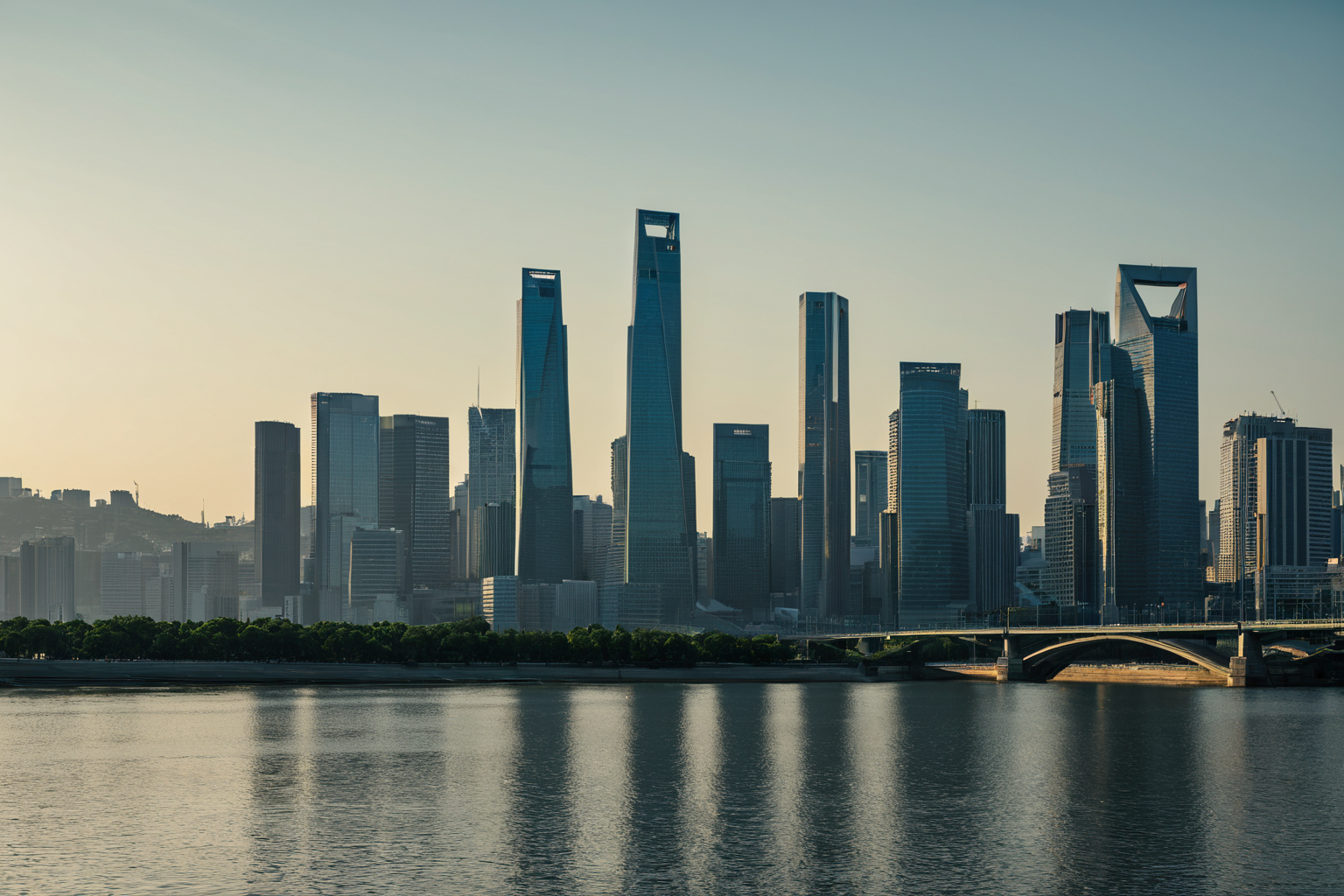
Seoul apartment transaction prices rose by 2.50% in June, marking the highest increase in five years. This trend has been a key factor in the recent three-month fluctuation of new transaction prices for apartments in the Capital Region, particularly with rising prices in northern areas despite declines in Gangnam and Han River belt areas. Analysts attribute this June price surge to a combination of increased external demand and insufficient new supply. In Seoul, reduced new apartment offerings outside Gangnam have intensified the imbalance between demand and supply.
Proportion of New Transaction Prices for 150-200 Million Won Apartments in Capital Region
Over half of apartments priced between 150-200 million won in the Capital Region are being transacted at new transaction prices. This reflects an expanding trend of new transaction prices even to outer areas of Seoul, with this phenomenon becoming more pronounced as of July. The proportion of new transaction prices for apartments in this price range has been recorded at 52% over the past three months, representing an 8 percentage point increase compared to the same period last year. In particular, districts like Gangseo and Songpa have seen this ratio exceed 60%, highlighting growing regional disparities.
Gangnam-Han River Belt vs Northern Areas Price Trends
While prices in Gangnam and Han River belt areas are declining, northern regions continue to see rising prices. This trend is attributed to changes in economic structures and housing demand across different districts. In Gangnam, increased demolition costs for redevelopment projects and higher property taxes have increased holding burdens, prompting some sellers to lower their asking prices. Meanwhile, northern areas face insufficient new supply and sustained rental demand, driving price increases. For instance, Dobong and Nowon districts recorded an average monthly increase of 1.8% over the past three months, further widening regional disparities in Seoul's apartment market.
Property Tax Reform and Rising Demand for Residential Offices
Rising demand for residential offices with lower property taxes following tax reform is emerging as a key factor influencing future market trends. This trend, combined with potential regulatory easing, may shape the market outlook. Since the announcement of the revised property tax policy, high-value homeowners (over 150 million won) have increasingly shifted their interest to residential offices. In districts like Gangdong and Songpa, residential office transactions increased by 20% over the past three months, reflecting reduced holding burdens due to property taxes. Additionally, as new supply increases with rising prices for residential offices, demand is expected to continue.
Decline in Seoul Apartment TOH Application
Applications for TOH (Transaction Overhead) for Seoul apartments have been declining for three consecutive months, with a 22% drop reported in Gangnam districts and Yongsan. This trend is likely due to expectations of regulatory easing or shifts in housing demand. The decline has persisted over the past three months, with Gangnam areas experiencing monthly decreases exceeding 10% from June to August. Experts suggest that heightened expectations regarding potential regulatory easing have led many to delay TOH applications.
Rapid Increase in Redevelopment Costs and Rising Villa Prices
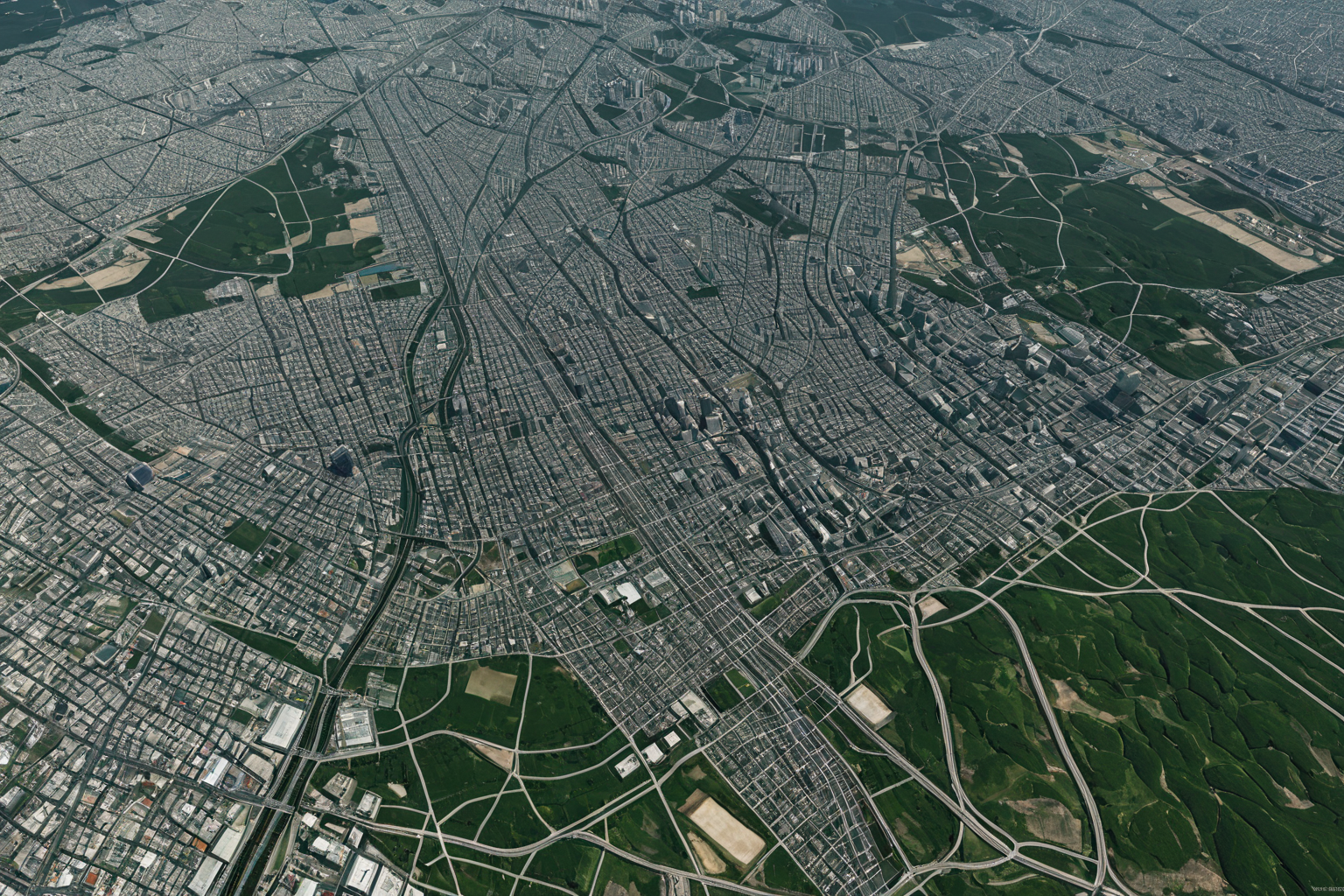
Redevelopment costs at Eunma have surged within a year, with some cases seeing additional fees of up to 200 million won, affecting market dynamics. Concurrently, villa rental transactions and prices have risen due to decreased apartment rental supply. In the Eunma area, redevelopment costs increased by approximately 30% compared to last year, likely related to rising project expenses. Additionally, reduced availability of apartment rentals has driven a 15% average increase in villa rental prices over the past three months, particularly benefiting northern areas where villa rentals have become more active as an alternative to apartments.
Seoul Private Apartment National Average Price Surpasses 2.1 Billion Won
The national average price for private apartments in Seoul surpassed 2.1 billion won based on May data, reflecting rising construction costs and the imposition of a 44.87 million won tax on second-home ownership—equivalent to half an annual salary. The national average price for private apartments has increased by 13.49% over the past year, indicating market tightening due to higher prices. In Gangnam specifically, increased property taxes have intensified holding burdens, prompting some sellers to lower their asking prices.
Sejong Public Price Increase
Sejong's public price rose by 6.29%, raising concerns about increasing burdens even amid declining sales. This trend is further widening regional disparities within the Capital Region. Sejong has consistently seen rising public prices over the past three months, attributed to insufficient new supply and increased demand. Notably, apartment prices in Sejong are rising at a higher rate than the average across the Capital Region, exacerbating regional gaps.
Current Status of New Transaction Prices for 150-200 Million Won Apartments
Over half of apartments priced between 150-200 million won in the Capital Region are being transacted at new prices. Even in outer districts like Guro, national average prices are nearing 2 billion won, reflecting an expanding trend of new transaction prices. In Guro, this ratio reached 58% over the past three months, demonstrating the spread of new transaction prices to outer areas. This phenomenon is primarily driven by increased external demand and insufficient new supply.
Future Outlook: Potential Regulatory Easing and Rising Demand for Residential Offices
Future trends in Capital Region apartment new transaction price fluctuations will likely be influenced by potential regulatory easing and continued high demand for residential offices. If the trend of lower property taxes on residential offices persists due to tax reform, structural changes in Seoul's apartment market may accelerate. The government is currently reviewing potential easing measures for real estate regulations, which could lead to increased TOH applications. Additionally, rising demand for residential offices, driven by increasing prices and new supply, is expected to help balance the market.
Important Information to Verify
The analysis of Capital Region apartment new transaction price fluctuations and future outlook is based on data from the past three months. However, predictions may vary depending on regulatory changes and economic conditions, so further verification is recommended. It's particularly important to regularly monitor government announcements regarding property tax reform, redevelopment cost notifications, and trends in the apartment rental market.
Frequently Asked Questions
Q: Why did Seoul apartment transaction prices rise by 2.50% in June?
The June price increase of 2.50%, marking the highest in five years, resulted from a combination of widening regional disparities, rapid increases in redevelopment costs, and decreased rental supply.
Q: Why are prices declining in Gangnam-Han River belt areas while rising in northern regions?
Gangnam-Han River belt areas have seen price declines due to reduced housing demand and increased redevelopment costs, whereas northern regions have experienced price increases due to insufficient new supply and decreased rental availability.
Q: Where can the rise in high-value residential office demand be confirmed following property tax reform?
The increase in demand for high-value residential offices with lower property taxes can be verified through recent news reports and analytical data, particularly in outer districts of Seoul where this trend is more pronounced.
You can view similar articles on this topic all at once.
View Related ArticlesFAQ
Why did Seoul apartment transaction prices rise by 2.50% in June?
The June price increase of 2.50%, marking the highest in five years, resulted from a combination of widening regional disparities, rapid increases in redevelopment costs, and decreased rental supply.
Why are prices declining in Gangnam-Han River belt areas while rising in northern regions?
Gangnam-Han River belt areas have seen price declines due to reduced housing demand and increased redevelopment costs, whereas northern regions have experienced price increases due to insufficient new supply and decreased rental availability.
Where can the rise in high-value residential office demand be confirmed following property tax reform?
The increase in demand for high-value residential offices with lower property taxes can be verified through recent news reports and analytical data, particularly in outer districts of Seoul where this trend is more pronounced.
Korean Source
This article is an English localization of a Korean-language report from BlogScore. Original: 수도권 아파트 신고가 최근 3개월 변동률과 향후 전망