
Seoul Apartment Market: A Tale of Two Cities - Gangnam's Decline vs. Gangbuk's Rise
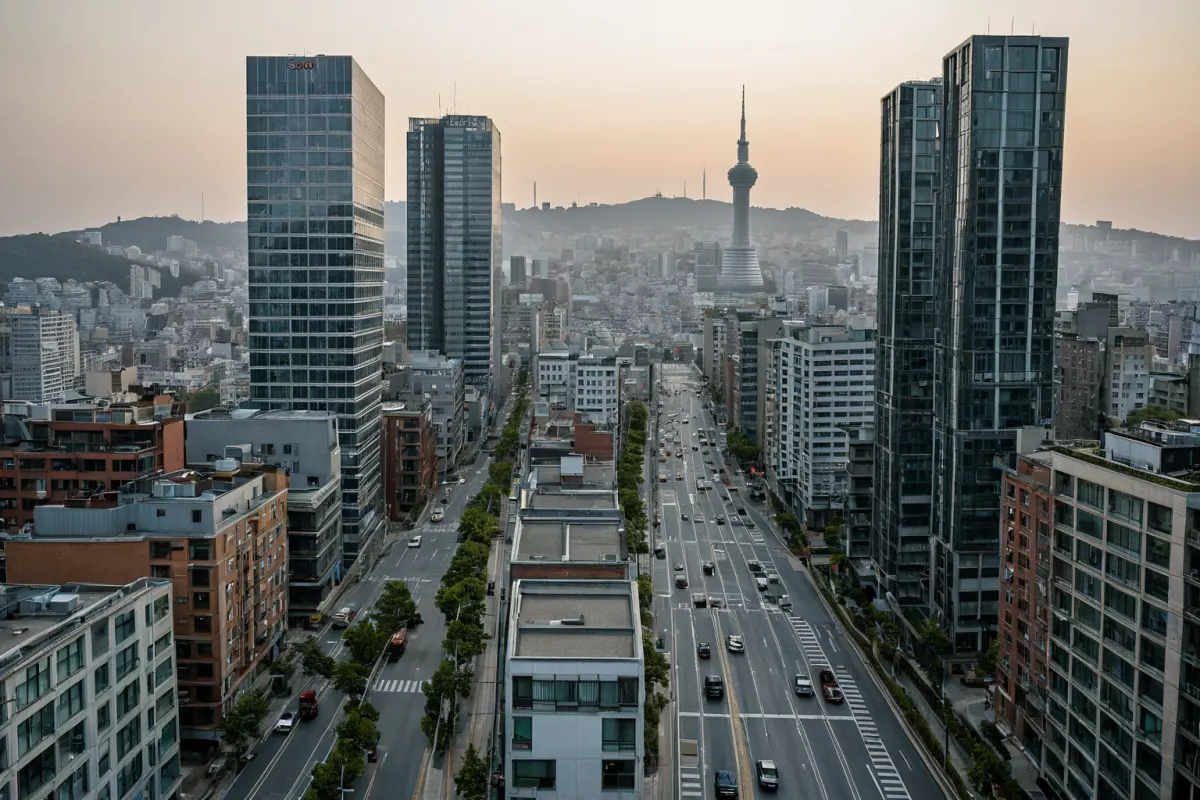
Seoul Apartment Market: Gangnam Declining, Gangbuk Rising - A Polarized Landscape
In the Seoul apartment market, Gangnam has experienced seven consecutive weeks of price declines, while outer and mid-to-low-priced areas are showing upward trends. Although overall Seoul apartment prices have risen for 85 consecutive weeks, the Gangnam three districts (Gangnam, Seocho, Songpa) are experiencing their worst decline in history.
Since late August, the downward trend in Gangnam district apartment prices has become more pronounced, with some properties appearing at reduced asking prices of up to 500 million won. This acceleration follows the August 3rd policy measures, raising concerns about declining market confidence.
Gangbuk and Mid-to-Low-Priced Areas Show Rising Trends
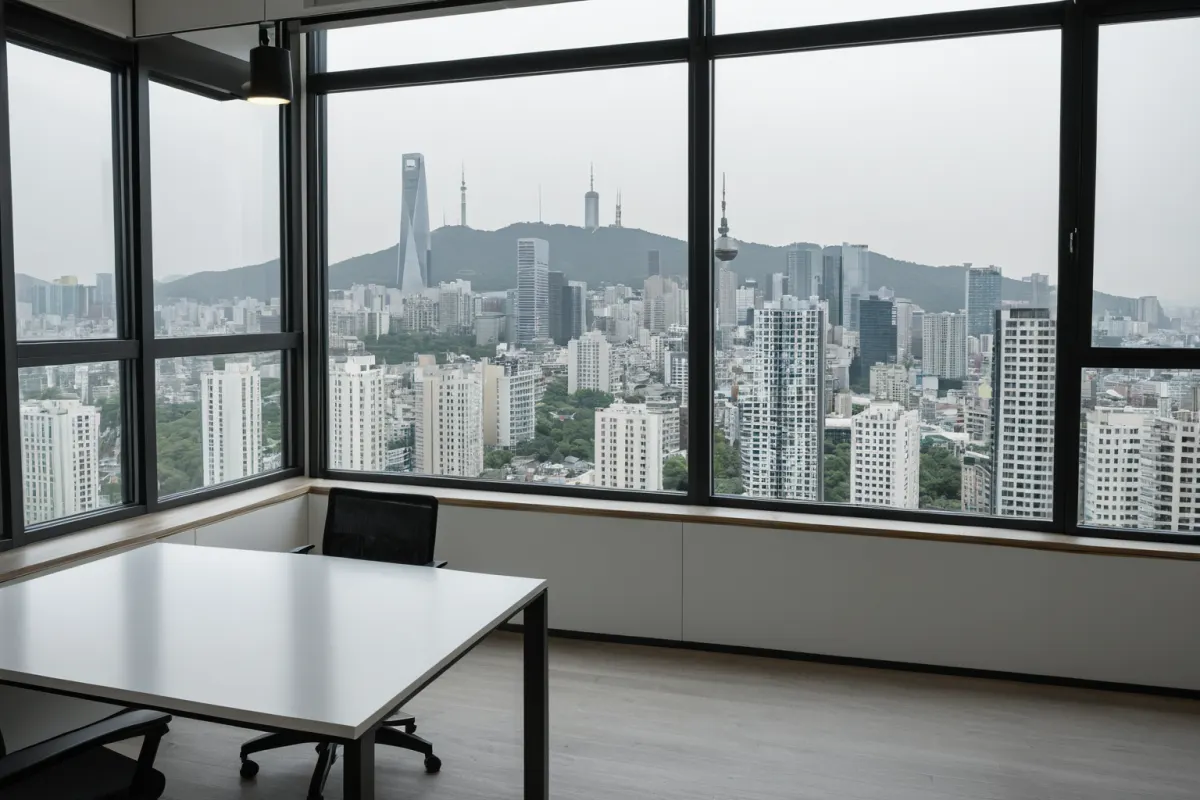
While Seoul apartment prices have continued to rise for 85 weeks, the Gangnam three districts have maintained a two-month price decline. Notably, transaction prices for mid-sized apartments in these areas recently reached annual highs, showing signs of recovery.
The Seoul rental-to-purchase ratio has become increasingly polarized, with Gangbuk at 63% and Gangnam at 38%. This reflects increased burden on homebuyers in Gangnam due to price declines, alongside rising prices in outer and mid-to-low-priced areas, indicating a shift in market structure.
Declining Transaction Volume and Property Listings
By August, the number of land transaction permits applied for in Seoul had decreased by 66.1% compared to April's peak. Prices for transactions requiring approval have also begun declining in Gangnam three districts, Yongsan, and the Han River belt areas.
The number of 'for sale' listings has increased in Gangnam but decreased overall across Seoul by 27% compared to last year. This reflects intensified selling pressure in Gangnam while indicating insufficient market activity elsewhere in Seoul.
Weakening Buyer Sentiment: 'Seller's Market' vs. 'Buyer's Market'
For five consecutive weeks, buyer sentiment has weakened, with Gangnam classified as a 'seller's market' and Gangbuk as a 'buyer's market.' This reflects changing investor psychology due to the price decline in Gangnam.
The polarization of Seoul's apartment market has accelerated since the August 3rd policy measures, with a high likelihood that the gap between Gangnam and Gangbuk will continue to widen.
Ranking Changes and Future Outlook
Why are Gangnam apartment prices declining?
The downward trend in Gangnam has accelerated since the August 3rd policy measures, with some areas seeing asking prices reduced by up to 500 million won.
Are Seoul apartment prices rising overall?
Seoul apartment prices have continued to rise for 85 weeks, but the Gangnam three districts are experiencing a two-month decline.
What is causing the polarization in rental-to-purchase ratios?
The widening gap between Gangbuk (63%) and Gangnam (38%) rental-to-purchase ratios results from increased burden on homebuyers due to declining prices in Gangnam, combined with rising prices in outer and mid-to-low-priced areas.
You can view similar articles all at once.
View Related ArticlesFAQ
Why are Gangnam apartment prices declining?
The downward trend in Gangnam has accelerated since the August 3rd policy measures, with some areas seeing asking prices reduced by up to 500 million won.
Are Seoul apartment prices rising overall?
Seoul apartment prices have continued to rise for 85 weeks, but the Gangnam three districts are experiencing a two-month decline.
What is causing the polarization in rental-to-purchase ratios?
The widening gap between Gangbuk (63%) and Gangnam (38%) rental-to-purchase ratios results from increased burden on homebuyers due to declining prices in Gangnam, combined with rising prices in outer and mid-to-low-priced areas.
Korean Source
This article is an English localization of a Korean-language report from BlogScore. Original: 강남 아파트 가격 하락과 지역별 비교 분석