
Seoul's 3D Urban Planning Projects: Five Key Initiatives to Explore
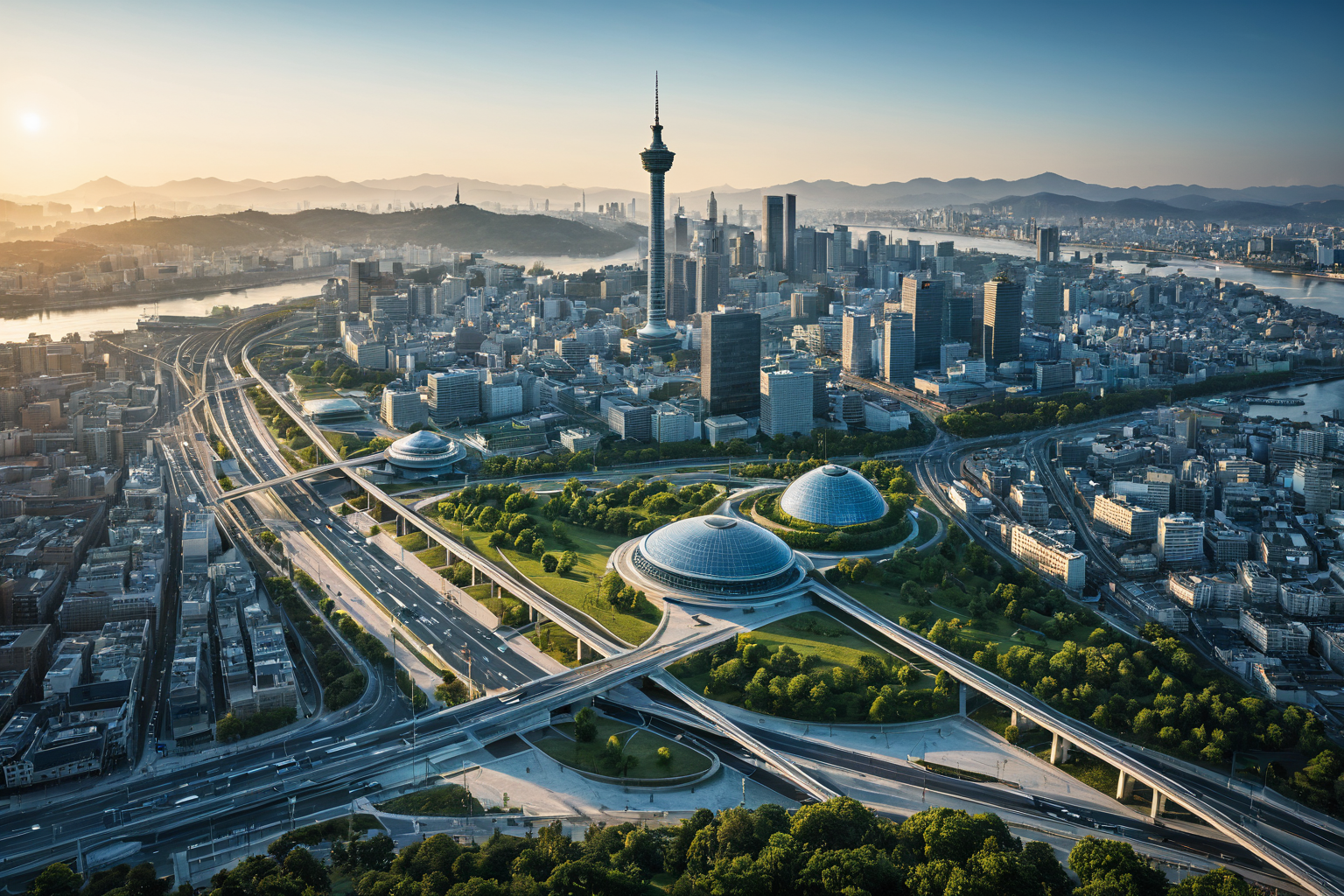
Seoul's 3D Urban Planning Projects Overview
Seoul City is currently implementing South Korea's first project to publicly display urban planning facilities through 3D interactive maps. The initial application case is Mi-a 'Layered Park,' while Dongdaemun History & Culture Park has adopted BIM (Building Information Modeling, a 3D design technique).
Seoul City's Public 3D Urban Planning Maps
Seoul City is pioneering South Korea's first initiative to publicly display urban planning facilities using 3D interactive maps. This project aims to help citizens better understand the structure and plans of urban spaces in an intuitive way, with Mi-a 'Layered Park' being the first application case.
Mi-a 'Layered Park,' selected as Seoul City's first project following the public release of 3D interactive maps on August 10, 2026, features a unique layered structure. The 3D map allows citizens to easily understand and navigate the park, accurately displaying building heights, areas, and accessibility—making it more convenient for people with disabilities and elderly residents.
By providing 3D interactive maps instead of traditional 2D maps, Seoul City significantly enhances spatial understanding. For example, at Mi-a 'Layered Park,' visitors can now view real-time park layouts and facility placements through the 3D map, improving navigation efficiency. Additionally, these maps can aid in disaster preparedness by quickly identifying evacuation routes during fires or earthquakes.
Dongdaemun History & Culture Park BIM Implementation
At Dongdaemun History & Culture Park, BIM (Building Information Modeling) has been introduced to create 3D models throughout the design and construction process. This improves structural safety and efficiency while offering citizens a better spatial experience.
The implementation of BIM at Dongdaemun History & Culture Park began before October 2, 2025. Designed as a space for public participation, the park frequently hosts cultural events and exhibitions. Using BIM technology, the park's facilities and structures are precisely modeled to prevent errors during construction and reduce costs.
The use of BIM goes beyond design—it also enhances communication between citizens and the city. During development, a platform was created allowing citizens to provide feedback using 3D models, marking a new model for community-driven urban development that has attracted attention.
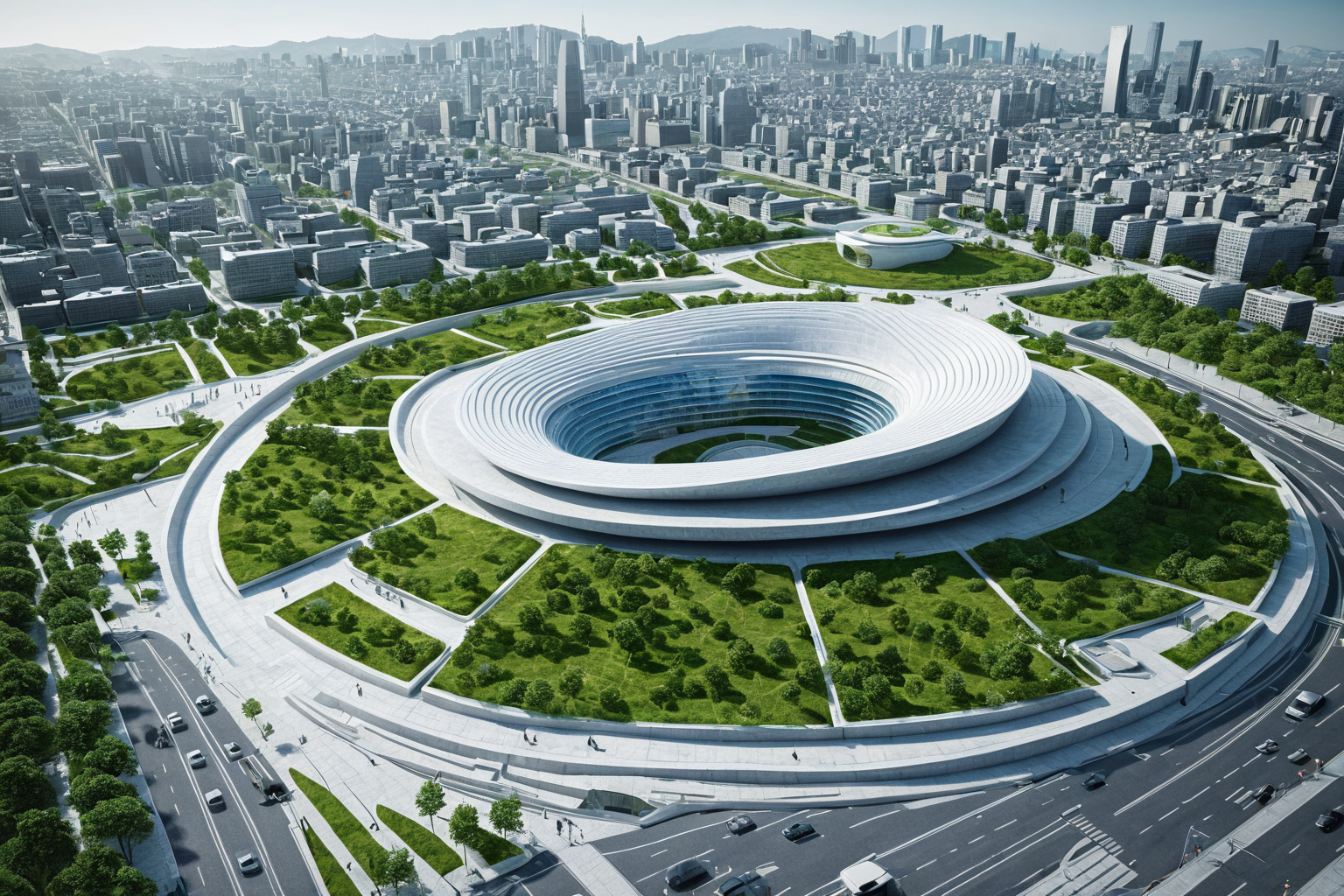
Seoul Edition 25: Community-Driven Local Landmark Selection
Seoul City is running the 'Seoul Edition 25' project, where citizens actively participate in selecting local landmarks that reflect their community's unique character. The goal is to develop these spaces more richly by incorporating citizen input.
Selected landmarks are created as 3D interactive maps considering the area's environment and cultural characteristics. This increases residents' sense of belonging while optimizing urban space usage. For example, 'Seoul Forest Park,' selected through Seoul Edition 25, was designed with a 3D map to harmonize with surrounding buildings and feature well-placed pathways and rest areas for comfortable use by citizens.
Started in 2023 and ongoing, the Seoul Edition 25 project annually selects new neighborhoods to reflect citizen opinions. Through this initiative, various districts of Seoul are developing into distinctive landmarks that elevate the city's overall cultural value.
Sungkak Tunnel Public-Private Partnership Project
The Sungkak Tunnel public-private partnership project is set for completion by 2030. The implementation plan was approved, with related news published on October 2, 2025.
Designed to alleviate Seoul's traffic congestion, the tunnel will be built through a private investment model. With an expected length of approximately 5 km, it aims to connect major transportation routes and significantly reduce travel times between eastern and western parts of Seoul.
The project is being implemented with private companies handling investment and operation while the government oversees regulation and supervision. The success of this project will not only improve citizens' mobility but also enhance trust in Seoul's public-private partnership projects.
Seoul Northern Region Design & Landscape Project
Seoul City has officially launched its 'Design & Landscape Project for the Northern Region,' scheduled to begin on April 21, 2026.
The project aims to improve urban landscapes and create a more comfortable living environment for local residents. It focuses on community participation and sustainable development, particularly by harmonizing historical architecture with modern design to preserve regional identity.
Starting April 21, 2026, the first phase will focus on improving roads and parks in Gangdong and Seongbuk districts. During this process, citizen input will be gathered, and designs tailored to each area's unique characteristics will be implemented.
Other Related Projects
Seoul City is also advancing various projects using 3D technology for urban planning and development. For instance, a project to create 3D interactive maps of underground facilities is underway, along with a public space idea competition at Yeongdeungpo Station.
The 3D mapping of underground facilities aims to improve management accuracy for subway stations and underground commercial spaces. Compared to traditional 2D maps, this enhances spatial understanding, aiding maintenance and disaster preparedness.
The 'Yeongdeungpo Station Public Space Citizen Idea Competition' began in 2023 and continues today, inviting residents to submit creative ideas for improving public areas at Yeongdeungpo Station. Many citizens have participated with innovative suggestions.
Plans also include the 2027 WYD Global Tree Planting Initiative and expanding Seoul Outdoor Library globally—both aimed at making Seoul a greener city where citizens can enjoy culture in comfortable environments. The WYD Global Tree Planting Project is linked to global environmental protection efforts, with Seoul aiming to expand urban green spaces through this initiative.
Check for Updates
For the latest information on Seoul's 3D interactive map projects, visit Seoul City's official website. Mi-a 'Layered Park' will be available for viewing via 3D maps starting August 10, 2026. Detailed information about Dongdaemun History & Culture Park's BIM implementation can also be found on Seoul City's Urban Planning Division page. Progress on the Northern Region Design & Landscape Project is accessible through the 'Northern Region Development' section of Seoul City's website.
Frequently Asked Questions
When will Seoul's 3D urban planning project begin?
The public release of Seoul City's Urban Planning Facilities 3D Interactive Maps will start on August 10, 2026. Mi-a 'Layered Park' is the first application case.
Why was BIM technology introduced at Dongdaemun History & Culture Park?
BIM was introduced to improve structural safety and efficiency of buildings while providing citizens with a better spatial experience.
What is the expected completion date for the Sungkak Tunnel public-private partnership project?
The Sungkak Tunnel public-private partnership project aims for completion by 2030. The implementation plan was approved on October 2, 2025.
You can find similar articles in one place.
View Related ArticlesFAQ
When will Seoul's 3D urban planning project begin?
The public release of Seoul City's Urban Planning Facilities 3D Interactive Maps will start on August 10, 2026. Mi-a 'Layered Park' is the first application case.
Why was BIM technology introduced at Dongdaemun History & Culture Park?
BIM was introduced to improve structural safety and efficiency of buildings while providing citizens with a better spatial experience.
What is the expected completion date for the Sungkak Tunnel public-private partnership project?
The Sungkak Tunnel public-private partnership project aims for completion by 2030. The implementation plan was approved on October 2, 2025.
Korean Source
This article is an English localization of a Korean-language report from BlogScore. Original: 서울시 입체도면 주요 프로젝트 5가지, 직접 확인해보세요