
Seoul's立体 도면 Urban Development Plan: Case Studies and Impact Analysis
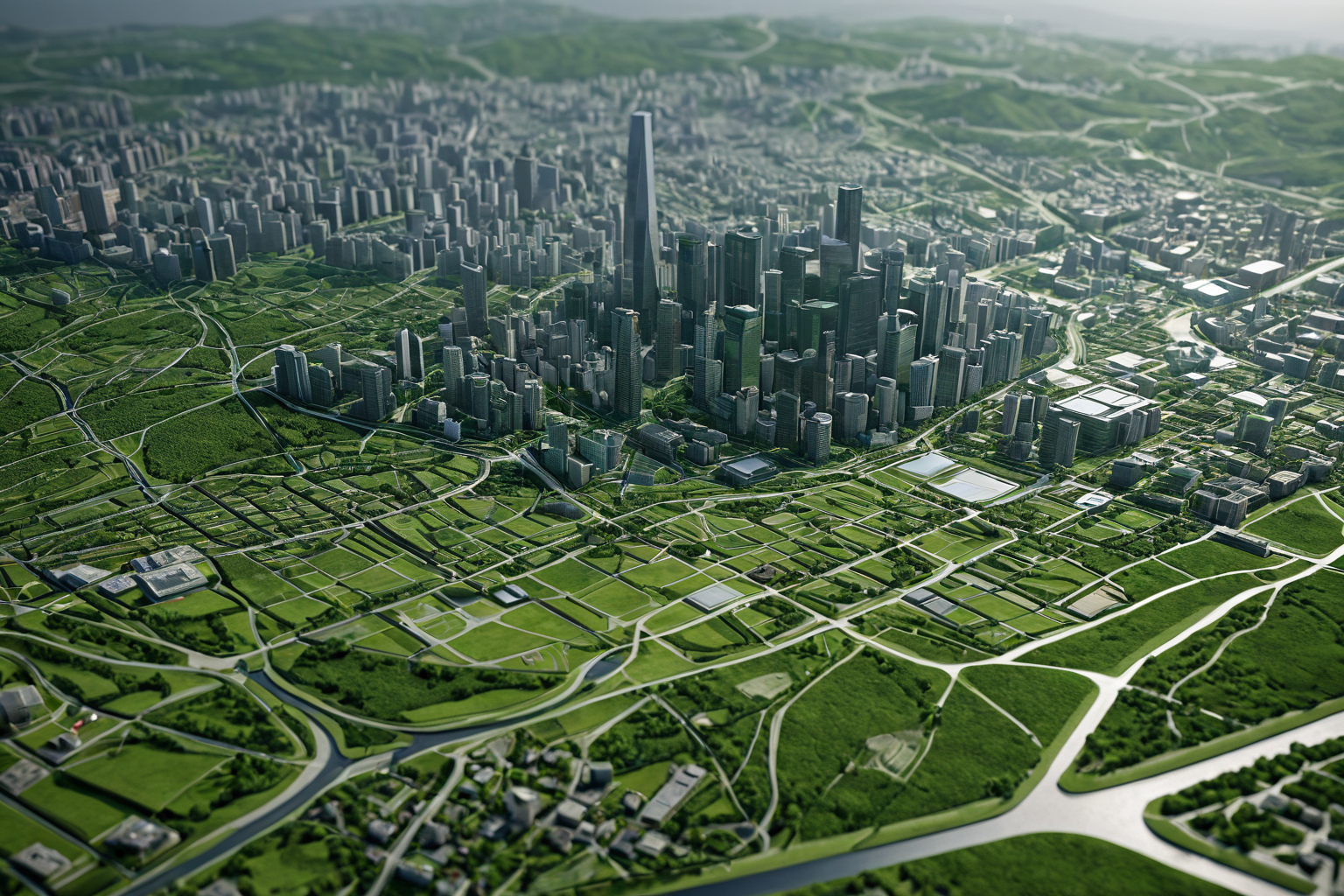
Seoul's 3D Urban Development Plan: Combining Citizen Participation with Innovative Design
Seoul City is enhancing citizen participation and improving underground and above-ground space management through its 3D urban development plan. The city has implemented a policy allowing increased building density for innovative designs, which has been successfully applied in projects like Mi-a District's 'Layered Park' and Nodul Island's landmark project. Newgil 5 Zone transformed underutilized land into a school complex with a swimming pool, while Yongsan International Business District is set to begin construction in 2025. Seunseon Market area has revitalized from stagnation into a cultural and industrial hub.
Key Case Studies of the 3D Urban Development Plan
On February 13, 2023, Seoul City announced the application of a 120% building density allowance for Nodul Island's landmark project, implementing a policy to increase density for innovative design buildings. This has improved transparency in urban development and strengthened citizen participation. Mi-a District's 'Layered Park' was selected as the first case study following the public release of its 3D city plan on August 10, 2026.
The Eastern Freight Terminal has been redeveloped into a complex cultural facility featuring 7,000㎡ of integrated green space. Newgil 5 Zone transformed underutilized land into a school complex with a swimming pool. Seoul Express Bus Terminal is also advancing its 3D comprehensive development and began implementing the nation's first 3D land management system on August 26, 2024.
Yongsan International Business District and Seunseon Market Revitalization
Seoul City held a groundbreaking ceremony for Yongsan International Business District development on November 27, 2025, marking the start of major construction. On October 1, 2025, during the Jikonomi Expo, a diorama of the Yongsan International Business District was unveiled for the first time. The redevelopment plan for Mungok-dong area, announced on December 31, 2024, will introduce a 'waterfront-friendly' community along the Han River with 1,260 housing units.
Seunseon Market area began revitalizing in February 2015 through urban regeneration. Once stagnant, it has transformed into a cultural and industrial hub, gaining further momentum from the decision to preserve its pedestrian bridge. Meanwhile, Yeouido Park, previously unpopular, is seeing accelerated reconstruction as environmental regulations for Han River canopy parks are relaxed.
3D Land Management System and 3D Urban Planning
Seoul City has become the first in the nation to implement a 3D land management system, digitizing cadastral maps into 3D. This system improves underground and above-ground space management while easing regulatory constraints. In Jung-gu, starting July 23, 2026, 24-hour 3D services will be available for three district plans, marking the nation's first public release of architectural information.
Seoul City is fully relaxing three types of regulations through the introduction of 3D parks, contributing to more efficient urban development. The 3D city planning model has gained attention as a new approach that simultaneously enhances transparency and efficiency in urban development by strengthening citizen participation and increasing building density allowances for innovative designs.
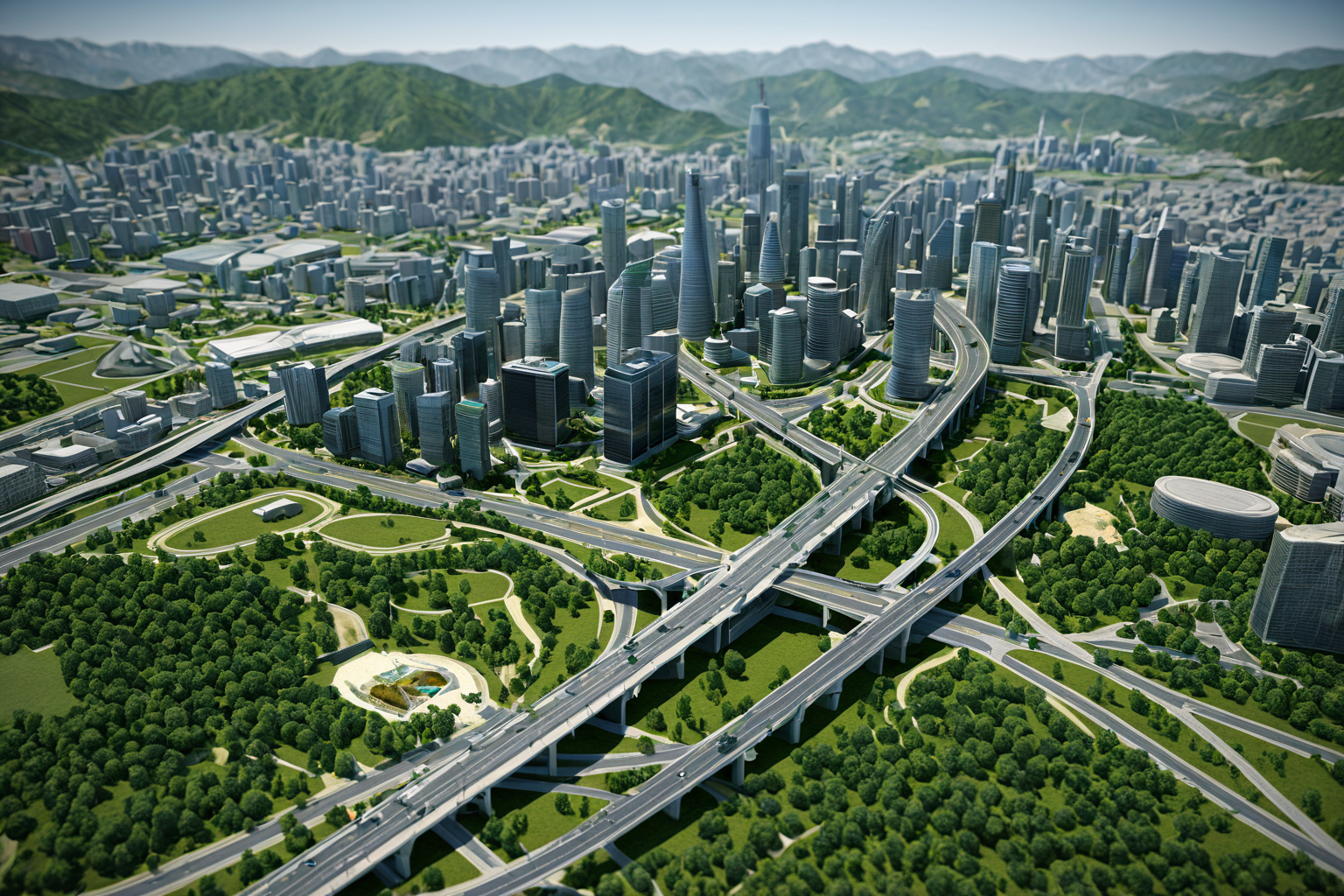
Yongsan International Business District Diorama Release and Development Progress
Korail unveiled the Yongsan International Business District diorama at the Jikonomi Expo on October 1, 2025. This marked the first step in the district's development, providing citizens and experts with an opportunity to understand future planning directions. Construction officially began with a groundbreaking ceremony on November 27, 2025, with major infrastructure expected to be completed by 2026.
Success of Seunseon Market Area Revitalization
The Seunseon Market area has revitalized from stagnation into a cultural and industrial hub. On February 24, 2015, the decision to preserve the pedestrian bridge between Seunseon Market and Daerim Market was announced, which is considered a pivotal moment for urban vitality. Additionally, on March 9, 2015, the area began its transformation into a cultural and industrial center after years of stagnation.
Development Status of Han River Canopy Parks and Yeouido Park
The Han River canopy parks are experiencing faster reconstruction as environmental regulations have been relaxed. This has created new opportunities for urban development, particularly benefiting Yeouido Park, which had previously been considered unpopular. Since 2015, Yeouido Park has seen renewed activity following the easing of regulatory constraints on Han River canopy park construction.
Significance of Implementing the 3D Land Management System
Seoul City began implementing the nation's first 3D land management system on August 26, 2024, managing cadastral maps in 3D. This system improves underground and above-ground space management while easing regulatory constraints, enabling transparent urban development. In Jung-gu, starting July 23, 2026, 24-hour 3D services will be available for three district plans, marking the nation's first public release of architectural information.
Future Outlook of Seoul's 3D Urban Development Plan
Seoul City aims to enhance urban transparency and efficiency by combining citizen participation with innovative design through its 3D urban development plan. Mi-a District's 'Layered Park' and Nodul Island landmark project are the first successful applications, while Newgil 5 Zone transformed underutilized land into a school complex. Yongsan International Business District development is scheduled for completion by 2026, and Seunseon Market area will further strengthen its role as a cultural and industrial hub.
Important Information to Note
Seoul City's 3D urban planning initiative aims to improve transparency and efficiency through enhanced citizen participation, increased building density allowances for innovative designs, and improved management of underground and above-ground spaces. However, some areas still require further regulatory easing, and additional consultation may be needed in the process of gathering citizen feedback.
Frequently Asked Questions
What was the purpose of implementing Seoul City's 3D urban development plan?
The plan was implemented to strengthen citizen participation, increase building density allowances for innovative designs, and improve management of underground and above-ground spaces.
What are the key features of Nodul Island's landmark project?
Nodul Island's landmark project has received a 120% building density allowance for innovative design buildings to be developed as a landmark site.
How has Seunseon Market area revitalization impacted urban vitality?
The Seunseon Market area has transformed from stagnation into a cultural and industrial hub, significantly increasing urban vitality due to the decision to preserve its pedestrian bridge.
View more articles on similar topics in one place.
View Related ArticlesFAQ
What was the purpose of implementing Seoul City's 3D urban development plan?
The plan was implemented to strengthen citizen participation, increase building density allowances for innovative designs, and improve management of underground and above-ground spaces.
What are the key features of Nodul Island's landmark project?
Nodul Island's landmark project has received a 120% building density allowance for innovative design buildings to be developed as a landmark site.
How has Seunseon Market area revitalization impacted urban vitality?
The Seunseon Market area has transformed from stagnation into a cultural and industrial hub, significantly increasing urban vitality due to the decision to preserve its pedestrian bridge.
Korean Source
This article is an English localization of a Korean-language report from BlogScore. Original: 서울시 입체도면 도시 개발 계획의 적용 사례와 효과 분석