
Seoul's 39-Degree Heatwave: Essential Tips and Preparations for Going Outdoors
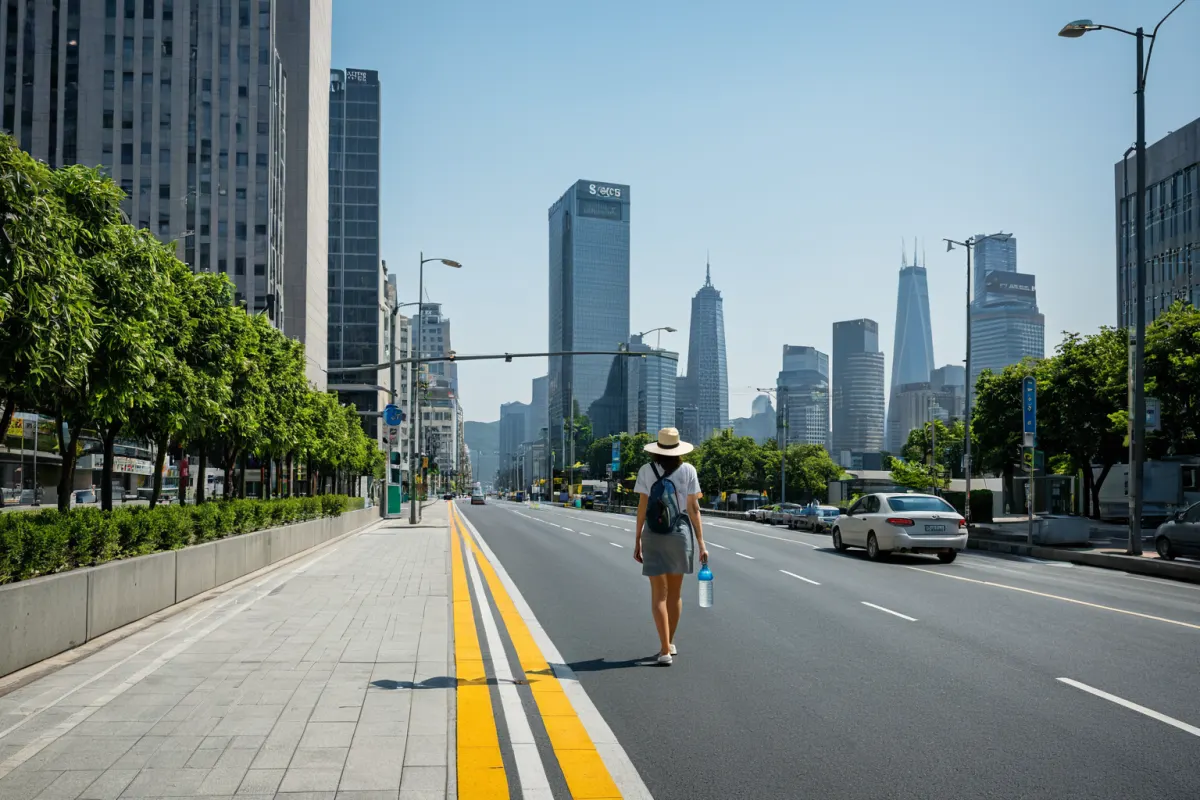
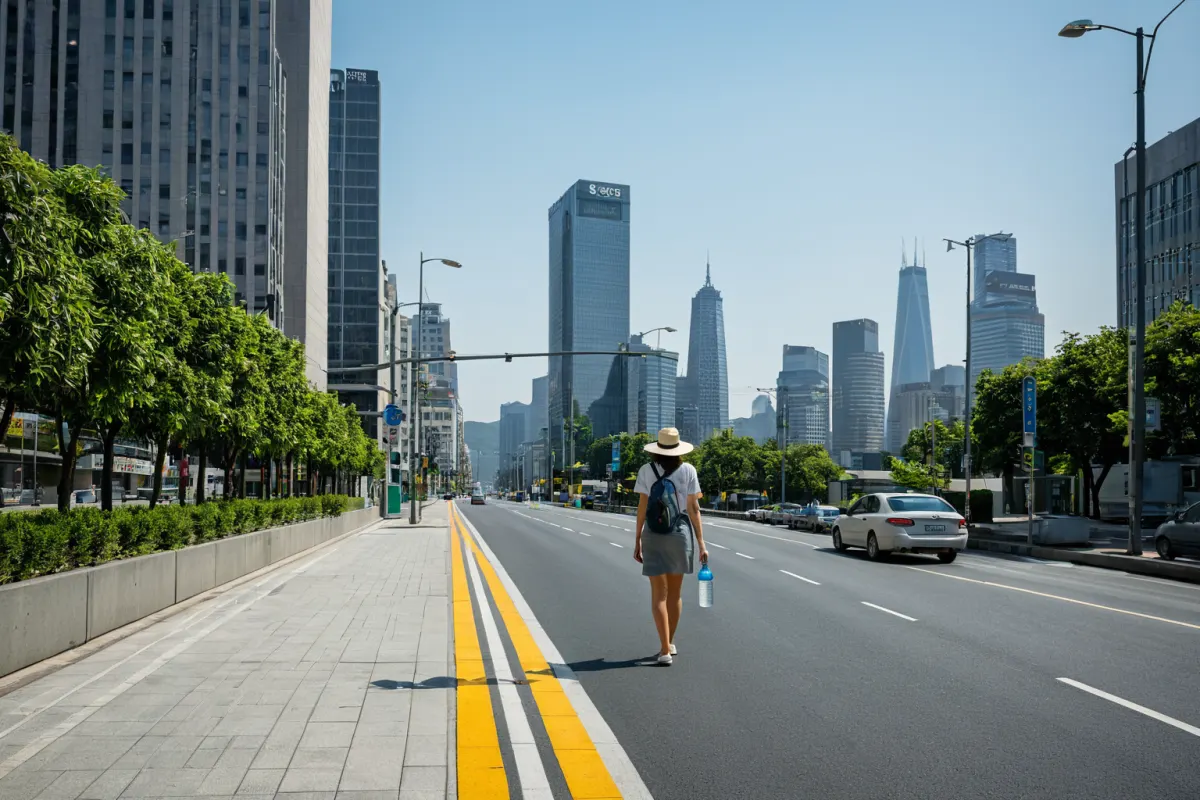
Seoul's 39-Degree Heatwave: Essential Tips and Preparations for Going Outdoors
A sustained heatwave with temperatures reaching 39°C has been affecting the Seoul area, prompting a severe heat warning across the metropolitan region. Emergency response measures have shifted to 'emergency' status, making hydration and proper preparation essential for anyone venturing outside.
Current Status of Seoul's 39-Degree Heatwave
The Seoul area continues to experience a heatwave with maximum temperatures reaching 39°C. This has led to the issuance of a severe heat warning across the metropolitan region, prompting emergency response measures to shift to 'emergency' status.
On August 3, 2026, temperatures approached 40°C, leading to the announcement of an 'emergency' level response for disaster management. By August 4, a severe heat warning was issued across all of Seoul and expanded to northern Gyeonggi Province. This represents one of the most extreme heatwaves in the past decade, with the summer of 2026 already seeing average temperatures exceeding 35°C.
According to Seoul Metropolitan Meteorological Office data as of 11 a.m. on that day, Gangnam and Seocho districts recorded temperatures of 39.2°C—the highest in August compared to the historical average of 34.5°C. Additionally, nighttime heat retention due to 'tropical nights' is expected to further increase perceived temperature levels during the evening hours.
WHO Warning and Vulnerable Groups During Heatwaves
The WHO warns that using fans can be risky when temperatures exceed 40°C. This is especially relevant in the current 39°C heatwave situation.
Customized measures for vulnerable groups are essential. Elderly individuals and children, whose ability to regulate body temperature is reduced, are at higher risk of heatstroke. Those with chronic illnesses also face increased risks in high-temperature environments. To support these groups, Seoul has established a 'Heatwave Safety Network,' providing free cooling spaces at neighborhood centers across the city.
For example, during the 2026 heatwave period, three elderly individuals in Gangdong District were hospitalized due to heatstroke—a clear indication of the risks faced by vulnerable populations.
Outdoor Work Cessation and City Cooling Activities
To cope with extreme heat, outdoor work should be minimized. The Seoul Metropolitan Government has recommended that public institutions and private companies suspend outdoor activities between 12 p.m. and 4 p.m.
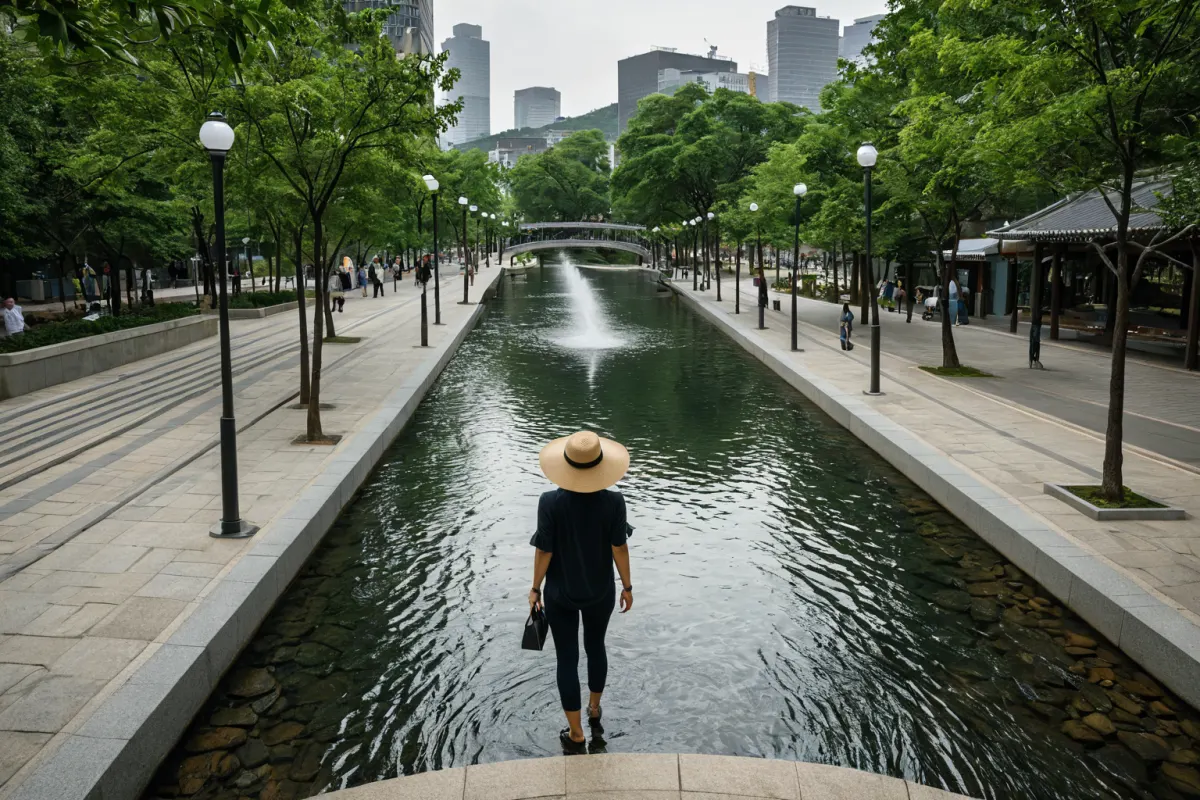
In urban areas like Cheonggyecheon Stream, cooling activities such as foot baths are being held to help residents beat the heat. At locations near Cheonggyecheon, free water streams have been set up, with dedicated safe spaces for children and elderly visitors.
Mayor Oh Se-hoon has classified the heatwave as a disaster and emphasized rest as a safety measure. This highlights the importance of securing appropriate rest periods during outdoor activities. The city is operating cooling facilities in public buildings 24/7 and plans to provide free cooling spaces at Cheonggyecheon and Hangang River on weekends.
Outdoor Safety Precautions
Staying hydrated is essential when going outdoors. It is recommended to consume over 3 liters of fluids daily, avoiding drinks with electrolytes.
Monitoring body temperature using a wristwatch or smartwatch can be helpful in emergency situations. Additionally, it's important to prepare casual clothing, sunglasses, and hats to avoid direct sun exposure.
Special attention should also be given to vehicles—interior temperatures can rise above 50°C within just 30 minutes. It is advisable to slightly open windows when parking or place water bottles inside the vehicle in advance.
Recommended Items to Bring
Essential items for outdoor outings include a water bottle, mineral drinks, cooling bracelets, portable fans, and light meals. Cooling bracelets can help lower body temperature.
Water bottles should hold at least 1 liter of capacity, while mineral drinks aid in maintaining electrolyte balance. Portable fans are effective for regulating body temperature during heatwaves.
Additonally, spraying water on the face and neck with a spray bottle is an effective method to quickly reduce body temperature, especially useful for extended outdoor activities.
Preventing Electrical Fires and Safety Management
Heatwaves increase the risk of electrical fires. To prevent overloads, it's important to regularly inspect electronic devices at home and check chargers and power outlets.
The Seoul Metropolitan Government is running a 'Safe Home' project during heatwave periods, offering free electrical inspections with special focus on elderly housing areas.
It's also crucial to monitor the safety of elderly individuals. During heatwaves, it's recommended that elderly people avoid going out alone and stay with family or neighbors. Seoul provides a 'Heatwave Safety Check' service at neighborhood centers to monitor the health status of elderly residents.
Verified Information
While some reports mention a daytime high of 38°C due to heat in Seoul, verified data confirms that the current situation involves a sustained 39°C heatwave. This has led to the issuance of a severe heat warning across the metropolitan region and an 'emergency' status for disaster response.
Outdoor work suspension recommendations and cooling activities at Cheonggyecheon are actively being implemented. Mayor Oh Se-hoon's classification of the heatwave as a disaster and emphasis on rest have been officially announced.
The Seoul Metropolitan Government has distributed a 'Heatwave Safety Map' to households, including information about cooling spaces in key facilities, free water stations, and emergency response procedures.
Frequently Asked Questions
Is it dangerous to use fans when temperatures exceed 40°C?
The WHO warns that using fans can be risky at temperatures above 40°C. Therefore, during heatwaves, resting in cool areas is preferable to relying on fans.
Who are considered vulnerable groups during heatwaves?
Elderly individuals, children, and those with chronic illnesses are particularly vulnerable to heatwaves. They require special attention and preparation when going outdoors.
Should outdoor work be suspended?
Given the extreme heat, it's best to minimize outdoor work. If essential tasks must be performed, ensure appropriate rest periods and necessary supplies are available.
You can view similar articles on this topic in one place.
View Related ArticlesFAQ
Is it dangerous to use fans when temperatures exceed 40°C?
The WHO warns that using fans can be risky at temperatures above 40°C. Therefore, during heatwaves, resting in cool areas is preferable to relying on fans.
Who are considered vulnerable groups during heatwaves?
Elderly individuals, children, and those with chronic illnesses are particularly vulnerable to heatwaves. They require special attention and preparation when going outdoors.
Should outdoor work be suspended?
Given the extreme heat, it's best to minimize outdoor work. If essential tasks must be performed, ensure appropriate rest periods and necessary supplies are available.
Korean Source
This article is an English localization of a Korean-language report from BlogScore. Original: 서울 39도 폭염, 외출 시 주의사항과 준비물