
Senior Workers Reach 10 Million Mark, Highlighting Gap Between Work Desire and Reality


Senior Workers Reach 10 Million Mark, Highlighting Gap Between Work Desire and Reality
South Korea's senior workforce has surpassed 10 million for the first time. This represents about one-third of all jobs, underscoring the urgent need to strengthen job training programs for older workers. While seniors desire to work until an average age of 73.6, many actually retire at 53, revealing a significant gap between aspiration and reality.
The government plans to announce its basic plan for stabilizing employment among youth and senior citizens by mid-2024. Similar policies in Japan and the U.S., such as mandatory retirement at age 70, may be adopted in South Korea. However, despite rising re-employment rates among seniors, concerns persist about poor working conditions, highlighting the need for sustainable policies.
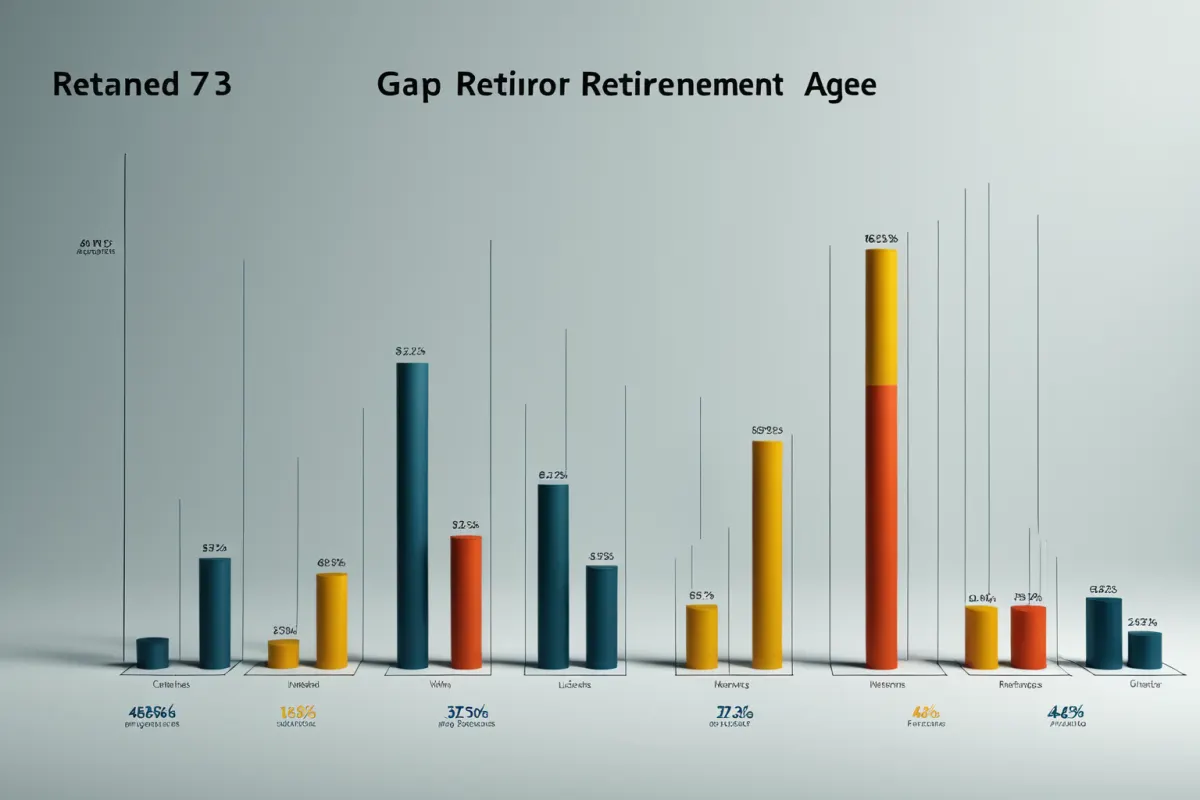
Senior Employment Trends and Retirement Age Discrepancy
According to statistics, senior employment has exceeded 10 million, accounting for roughly one-third of all jobs. A striking 69.2% of seniors expressed a desire to work until age 73.6. However, in reality, many retire at 53, showing a large gap between their aspirations and actual retirement age.
Only one in ten seniors experiences a standard retirement; the rest continue working to supplement their income. This trend reflects increased economic dependency among older workers due to insufficient pensions, driving longer working lives.
Employment Shifts by 2026: Growth in Healthcare and IT
As South Korea approaches a major employment shift by 2026, demand for jobs in healthcare and IT is rising. Manufacturing and retail sectors are declining, suggesting seniors may transition into these growing fields.
Nationally, Japan has implemented policies supporting work until age 70 starting in 2025, while the U.S. is expanding re-employment programs for older workers. South Korea may follow similar strategies to address senior employment challenges.
Government Response and International Examples
The government aims to release its basic plan for stabilizing youth and senior employment by mid-2024, drawing inspiration from Japan and the U.S. approaches to senior workforce integration.
Carefully designed job training programs like Seoul Senior Job Support Center are being highlighted as essential tools to match seniors' skills with market needs and boost re-employment rates.
Senior Re-employment Growth Amid Poor Working Conditions
While senior re-employment is increasing, working conditions remain poor. This highlights the urgent need for better health management support and comfortable work environments tailored to older workers.
A January 2025 report noted that despite rising re-employment among seniors, concerns about inadequate working conditions persist, signaling a need for stronger policy support alongside improved workplace standards.
Senior Work Preference vs. Actual Retirement Age
With 69.2% of seniors wanting to work until age 73.6, their strong desire to remain employed is evident. However, the actual retirement age stands at 53, revealing a significant discrepancy between aspiration and reality.
Only one in ten seniors retires through standard procedures; the rest continue working primarily for financial reasons, reflecting high economic dependency among older workers due to insufficient pension coverage.
International Examples and Future Government Strategy
Japan is currently discussing mandatory retirement at 70, while the U.S. is expanding senior re-employment programs. South Korea’s government may adopt similar strategies as it develops its own policies for supporting older workers.
Programs like Seoul Senior Job Support Center offer tailored training that aligns with seniors' characteristics and market demands, potentially increasing re-employment rates by facilitating transitions into new sectors.
Current Status and Future Direction of Senior Job Training Programs
The Seoul Senior Job Support Center currently offers customized job training programs designed to meet the needs of older workers. These initiatives help seniors find employment by providing education suited to their abilities and market requirements.
In the future, training programs focusing on transitions into healthcare and IT sectors are expected to expand. This aligns with South Korea’s anticipated employment shift by 2026, addressing growing demand in these fields.
Strategies for Senior Re-employment and Workplace Improvement
To support senior re-employment effectively, improving working conditions is essential. This includes better health management systems and creating comfortable work environments tailored to older workers' needs.
The government plans to announce its basic plan for youth and senior employment stability by mid-2024. The policy aims to simultaneously address senior re-employment rates and improve workplace standards, reflecting a comprehensive approach to the issue.
Key Information to Verify
It is confirmed that South Korea's senior workforce has surpassed 10 million workers, representing about one-third of all jobs. This highlights the need for stronger government support in employment policies tailored to seniors' needs.
The high percentage (69.2%) of seniors wanting to work until age 73.6 contrasts sharply with their actual retirement age of 53. This gap reflects increased economic dependency among older workers, driven by insufficient pension coverage requiring continued employment for financial stability.
Frequently Asked Questions
When do seniors actually retire compared to their desired work age?
Seniors often retire at 53, despite wanting to continue working until an average of 73.6 years old. This discrepancy reflects financial necessity due to insufficient pension coverage.
What policies is the government preparing?
The government plans to announce a basic plan for stabilizing youth and senior employment by mid-2024, drawing on Japan and U.S. strategies for supporting older workers.
What re-employment programs are available for seniors?
Programs like the Seoul Senior Job Support Center offer tailored job training that matches seniors' skills with market demands to improve re-employment rates.
Frequently Asked Questions
The surge in senior employment reaching 10 million reflects South Korea's aging population and rising economic dependency among older workers. This underscores the need for stronger government support, informed by international examples, to develop effective strategies for senior workforce integration.
While seniors express a strong desire to work until age 73.6 (69.2% of respondents), most retire at 53 due to financial needs, highlighting a significant gap between aspiration and reality. Addressing this requires both improved workplace conditions and policy support from government and businesses.
As South Korea prepares for an employment shift by 2026, expanding re-employment programs focused on healthcare and IT will help seniors transition into growing sectors, promoting economic self-sufficiency while contributing to society.
You can view more articles on similar topics in one place.
View Related ArticlesFAQ
When do seniors actually retire compared to their desired work age?
Seniors often retire at 53, despite wanting to continue working until an average of 73.6 years old. This discrepancy reflects financial necessity due to insufficient pension coverage.
What policies is the government preparing?
The government plans to announce a basic plan for stabilizing youth and senior employment by mid-2024, drawing on Japan and U.S. strategies for supporting older workers.
What re-employment programs are available for seniors?
Programs like the Seoul Senior Job Support Center offer tailored job training that matches seniors' skills with market demands to improve re-employment rates.
Korean Source
This article is an English localization of a Korean-language report from BlogScore. Original: 고령층 취업자 1000만명, 고령 인구의 직업 훈련 프로그램