
The Secret Behind South Korea's Men's Kayak Gold Medal Victory: Strategy and Teamwork
The Historic Significance of South Korea's Men's Kayak Gold Medal
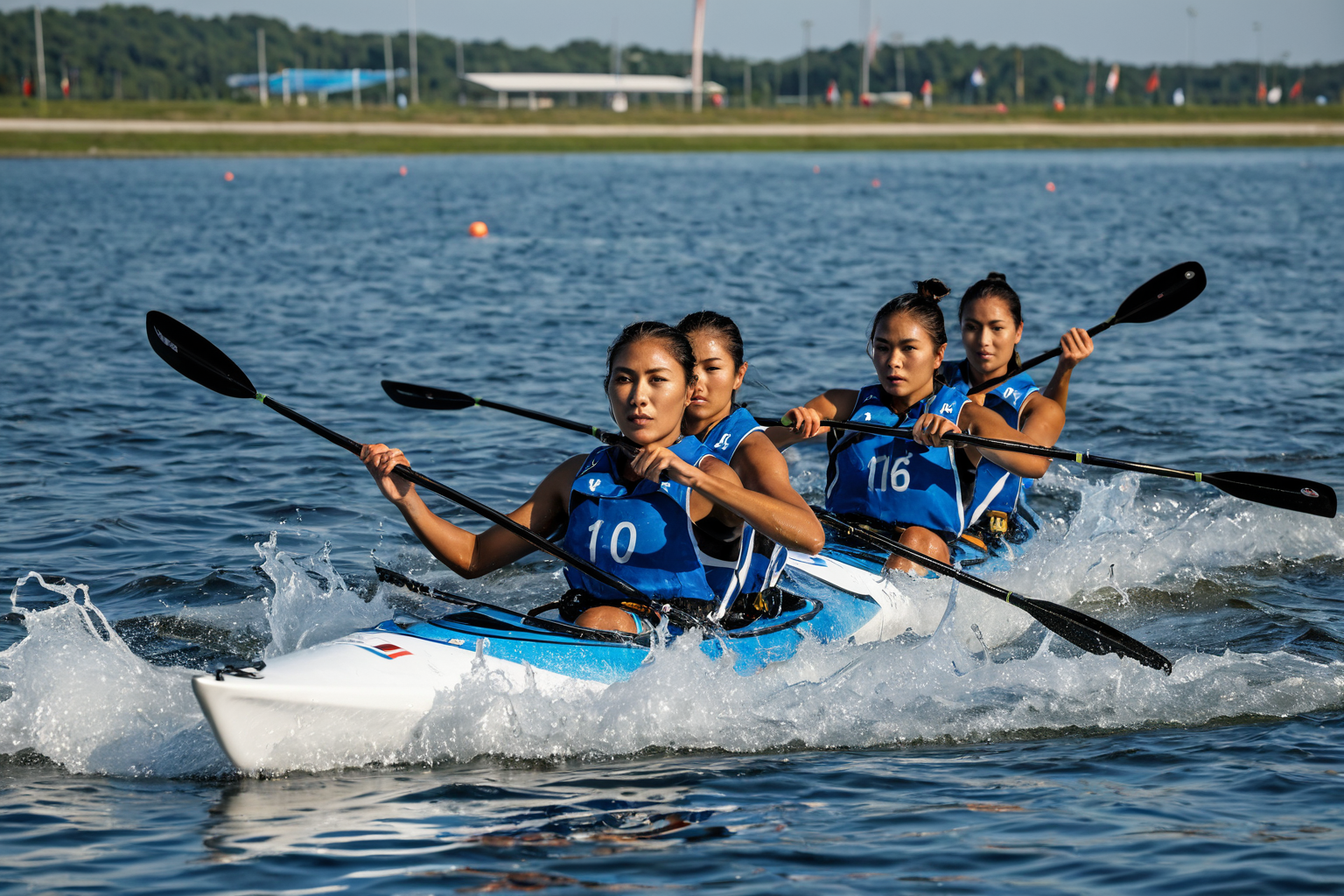
At the 2026 Asian Games, South Korea's men's K-4 500m kayak team clinched their first-ever gold medal by narrowly defeating China by a margin of 0.255 seconds. This victory marks South Korea's first gold in men's sprint kayaking at the Asian Games in eight years and follows two previous silver medals. Notably, this gold medal signifies South Korea's first overall victory in kayak sprint at an Asian competition, ending an eight-year drought since their silver medal win at the 2018 Jakarta-Palembang Asian Games. Prior to this, South Korea had never secured a gold medal in men's sprint kayaking at the Asian Games, making this triumph not just a medal but a significant step toward becoming Asia's top team.
Race Results and the Narrow Margin of Victory
The men's four-person kayak team won the 500m race against China by a mere 0.255 seconds, one of the closest finishes in Asian Games history. This narrow margin highlights the high level of technical skill and teamwork displayed by South Korea's sprint kayaking team. A difference of 0.255 seconds is shorter than typical human reaction time, indicating that precise coordination among athletes and psychological balance were crucial factors in determining the outcome. The race results were confirmed during the men's K-4 500m final at the 2026 Asian Games on September 24, where South Korea secured its ninth gold medal overall.
China dominated from the preliminary rounds and led through most of the final until the last 100 meters, when South Korea surged ahead with a concentrated speed increase. The team had anticipated competing against Chinese athletes beforehand, focusing on stamina management and synchronized movements. They successfully executed a strategy to accelerate during the final 100 meters using communication signals between teammates.
Historical Records and Significance
South Korea's sprint kayaking team previously earned two silver medals at the Asian Games before securing this historic gold. This achievement, eight years in the making, reflects the development of South Korean kayaking sports and the persistent efforts of its athletes. At the 2018 Asian Games, the men's K-4 500m team won silver, followed by another silver medal at the 2022 Incheon Asian Games in the same event. While these silvers demonstrated the team's potential, they also left a sense of disappointment for not securing gold.
Chang Sang-won from Yeonsu District Office secured the team's first gold medal, marking South Korea's ascent to the top of Asian sprint kayaking. Notably, in the mixed kayak 500m event, Choi Min-gyu and Son Min-ju also earned a silver medal, showcasing South Korea's strong competitiveness in this category as well. This success suggests promising potential for future international competitions.
This gold medal was achieved through a combination of technical advancement and strategic preparation by the team, reflecting a balanced display of both collective cooperation and individual skill. The experience gained at the 2024 Tokyo Olympics likely played a direct role in improving techniques and strengthening teamwork that contributed to this victory at the Asian Games.
The Secret to Victory: Teamwork and Strategy
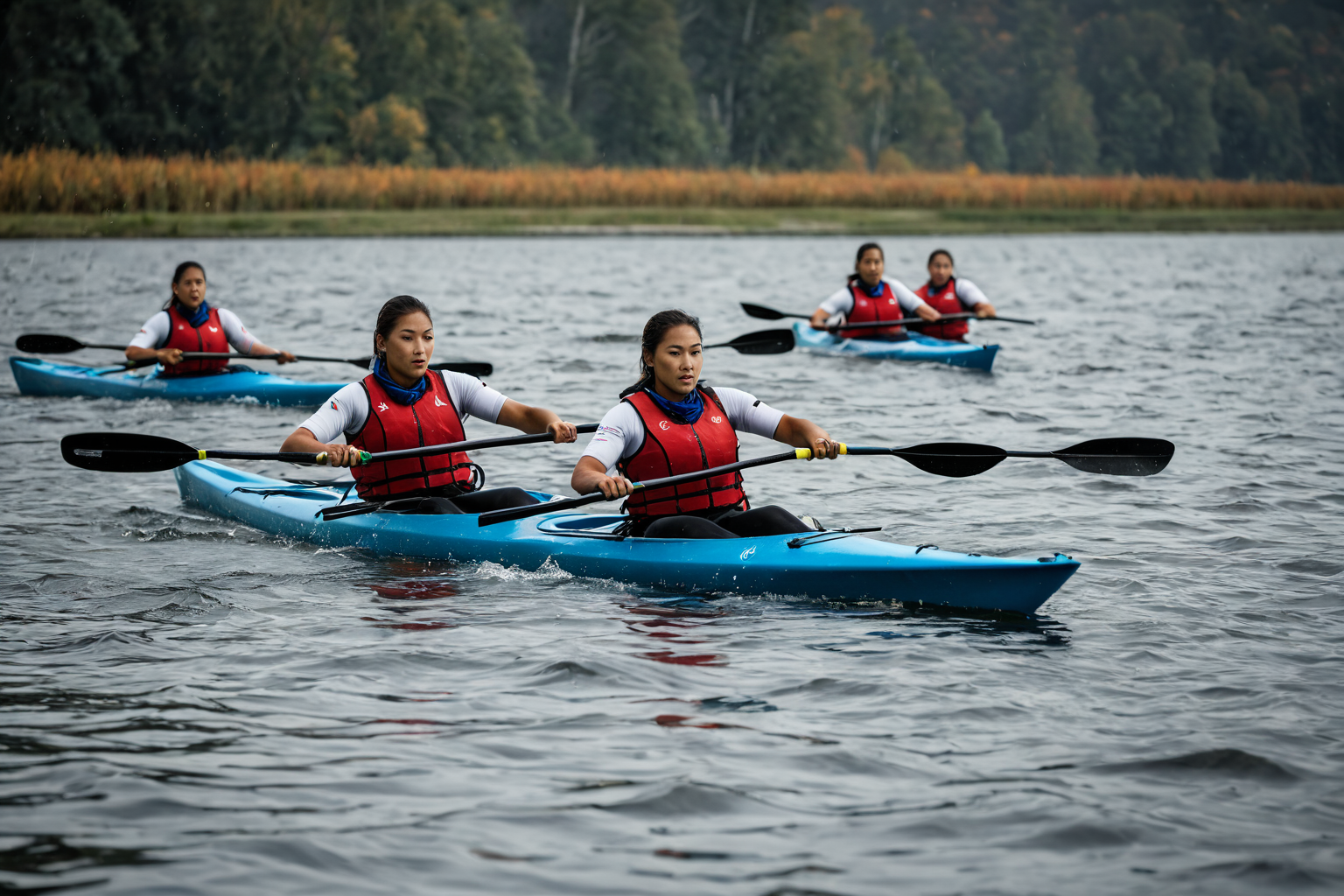
The key to success was not just speed but harmonious movements among teammates and strategic line choices. In kayak racing, a 0.255-second difference is extremely narrow, emphasizing that psychological balance and teamwork were vital in determining the outcome. South Korea's team successfully executed a strategy during the final 100 meters by using signals between teammates to increase speed and overtake Chinese competitors.
This race serves as an exemplary case of how trust and collaboration among team members can lead to victory, even surpassing individual talent in kayak racing. The team had focused on stamina management and synchronized movements before the competition, anticipating a close battle with Chinese athletes. This success is seen as the result of the entire team moving toward a common goal, rather than just technical proficiency.
Another critical factor in kayak racing is line selection. South Korea maintained distance from Chinese competitors throughout the race and chose the optimal line during the final stretch to secure their comeback. This strategic decision highlights how experience and tactical planning can lead to victory in competitive racing.
Historical Achievement and Future Outlook
The gold medal at the 2026 Asian Games represents a new leap for South Korea's men's sprint kayaking team. After eight years of effort and preparation, this victory is expected to strengthen competitiveness in future international competitions. Notably, this gold medal reaffirms South Korea's position as Asia's top kayak sprint team, setting the stage for success at the 2028 Los Angeles Olympics.
Having reached the pinnacle of Asian competition through the Asian Games, South Korea's sprint kayaking team is expected to continue developing and growing. Chang Sang-won's first gold medal marks a new beginning for Korean kayaking sports, celebrated not just as an individual achievement but as the culmination of collective effort and teamwork.
Defeating Chinese athletes by 0.255 seconds was more than just a win; it highlighted how strategic preparation and team cohesion contributed to victory. In kayak racing, small differences can have significant impacts, making this triumph a clear example of that principle. This success is seen as an important signal for future achievements in international competitions.
Information You Need to Know
The specific details about the winning strategy and tactics used by South Korea's men's kayak gold medalists are not provided in the source material. However, the race results and historical significance are clearly documented. The 0.255-second victory margin demonstrates how even minor differences can determine outcomes in kayak racing.
South Korea's men's K-4 500m team defeated China by a narrow margin of 0.255 seconds to win gold at the 2026 Asian Games, marking their first gold medal at the Asian Games in eight years. The team combined individual skills with strong teamwork to secure victory.
Key points for readers include: 1) the significance of a narrow margin race in Asian Games history, 2) South Korea's first gold medal in men's sprint kayaking after eight years and two silver medals, and 3) how teamwork and strategic preparation contributed to their success.
Frequently Asked Questions
Which event did South Korea's men's kayak team win gold in?
The men's K-4 500m (four-person kayak, 500 meters) event, defeating China by a margin of 0.255 seconds.
What is the historical significance of South Korea's men's kayak team's achievement?
The team secured their first gold medal at the Asian Games in eight years, marking their first overall victory following two previous silver medals.
What was the key to South Korea's men's kayak team winning gold?
Synchronized movements among teammates and a strategic speed increase during the final 100 meters using communication signals. This success resulted from teamwork and strategic preparation rather than individual talent alone.
You can find more articles on similar topics here.
View Related ArticlesFAQ
Which event did South Korea's men's kayak team win gold in?
The men's K-4 500m (four-person kayak, 500 meters) event, defeating China by a margin of 0.255 seconds.
What is the historical significance of South Korea's men's kayak team's achievement?
The team secured their first gold medal at the Asian Games in eight years, marking their first overall victory following two previous silver medals.
What was the key to South Korea's men's kayak team winning gold?
Synchronized movements among teammates and a strategic speed increase during the final 100 meters using communication signals. This success resulted from teamwork and strategic preparation rather than individual talent alone.
Korean Source
This article is an English localization of a Korean-language report from BlogScore. Original: 남자 카약 금메달 선수의 승리 비결과 전략 분석