
Seafood Price Fluctuations: Could Rising Ocean Temperatures Be the Main Cause?
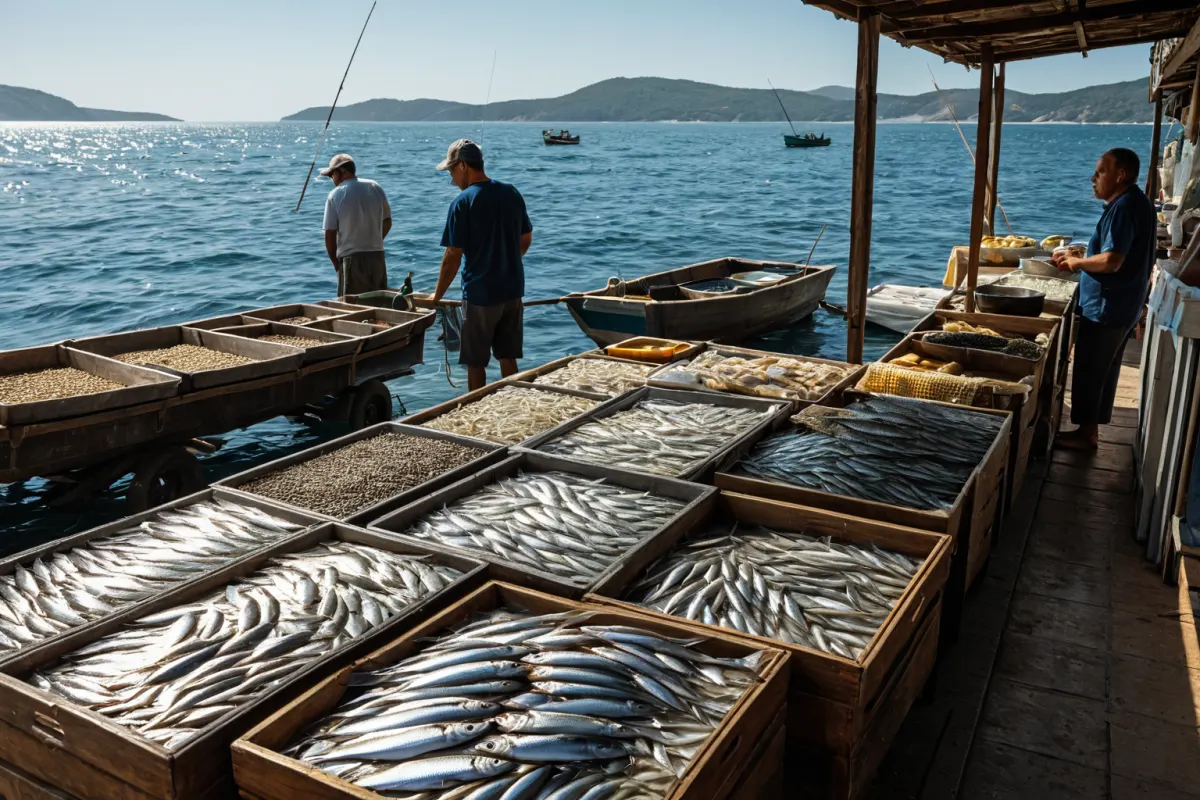
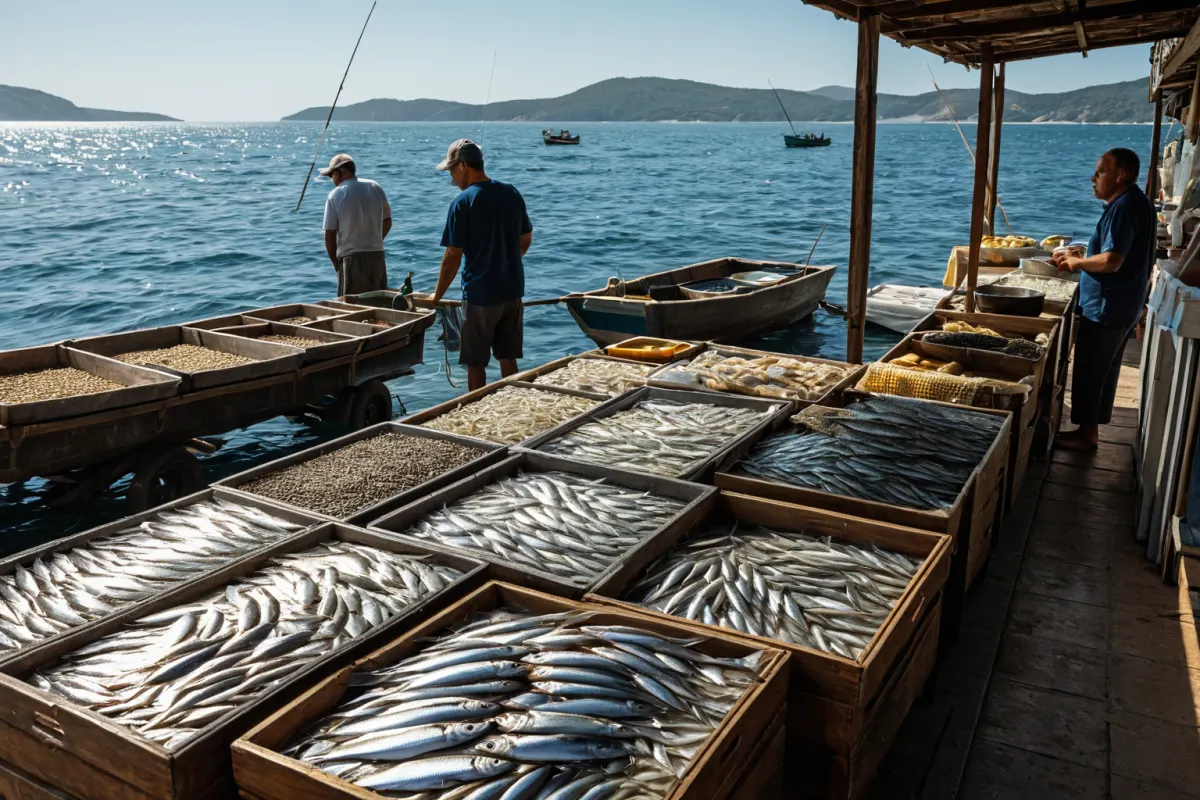
Main Cause of Seafood Price Fluctuations: Rising Ocean Temperatures and Supply Instability
Rising seafood prices have been confirmed to result from changes in marine ecosystems due to heatwaves and rising ocean temperatures, leading to decreased catches. Major items like yellow croaker, mackerel, and sea bream saw price increases of over 20,000 won, with some surging by up to 127%. The government has allocated 3.32 billion won in subsidies and disaster relief funds for seafood products, but Japan is also experiencing similar issues, with seafood prices reaching 170,000 yen per serving, intensifying global supply concerns.
Specific Price Increase Examples and Timing
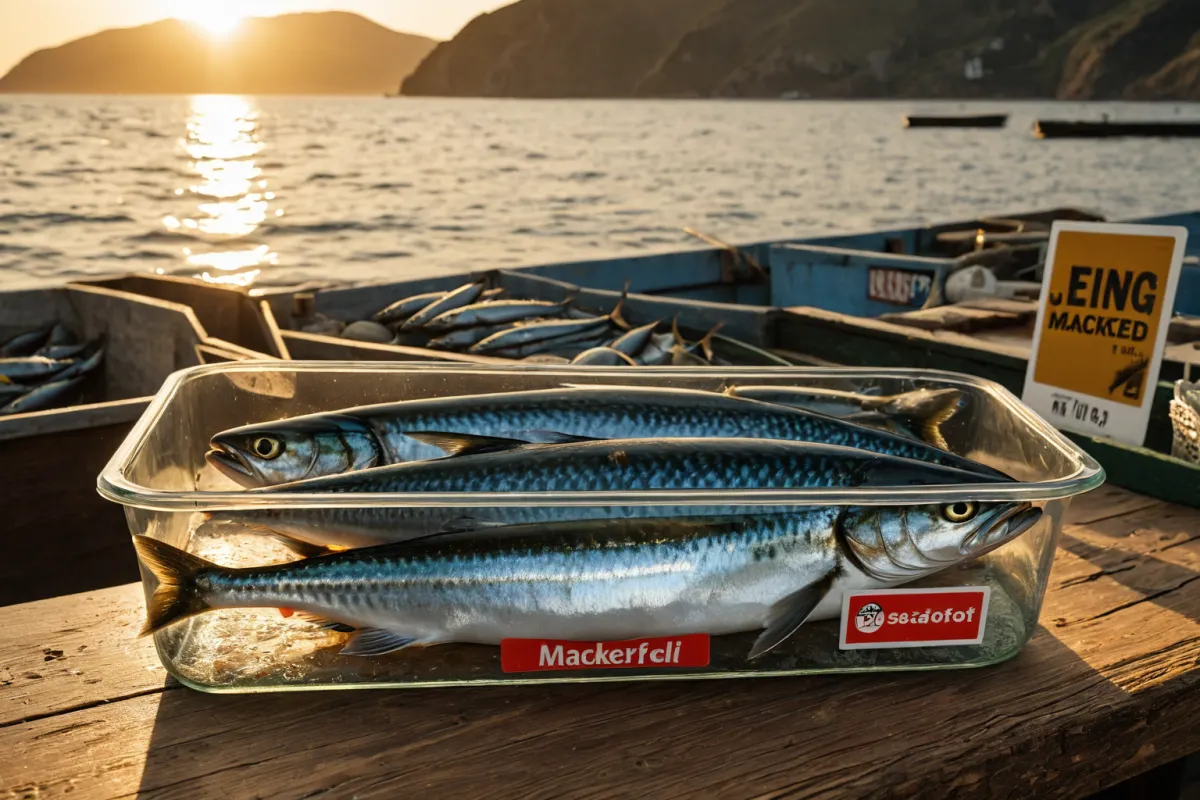
On June 14, 2025, housewives were shocked by a sudden spike in mackerel prices during shopping. On July 10, the price of 'national fish' rose from 8,000 won to 15,000 won, increasing consumer burden. By July 28, reports indicated that fresh fish prices at Noryangjin Fisheries Market had doubled.
On August 25, due to warmer seas arriving earlier than last year, the supply and price of yellow croaker and sea bass increased as farming production decreased. This reflects accelerated damage to farmed species caused by rising seawater temperatures. On November 15, 'national fish' prices surged by 127%, disrupting winter meals.
Correlation Between Production Decline and Climate Change
Nationally, seafood production decreased by 2.2% compared to the previous year, indicating direct impact from rising ocean temperatures and climate change. Particularly, damage to farmed species due to higher seawater temperatures is accelerating supply instability.
Japan is also seeing seafood prices soar to 170,000 yen per serving, highlighting intensified global supply concerns. This reflects the broader impact of 'super El Niño' climate phenomena on food, water, and forest resources worldwide.
Government Response Measures and Limitations
The government has provided up to 50% discounts for certain seafood like yellow croaker and sea bass, along with a 3.32 billion won disaster relief fund to support agricultural and fisheries damage. However, these measures are temporary, lacking fundamental solutions to structural issues caused by climate change.
At Noryangjin Fisheries Market, fish prices have doubled, increasing price pressures. The sharp rise in 'national fish' prices has left both consumers and fishermen deeply affected.
Structural Issues in Seafood Markets and Climate Change
Rising seawater temperatures directly impact seafood production, lowering survival rates and slowing growth of farmed species. As reported on March 5, 2025, national seafood production decreased by 2.2% compared to the previous year, analyzed as a result of rising ocean temperatures and climate change.
Changes in marine ecosystems are altering fish distribution. For example, squid species are moving northward, while southern regions experience reduced catches. This phenomenon has been confirmed through real-time data collection and analysis on climate impacts.
International Comparison: Japan's Seafood Price Surge
In Japan, seafood prices have reached up to 170,000 yen per serving. This illustrates the global impact of climate change, particularly 'super El Niño' events, on food systems.
The Japanese government has taken some measures to address rising seafood prices, but slow recovery of marine ecosystems suggests continued price increases are expected. Japan's case emphasizes the need for international cooperation in addressing climate impacts on global seafood markets.
Real-World Burdens on Consumers and Fishermen
The burden of rising seafood prices has disproportionately affected low-to-mid-income households. In particular, 'national fish' disappearing from winter meals has led to higher prices for substitute foods.
Fishermen are experiencing reduced income due to decreased production and price volatility. In some fishing areas, the number of boat departures has declined, signaling a need for new marine resource management policies.
Future Outlook and Response Strategies
Given ongoing climate change, seafood prices are expected to rise further. The 'super El Niño' phenomenon is anticipated to intensify from the second half of 2025, accelerating seawater temperature increases.
The government needs long-term strategies for climate adaptation, including research on farmed species' adaptability and enhanced marine ecosystem protection policies. Expanding support programs for consumers and fishermen can help address structural challenges.
Verified Information: Climate Change and Seafood Supply
To confirm the direct link between seafood price fluctuations and rising ocean temperatures, we consolidated various government reports and field survey results. As of March 5, 2025, national seafood production decreased by 2.2% compared to the previous year, analyzed as a result of high sea temperatures and climate change.
Comparing Japan's seafood price surge, it is evident that climate change's impact on global seafood markets is expanding. Particularly with 'super El Niño' events worsening, urgent long-term strategies for marine ecosystems and seafood production are needed.
Frequently Asked Questions
What caused the rise in seafood prices?
Rising seafood prices are due to changes in marine ecosystems from heatwaves and rising ocean temperatures, leading to decreased catches. Major items like yellow croaker, mackerel, and sea bream saw price increases of over 20,000 won, with some surging by up to 127%.
What actions has the government taken?
The government provided up to 50% discounts for certain seafood like yellow croaker and sea bass, along with a 3.32 billion won disaster relief fund to support agricultural and fisheries damage.
Have seafood prices also risen in Japan?
Yes, in Japan, seafood prices have reached up to 170,000 yen per serving, reflecting global supply instability.
You can view similar articles on this topic all at once.
View Related ArticlesFAQ
What caused the rise in seafood prices?
Rising seafood prices are due to changes in marine ecosystems from heatwaves and rising ocean temperatures, leading to decreased catches. Major items like yellow croaker, mackerel, and sea bream saw price increases of over 20,000 won, with some surging by up to 127%.
What actions has the government taken?
The government provided up to 50% discounts for certain seafood like yellow croaker and sea bass, along with a 3.32 billion won disaster relief fund to support agricultural and fisheries damage.
Have seafood prices also risen in Japan?
Yes, in Japan, seafood prices have reached up to 170,000 yen per serving, reflecting global supply instability.
Korean Source
This article is an English localization of a Korean-language report from BlogScore. Original: 해산물 가격 변동, 바다 고수온이 주된 원인일까?