
Scuba Diving vs. Free Diving: Comparing Gear, Training, and Safety Tips
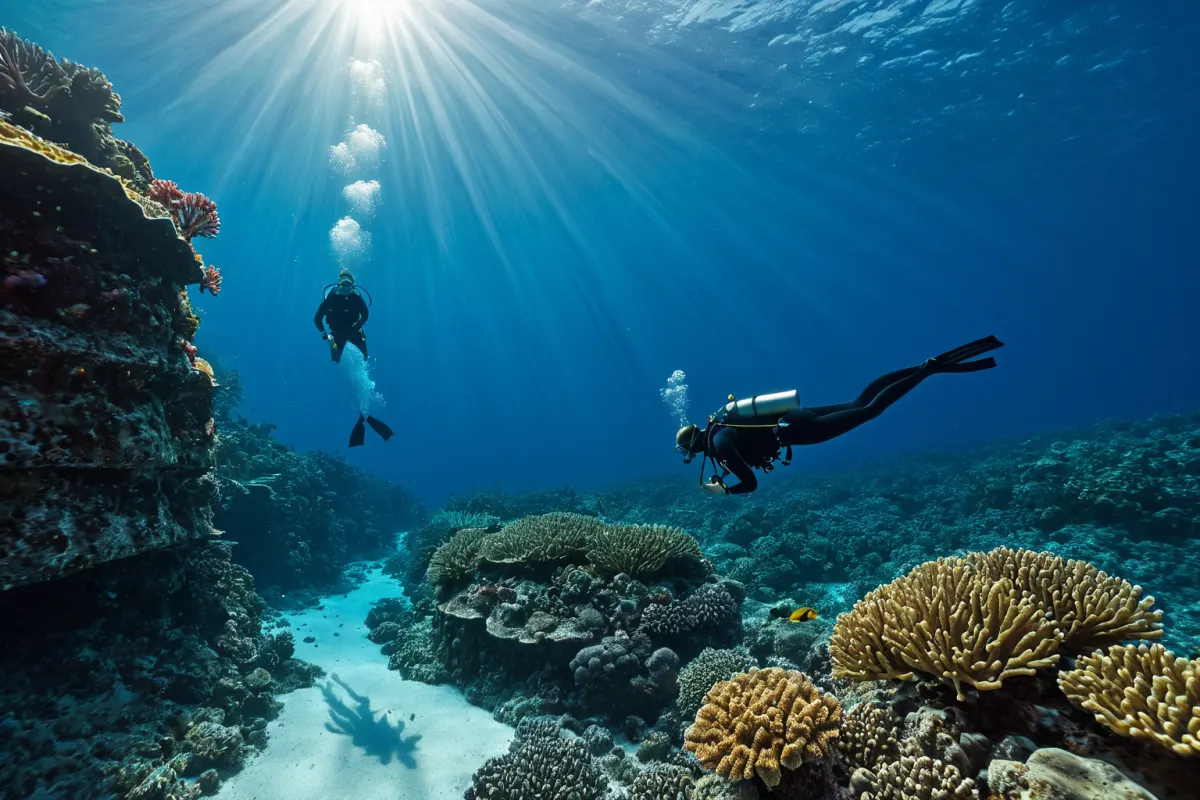
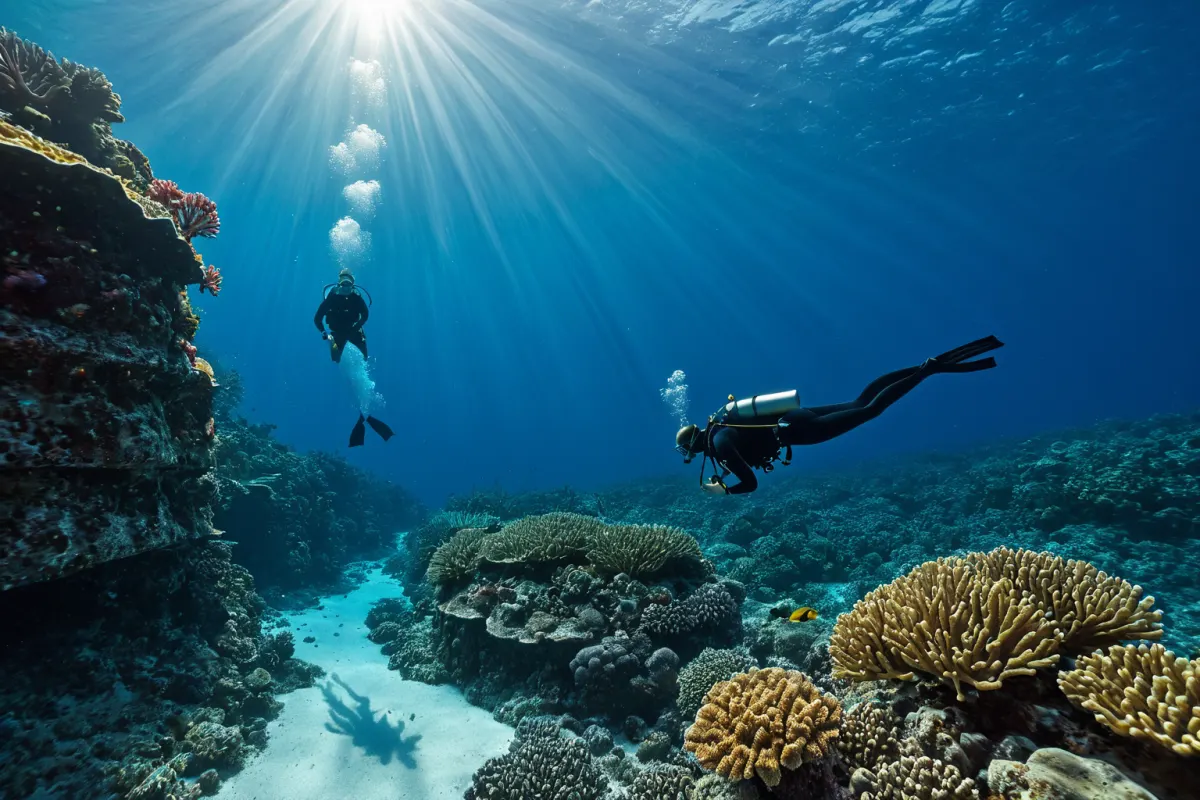
The biggest difference between scuba diving and free diving is the way you breathe. Scuba diving uses a tank and regulator to supply air, allowing you to stay underwater longer, while free diving involves holding your breath to descend quickly for shorter, lighter, and more fluid experiences.
Because of this, the equipment, training methods, and safety points are completely different. If you want to slowly observe the sea, scuba diving is ideal. If you prefer focusing on movement and breathing with minimal gear, free diving may be more appealing.
The Breathing Method Is the Key Difference
Scuba diving involves breathing air supplied from a tank while submerged. This allows for longer time underwater, making it great for observing sea terrain and marine life at your own pace.
Free diving is done on a single breath of air. With simpler equipment, mastering breath control, equalization, and relaxation becomes essential. While it may look like a competitive sport, many enjoy it as a hobby for the tranquility and immersion beneath the surface.
You can find similar articles all in one place.
View Related ArticlesDifferences in Equipment and Preparation Effort
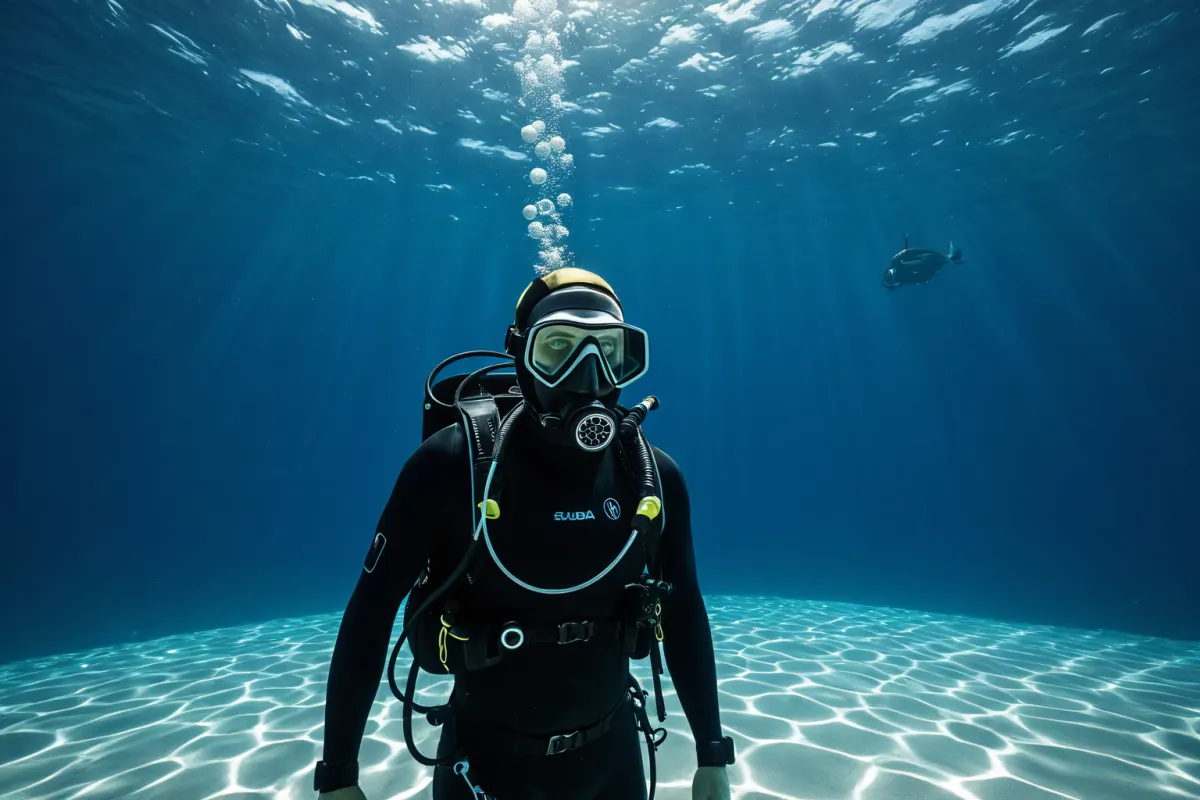
Scuba diving requires more gear: tanks, BCDs, regulators, gauges, weights, wetsuits, masks, and fins. While the equipment can make it easier to get started, the initial barrier might seem high.
Free diving is relatively simple, often starting with just a mask, long fins, a wetsuit, and weight belt. The lightweight gear makes travel-friendly, but simplicity doesn't mean lower difficulty. Breath control and stability are crucial, requiring careful attention to physical condition.
Differences in Training Methods and Learning Process
Scuba diving training focuses on learning equipment use, buoyancy control, emergency procedures, and underwater signals step by step. Beginners can easily follow a checklist to master basic movements.
Free diving emphasizes breath control, relaxation, surface recovery, and maintaining balance underwater. It's not just about holding your breath longer—it’s about reducing tension and moving efficiently. For example, one of the first things new learners practice is creating steady breathing rather than hyperventilating.
For instance, beginners learning scuba diving start by wearing gear and learning how to maintain position underwater without floating up. Free diving focuses on stabilizing your breathing rhythm before entering the water and safely ascending after descending. Because of these different starting points, preparation feels distinct for each activity.
Differences in Safety Points and Important Things to Know
Scuba diving allows longer time underwater thanks to air supply, but proper decompression management and equipment checks are essential. Key safety rules include not ascending too quickly, checking residual pressure, and staying with your buddy.
Free diving requires a more conservative approach due to breath-holding risks. It’s standard practice to dive with a buddy, avoid competitive breath-holding challenges, and never push for records if you feel comfortable underwater—sudden loss of consciousness can still occur.
Neither activity should be started just because you’re “used to water.” Being a strong swimmer doesn’t guarantee safe diving. Learning safety rules first actually helps improve your skills faster.
Who Is It Better For?
If you want to observe marine life for extended periods using equipment, scuba diving fits well. It’s also ideal for photography or marine exploration where longer underwater time is beneficial.
Conversely, free diving appeals if you prefer a direct connection with the sea using minimal gear. The subtle awareness of breath and body movement offers a more fluid experience underwater.
For example, if you want to enjoy long ocean tours during travel, scuba diving is more convenient. If you prefer multiple short dives to feel the water’s rhythm, free diving matches better. Ultimately, it's not about which is "better," but what kind of experience you're seeking.
Differences in Cost and Entry Difficulty
Scuba diving often feels more expensive upfront due to higher costs for lessons and equipment rental or purchase. However, beginners can start with rentals, so buying all gear isn’t necessary right away.
Free diving has a lower initial cost because of simpler gear, but proper training requires instruction and practice. Breathing techniques and surface recovery are key components, making it unwise to learn alone without guidance.
Choosing the Right Activity
If you're new to diving, consider what kind of experience you want rather than which activity seems easier. For a stable experience at resorts or travel destinations, scuba diving is ideal. If you prefer freedom of movement and short focused sessions, free diving may suit you better.
For example, photography often benefits from scuba diving’s longer underwater time for framing shots. Free diving offers higher satisfaction for those who enjoy fluid motion beneath the surface.
You don’t have to choose just one. Many people start with scuba diving to get comfortable with the water before trying free diving. Others begin with free diving and later take up scuba for longer underwater exploration.
Misunderstood Differences
Snorkeling is not the same as free diving. Snorkeling involves breathing at the surface while observing, whereas free diving requires holding your breath to descend below the surface. While both involve water activities, their techniques and movements differ significantly.
Scuba diving and skin diving are often confused. In Korea, people sometimes use "skin diving" broadly for all equipped diving, but it’s actually used differently in specific contexts. When searching online, be clear with terms like "scuba diving equipment," "scuba diving certification," or "free diving lessons."
Quick Comparison Summary
In short: Scuba diving uses more gear for longer stays underwater; free diving relies on simple gear but requires precise breath and body control.
If you're new to diving, avoid buying equipment first—try a trial lesson to see which style suits your preferences. Feeling comfortable underwater is the best way to decide what works for you.
FAQ
Q. Which is easier for beginners: scuba diving or free diving?
Scuba diving is generally easier for beginners because equipment helps with breathing, making it simpler to adapt to underwater conditions.
Q. Do I need to be a strong swimmer for free diving?
Good swimming ability helps but isn’t required at an elite level. What matters most is being comfortable in water and learning breath control and relaxation techniques.
Q. Are certifications required for either activity?
Experiences are often guided, but proper training is recommended for safety. Scuba diving certification and free diving lessons follow different standards.
Diving guidelines and educational content may vary by organization or region, so always check current information before signing up.
Continue exploring similar topics.
Browse CategoryFAQ
Which is easier for beginners: scuba diving or free diving?
Scuba diving is generally easier for beginners because equipment helps with breathing, making it simpler to adapt to underwater conditions.
Do I need to be a strong swimmer for free diving?
Good swimming ability helps but isn’t required at an elite level. What matters most is being comfortable in water and learning breath control and relaxation techniques.
Are certifications required for either activity?
Experiences are often guided, but proper training is recommended for safety. Scuba diving certification and free diving lessons follow different standards.
Korean Source
This article is an English localization of a Korean-language report from BlogScore. Original: 스쿠버다이빙과 프리다이빙 차이: 장비·훈련·안전 포인트 비교