
Save Up to $500 Monthly on Electricity Bills: Expert Tips for Home Energy Efficiency
How to Reduce Home Electricity Bills
Residents in Gangbuk District, Seoul, are saving over 50,000 won monthly through free energy diagnostic consultations provided by the local government. The service focuses on managing tiered electricity pricing and optimizing cooling/heating settings. Launched in June 2024, this program analyzes residents' electricity usage patterns and offers personalized savings strategies in collaboration with Korea Electric Power Corporation (KEPCO). Unlike basic information sharing, the initiative actively guides practical improvements in energy consumption.
Save 30,000-50,000 Won Monthly Through Tiered Pricing Management
Tiered electricity pricing increases rates as usage rises. Starting July 2025, tier thresholds will change, making it crucial to adjust consumption patterns in advance. For example, shifting from weekend-heavy usage to weekday-focused consumption can save 30,000-50,000 won monthly. The key is analyzing usage across tiers to avoid higher-cost levels—particularly staying below Tier 2, where rates increase significantly. The upcoming 2025 tier adjustments aim to protect small consumers by reducing their burden through improved pricing structures.
Smart Air Conditioning Tips for Lower Bills
Keeping air conditioners running continuously is more energy-efficient than turning them on and off frequently. KEPCO data shows that adjusting temperatures gradually or avoiding dehumidification mode significantly reduces costs. During summer, maintaining AC operation during peak heat hours (when outdoor temperatures are high) is more efficient since the unit consumes less power to maintain steady temperatures compared to repeated start-stop cycles. Dehumidification mode should be avoided as it increases energy use and can lead to unexpectedly high bills.
Switch to LED Lighting and Check Appliance Efficiency Ratings
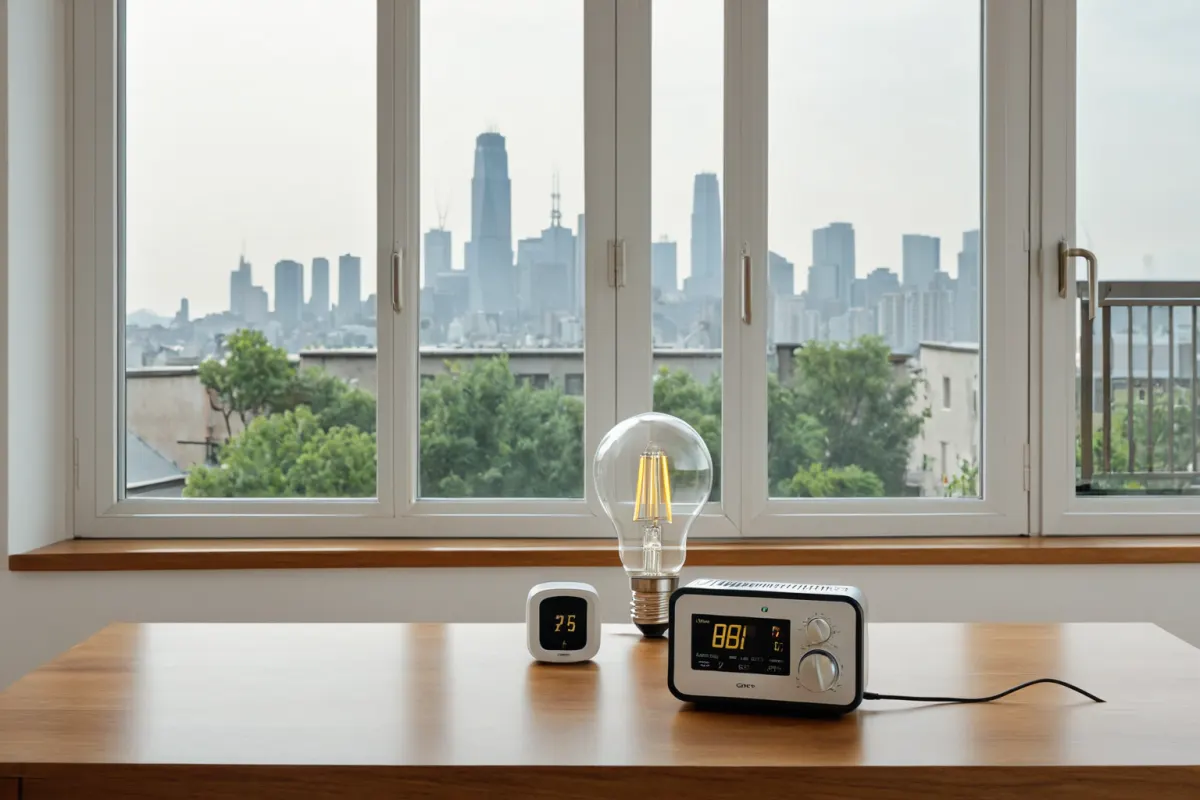
Replacing traditional bulbs with LED lighting reduces power consumption by over 70%. Additionally, selecting appliances rated E-1 (the highest efficiency grade) helps save long-term. For instance, upgrading older large appliances like refrigerators or washing machines can yield significant savings. Energy efficiency ratings are displayed on product labels or available online; E-1 indicates the most efficient models. Choosing energy-efficient appliances during purchases supports sustained bill reduction.
Seoul Gangbuk District's Free Consultation Program
Gangbuk District launched free energy diagnostic consultations in June 2024, helping residents analyze usage patterns and implement personalized savings strategies. Similar programs are available through the Gwangju-Jeonnam Medium and Small Business Administration (MSBA) and KEPCO for small businesses, with apartment management teams also participating. Residents who used these services reported average monthly savings exceeding 50,000 won after implementing LED lighting upgrades and appliance improvements.
Optimizing Apartment Electricity Contracts
Apartments often have electricity billing structures based on building characteristics. Effective management of Tier 3 pricing alone could save up to 3 billion won annually across apartment complexes. The key is adjusting collective consumption patterns and contract terms to minimize tiered pricing impacts. Building managers can tailor contracts to usage levels, helping residents avoid higher-cost tiers. Group energy-saving campaigns within apartment communities further contribute to overall reduction in power consumption.
Debunking the Shower Time Myth
The claim that reducing shower time by one minute saves 30,000-50,000 won monthly lacks verifiable data. While mentioned in some articles, it offers no specific evidence or experiments, making it unreliable. For proven savings, focus on validated methods like LED lighting and AC usage tips.
Changes to Tiered Pricing Effective July 2025
Tier thresholds will change starting July 2025 as part of policy adjustments designed to protect small consumers. Understanding these changes in advance allows residents to adjust habits for additional savings. This adjustment is a key component of electricity rate policy improvements, aiming to reduce consumer burden while promoting energy efficiency.
Be Cautious With AC Dehumidification Mode
Using AC dehumidification mode increases energy consumption and can lead to unexpectedly high bills. Follow manufacturer recommendations: set appropriate temperatures and optimize cooling periods instead of relying on dehumidification. During summer, keeping AC running during peak heat hours is more efficient than using dehumidification mode, which requires additional power to lower humidity.
Clearing Up Misconceptions About Evening Laundry
The myth that running laundry machines in the evening causes high electricity bills is inaccurate. Modern time-of-use pricing policies no longer charge higher rates during evening hours. In fact, daytime operation may be more cost-effective as many low-power mode appliances are available, and time-based rate differences have diminished.
Real-World Example: 50,000 Won Monthly Savings
After participating in Gangbuk District's consultation program, apartment residents achieved monthly savings exceeding 50,000 won. This was accomplished through a combination of tiered pricing management, optimized cooling/heating settings, and LED lighting upgrades. For example, one apartment complex analyzed consumption patterns and adjusted usage to stay within Tier 2, achieving an average monthly saving of 53,000 won. Additional savings came from switching to LED lights and upgrading appliances.
Essential Information to Verify
To maximize electricity bill reductions, verify these key details: tiered pricing change date (July 2025), free consultation service locations (Gangbuk District, Gwangju-Jeonnam MSBA), and how to check appliance energy efficiency ratings. KEPCO's website offers tools like billing calculators and tier information, and participating in free consultation programs provides personalized savings strategies.
Frequently Asked Questions
Q: Is it more efficient to keep air conditioners running continuously rather than turning them on and off?
A: Yes. KEPCO data confirms that continuous operation is more energy-efficient than frequent start-stop cycles. Managing temperature settings and cooling duration are key factors.
Q: Does reducing shower time save electricity costs?
A: The claim that cutting shower time by one minute saves 30,000-50,000 won monthly lacks reliable evidence. Focus on proven methods like LED lighting upgrades and AC usage tips instead.
Q: What is the most effective way to reduce apartment electricity bills?
A: Managing tiered pricing and optimizing contract terms are most effective. Participate in Seoul Gangbuk District's free consultation program for personalized strategies.
Explore more articles on similar topics.
View Related ArticlesFAQ
Is it more efficient to keep air conditioners running continuously rather than turning them on and off?
Yes. KEPCO data confirms that continuous operation is more energy-efficient than frequent start-stop cycles. Managing temperature settings and cooling duration are key factors.
Does reducing shower time save electricity costs?
The claim that cutting shower time by one minute saves 30,000-50,000 won monthly lacks reliable evidence. Focus on proven methods like LED lighting upgrades and AC usage tips instead.
What is the most effective way to reduce apartment electricity bills?
Managing tiered pricing and optimizing contract terms are most effective. Participate in Seoul Gangbuk District's free consultation program for personalized strategies.
Korean Source
This article is an English localization of a Korean-language report from BlogScore. Original: 월 5만 원 절약! 전기요금 컨설팅으로 가정용 전력비 줄이기