
Saudi Riyadh Attack Incident: Current Situation and Analysis
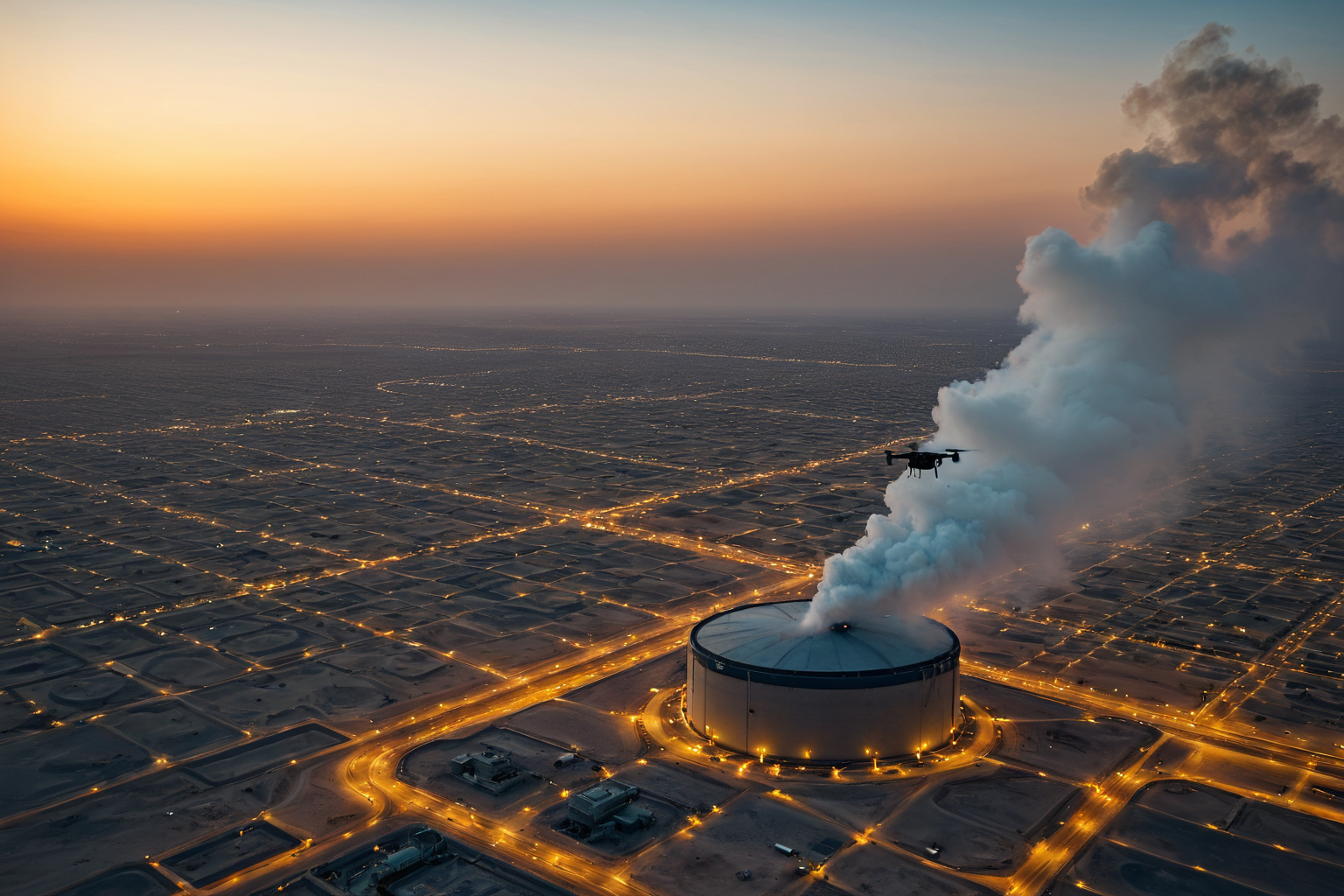
Riyadh Attack Situation
The attack by Yemeni Houthi rebels on Riyadh, Saudi Arabia's capital, occurred on September 19, 2026. This marks an expansion of the Houthis' attack range compared to previous incidents, with reports of oil tank fires and flight cancellations within Riyadh. The Saudi government requested that the Trump administration target the Houthi rebels, but the U.S. has postponed this decision.
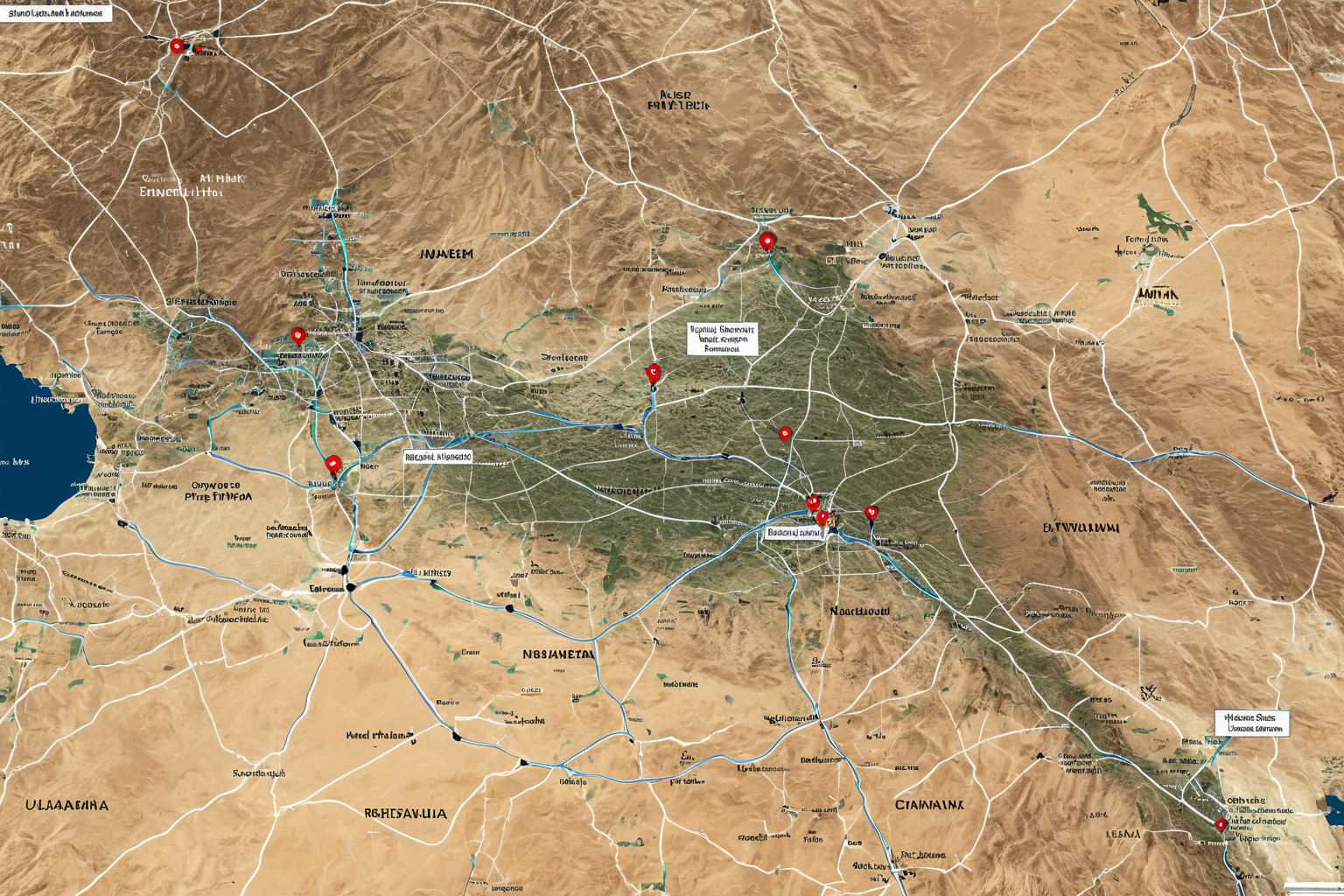
Damages and Energy Market Impact
The attack began on the afternoon of September 19 in the vicinity of Riyadh International Airport using ballistic missiles and drones. On September 20, oil tank fires and flight cancellations were reported, causing international oil prices to rise by over 2%. Saudi Arabia temporarily shut down a 7 million barrel pipeline but later resumed operations. Additionally, the oil tank fire led to increased air pollution in surrounding areas and health concerns for residents. The Saudi government has initiated emergency relief efforts and is working on facility repairs following the fire.
Incident Background and Timeline
On September 19, 2026, Houthi rebels began attacking Riyadh, connecting to the Yemen civil war. Missiles and drones were confirmed to have struck near Riyadh International Airport. An air raid alert was issued later that evening, with reports of oil tank fires and flight cancellations emerging on the morning of September 20.
The Trump administration decided on September 21 to postpone military action against the Houthis in response to Saudi requests. This decision has heightened concerns about regional stability, with Pakistan and Turkey reportedly considering military intervention in response to the attack. Iran has expressed support for the Houthi attacks but has not confirmed specific forms of assistance. Tensions between Iran and Saudi Arabia continue, prompting international discussions on peaceful resolutions in the Middle East.
Analysis of Houthi Attack Reasons
The Houthi attack on Riyadh is deeply tied to the Yemen civil war. Fighting intensified between government forces and Houthis in southern highlands, displacing nearly 130,000 people as reported on September 22, 2026. This escalation highlights the growing impact of the Yemen conflict on regional stability.
While Houthi rebels have previously targeted Saudi Arabia, this attack on the capital is notable for its scale. It suggests either an expansion of Houthi military capabilities or a strategic shift amid changing Middle East dynamics. The Houthis may also aim to influence global oil prices by targeting Saudi energy infrastructure—a strategy to expand economic influence in the region.
The recent attack reflects complex ties between Yemen's civil war and Saudi Arabia-Houthi relations, with Iran supporting the Houthis as part of its broader regional influence efforts. Saudi Arabia remains cautious in responding to Houthi attacks due to ongoing tensions with Iran.
International Response and Safety Updates
President Trump hinted at a 'big decision' regarding Iran and mentioned potential meetings with the Iranian president, though no direct link has been confirmed between this statement and the Riyadh attack.
Saudi authorities requested military action from the Trump administration but faced postponement. Pakistan and Turkey are reportedly considering military intervention in response to the attack, signaling possible regional escalation. Meanwhile, intensified fighting in southern Yemen highlands has led to rising casualties and nearly 130,000 displaced persons—highlighting how the Yemen conflict affects broader Middle Eastern stability. International aid organizations are increasing support for humanitarian efforts amid this crisis.
Following the attack, Saudi authorities have strengthened security measures to protect civilians and improved air traffic management systems in Riyadh and surrounding areas.
Key Points to Verify
The Riyadh attack demonstrates an expanded Houthi operational range with direct impacts on global energy markets. The Trump administration's postponement has increased concerns about regional stability, while Pakistan and Turkey's potential military involvement could further escalate the conflict. The Yemen civil war continues to intensify in southern highlands, displacing thousands and drawing international attention.
Readers can verify details through official Saudi government announcements, energy market reports, and UN reports on the Yemen conflict for additional information.
Frequently Asked Questions
Why did the Houthis attack Riyadh?
The Houthi rebels are linked to the Yemen civil war. Their attack on Riyadh appears aimed at influencing Middle East dynamics, targeting Saudi Arabia as part of their broader strategy.
Why did oil prices rise after the Riyadh attack?
Oil prices increased due to a temporary shutdown of a 7 million barrel pipeline and fires at oil tanks, disrupting energy supply.
Why did the Trump administration postpone military action against the Houthis?
The Trump administration is weighing regional stability and international relations before making further decisions, with no specific announcement yet made.
You can find more articles on this topic in one place.
View Related ArticlesFAQ
Why did the Houthis attack Riyadh?
The Houthi rebels are linked to the Yemen civil war. Their attack on Riyadh appears aimed at influencing Middle East dynamics, targeting Saudi Arabia as part of their broader strategy.
Why did oil prices rise after the Riyadh attack?
Oil prices increased due to a temporary shutdown of a 7 million barrel pipeline and fires at oil tanks, disrupting energy supply.
Why did the Trump administration postpone military action against the Houthis?
The Trump administration is weighing regional stability and international relations before making further decisions, with no specific announcement yet made.
Korean Source
This article is an English localization of a Korean-language report from BlogScore. Original: 사우디 수도 공격 사건의 현재 상황과 원인 분석