
Saudi Riyadh Attack: Causes and Truth Behind Houthi Militant Operation
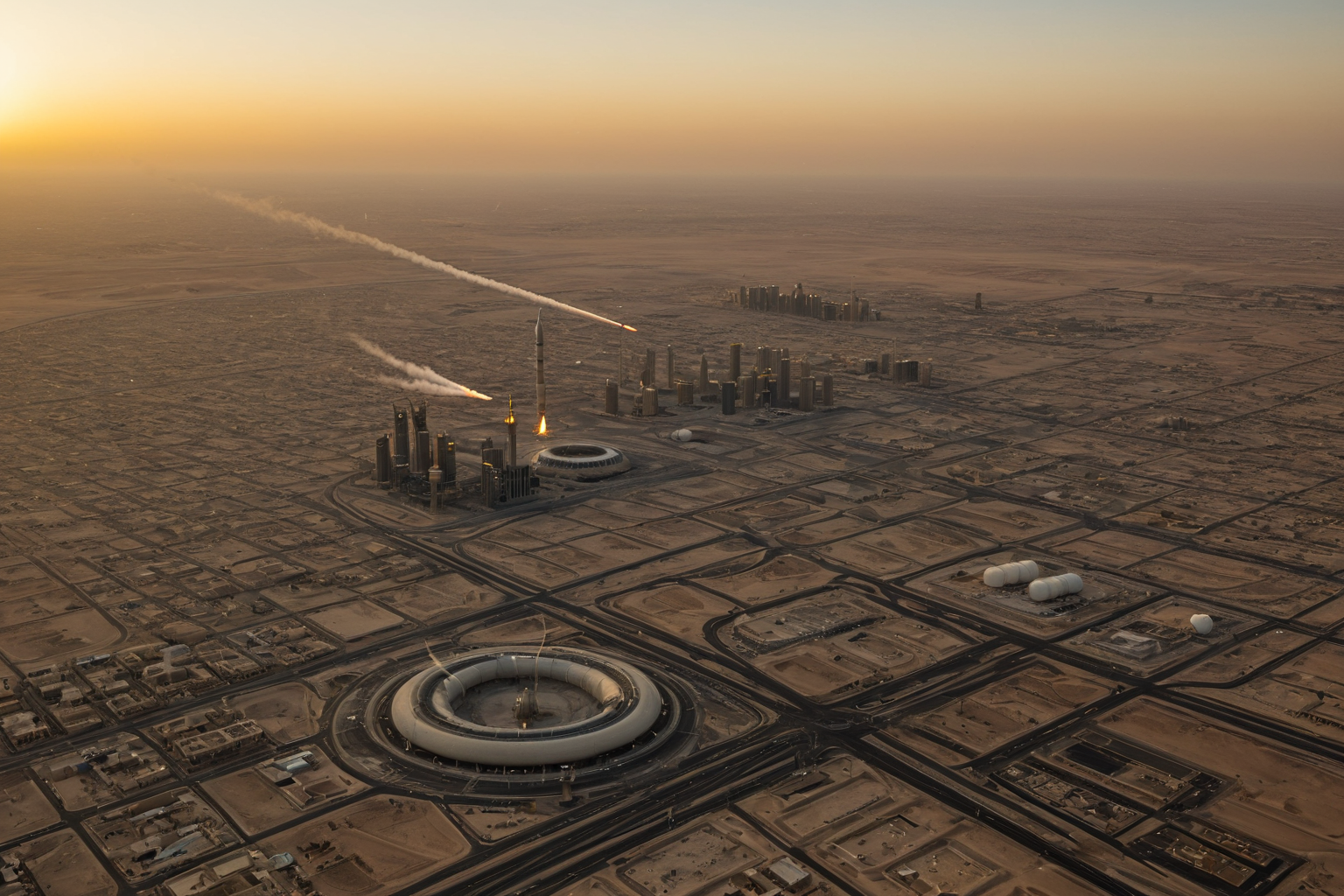
Key Facts of the Saudi Capital Attack
A Houthi rebel ballistic missile and drone attack struck Riyadh, Saudi Arabia's capital, on September 19, 2026. The assault triggered explosions and alarms, with a fire breaking out near fuel tanks at an airport, leading to reported flight cancellations. While Saudi forces successfully intercepted the missiles, the incident impacted oil export routes in the Red Sea region.
Houthi Attack Methods and Damage
The Houthis employed ballistic missiles and drones in their attack on Riyadh, reflecting their expansion from Yemen's civil war into a broader regional threat. Explosions and alarms were reported immediately after the strike, with black smoke observed near the airport. A fire at fuel tanks adjacent to Riyadh International Airport's runways and aircraft waiting areas caused airlines to take emergency measures.
Saudi Response and International Reaction
Saudi authorities successfully intercepted two ballistic missiles and three drones following the attack. The successful defense highlighted Saudi Arabia's advanced missile defense system, which has been strengthened in recent years. G7 nations called for an immediate halt to Iranian arms support to the Houthis and strongly condemned the attack on Saudi Arabia. U.S. officials confirmed that during the Trump administration, a planned airstrike against Houthi targets was postponed at Saudi request. On September 22, 2026, the U.S. Department of Defense officially acknowledged Iran's weapons transfers contributed to heightened Houthi threats.
Historical Context and Causes of the Attack
This incident reflects the Houthis' expansion from Yemen's civil war into a regional security threat backed by Iranian support. Tensions between Saudi Arabia and Iran have intensified, with Yemen's conflict becoming an international issue. The Houthis have repeatedly targeted Saudi Arabia in attacks, and this strike was part of that pattern. Notably, on September 17, 2026, Iran provided additional missile technology to the Houthis, which played a key role in planning this attack.
International Cooperation and Future Outlook
G7's call for an end to Iranian arms transfers was part of broader international efforts to address Houthi-related issues. The G7 summit statement emphasized that 'Iranian weapons support undermines Middle East peace and stability, and must cease immediately.' While the Trump administration paused a planned airstrike against Houthis at Saudi request, concerns about regional instability persisted. This event underscores the complex conflict dynamics in Yemen and the need for international cooperation. Moving forward, Saudi Arabia plans to further strengthen its missile defense systems and enhance international collaboration to stabilize oil export routes in the Red Sea.

Incident Details of the Riyadh Attack
The attack occurred around 11:28 p.m. on September 19, 2026, when Houthi rebels launched ballistic missiles and drones against Riyadh. This caused a fire at fuel tanks near the airport, with explosions and alarms reported. Although Saudi forces intercepted the missiles successfully, the incident led to flight cancellations and economic impacts due to disruptions in Red Sea oil export routes. Over 10 flights were canceled at Riyadh International Airport, directly affecting Saudi Arabia's tourism and trade activities. Oil exports through the Red Sea region temporarily halted after the attack, with potential price fluctuations expected in global energy markets.
Houthi Planning and Actual Causes
The Houthis aimed to strengthen their political influence in the Middle East through this attack on Saudi Arabia. With Iranian arms support, they acquired ballistic missile and drone technology used in targeting Riyadh. This strike reflects the Houthis' expanded threat from Yemen's civil war and signals deepening regional instability. On September 15, 2026, Iran provided additional missile technology to the Houthis, directly influencing the attack planning.
Saudi Government Response and Safety Measures
Following the attack, Saudi authorities activated emergency alerts and successfully intercepted incoming missiles. They also deployed fire and rescue teams immediately around the airport fuel tanks to prevent further damage. The Saudi Ministry of Defense reported that firefighting units were dispatched within minutes to extinguish fires at the airport's surrounding areas. Additionally, measures to stabilize oil export routes in the Red Sea region were announced, with plans to resume operations within 24 hours.
Information to Verify
The exact scale of damage and causes behind the Riyadh attack remain partially unconfirmed. Verification is needed regarding Iran's arms support to the Houthis, particularly any additional cooperation between Iran and the Houthis after September 15, 2026. Specific details on Saudi Arabia's future response plans and stabilization measures for Red Sea oil export routes are also pending further reports. Readers should refer to official announcements and energy market reports for updates.
Frequently Asked Questions
What caused the attack on Riyadh?
The Houthi rebels, supported by Iran, targeted Saudi Arabia as part of their ongoing campaign in Yemen's civil war. The incident reflects deepening regional instability stemming from Yemen's conflict.
How did Saudi authorities respond?
Saudi forces successfully intercepted the missiles and took measures to prevent further damage at airport fuel tanks, minimizing economic impact on trade and tourism.
What was the G7's reaction?
The G7 called for an immediate halt to Iranian arms support to the Houthis and strongly condemned the attack. This reflects international efforts toward a collective response to Houthi-related security threats.
You can find more articles on this topic in one place.
View Related ArticlesFAQ
What caused the attack on Riyadh?
The Houthi rebels, supported by Iran, targeted Saudi Arabia as part of their ongoing campaign in Yemen's civil war. The incident reflects deepening regional instability stemming from Yemen's conflict.
How did Saudi authorities respond?
Saudi forces successfully intercepted the missiles and took measures to prevent further damage at airport fuel tanks, minimizing economic impact on trade and tourism.
What was the G7's reaction?
The G7 called for an immediate halt to Iranian arms support to the Houthis and strongly condemned the attack. This reflects international efforts toward a collective response to Houthi-related security threats.
Korean Source
This article is an English localization of a Korean-language report from BlogScore. Original: 사우디 수도 공격 사건 원인, 테러 조직의 계획과 진실