
Samsung and SK Hynix Stock Crash: Analysis and Response Strategies
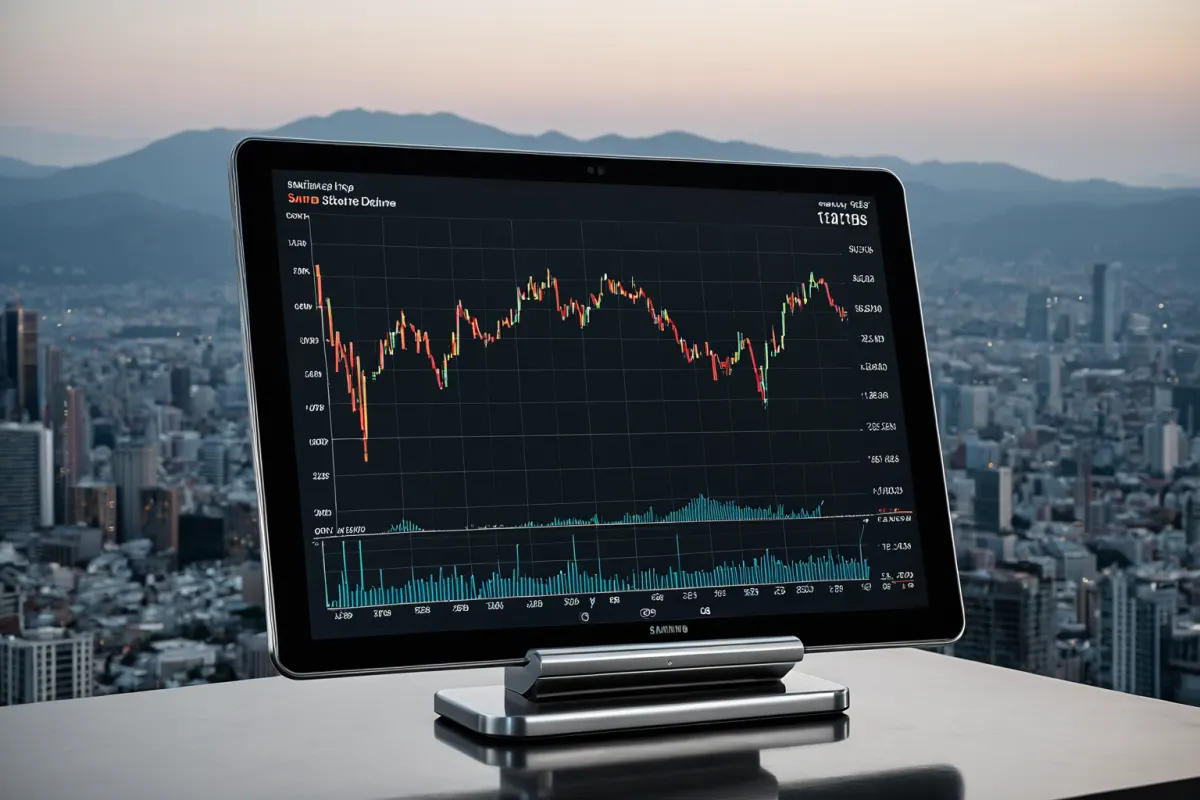
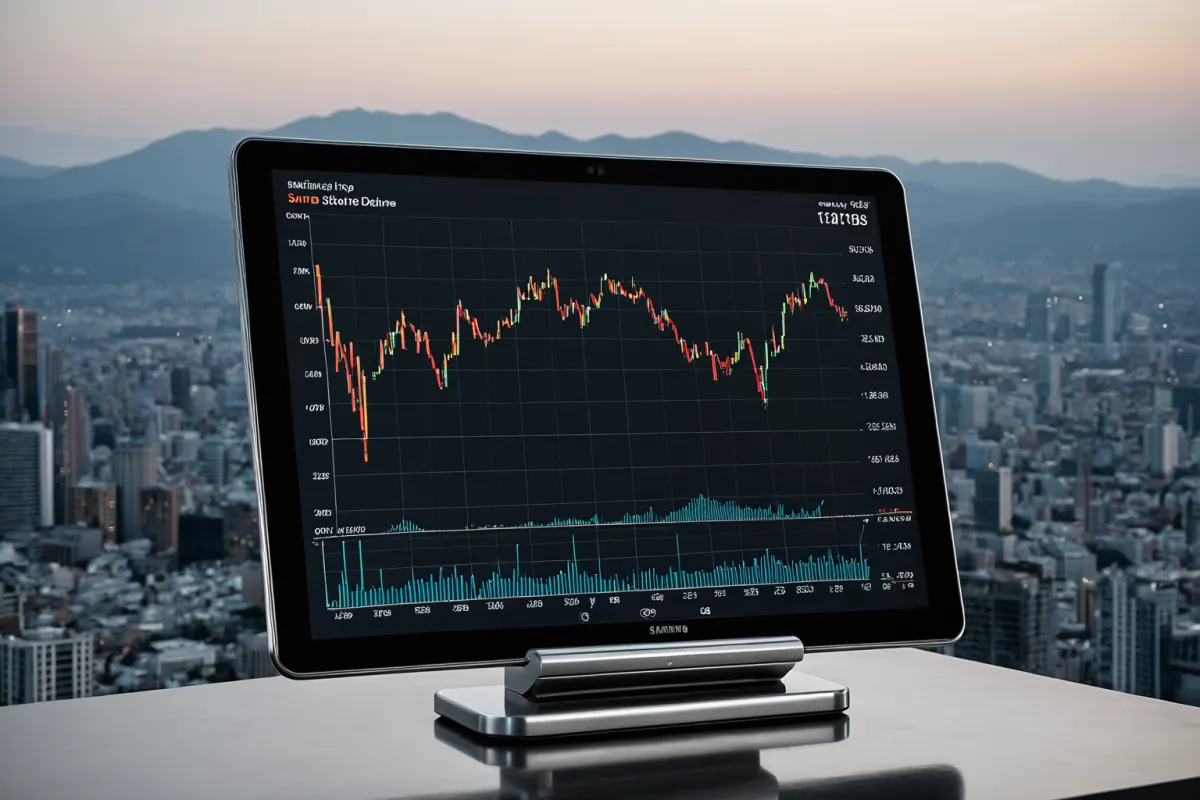
Samsung Electronics and SK Hynix Stock Plunge: Despite Record-Quality Performance
Stocks of Samsung Electronics and SK Hynix have recently plummeted, drawing significant market attention. As of July 7, Samsung fell over 6%, while SK Hynix dropped more than 10%. This sharp decline occurred despite both companies reporting record-breaking quarterly results—leading to the market's frustration captured in phrases like '89 trillion earned but sold off in a flood.'
The recent stock plunge isn't merely a disconnect between performance and price, but rather the result of multiple factors converging. Concerns over NVIDIA's potential investment shifts, the 'RAM Megadon' phenomenon (a sharp market volatility in memory chips), and a 5% drop in the KOSPI index have all contributed to heightened market anxiety.
Key Facts: Stock Fluctuations and Market Reports
On July 7, Samsung Electronics shares dropped by 6.40%, while SK Hynix fell 9.92%. This caused the KOSPI index to fall over 5%, sparking fears of a '7,000-point crisis.' Both companies had reported record profits compared to last year, yet their stock prices diverged sharply from this strong performance.
Reports indicate that both stocks began declining on June 29, with foreign investors selling off approximately 70 billion won in large-scale transactions. This further intensified the volatility of Samsung and SK Hynix shares.
Timeline: Step-by-Step Progression of Stock Decline
The decline started on June 29 as Samsung and SK Hynix faced a combination of semiconductor investment announcements and large-scale foreign selling (70 billion won). Additional negative factors included the listing of Changshin Memory Technologies, expectations of U.S. interest rate hikes, and other market pressures.
On July 14, the KOSPI index dropped over 5%, intensifying the '7,000-point crisis' fears and further worsening Samsung and SK Hynix's stock performance. Experts noted that anxiety spread throughout the market at this point.
By July 28, Japanese media reported that fluctuations in Samsung and SK Hynix stocks had caused volatility in the Nikkei index, reflecting the global impact of these companies' share price movements.
Cause Analysis: Multiple Factors at Play
The stock crash is not due to a single cause but rather a combination of several factors. First, concerns over NVIDIA's potential investment shifts have affected market sentiment. As a key player in the semiconductor industry, NVIDIA’s strategic changes can directly impact Samsung and SK Hynix.
Second, the 'RAM Megadon' phenomenon—referring to sharp volatility in memory chip markets—has intensified stock fluctuations for both companies.
Third, the KOSPI index's 5% drop has spread overall market anxiety. Experts refer to this as a '7,000-point crisis,' stressing the need for immediate countermeasures to address it.
Response and Safety Information: Market Outlook
Experts view Samsung and SK Hynix's stock decline as short-term volatility with strong potential for recovery. The market is expected to rebound following NVIDIA’s August earnings report, which could signal a shift in investor sentiment.
Some foreign investors are treating the drop as an entry opportunity, with some buying shares this week at lower prices—a strategic move to capitalize on temporary dips.
The decline has also increased shareholder interest in 'turnaround cards'—strategic initiatives that could strengthen Samsung and SK Hynix's long-term market position.
Verified Information: Consistency of News Reports
Most reports about the stock crash align, though some mistakenly refer to 'SK Itrenics' instead of SK Hynix. The correct company name is SK Hynix. Additionally, while Samsung’s shares dropped over 6%, specific reports cite a precise decline of 6.40%, which matches reported figures.
Analysis of the causes also consistently points to multiple factors: concerns about NVIDIA's investment strategy and the RAM Megadon phenomenon, among others.
Frequently Asked Questions
What are the main reasons behind Samsung and SK Hynix’s stock plunge?
The drop resulted from a combination of factors including worries over NVIDIA’s investment shifts, the RAM Megadon phenomenon, large-scale foreign selling (70 billion won), and a 5% decline in the KOSPI index.
How might NVIDIA’s August earnings report affect market recovery?
Market analysts expect a rebound following NVIDIA's August earnings release, which could serve as an indicator of broader semiconductor industry trends.
What is the current concern regarding management crises from stock fluctuations?
While stock declines have raised concerns about potential management issues, foreign investors are treating this as a buying opportunity and some have already purchased shares. Increased shareholder interest in 'turnaround cards' suggests positive signals for long-term recovery.

Conclusion: Understanding Market Volatility and Outlook
The stock plunge of Samsung and SK Hynix appears to be a short-term fluctuation. Recovery is expected following NVIDIA's August earnings report, with foreign investors potentially taking advantage of lower prices as an entry point. As market anxiety spreads, accurate information and strategic responses are crucial for navigating this volatility.
While the stock decline seems disconnected from strong performance, long-term growth potential remains intact. The most effective strategy for addressing market fluctuations is to explore strategic initiatives aimed at strengthening their position in the global market.
You can find more articles on similar topics here.
View Related ArticlesFAQ
What are the main reasons behind Samsung and SK Hynix’s stock plunge?
The drop resulted from a combination of factors including worries over NVIDIA’s investment shifts, the RAM Megadon phenomenon, large-scale foreign selling (70 billion won), and a 5% decline in the KOSPI index.
How might NVIDIA’s August earnings report affect market recovery?
Market analysts expect a rebound following NVIDIA's August earnings release, which could serve as an indicator of broader semiconductor industry trends.
What is the current concern regarding management crises from stock fluctuations?
While stock declines have raised concerns about potential management issues, foreign investors are treating this as a buying opportunity and some have already purchased shares. Increased shareholder interest in 'turnaround cards' suggests positive signals for long-term recovery.
Korean Source
This article is an English localization of a Korean-language report from BlogScore. Original: 삼전과 닉스 주가 폭락 원인 분석 및 대응 전략