
Samsung DX Union Voices at Protest Site
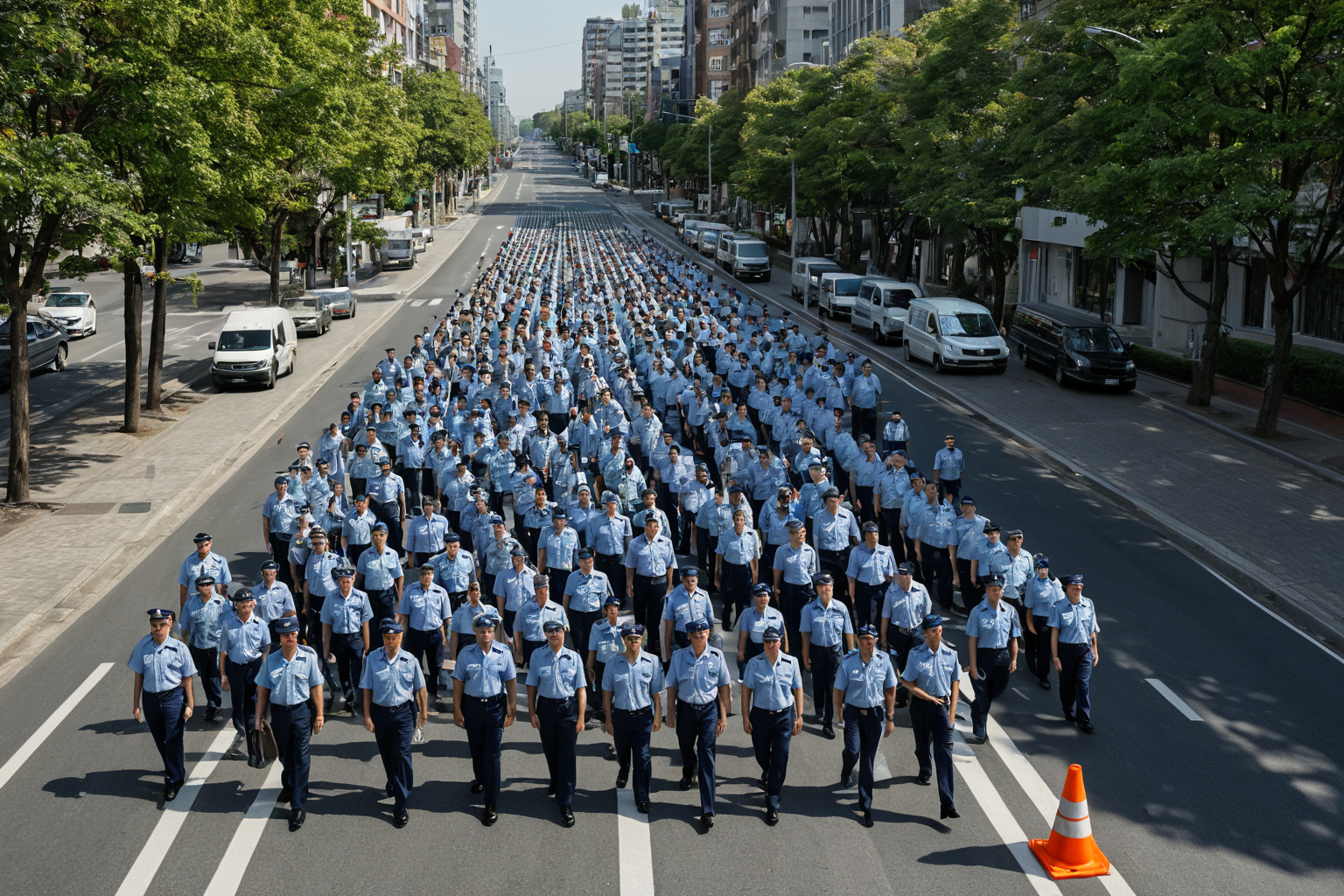
Samsung DX Union Protest Scale and Location
The Samsung Electronics DX Union held a large-scale protest with 1,800 to 2,500 participants. The demonstration took place on Seocho-daero, where employees began an indefinite protest in front of Chairman Lee Jae-yong's residence. Employees highlighted that despite record sales, the division reported losses, even performing a haircut ceremony as part of their protest.
The first major group action started on August 21, 2026, on Seocho-daero, following an announcement to hold an indefinite protest in front of Chairman Lee's residence. The protest officially began on September 5 after the announcement. Notably, the August 21 gathering became known as the 'Seocho Back North Protest,' sparking controversy among citizens who claimed it caused traffic congestion.
Some participants compared the division's performance with management's failed decisions during a haircut ceremony, expressing strong dissatisfaction over losses despite record semiconductor sales. As of August 2026, Samsung's semiconductor division reported a 15% year-on-year growth in revenue, but claimed this was due to poor investment and marketing strategies by management.
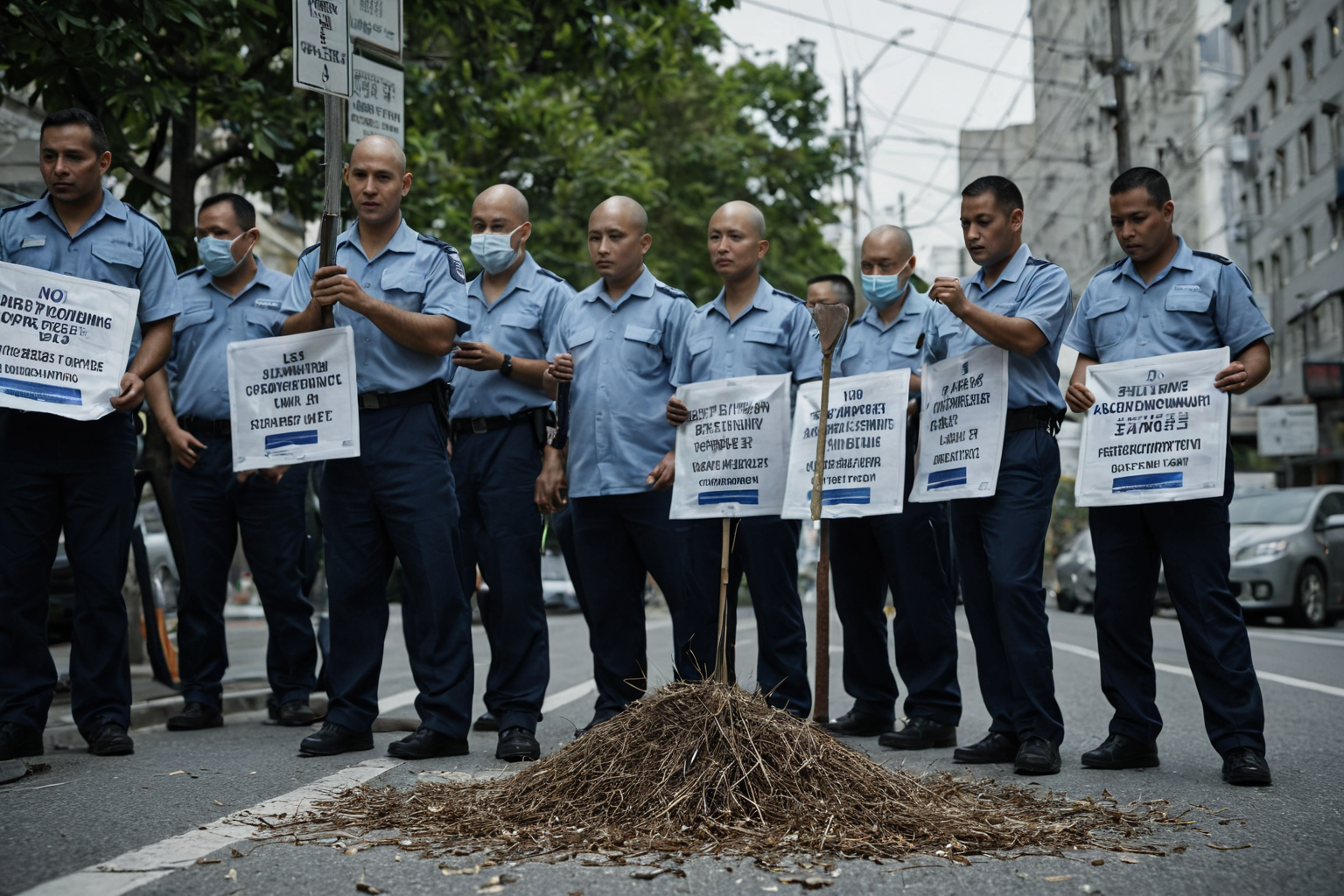
Main Demands and Slogans
The DX Union criticized the disparity in performance bonuses with the slogan 'Same Company, Same Rights.' Employees expressed frustration over management shifting responsibility and emphasized issues of bonus payments and poor decision-making.
This slogan reflects criticism of unclear bonus criteria and unequal treatment among employees. DX Division staff claim their bonuses are 30% lower than other divisions, attributing this to management errors. They also stressed that while the DX Division is a core business area, it has been neglected in terms of wages and benefits.
Employees also hold management accountable for losses resulting from failed investment decisions. Specifically, they pointed to strategic missteps affecting competitiveness in the semiconductor market, which they argue have led to overall company performance decline.
Voices from the Protest Site
Employees performed a haircut ceremony while highlighting that despite record sales, the division reported losses. Some stated, 'We began an indefinite protest in front of Chairman Lee's residence,' emphasizing that DX Division losses are due to management failures.
Voice from a semiconductor development team member: 'We achieved record sales in what is the company's core business—semiconductors—but management ignores these achievements and tries to shift blame for losses. Bonuses are also unfairly lower compared to other divisions.'
Another employee added, 'The protest outside Chairman Lee's residence is a direct way to voice our concerns. We use the slogan 'Same Company, Same Rights' to criticize bonus disparities.'
On September 14 during a march on Gangnam road after work, the chant 'Listen to the DX voices' was frequently heard, and protests were held outside Samsung's Seocho headquarters. This reflects employees' perception that they have been excluded from negotiations with management.
Deepening Labor-Union Tensions and Potential Separation of 'Semiconductor-only Union'
The Samsung Together Union demanded the halt of AX, a personnel reduction measure, viewing DX Division losses as due to poor management decisions. This has intensified labor-union tensions, with speculation about forming a separate 'semiconductor-only union.'
The Together Union argues that a separate negotiation framework is needed between the DX Division and other divisions to resolve conflicts. This reflects the view that the DX Division, as a core business area, has unique demands.
Specifically, the Together Union emphasized, 'Losses in the DX Division are due to management's poor decisions, and management must take responsibility. At the same time, a separate union is needed to address DX employees' demands.'
Status of Indefinite Protest Outside Chairman Lee's Residence
The DX Union continues its indefinite protest outside Chairman Lee Jae-yong's residence. The protest began on September 5 following an announcement made on August 21, with large group actions on Seocho-daero. Employees chanted 'Stop Blaming Management for Failure.'
This indefinite protest started as a demand for direct dialogue with management, with employees requesting explanations on bonus payments and the causes of losses during the first gathering on September 5. Since then, protests have been held regularly every Wednesday, while large group actions on Seocho-daero primarily occur on Tuesdays.
The protest outside Chairman Lee's residence remains ongoing as management has yet to respond officially. However, some reports suggest Samsung Electronics is preparing to engage in dialogue with the union.
Protest at Seocho Headquarters and Gangnam March
The Samsung Together Union marched on Gangnam during rush hour and held protests outside Seocho headquarters. The march began with the chant 'Listen to the DX voices,' demanding management's resignation and invalidating negotiations.
About 500 employees participated in the September 14 Gangnam march after work, while approximately 300 gathered at Seocho headquarters. This reflects employees' sense of exclusion from negotiations with management.
During the march, chants like 'The DX Division is the company's core business but management ignores it' were common. Employees also demanded explanations from management regarding bonus payments and the causes of losses.
Management Accountability for DX Division Losses
The DX Union claims that the division's losses are due to management's poor decisions. Employees highlighted that despite record sales, losses occurred, emphasizing management's responsibility.
As of August 2026, while the semiconductor division saw a 15% year-on-year revenue increase, it attributed this to weakened competitiveness in the semiconductor market and failed investment and marketing strategies by management. Specifically, weakened price competitiveness compared to competitors was cited as a key factor.
Employees stressed that management made poor investment decisions for the semiconductor division, leading to overall company performance decline. They also criticized management for not adequately considering DX Division employees' opinions when making decisions related to bonus payments.
Demand for 1,000 Shares per Employee
The DX Union is demanding that each employee receive 1,000 shares of company stock. This demand relates to the performance bonus issue and reflects dissatisfaction with management shifting responsibility.
Receiving 1,000 shares means distributing Samsung's stock to employees as a substitute for bonuses. The union sees this as a way to link employee performance with company success, reflecting the unequal treatment of DX Division staff compared to other divisions.
Employees hope that receiving these shares will help resolve bonus payment issues and express dissatisfaction with management shifting blame while also aiming to rebuild trust between the company and employees.
Controversy Over 'Seocho Back North Protest'
The protest, attended by 1,800–2,500 people, sparked controversy as the 'Seocho Back North Protest.' Some citizens criticized it as a 'back north gathering,' and there were complaints about large-scale group actions on Seocho-daero.
This controversy mainly concerned traffic disruptions, with some citizens stating their daily commutes were disrupted. However, the DX Union has continued to voice its concerns over management shifting blame.
The 'Seocho Back North Protest' was the first major gathering held on August 21, 2026, on Seocho-daero. On that day, DX Division employees expressed their dissatisfaction with management shifting blame while demanding solutions to bonus payment issues.
Deepening Labor-Union Tensions and Potential Separation of Semiconductor Union
Tensions between the DX Division and other divisions' unions are intensifying within Samsung Electronics. The Together Union has suggested that a separate 'semiconductor-only union' could become a reality.
The DX Division, as Samsung's core business, reported losses due to weakened competitiveness in the semiconductor market, which it attributes to management's poor decisions. Therefore, employees seek to form a separate union to directly negotiate with management.
The Together Union argues that the DX Division has unique demands and requires its own negotiation framework for resolution. This reflects employees' perception of being excluded from negotiations with management.
Protest Coverage and Timeline
The DX Union held a large protest on August 21, beginning an indefinite protest in front of Chairman Lee's residence. The official protest began on September 5, with a Gangnam march after work and protests outside Seocho headquarters on September 14.
The first gathering on August 21 became known as the 'Seocho Back North Protest,' where employees expressed dissatisfaction with management shifting blame while demanding solutions to bonus payment issues. The indefinite protest starting September 5 is held regularly every Wednesday, while large group actions on Seocho-daero primarily occur on Tuesdays.
On September 14, about 500 employees participated in the Gangnam march after work, and approximately 300 gathered at Seocho headquarters. This reflects employees' sense of exclusion from negotiations with management.
Searcher Verification
The Samsung DX Union protest began on August 21 on Seocho-daero, with an indefinite protest ongoing in front of Chairman Lee Jae-yong's residence. Main employee demands centered around bonus payment issues and management shifting responsibility for losses.
Frequently Asked Questions
What issues did the DX Union raise? The DX Union raised concerns about semiconductor performance bonus disparities and management blaming them for losses. They criticized bonus disparities using the slogan 'Same Company, Same Rights' and demanded 1,000 shares per employee.
When did the protest outside Chairman Lee's residence begin? The indefinite protest outside Chairman Lee's residence started on September 5. An announcement was made on August 21, with the official start on September 5.
How is the DX Division loss viewed? The DX Union views the division's losses as due to management's poor decisions and has demanded a halt to AX, a personnel reduction measure. Deepening labor-union tensions have led to speculation about forming a 'semiconductor-only union'.
You can view similar articles in one place.
View Related ArticlesFAQ
What issues did the DX Union raise?
The DX Union raised concerns about semiconductor performance bonus disparities and management blaming them for losses. They criticized bonus disparities using the slogan 'Same Company, Same Rights' and demanded 1,000 shares per employee.
When did the protest outside Chairman Lee's residence begin?
The indefinite protest outside Chairman Lee's residence started on September 5. An announcement was made on August 21, with the official start on September 5.
How is the DX Division loss viewed?
The DX Union views the division's losses as due to management's poor decisions and has demanded a halt to AX, a personnel reduction measure. Deepening labor-union tensions have led to speculation about forming a 'semiconductor-only union'.
Korean Source
This article is an English localization of a Korean-language report from BlogScore. Original: 삼성 DX노조 집회 현장에서 듣는 직원들의 목소리