
Samsung Bioepis Confirms Safety and Efficacy of SB27, a Biosimilar to Keytruda for Cancer Treatment
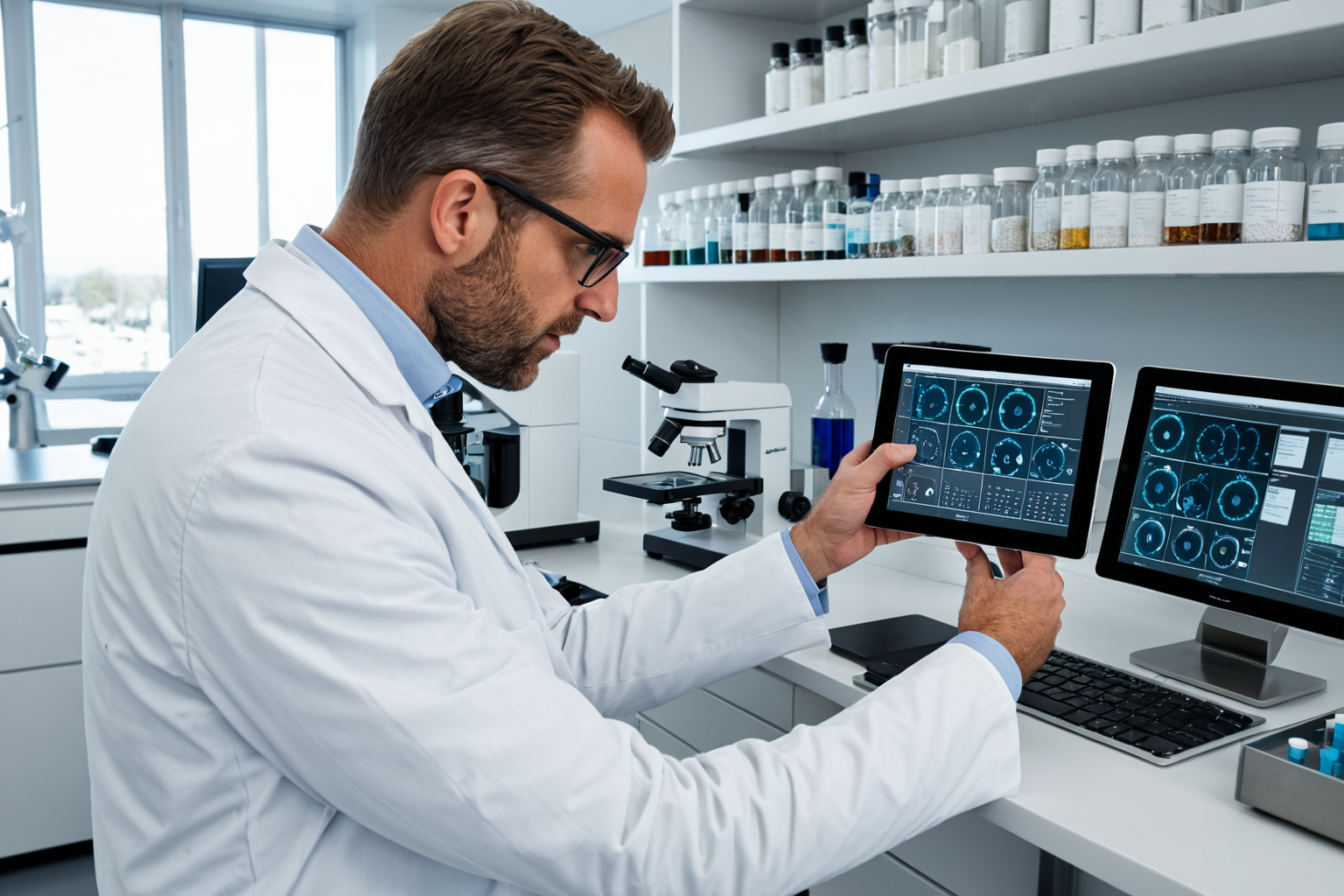
South Korea's Samsung Bioepis Completes Domestic Approval Application for SB27 Biosimilar to Keytruda
South Korea's Samsung Bioepis has applied for domestic market authorization for its biosimilar of Keytruda, named 'SB27,' having demonstrated equivalence in Phase 1 and Phase 3 clinical trials. This marks the first step toward securing a competitive edge in the market following Keytruda’s patent expiry.
With Keytruda's patent set to expire in August 2026, Samsung Bioepis aims to expand its domestic market share through SB27. Phase 3 clinical results confirmed comparable efficacy in lung cancer treatment and met pharmacokinetic (PK) criteria.
SB27 is the first biosimilar to complete a domestic approval application in South Korea, positioning Samsung Bioepis to compete with major pharmaceutical companies like Celltrion and Alvotech. This aligns with the global market share of Keytruda at 10.5%, where competition for market dominance is intensifying.
Based on clinical results, SB27 is expected to become a viable alternative in lung cancer treatment, with the biosimilar market anticipated to grow following Keytruda’s patent expiry. Samsung Bioepis has completed its domestic authorization application based on Phase 3 trial data and plans global market expansion.
Clinical Results and Keytruda Patent Expiry Scenario
Samsung Bioepis confirmed equivalence in SB27's Phase 1 and Phase 3 trials, showing similar drug metabolism trends compared to Keytruda and equivalent efficacy in lung cancer treatment.
The Phase 3 trial was conducted globally and is recorded as the first biosimilar to demonstrate equivalence. This reflects recognition of Samsung Bioepis' research capabilities and clinical trial expertise.
Keytruda's patent expiry is scheduled for August 2026, prompting Samsung Bioepis to apply for domestic market authorization ahead of this date. Given Keytruda’s global market share of 10.5%, this presents a significant opportunity.
Through SB27, Samsung Bioepis aims to strengthen its competitiveness in lung cancer treatment and anticipates strong growth potential in the biosimilar market following Keytruda's patent expiry. This demonstrates thorough preparation for global market entry.
Sb27 has demonstrated equivalent efficacy to Keytruda, positioning it as a competitive alternative in lung cancer therapy. This suggests Samsung Bioepis could play a leading role in the market following Keytruda’s patent expiration.
SB27 Achieves Global Phase 3 Equivalence for Keytruda Biosimilar
South Korea's Samsung Bioepis has confirmed equivalence in the global Phase 3 clinical trial of its biosimilar SB27 to Keytruda. This marks the first instance of Samsung Bioepis securing competitive credibility in the global market, with development completion targeted for this year.
Domestically, Samsung Bioepis is advancing the market authorization application for SB27, aiming to complete the process before Keytruda's patent expiry in August 2026. This strategic move positions Samsung Bioepis as a leader in the Keytruda biosimilar competition.
In Phase 1 lung cancer trials, SB27 reported PK (pharmacokinetic) compliance results, confirming similar drug metabolism trends and equivalent efficacy to Keytruda.
The competition for Keytruda biosimilars involves major pharmaceutical companies including Samsung Bioepis, Celltrion, and Alvotech. Samsung Bioepis has completed the domestic market authorization application for SB27 while planning global market entry.
Keytruda's global market share is 10.5%, indicating rapid growth potential in the biosimilar market. Samsung Bioepis aims to secure competitiveness through SB27 in this expanding sector.
Keytruda Patent Expiry and Market Trends
With Keytruda’s patent set to expire in August 2026, the biosimilar market is expected to become more active. Samsung Bioepis aims to secure a competitive position domestically through SB27, having prepared ahead of the patent expiry.
Sb27 has demonstrated equivalent efficacy to Keytruda in lung cancer treatment, offering new therapeutic options for patients. The biosimilar market is anticipated to grow rapidly following Keytruda's patent expiry.
Based on Phase 1 and Phase 3 clinical results, Samsung Bioepis has completed its domestic authorization application and is preparing for global market entry. This reflects a strategic plan to strengthen competitiveness in the biosimilar sector.
The biosimilar market for Keytruda is expected to grow until 2034, with Samsung Bioepis striving to secure a leading position through SB27. This decision takes into account Keytruda's global market share and growth rate.
Competitor Analysis: Samsung Bioepis vs. Major Pharmaceutical Companies
Samsung Bioepis competes in the Keytruda biosimilar market with major pharmaceutical companies like Celltrion and Alvotech. Samsung Bioepis has completed the first domestic market authorization application for SB27, while Celltrion and Alvotech are challenging patents.
Celltrion is preparing Phase 1 dosing for RPT+Keytruda clinical trials and announced plans to apply for conditional approval following receipt of a Phase 2 CSR for 177Lu-pocuvotide. This represents another major pharmaceutical company's movement in competition with Samsung Bioepis.
The Keytruda biosimilar competition involves multiple leading companies: Samsung Bioepis, Celltrion, Alvotech, and Celltrion. Among these, Samsung Bioepis has completed the domestic market authorization application for SB27 while planning global expansion.
Keytruda biosimilars are expected to grow until 2034, with Samsung Bioepis aiming to secure competitiveness through SB27. This strategic decision considers Keytruda's global market share and growth rate.
Securing Market Leadership with SB27
Samsung Bioepis aims to secure leadership in the Keytruda biosimilar market through SB27, ensuring it does not miss the opportunity presented by Keytruda’s patent expiry.
SB27 has demonstrated equivalence in Phase 1 and Phase 3 clinical trials, showing comparable efficacy to Keytruda in lung cancer treatment. This indicates Samsung Bioepis' potential to establish competitiveness in the biosimilar market.
Samsung Bioepis confirmed global Phase 3 equivalence for SB27, marking its first success in securing competitive credibility in the global market. This provides a positive signal regarding growth potential in the biosimilar market following Keytruda’s patent expiry.
Through SB27, Samsung Bioepis has applied for domestic market authorization and plans global market entry. This is part of a strategic plan to strengthen competitiveness in the biosimilar sector.
Market Growth Outlook for Keytruda Biosimilars
The Keytruda biosimilar market is expected to grow until 2034, based on analysis considering Keytruda's global market share and growth rate.
Sb27 is gaining attention as a competitive alternative in lung cancer treatment, with Samsung Bioepis anticipating strong growth potential following Keytruda’s patent expiry. This strategic move aims to secure a leading position in the biosimilar market.
Samsung Bioepis aims to capture market growth following Keytruda's patent expiry through SB27. This is part of its strategic plan to establish competitiveness in the biosimilar sector.
Key Information to Verify
Samsung Bioepis' SB27 is a biosimilar to Keytruda, having demonstrated equivalence in Phase 1 and Phase 3 clinical trials. The domestic market authorization application has been completed, with PK (pharmacokinetic) compliance results reported for lung cancer treatment.
Keytruda's patent expiry is scheduled for August 2026, prompting growth in the biosimilar market. Samsung Bioepis aims to expand its domestic market share through SB27.
The main competitors of Samsung Bioepis are Celltrion, Alvotech, and Celltrion. Among these, Samsung Bioepis has completed the first domestic market authorization application for SB27.
Frequently Asked Questions
Q: What is Samsung Bioepis' SB27? A: SB27 is a biosimilar to Keytruda that has demonstrated equivalence in Phase 1 and Phase 3 clinical trials, with the domestic market authorization application completed. This represents an important step for Samsung Bioepis to secure a competitive advantage in the market following Keytruda's patent expiry.
Q: What are the clinical results of SB27? A: SB27 demonstrated equivalent efficacy to Keytruda in lung cancer treatment and reported PK (pharmacokinetic) compliance results. This means it can provide new therapeutic options for lung cancer patients.
Q: How does Samsung Bioepis plan to capitalize on the biosimilar market? A: SB27 is a strategic move to secure market growth following Keytruda's patent expiry. It demonstrates Samsung Bioepis' preparation for global market entry.
You can view similar articles on this topic in one place.
View Related ArticlesFAQ
What is Samsung Bioepis' SB27?
SB27 is a biosimilar to Keytruda that has demonstrated equivalence in Phase 1 and Phase 3 clinical trials, with the domestic market authorization application completed. This represents an important step for Samsung Bioepis to secure a competitive advantage in the market following Keytruda's patent expiry.
What are the clinical results of SB27?
SB27 demonstrated equivalent efficacy to Keytruda in lung cancer treatment and reported PK (pharmacokinetic) compliance results. This means it can provide new therapeutic options for lung cancer patients.
How does Samsung Bioepis plan to capitalize on the biosimilar market?
SB27 is a strategic move to secure market growth following Keytruda's patent expiry. It demonstrates Samsung Bioepis' preparation for global market entry.
Korean Source
This article is an English localization of a Korean-language report from BlogScore. Original: 삼성바이오에피스 키트루다 암 치료 안전성 확인 방법