
Rising Seafood Prices Due to Marine Heatwaves: Causes and Solutions
Causes of Rising Seafood Prices Due to Marine Heatwaves
The core reason for soaring seafood prices is marine heatwaves caused by climate change. Reduced catches of yellow croaker in Ulsan, sharp declines in flower crab and mackerel production, among other factors, have been identified as key causes. A March 2024 report on declining yellow croaker catches in Ulsan illustrates the direct impact of marine heatwaves, signaling long-term effects of rising sea temperatures on marine ecosystems. While the government has allocated up to 50% discounts on seafood and 33.2 billion won in disaster relief funds, prices at Noryangjin Fish Market have doubled, reaching gold-like levels. A report dated July 28, 2025, analyzed how reduced catches due to marine heatwaves directly affected market pricing.
Real-World Examples of Rising Seafood Prices
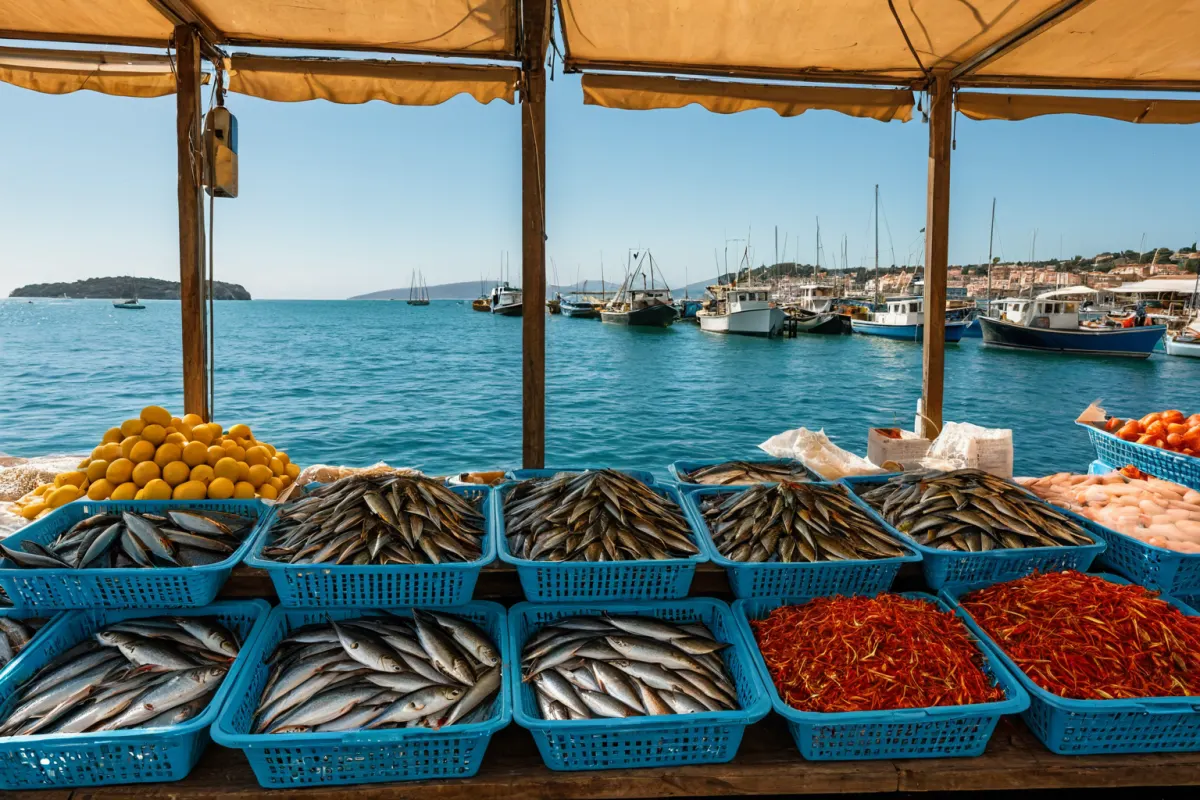
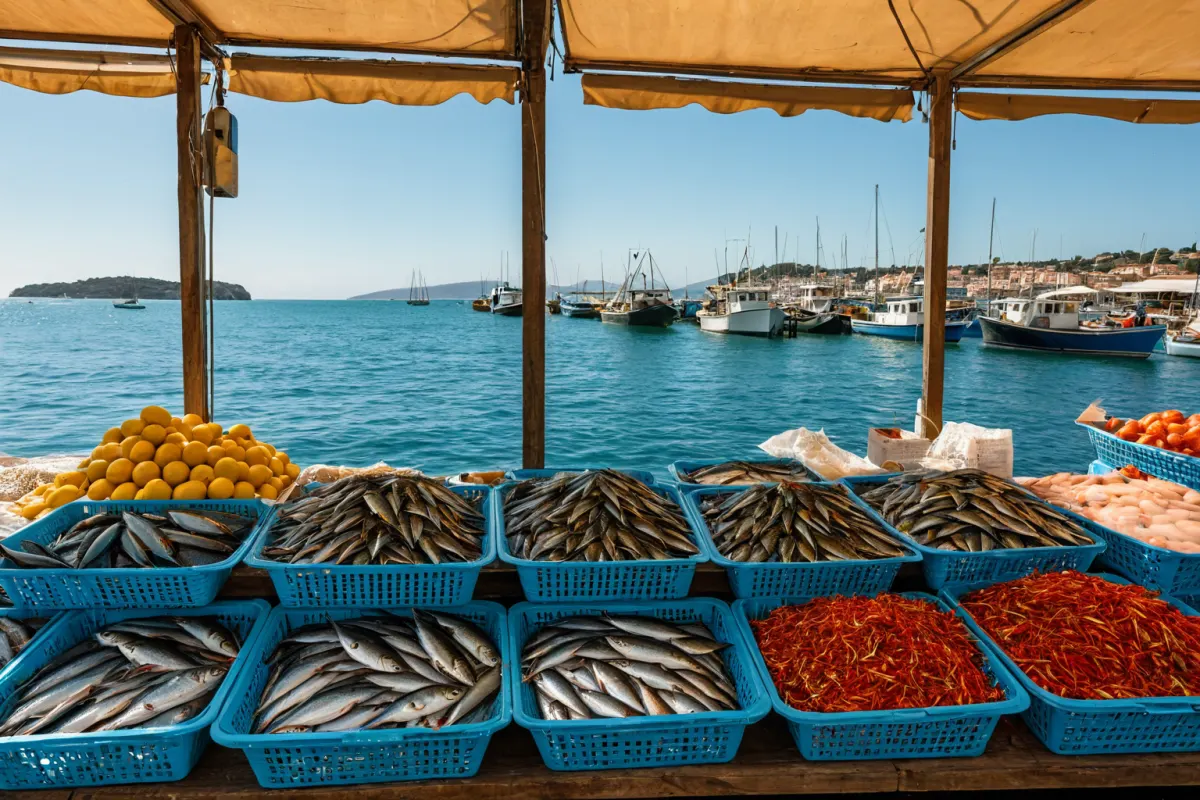
Prices for key seafood such as flower crab, mackerel, and squid have surged to 100,000 won per unit, while clam prices have risen by 51% over the past year. Yellowtail is now sold at 26,000 won in major supermarkets. Following a March 2024 report on declining yellow croaker catches, seafood prices at Noryangjin Fish Market doubled by July 28, 2025—a direct economic impact of marine heatwaves. A December 16, 2025, report noted a 127% price surge for mackerel, marking it as a typical example of seasonal seafood price increases. A October 21, 2024, report indicated that some supermarkets stopped selling mackerel due to the extreme price hikes, reflecting the direct impact on consumer purchasing power.
Long-Term Impacts of Marine Heatwaves
Arctic heatwaves are becoming increasingly regular, occurring annually and normalizing. Since 2015, Arctic heatwaves have been observed regularly, with Donga Science reporting on this phenomenon in February 2024. Rising sea temperatures have raised concerns about decreased kelp production, which was fact-checked by MBN's website in May 2024. Marine heatwaves can disrupt marine ecosystem balance beyond just temperature increases. For instance, reduced kelp production is linked to declining phytoplankton levels, potentially affecting the entire marine food chain. A March 2025 report by Jeju Maeil analyzed the connection between climate change and rapid seafood price hikes.
Government Response and Limitations
The government has implemented up to 50% discounts on seafood and allocated 33.2 billion won in disaster relief funds, yet consumer burden remains high. A February 6, 2026, report indicated that the government took special measures due to a sharp rise in squid prices. In Japan, an unprecedented situation occurred where 90% of winter specialty seafood died off, highlighting extreme impacts of climate change on marine ecosystems. In Jeju, reduced catches of sea bream have led to the phenomenon known as 'hot seas, disappearing summer delicacies.' A July 13, 2025, report documented declining sea bream catches in Jeju, illustrating the specific impact of climate change on regional marine ecosystems. Additionally, a November 8, 2025, report highlighted that traditional seaweed dishes like 'gamtae' faced extinction due to disappearing kelp.
The Connection Between Climate Change and Seafood Production
Marine heatwaves caused by rising sea temperatures occur annually as a direct result of climate change. A November 15, 2025, report noted that the price of national fish (mackerel) surged by 127%, while Japan reported 90% mortality among winter specialty seafood. In Jeju, traditional seaweed dishes like 'gamtae' are at risk of disappearing due to declining production caused by climate change. Marine heatwaves can lead not only to price increases but also to the decline in seafood varieties and ecosystem changes. A November 21, 2025, report from Japan detailed that 90% of winter specialty seafood died off—an extreme example of climate change's impact on marine ecosystems.
Strategies for Addressing Price Increases
Some regions have reported temporary decreases in seafood prices. A September 29, 2025, report indicated that certain seafood (5,716 tons) saw prices drop by half within a month due to increased catches in specific areas. This is considered the most significant catch on record since data collection began, leading to lower prices as of September 11, 2025. These cases highlight the complex interplay between climate change and seafood production, suggesting regional variations may exist. However, such price drops are temporary, emphasizing the need for long-term strategies to address marine heatwaves and climate change.
Key Information to Verify
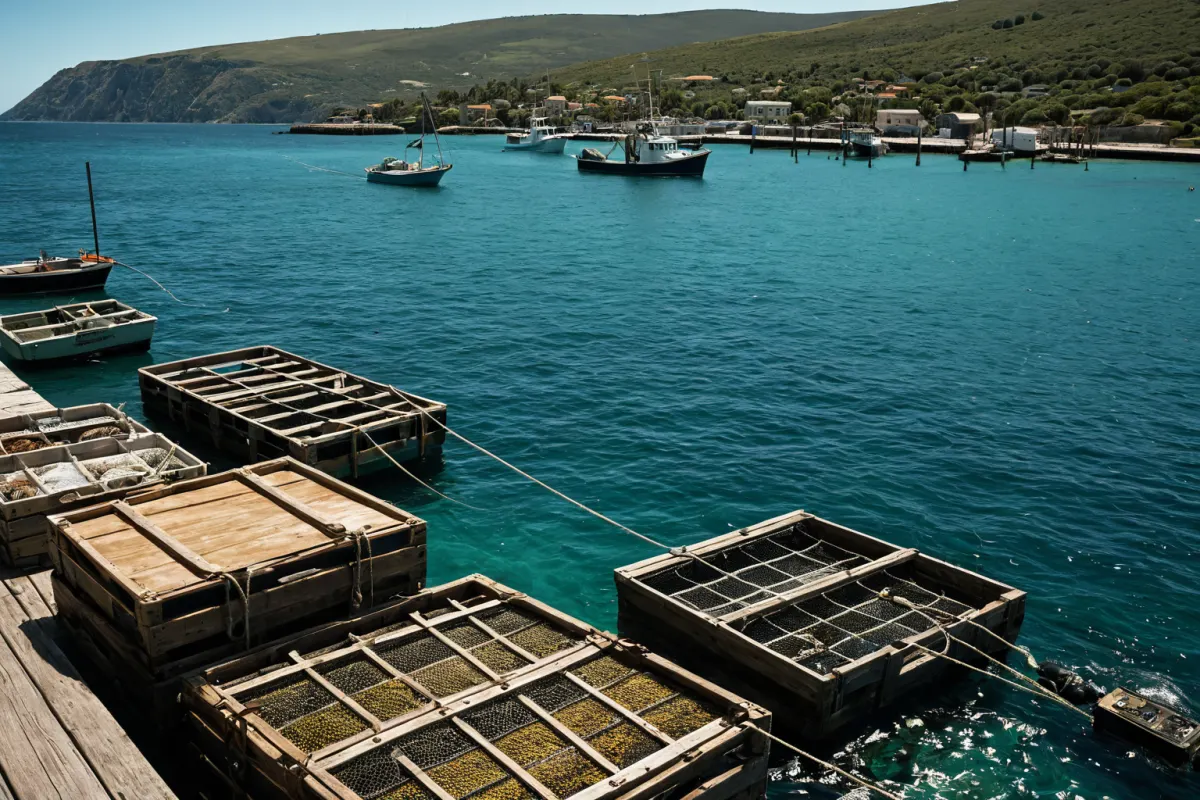
Concerns about reduced kelp production due to rising sea temperatures were fact-checked by MBN's website in May 2024. A November 8, 2025, report highlighted that traditional seaweed dishes like 'gamtae' faced extinction as kelp disappeared. Japan reported an unprecedented situation on November 21, 2025, where 90% of winter specialty seafood died off. Additionally, a March 2025 report by Jeju Maeil analyzed the connection between climate change and rapid seafood price hikes, demonstrating how marine heatwaves impact local economies. A December 16, 2025, report noted a 127% price surge for mackerel as a typical example of climate-driven seafood price fluctuations.
Frequently Asked Questions
How long will rising seafood prices due to marine heatwaves continue?
Marine heatwaves caused by climate change occur annually, with Arctic heatwaves becoming increasingly regular. Therefore, the price surge could be a long-term trend.
Can government support lower seafood prices?
The government has provided up to 50% discounts and disaster relief funds, but consumer burden remains high. Some regions have seen temporary price drops for seafood, though these are short-lived.
Is there a risk of certain seafood types disappearing due to climate change?
Yes, in Jeju, declining sea bream catches have led to the phenomenon 'hot seas, disappearing summer delicacies,' while Japan reported 90% mortality among winter specialty seafood—a unprecedented situation.
Explore more articles on similar topics in one place.
View Related ArticlesFAQ
How long will rising seafood prices due to marine heatwaves continue?
Marine heatwaves caused by climate change occur annually, with Arctic heatwaves becoming increasingly regular. Therefore, the price surge could be a long-term trend.
Can government support lower seafood prices?
The government has provided up to 50% discounts and disaster relief funds, but consumer burden remains high. Some regions have seen temporary price drops for seafood, though these are short-lived.
Is there a risk of certain seafood types disappearing due to climate change?
Yes, in Jeju, declining sea bream catches have led to the phenomenon 'hot seas, disappearing summer delicacies,' while Japan reported 90% mortality among winter specialty seafood—a unprecedented situation.
Korean Source
This article is an English localization of a Korean-language report from BlogScore. Original: 고수온으로 인한 해산물 가격 상승 원인과 대처법