
Rising Sea Temperatures in South Korea: Climate Change Impacts on Marine Ecosystems and Fisheries
Korean Marine Temperatures Rising Twice as Fast as Global Average
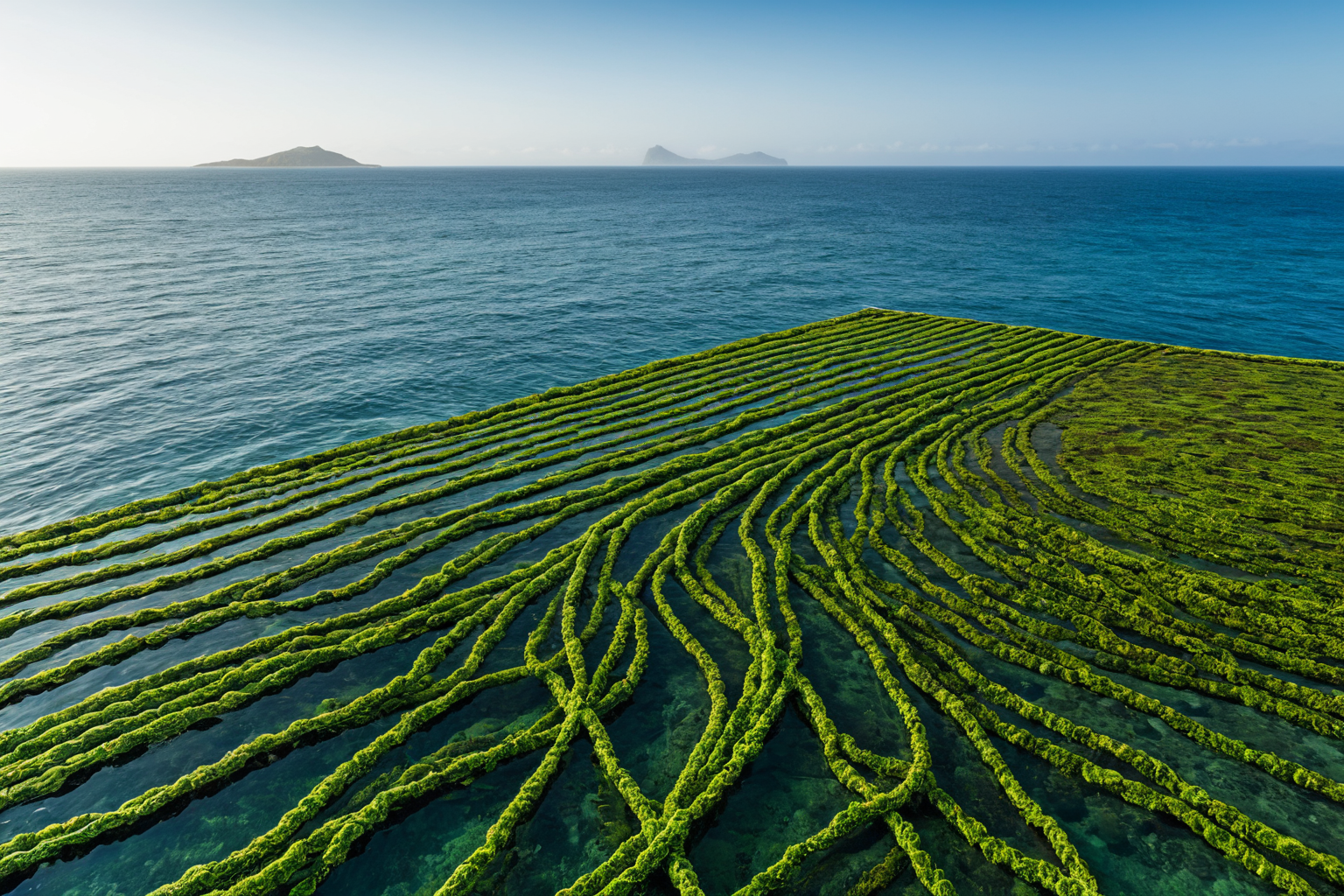
South Korea’s marine temperatures are increasing at more than twice the global average rate, posing serious threats to marine ecosystems and fisheries. Recent reports indicate a 58% decline in coastal phytoplankton around the Korean Peninsula, while Jeju Island is exploring cultivation of heat-adapted seaweed species like 'Big Fruit Kelp' to restore marine habitats.
Jeju Fisheries Crisis: 30% Drop in Silver Croaker Catch
On Jeju Island, silver croaker catches have fallen by one-third due to warming waters. This decline directly translates into economic losses for the fishing industry, prompting calls for comprehensive strategies addressing technology, policy, and consumer behavior.
5-Year High-Temperature Damage Costing 23.23 Billion Won, No Adapted Species Developed
The domestic fisheries sector has spent a total of 23.23 billion won on high-temperature damage over five years, yet no commercially viable adapted fish species have been developed. Meanwhile, sea temperatures around the Korean Peninsula are rising twice as fast as global averages, with Jeju’s waters growing steadily warmer each year.
Korean Coastal Sea Temperature Predicted to Rise 4.28°C in 70 Years
A report from the Korea Institute of Ocean Science and Technology predicts coastal sea temperatures around the Korean Peninsula could rise by up to 4.28°C within 70 years. This aligns with global records of historically high ocean temperatures, posing a growing threat to South Korea’s aquaculture industry.
Fishing Industry Shifts from 'Survival' to 'Adaptation'
On Jeju Island, approximately 12.5 million farmed fish died due to high temperatures over five years, while warming trends are also increasing along the East Coast near Daegu. The industry emphasizes moving beyond mere survival toward adaptation and growth, with Taean County in Chungnam submitting a proposal to the Ministry of Oceans and Fisheries for measures to minimize high-temperature damage.
Seawater Breakdown Technology: New Agricultural Frontier at Sea
As reported by Maeil Business Newspaper, 'seawater breakdown' technology is gaining attention. This method enables growing crops in the ocean that can adapt to high temperatures, offering a potential new strategy for the fisheries sector.
Necessity of Climate Change Response Policies
The rate at which South Korea’s marine temperatures are rising—more than double the global average—highlights the urgency of climate change response policies. On Jeju Island, efforts to restore seaweed beds through 'Big Fruit Kelp' cultivation are being closely watched as a practical adaptation strategy.
Jeju Fisheries Future: New Species Development and Ecosystem Restoration
Jeju is promoting the cultivation of 'Big Fruit Kelp,' an adaptive seaweed species that thrives in high-temperature conditions, to restore marine ecosystems. However, no adapted fish species have yet been commercialized.
Scale of High-Temperature Damage and Response Measures
Over five years, high-temperature-related losses for the fisheries sector totaled 23.23 billion won, but no commercially viable adapted fish species have emerged. On Jeju Island, approximately 12.5 million farmed fish died from heat stress over five years, with warming trends also increasing along the East Coast near Daegu.
US Weather Service’s El Niño Announcement and Accelerating Climate Change
The U.S. Weather Service recently confirmed an El Niño event, which is expected to accelerate climate change further. As global ocean temperatures hit record highs, threats to South Korea’s aquaculture industry are intensifying.
58% Decline in Coastal Phytoplankton Around Korean Peninsula
A 58% decline in coastal phytoplankton around the Korean Peninsula is attributed directly to ocean warming. This trend negatively impacts fisheries and accelerates ecological changes.
Jeju’s Climate Change Response Example
On Jeju Island, efforts to restore seaweed beds through 'Big Fruit Kelp' cultivation are underway. This heat-tolerant seaweed species is being promoted as a new strategy for the future of fisheries amid climate change.
National High-Temperature Status and Fisheries Damage
Sea temperatures around the Korean Peninsula continue to rise twice as fast as global averages, with Jeju’s waters growing steadily warmer each year. This warming trend is leading to economic losses as farmed fish die off.
Marine Ecosystem Changes and Future of Fisheries
The rapid increase in South Korea’s marine temperatures—more than double the global average—is severely impacting marine ecosystems and fisheries. Initiatives like 'Big Fruit Kelp' cultivation on Jeju Island are being pursued as adaptation strategies to climate change.
Comprehensive Response Strategies for Fisheries Industry
The industry is seeking comprehensive solutions across technology, policy, and consumer behavior. On Jeju Island, where many farmed fish have died due to high temperatures, urgent policies to minimize heat-related damage are needed.
Necessity for Further Verification of Korean Marine Temperature Rise Claims
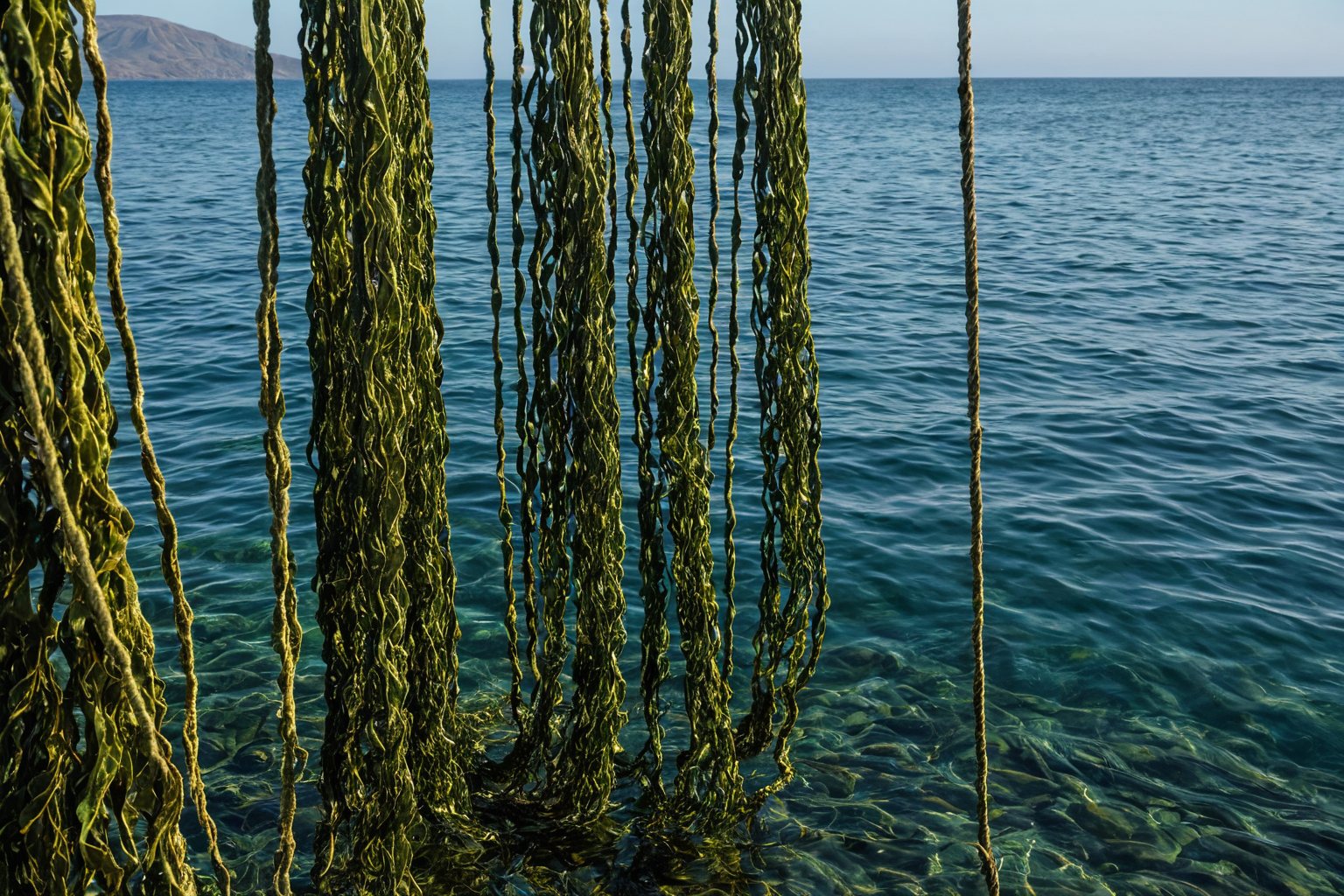
The claim that South Korea’s marine temperature rise is more than twice the global average has been verified through government reports and academic research, though specific research papers have not yet been publicly released. Technical details and success metrics for Jeju Island’s 'Big Fruit Kelp' cultivation also require further investigation.
Scale of Jeju Fisheries Damage and Response Status
On Jeju Island, approximately 12.5 million farmed fish died over five years due to high temperatures, representing direct economic losses. However, no adapted fish species have been commercialized.
Urgency of Climate Change Response Policies
The fact that South Korea’s marine temperature rise exceeds the global average by more than double underscores the urgent need for climate change response policies. Jeju Island’s 'Big Fruit Kelp' cultivation is being closely monitored as a practical adaptation strategy.
Frequently Asked Questions
What evidence supports South Korea's marine temperature rise being twice the global average?
The claim that South Korea’s marine temperatures are rising more than twice as fast as the global average is supported by government reports and academic research, though specific research paper references have not yet been made public.
What benefits can be expected from cultivating 'Big Fruit Kelp' in Jeju?
'Big Fruit Kelp' is a heat-tolerant seaweed species that thrives in high-temperature conditions. Its cultivation aims to restore seaweed beds, support ecosystem recovery, and enhance the sustainability of fisheries.
Why does the five-year high-temperature damage total 23.23 billion won?
The five-year high-temperature-related losses for the fisheries sector amount to 23.23 billion won, but no commercially viable adapted fish species have been developed. This highlights gaps in climate change response policies and points to a need for further research and policy improvements.
Frequently Asked Questions
South Korea’s marine temperatures are rising at more than twice the global average rate, threatening ecosystems and fisheries. Jeju Island is promoting 'Big Fruit Kelp' cultivation to restore habitats, but no adapted fish species have been commercialized. Climate change response policies are urgently needed, with comprehensive approaches across technology, policy, and consumer behavior required for the future of South Korea’s fisheries.
Explore more articles on similar topics.
View Related ArticlesFAQ
What evidence supports South Korea's marine temperature rise being twice the global average?
The claim is supported by government reports and academic research, though specific studies have not been publicly released.
What benefits can be expected from cultivating 'Big Fruit Kelp' in Jeju?
'Big Fruit Kelp' thrives in high temperatures, aiding seaweed bed restoration and ecosystem recovery for sustainable fisheries.
Why does the five-year high-temperature damage total 23.23 billion won?
The loss totals 23.23 billion won over five years with no commercialized adapted fish species, highlighting policy gaps in climate response.
Korean Source
This article is an English localization of a Korean-language report from BlogScore. Original: 전국 바다 고수온 현황과 기후 변화의 연관성 연구 결과