
Rising Property Holding Tax in Seoul's Gangnam: Market Outlook and Key Cases
Gangnam District Property Holding Tax Surge
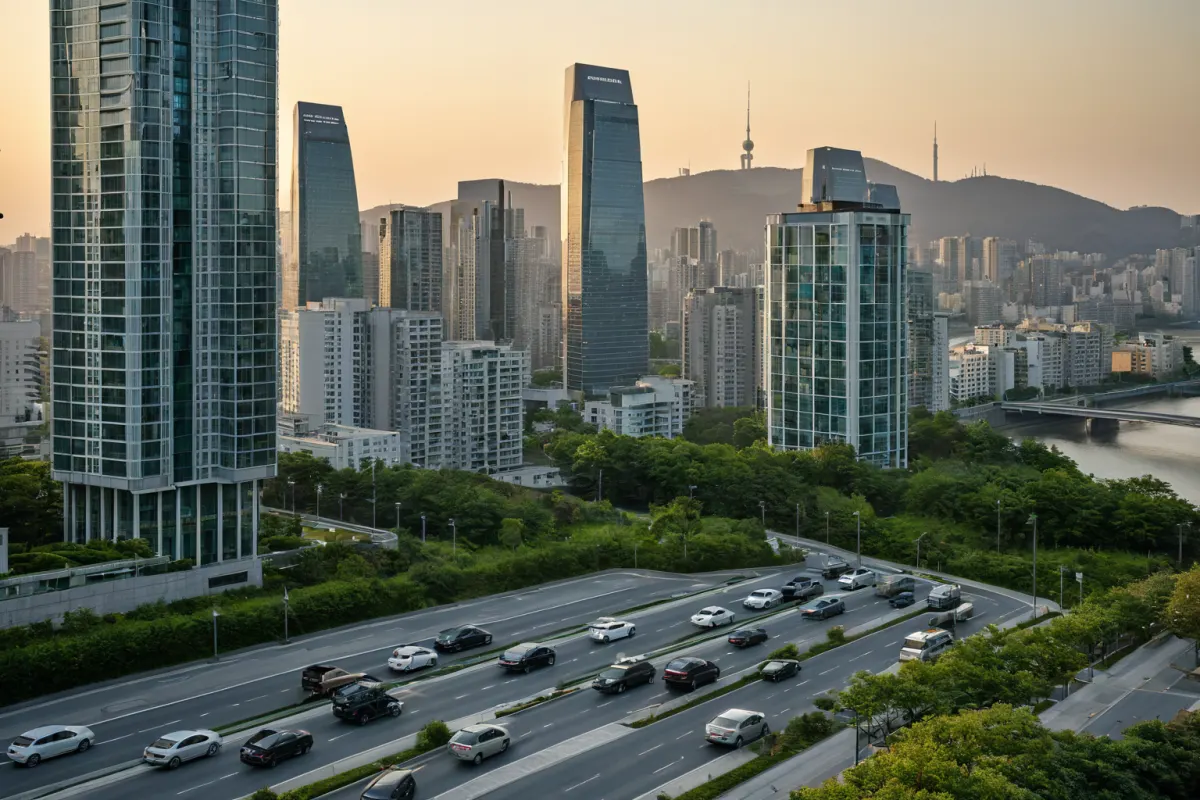
Property holding taxes for apartments in Seoul's Gangnam district have risen sharply, increasing residents' financial burden. Major developments like Banpo Zai and Jamshil Els have seen significant increases based on the Ministry of Land, Infrastructure and Transport's official valuation (National Price, or 'Gukpyeong'). Additional burdens are expected starting next year due to upcoming tax reforms.
Case Study: Banpo Zai Holding Tax Increase
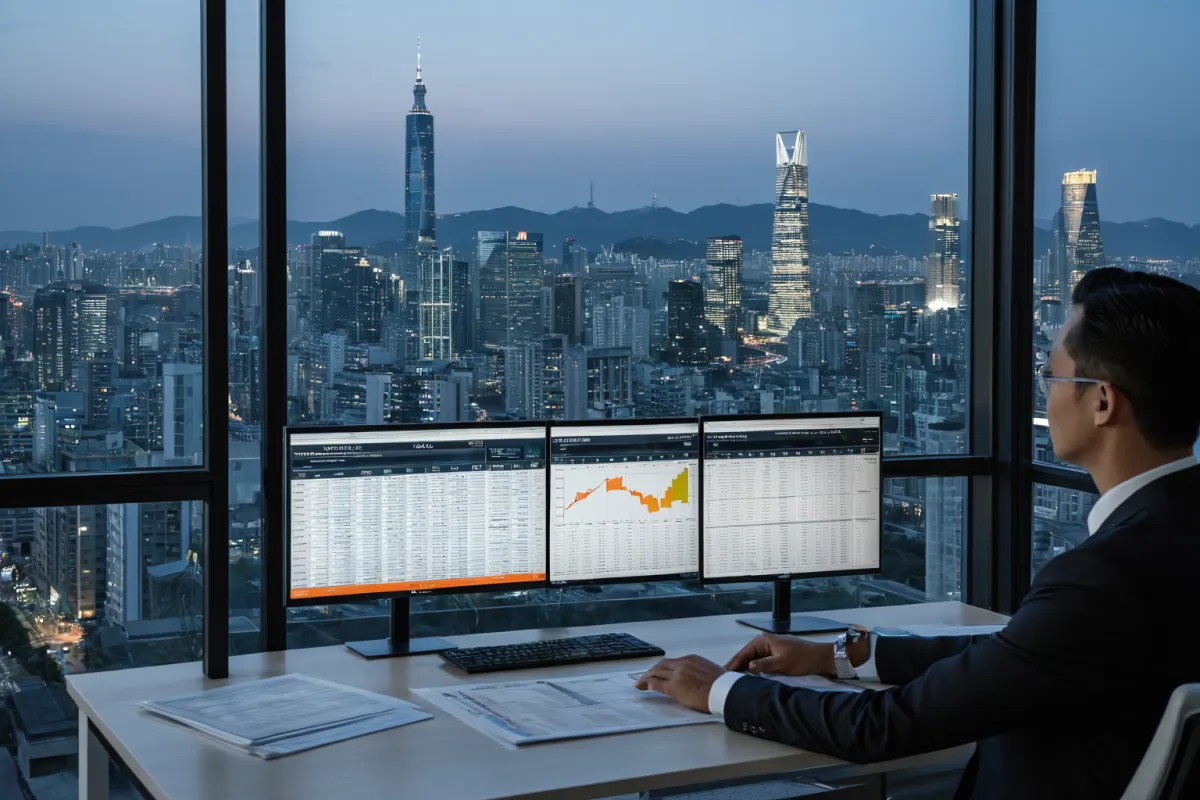
As of November 2025, the holding tax for Banpo Zai based on the official valuation was paid at 18 million won. By August 2026, it had increased to 31.87 million won under the 80% fair market value calculation method—a rise of about 13.44 million won compared to last year.
For Banpo Zai residents, there is a noticeable difference in holding tax burden between primary residences and multi-property owners. Primary residence holders pay 27.64 million won, while those with three properties pay 33.18 million won.
Changes in Jamshil Els and Ari Park Holding Taxes
In the case of Jamshil Els, for an 84㎡ unit, holding tax increased from 5.82 million won to 7.12 million won—a rise of approximately 1.3 million won—likely due to official valuation increases and tax reform impacts.
For the Ari Park complex, the holding tax based on official valuation rose from 4.47 million won to 5.88 million won. Primary residence holders are expected to see their 2026 holding tax jump from 22.26 million won to 38.51 million won—a significant increase of about 16.25 million won.
Impact of Rising Official Valuations on Seoul Apartments
Seoul apartment official valuations have surged by 18%,加重ing holding tax burdens. This is analyzed as a result of the government's 'Single High-Quality Home' policy and tax reform plans.
The rise in Gangnam district apartment official valuations began to intensify from 2025, with notable cases showing over 10 million won increases in holding tax compared to last year, particularly at Banpo Zai and Banpo Wonbaili complexes.
Government Tax Reform Plan
The government is advancing a real estate tax reform that combines increased property taxes with reduced transfer taxes. This is part of the 'Single High-Quality Home' policy, which has now surpassed the holding tax ceiling.
On October 21, 2025, the government announced its real estate tax reform plan, aiming to increase property taxes while lowering transfer taxes. This will likely further burden multi-property owners.
Economic Impact of Holding Tax Surge
The sharp rise in holding taxes has prompted homeowners to adjust their selling timelines. Particularly for ultra-high-end home owners, the increased tax burden makes it more likely they will list properties for sale.
Seoul Gangnam apartment markets are now showing simultaneous effects of the 'Single High-Quality Home' policy and tax reform-driven market changes, signaling structural shifts in the local housing market.
Analysis of Holding Tax Increase Causes
The 18% surge in Seoul apartment official valuations is the direct cause of rising holding taxes. This is analyzed as a government measure to increase tax burden on high-value home owners under the 'Single High-Quality Home' policy.
Calculating holding tax based on 80% of fair market value has a greater impact on ultra-high-end property owners. For complexes like Banpo Zai, rising official valuations have led to significant increases in holding taxes.
Response and Safety Information
Multi-property owners are considering selling timing to reduce tax burdens. Some residents are maintaining primary residences while exploring the sale of non-primary properties.
The government has emphasized its 'Single High-Quality Home' policy, noting that holding taxes have surpassed the ceiling—indicating a clear intention to increase tax burden on multi-property owners.
Verified Information
The Banpo Zai holding tax increase is calculated based on 80% of fair market value, directly linked to government tax reform plans. Additional burdens are expected starting next year due to upcoming reforms.
The Jamshil Els holding tax rise from 5.82 million won to 7.12 million won was reported on November 18, 2025, and is attributed to official valuation increases and tax reform impacts.
Seoul apartment official valuations have risen by 18% as of 2026, representing a key factor in increased holding tax burdens.
Frequently Asked Questions
Why has Banpo Zai's holding tax increased?
Banpo Zai's holding tax increase resulted from an 18% surge in official valuations and the government's 'Single High-Quality Home' policy. Calculated based on 80% of fair market value, this led to a significant rise.
How are multi-property owners responding?
Multi-property owners are adjusting selling timelines to reduce tax burdens. Some are maintaining primary residences while considering the sale of non-primary properties.
How much will holding tax burden increase due to government tax reform?
The government is advancing a plan to increase property taxes while lowering transfer taxes, which will further increase holding tax burdens—particularly impacting ultra-high-end property owners.
Frequently Asked Questions
The sharp rise in Gangnam district apartment holding taxes is due to the government's 'Single High-Quality Home' policy and tax reform plans. Major complexes like Banpo Zai, Jamshil Els, and Ari Park have seen significant holding tax increases due to rising official valuations, with additional burdens expected from next year's reforms.
Multi-property owners are adjusting their selling strategies to manage tax burdens, while the government emphasizes its 'Single High-Quality Home' policy and notes that holding taxes have surpassed the ceiling. Seoul apartment markets are undergoing structural changes in response to these developments.
As holding tax burdens intensify, homeowners must carefully assess the impact of tax reforms and official valuation increases. The market's future direction will depend on how government policies evolve.
You can view a collection of similar articles on this topic.
View Related ArticlesFAQ
Why has Banpo Zai's holding tax increased?
Banpo Zai's holding tax increase resulted from an 18% surge in official valuations and the government's 'Single High-Quality Home' policy. Calculated based on 80% of fair market value, this led to a significant rise.
How are multi-property owners responding?
Multi-property owners are adjusting selling timelines to reduce tax burdens. Some are maintaining primary residences while considering the sale of non-primary properties.
How much will holding tax burden increase due to government tax reform?
The government is advancing a plan to increase property taxes while lowering transfer taxes, which will further increase holding tax burdens—particularly impacting ultra-high-end property owners.
Korean Source
This article is an English localization of a Korean-language report from BlogScore. Original: 국평 보유세 급증 사례와 부동산 시장 전망