
Rising Inheritance and Gift Tax Trends: Analysis of Recent Three-Year Data
Rising Inheritance and Gift Tax Trends: Analysis of Recent Three-Year Data
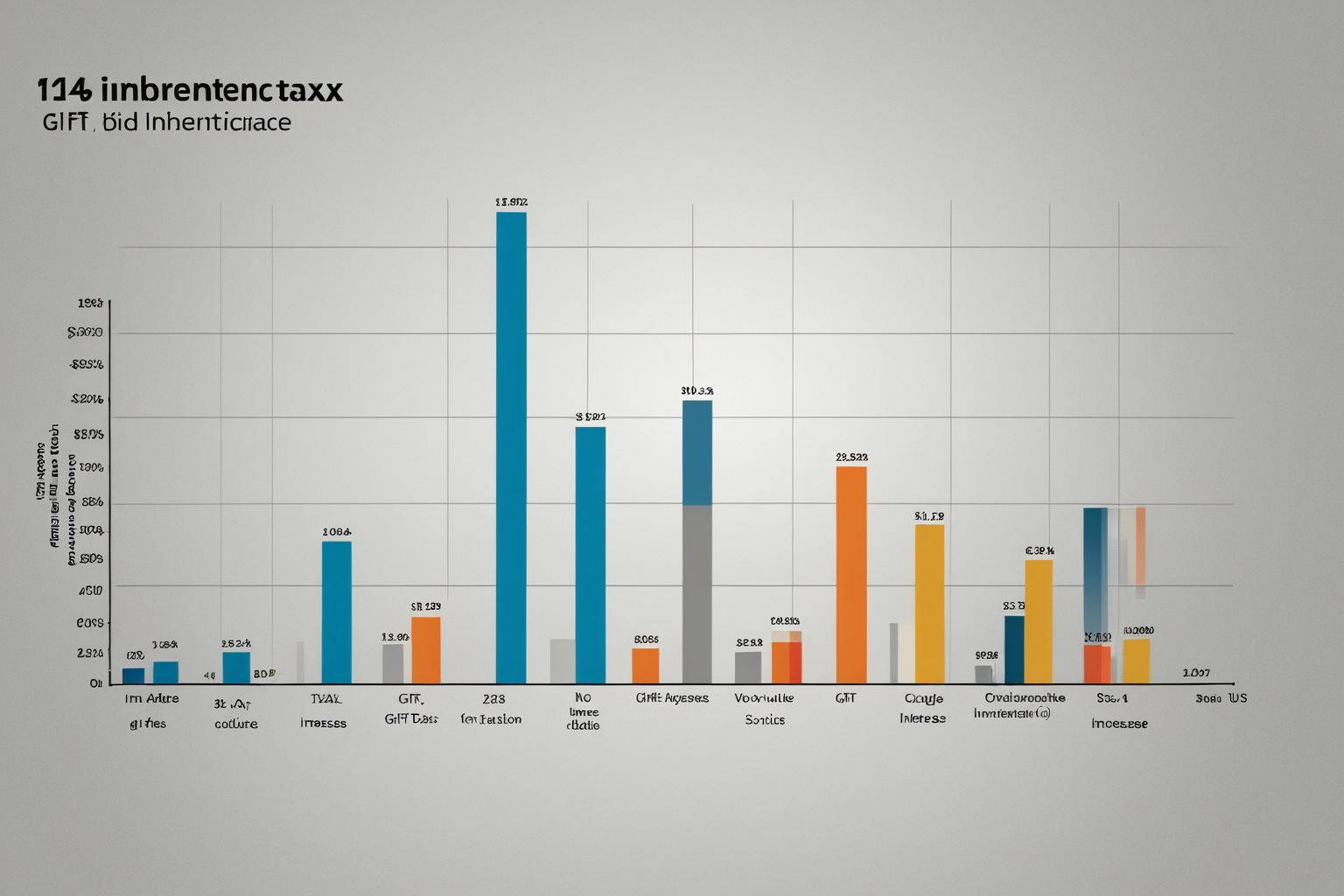
According to the National Tax Service's latest report, the scale of inherited and gifted property has reached an all-time high. From 2021 to 2023, the value of high-value inheritances (over 3 billion won) totaled 15.2 trillion won, with building gifts surging by 144%. By 2023, the number of individuals filing inheritance tax returns reached approximately 18,000, mostly involving high-value real estate transfers.

Rising Inheritance and Gift Tax: Recent Three-Year Data Analysis
The scale of inherited and gifted property hit a record high in 2022, driven by rising real estate prices and major inheritance cases. In 2023, building gifts increased by 144%, with the high-value inheritance (over 3 billion won) total reaching 15.2 trillion won. This reflects a sustained upward trend since 2021, particularly due to explosive growth in building transfers.
National Tax Service statistics show that inheritance disputes have increased 3.8 times over the past decade, indicating deepening family property conflicts. The rate of wealth succession is three times faster than income growth, with projections suggesting one in ten people will be subject to inheritance tax within five years.
Causes Behind Rising Inheritance: Economic and Policy Factors
The sharp increase in building gifts is directly linked to a booming real estate market. As housing prices continued to rise from 2021 to 2023, cases of inheriting high-value properties increased significantly. The large-scale property transfers following Lee Kun-hee's inheritance appear to have triggered this trend.
Additionally, relaxed inheritance tax regulations contributed to the surge. Government tax benefits such as expanded business succession deductions reduced the burden of inheritance taxes, encouraging more gifts. In contrast, Germany and the United States have been reducing or eliminating similar business succession deductions, while South Korea continues to expand them.
The rate of wealth succession is three times faster than income growth, suggesting that property transfer is progressing more rapidly than economic growth. According to a April 2024 report, one in ten people is projected to be subject to inheritance tax within five years.
Societal Issues Related to Rising Inheritance
1.9 trillion won in inheritance deposits remains locked, making it difficult to use for urgent expenses like funeral costs or medical bills. This reflects the complexity of inheritance procedures and inability to meet immediate financial needs.
The number of nursing homes in Seoul and Gyeonggi decreased while increasing in Gwangju. This may relate to demographic changes, highlighting the need to consider connections between inheritance policies and welfare systems.
National Tax Service data shows accumulated tax arrears amount to 110 trillion won, with 91 trillion won remaining difficult to collect. This exacerbates revenue shortages and could negatively impact national finances.
Response Strategies for Rising Inheritance
Domestically, the government is promoting expanded business succession deductions to reduce inheritance tax burdens and support sustainable corporate management.
The government is also considering reforms to improve the use of inheritance deposits, allowing quicker access for urgent needs like funeral or medical expenses. Additionally, expanding education and counseling programs on property distribution among family members could help prevent inheritance disputes.
To address tax arrears, improving tax management systems is essential. New strategies must be developed to effectively recover the 91 trillion won currently difficult to collect.
How to Monitor Rising Inheritance Trends
The National Tax Service and related statistics provide accurate insights into rising inheritance trends. A comprehensive analysis of various indicators, including inheritance scale, dispute rates, and wealth succession speed, is necessary for a full understanding.
According to an April 2024 report, one in ten people is projected to be subject to inheritance tax within five years. This underscores the need to prepare for changes in property distribution and tax policies.
Frequently Asked Questions
How is high-value inheritance calculated?
High-value inheritance refers to cases exceeding 3 billion won, as defined by the National Tax Service. It is used to determine tax liabilities based on asset scale.
Why did building gifts surge by 144%?
Rising real estate prices and major inheritance cases are primary factors. Following Lee Kun-hee's inheritance, high-value property transfers increased significantly.
How can the 1.9 trillion won in inheritance deposits be used?
Currently, these funds are difficult to access for urgent expenses like funeral or medical costs. The government is reviewing potential reforms, and usage may become more accessible with future policy changes.
Frequently Asked Questions
Rising inheritance trends reflect a combination of real estate market activity and government policies. Key indicators include the number of inheritance tax filers, building gift growth rates, and high-value inheritance scale. With projections suggesting one in ten people will face inheritance tax within five years, proactive preparation for changes in property distribution and tax policy is essential.
The rapid pace of wealth succession—three times faster than income growth—is emerging as a societal concern. Improving inheritance deposit usage systems and preventing inheritance disputes through policy measures are urgent priorities. Additionally, new approaches to resolving tax arrears will be necessary for the government's financial health.
Accurately understanding rising inheritance trends and implementing appropriate policy responses is crucial. Future analysis based on more data will help address societal changes effectively.
You can view similar articles in one place.
View Related ArticlesFAQ
How is high-value inheritance calculated?
High-value inheritance refers to cases exceeding 3 billion won, as defined by the National Tax Service. It is used to determine tax liabilities based on asset scale.
Why did building gifts surge by 144%?
Rising real estate prices and major inheritance cases are primary factors. Following Lee Kun-hee's inheritance, high-value property transfers increased significantly.
How can the 1.9 trillion won in inheritance deposits be used?
Currently, these funds are difficult to access for urgent expenses like funeral or medical costs. The government is reviewing potential reforms, and usage may become more accessible with future policy changes.
Korean Source
This article is an English localization of a Korean-language report from BlogScore. Original: 사속 증가 현황 통계: 최근 3년 데이터로 분석