
Reimagining Disaster Safety with AI: Benefits and Limitations
Positive Effects of AI Integration in Disaster Safety
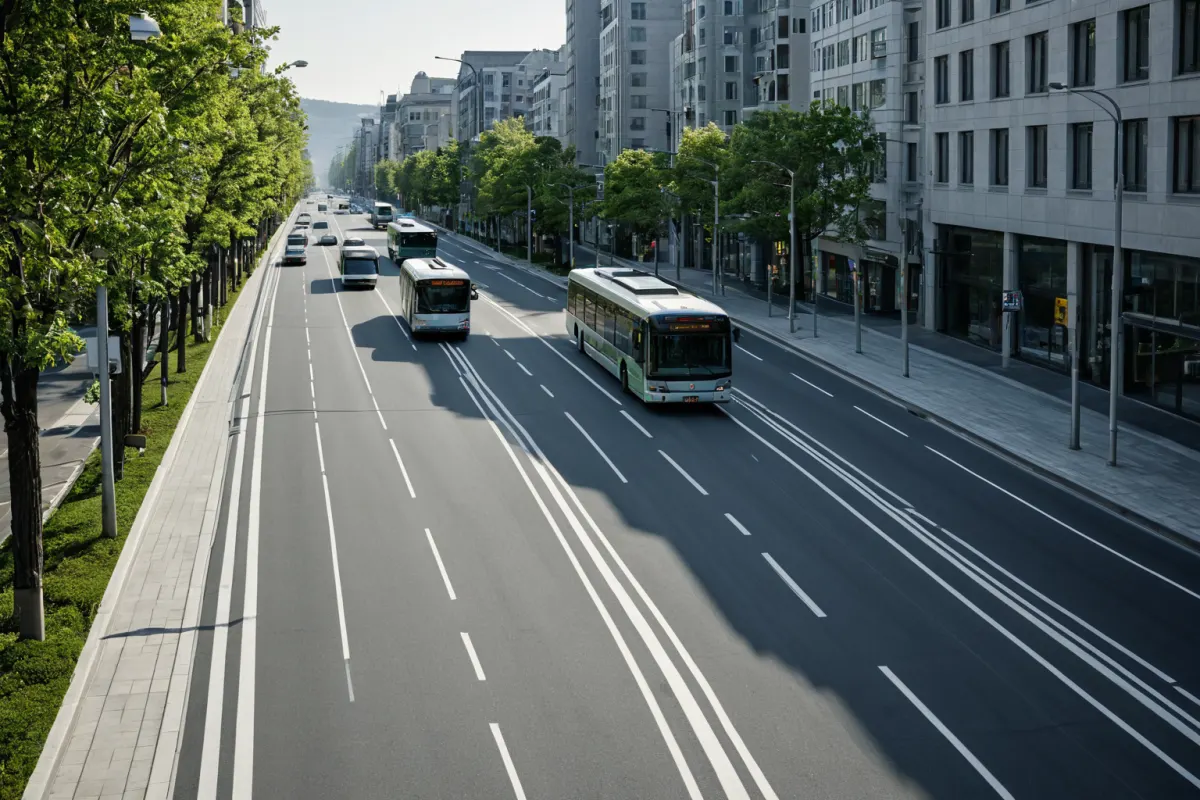
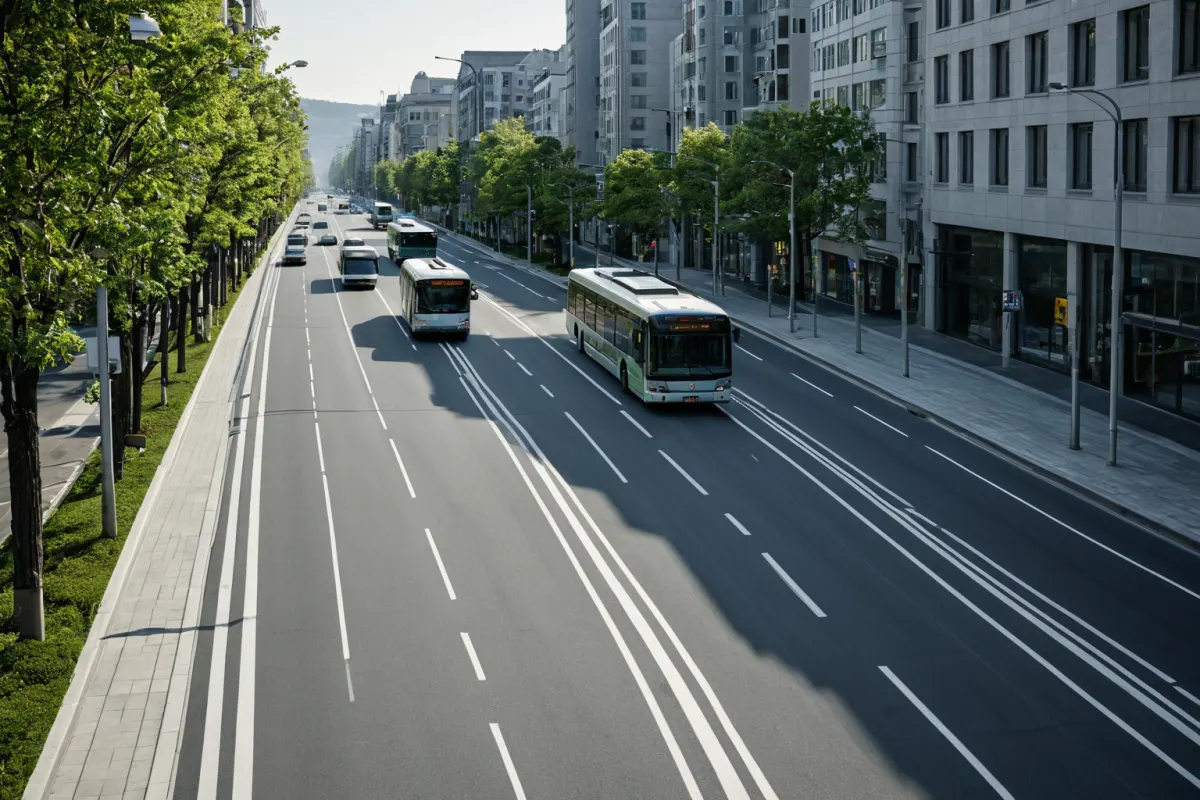
The case of Ansan city bus accidents decreasing by 42.3% due to the implementation of an AI safety system demonstrates tangible results from AI adoption in disaster safety. This significant example, officially announced by Ansan City on August 7, 2026, highlights the effectiveness of AI-based predictive systems in preventing traffic accidents. The government plans to invest 94 billion won (approximately $73 million) by 2030 for developing AI systems aimed at disaster risk analysis and evacuation support. Meanwhile, Sejong SIREN and Jeju region are gaining attention for their adoption of AI solutions addressing climate and marine disasters. Notably, Sejong SIREN was praised on August 3, 2026, as having pioneered a new paradigm in disaster response through AI, while Jeju plans to invest 20 billion won over five years to prevent climate and marine-related disasters.
Government and Local Government Initiatives
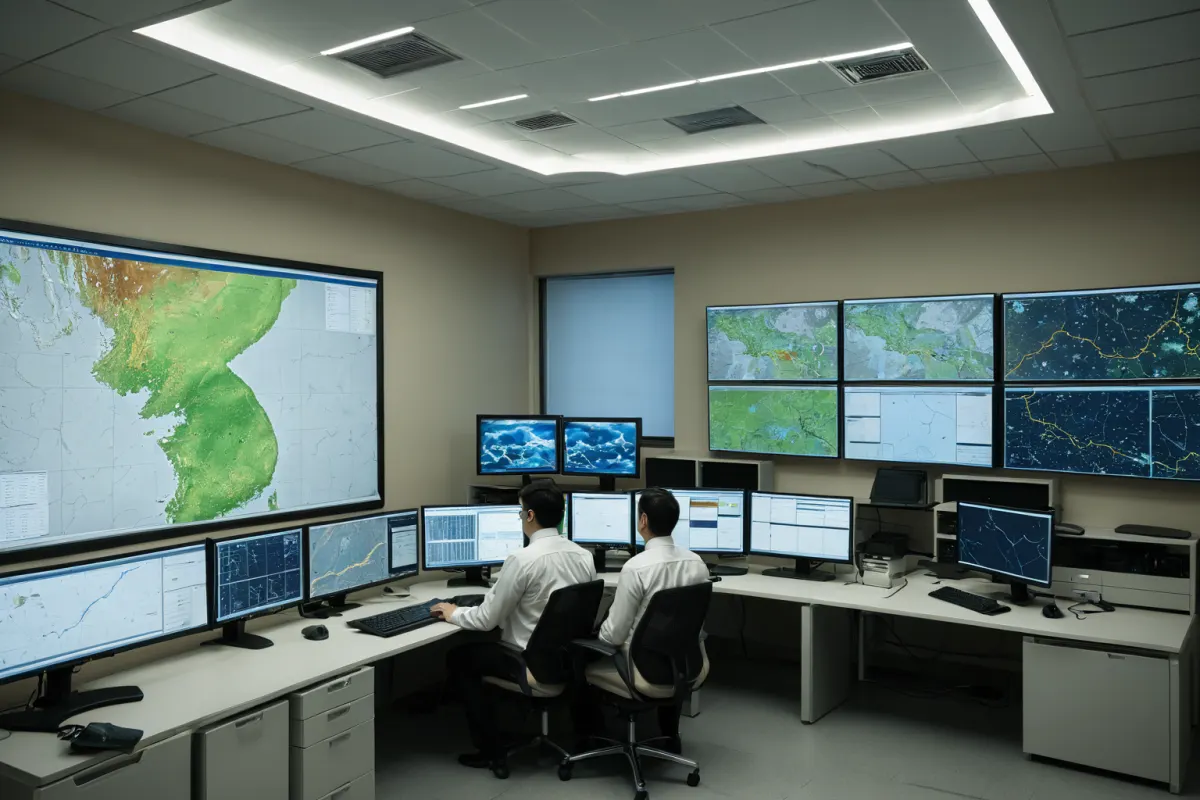
Asan City launched a project starting March 25, 2026, using AI to enhance administrative innovation, safety management, and financial oversight simultaneously. This strategic move reflects Asan's integrated approach to adopting AI technology for improving administrative efficiency and citizen safety. Sejong SIREN, as reported on August 3, 2026, has been recognized for opening a new paradigm in disaster response through AI, while Jeju plans to invest 20 billion won over five years to prevent climate and marine disasters. Additionally, the Gongju City Council urged the establishment of an AI prediction system to address recurring disasters, with Gongju City Councilor Kim Pil-jung speaking on this matter.
Administrative automation through the 'AI Safety Hotline' is also underway, and the Ministry of Science and ICT included digital safety system construction in its 2024 key policy initiatives. This indicates a shift toward preventive disaster response through AI-based predictive systems.
Limits of Disaster Safety AI Integration
Small construction companies remain skeptical about adopting AI for safety management, expressing doubt with phrases like 'unimaginable' (언감생심), due to insufficient technical understanding and concerns over the reliability of AI systems. There are also documented cases where AI-based safety monitoring failed on construction sites, making successful implementation difficult due to technological limitations and unclear responsibility frameworks. The Ministry of Science and ICT is developing an international standard-based TrustAI evaluation system as part of its 2024 policy initiatives.
Future Outlook and Notable Cases
Ongoing government and local investments are expected to drive the expansion of AI in disaster safety systems. Sejong SIREN and Jeju's specific cases serve as practical models showing how AI can contribute to disaster response. By 2030, a planned investment of 94 billion won for AI systems focused on disaster risk analysis and evacuation support will likely become more sophisticated, alongside the development of an international standard-based TrustAI evaluation system.
The government's plan to invest 94 billion won by 2030 in AI systems for disaster risk analysis and evacuation support represents a strategic approach to building systematic response mechanisms against increasing disasters due to climate change. Jeju's five-year, 20 billion won investment to prevent climate and marine-related disasters highlights the importance of proactive disaster management amid climate change.
Rank Changes and Future Outlook
What was the reduction rate in Ansan city bus accidents?
The accident rate decreased by 42.3%.
How much is the government planning to invest in AI systems for disaster risk analysis?
The government plans to invest 94 billion won (approximately $73 million) by 2030.
What is the level of trust among small construction companies regarding AI adoption for safety management?
Small construction companies express skepticism, using the phrase 'unimaginable' (언감생심), indicating a lack of confidence in AI systems for safety management.
You can view similar articles all at once here.
View Related ArticlesFAQ
What was the reduction rate in Ansan city bus accidents?
The accident rate decreased by 42.3%.
How much is the government planning to invest in AI systems for disaster risk analysis?
The government plans to invest 94 billion won (approximately $73 million) by 2030.
What is the level of trust among small construction companies regarding AI adoption for safety management?
Small construction companies express skepticism, using the phrase 'unimaginable' (언감생심), indicating a lack of confidence in AI systems for safety management.
Korean Source
This article is an English localization of a Korean-language report from BlogScore. Original: 재난안전 AI 도입 시 기대되는 효과와 한계