
Regional Support Programs for Heatwaves and Droughts: Current Status
Government Measures for Heatwave and Drought Response
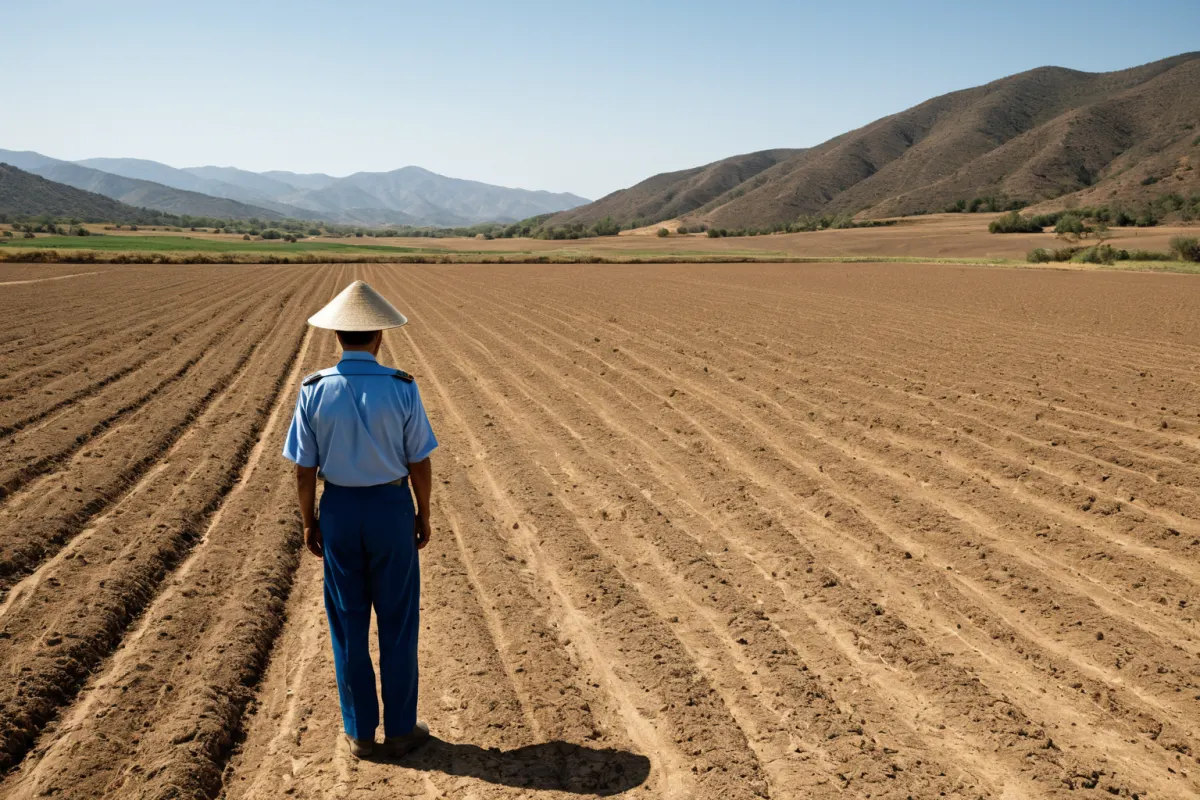
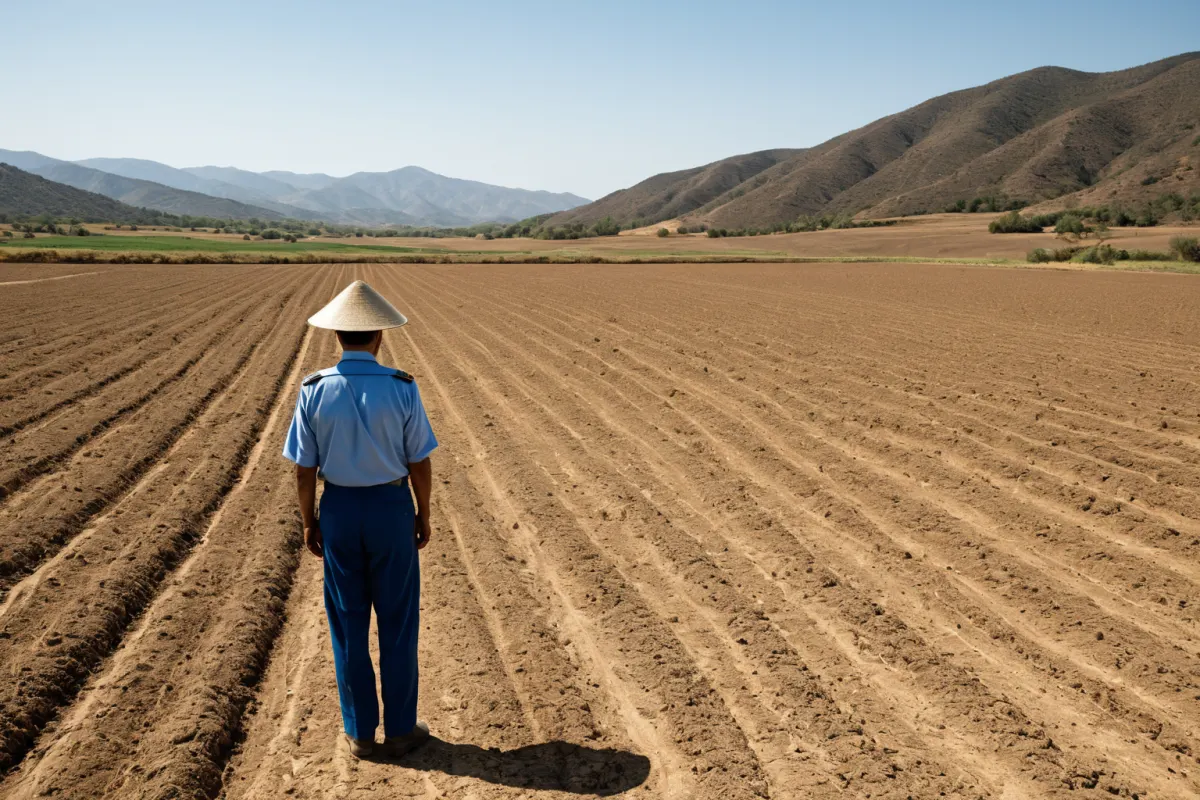
The government is taking comprehensive action across multiple sectors to minimize damage from heatwaves and droughts in southern regions. The Ministry of Agriculture, Food and Rural Affairs, the Forest Service, and local governments are working together to allocate preventive funds, conduct on-site inspections, and strengthen emergency response systems.
Confirmed Government Actions
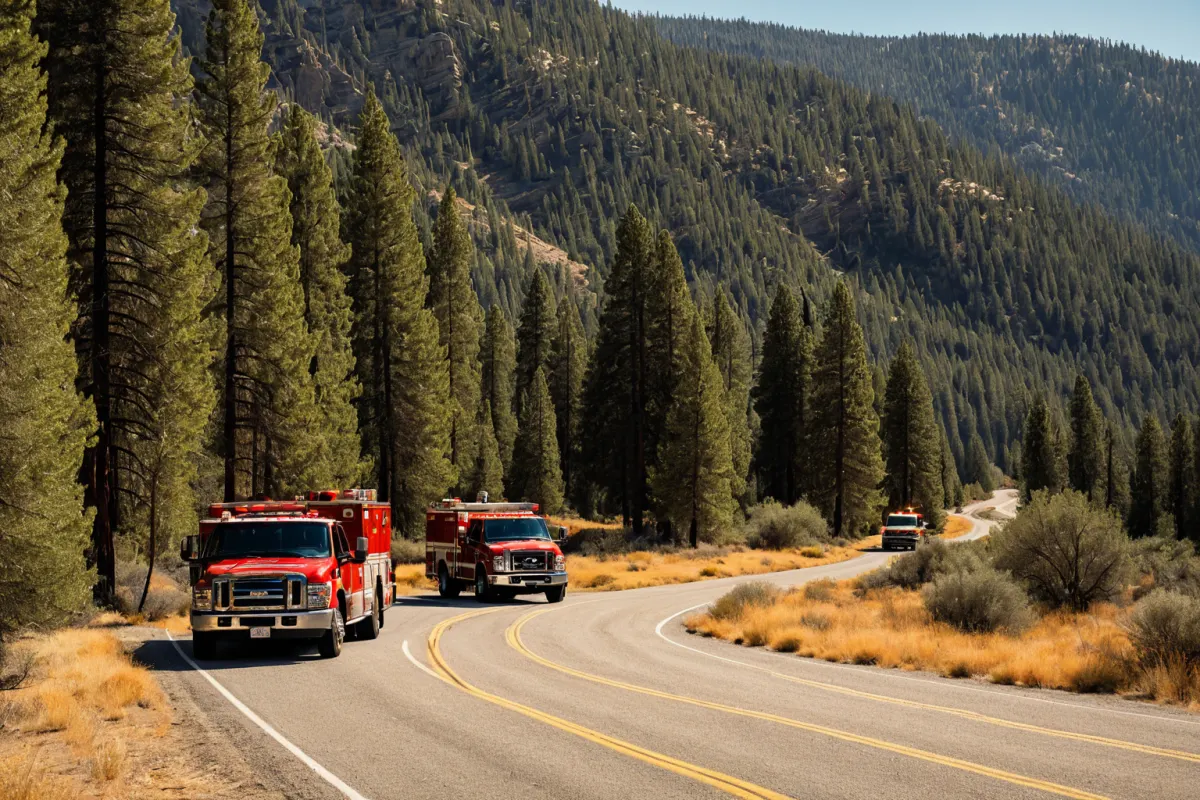
The Ministry of Agriculture, Food and Rural Affairs has allocated 68.7 billion won in preventive funds for heatwave and drought response. This funding will be used to secure agricultural water supplies and conduct inspections in vulnerable areas. The Forest Service has urgently deployed 62 firefighting vehicles to prepare for increased wildfire risks due to the drought conditions.
Geosan City and Jangheung County have strengthened their response systems by conducting on-site inspections of areas at risk from heatwaves and droughts. Geosan City is focusing on securing agricultural water supplies to prevent farming damage, while Jangheung County is prioritizing the safety management of vulnerable populations and elderly farmers.
Nonghyup (Agricultural Cooperative) has urgently allocated 30 billion won in disaster relief funds as heatwaves and droughts continue. This measure aims to compensate for agricultural losses and alleviate financial burdens on farmers. The Central Disaster Management Headquarters declared an emergency level 2 response for extreme heat conditions, dispatching on-site managers to monitor the situation in real time.
Event Timeline: Southern Region Drought and Heatwaves
From early August 2026, southern regions experienced consecutive heatwaves and droughts. KBS News reported the spread of heatwave and drought disaster conditions on August 10, with a simultaneous report of an emergency drought situation in southern regions.
On August 7, the Forest Service deployed 62 firefighting vehicles to address increased wildfire risks due to drought conditions. This came after a 17-year high for algal alerts at water sources, highlighting severe water security issues.
On August 5, the government launched an all-out effort to secure water supplies in southern regions, taking a comprehensive approach different from previous methods, according to Energy Economy News.
On August 6, the Ministry of Agriculture announced a full mobilization of resources for heatwave and drought response, while Forest Service announced full mobilization of firefighting resources. These measures aim for faster and more systematic responses than previous approaches.
On August 8, Jangheung County and Geosan City conducted on-site inspections of areas at risk from droughts and heatwaves. This is a regular measure to secure agricultural water supplies and prevent damage.
Cause Analysis: Climate Change and Infrastructure Gaps
The prolonged heatwaves and droughts are attributed to changing extreme weather patterns caused by climate change. The recent algal alert at water sources—first in 17 years—demonstrates the direct impact of climate change.
Additionally, insufficient agricultural infrastructure has contributed to the problem. Prolonged drought makes it difficult to secure agricultural water supplies, potentially leading to economic losses for farmers. Therefore, the government is investing preventive funds to support agricultural water security.
The Forest Service deployed firefighting vehicles urgently in response to increased wildfire risks due to dry conditions from droughts.
The government has strengthened its inter-ministerial emergency response system and activated sector-specific agencies. On August 8, the government reinforced its inter-ministerial response framework and launched departmental emergency response teams.
In Europe, extreme heatwaves and droughts have caused nuclear power plants to shut down and triggered crop harvest emergencies. This shows how climate change is affecting regions globally.
Response and Safety Information
Government and local authorities are implementing response measures centered on the ground. The Central Disaster Management Headquarters declared an emergency level 2 for extreme heat, dispatching on-site managers to monitor conditions in real time.
Busan Nonghyup and Geosan City have conducted visits to drought-vulnerable areas and on-site inspections for heatwave response. These measures aim to secure agricultural water supplies and prevent damage, ensuring resident safety.
Mayor Sa Sun-mun of Jangheung County emphasized minimizing citizen damage through vulnerability area inspections, while Mayor Woo Seong-been of Gijang County pledged full efforts to secure agricultural water supplies. These actions reflect tailored regional response strategies.
The Gimje City Council held an emergency meeting with council members to discuss response measures, aiming to incorporate community feedback into policy improvements.
Verified Information
It is confirmed that the government and local authorities are making all-out efforts for heatwave and drought response. However, there have been no reports on the scale of damage or specific casualty numbers. Some reports mentioned 23 deaths due to heatwaves, but this remains unverified.
The preventive fund of 68.7 billion won allocated by the Ministry of Agriculture will be used for agricultural water security and inspections in vulnerable areas. The Forest Service's deployment of 62 firefighting vehicles is confirmed as a measure to address increased wildfire risks due to droughts.
Inspections conducted by Jangheung County and Geosan City are regular activities aimed at preventing agricultural damage and ensuring resident safety, though specific inspection details or results have not been reported in the media.
Frequently Asked Questions
What funds has the government allocated for heatwave and drought response?
The Ministry of Agriculture allocated 68.7 billion won in preventive funds for heatwave and drought response, to be used for securing agricultural water supplies and inspecting vulnerable areas.
How many firefighting vehicles has the Forest Service deployed?
The Forest Service has urgently deployed 62 firefighting vehicles to prepare for increased wildfire risks due to drought conditions in southern regions.
How has the government strengthened its emergency response system?
The government has reinforced its inter-ministerial emergency response system and activated sector-specific agencies. The Central Disaster Management Headquarters declared an emergency level 2 for extreme heat, dispatching on-site managers to monitor conditions in real time.
Frequently Asked Questions
Government and local authorities are making all-out efforts to minimize damage from southern region heatwaves and droughts. The Ministry of Agriculture, Forest Service, Nonghyup, and others are collaborating to allocate preventive funds, conduct on-site inspections, and strengthen emergency support systems.
The deployment of 62 firefighting vehicles by the Forest Service and Nonghyup's allocation of 30 billion won in disaster relief funds demonstrate rapid responses to heatwave and drought conditions. Additionally, on-site inspections by Jangheung County and Geosan City contribute to preventing agricultural damage and ensuring resident safety.
The government is monitoring the situation through its strengthened inter-ministerial response framework, reflecting a strategy to address changing extreme weather patterns due to climate change. Ongoing management will be necessary for sustained effectiveness.
Europe has also experienced severe heatwaves and droughts leading to nuclear plant shutdowns and crop harvest emergencies, demonstrating how climate change affects regions globally. Therefore, the government's efforts are increasingly important.
The ground-centered response by government and local authorities is expected to minimize agricultural damage and ensure resident safety. However, prolonged heatwaves and droughts may require additional support and policy improvements.
You can view similar articles on this topic in one place.
View Related ArticlesFAQ
What funds has the government allocated for heatwave and drought response?
The Ministry of Agriculture allocated 68.7 billion won in preventive funds for heatwave and drought response, to be used for securing agricultural water supplies and inspecting vulnerable areas.
How many firefighting vehicles has the Forest Service deployed?
The Forest Service has urgently deployed 62 firefighting vehicles to prepare for increased wildfire risks due to drought conditions in southern regions.
How has the government strengthened its emergency response system?
The government has reinforced its inter-ministerial emergency response system and activated sector-specific agencies. The Central Disaster Management Headquarters declared an emergency level 2 for extreme heat, dispatching on-site managers to monitor conditions in real time.
Korean Source
This article is an English localization of a Korean-language report from BlogScore. Original: 폭염 가뭄 비상 대응을 위한 지역별 지원 프로그램 현황