
Regional Price Disparities After Fuel Price Cuts: Causes and Solutions
Perceived Price Reductions Vary by Region
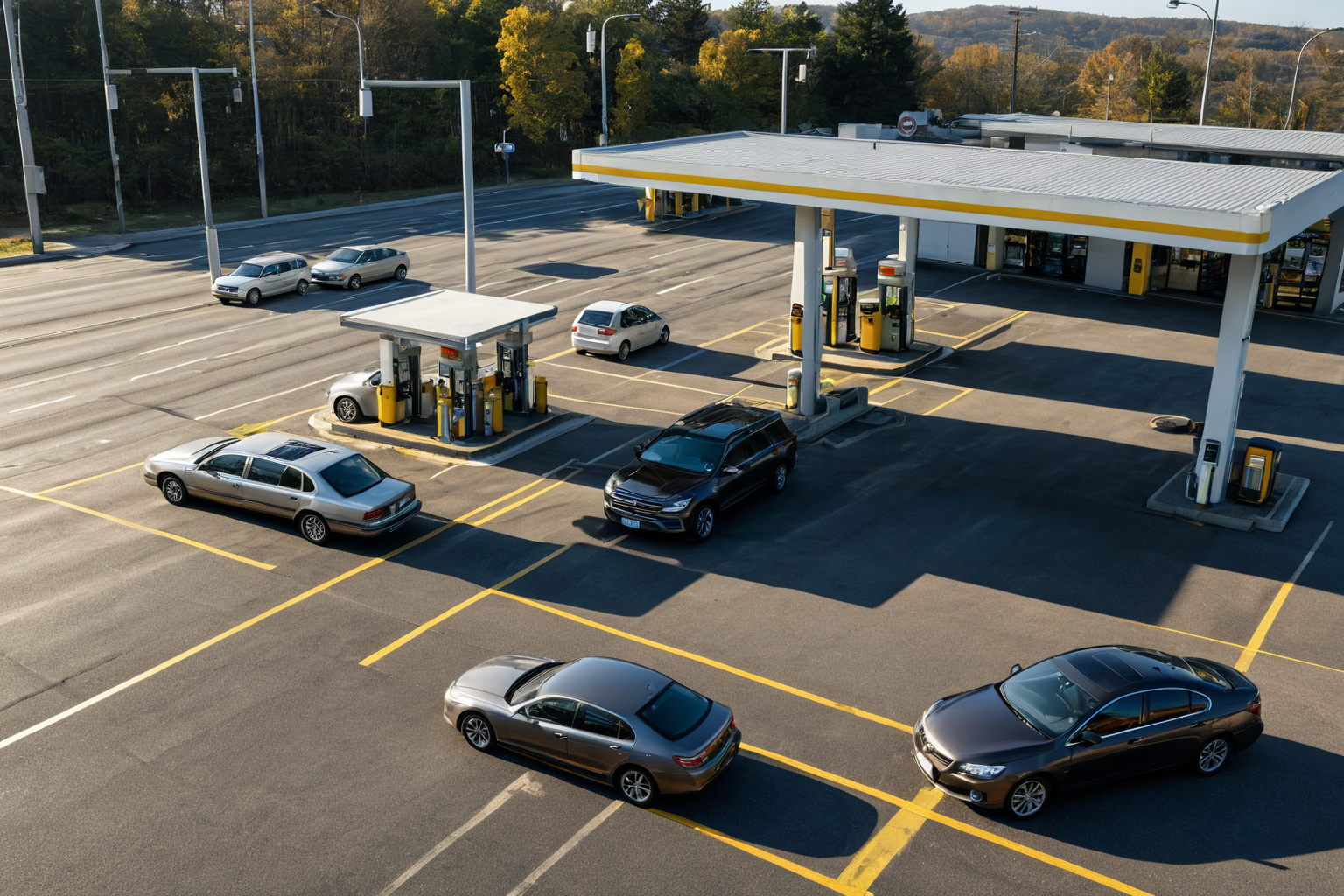
Despite the government's nationwide fuel price reduction policy, regional price gaps continue to widen. Even with the implementation of a maximum pricing system, differences between gas stations remain significant, and perceived reductions vary even as prices enter the 1,800 won range.
Government Policy vs. Ground Reality
The government extended fuel tax cuts until late November and lowered prices by an average of 100 won per liter during the Chuseok holiday period. However, in Sejong City, price differences between gas stations reached up to 261 won, showing severe imbalance within the same area.
Fuel prices remain stuck around 2,000 won per liter, with Daegu and Gyeongbuk seeing gasoline and diesel drop by 150 won, while Gyeonggi Province remains at higher levels. While OPinet can help reduce fuel costs, the perceived reduction on the ground appears minimal.
Causes of Price Imbalance
The implementation of a maximum pricing system on March 15, 2026 slowed down price reductions at gas stations. On March 23, there were predictions that fuel prices would rise in steps every two weeks. By May 2, fuel prices were reported to be stuck around the 2,000 won range, and a nationwide cut was implemented on July 1.
In Sejong City, prices showed an eight-week decline followed by a rebound starting July 14 due to rising international oil prices. In Gyeonggi Province, gasoline prices have remained at 1,985 won per liter as of June 28, leaving significant burden on ordinary citizens.
Effectiveness and Limitations of Price Cut Policies
The government has extended fuel tax cuts (15% for gasoline, 25% for diesel) until late November, while expanding reductions for LPG and butane. However, without the maximum pricing system, gasoline could rise to 2,200 won and diesel to 3,500 won due to refinery losses.
During Chuseok, prices were reduced by 100 won per liter alongside toll-free highways, but this was a temporary measure. Internationally, countries like the U.S., UK, and France are reducing fuel taxes or providing subsidies, making government intervention more difficult.
Measures to Ease Burden on Ordinary Citizens
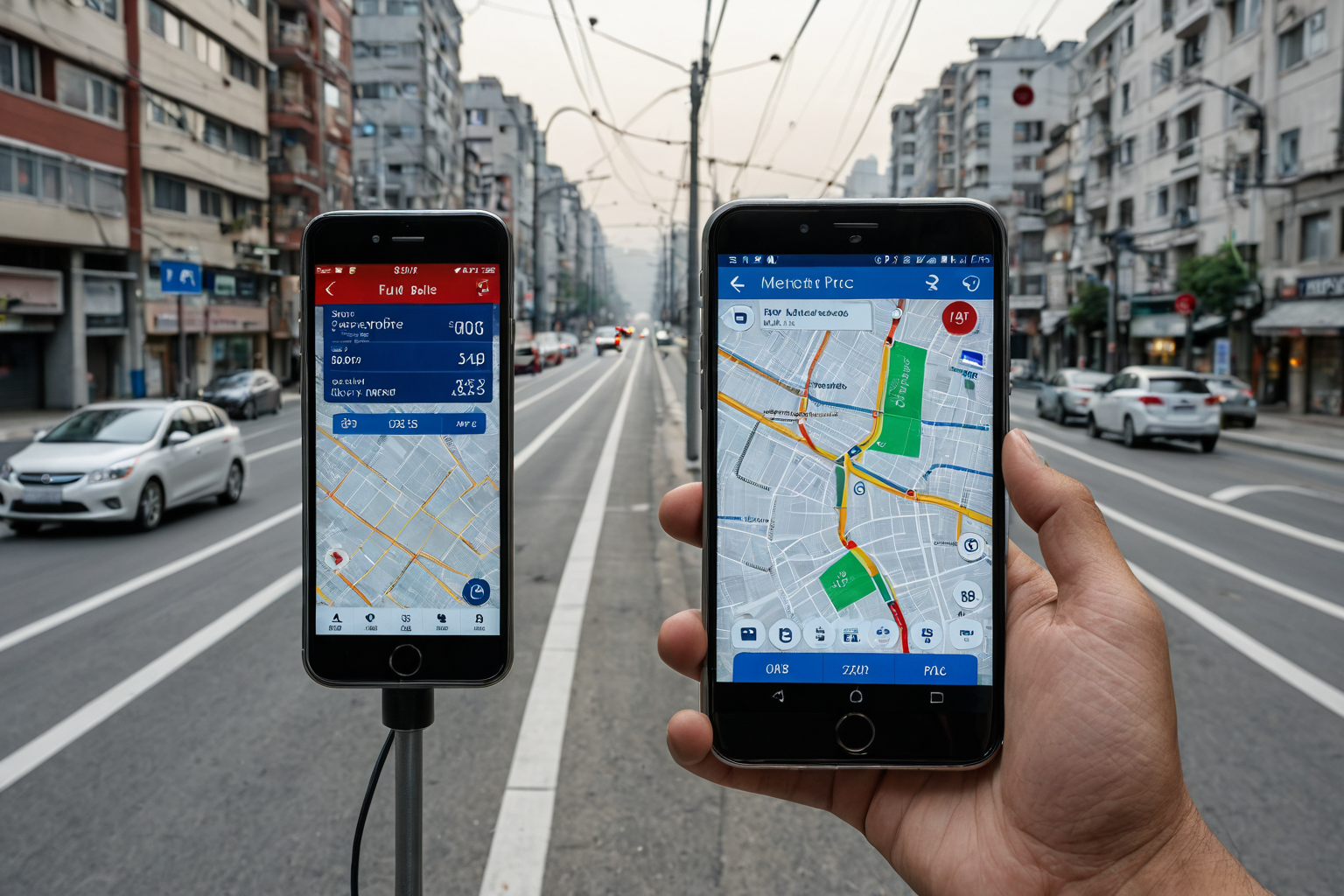
To reduce citizens' burden, recommendations include using discount gas stations and OPinet for fuel cost savings. On March 28, the use of OPinet was officially introduced. During Chuseok, price cuts helped alleviate travel costs.
In Daejeon, a 'rocket and feather effect' emerged as gas station prices diverged. This occurred because stations independently set prices between government maximum pricing and refinery-wide reductions.
The government announced on September 18 that fuel tax cuts would be extended until late November, implementing toll-free highways and a 100 won per liter reduction during Chuseok from September 22. However, these are temporary measures with limited long-term solutions.
Analyzing the Stagnation of Fuel Prices
The main cause of fuel prices remaining around 2,000 won is the pricing structure between refineries and gas stations. Refineries reduced prices nationwide, but stations independently set their rates, causing polarization.
Since implementing the maximum pricing system in March 2026, price reductions at stations have slowed, lowering perceived savings. Even within the same area, differences can reach up to 261 won, with citizens expressing complaints.
Rising international oil prices also play a significant role. In Sejong City, prices rebounded after eight weeks of decline on July 14 following an international price increase, leading to criticism that the maximum pricing system's effectiveness is limited.
Policy Adjustments and Future Outlook
The government continues extending fuel tax cuts until late November while expanding reductions for LPG and butane. However, increasing refinery loss compensation has sparked debate about whether to maintain the maximum pricing system.
Toll-free highways and 100 won per liter price cuts during Chuseok provide only temporary relief, with long-term solutions still lacking. In Gyeonggi Province, despite prices entering the 1,800 won range, regional disparities remain significant, highlighting urgent need for additional measures.
Key Information to Verify
The government's fuel tax cut extension until late November is temporary. During Chuseok, gas station prices were reduced by an average of 100 won per liter alongside toll-free highways.
In Daegu and Gyeongbuk, gasoline and diesel dropped by 150 won, while Gyeonggi remains high. OPinet can help reduce costs, but on-the-ground perception of price cuts is minimal.
Frequently Asked Questions
How long will the government's fuel tax reduction be extended?
The fuel tax cut will be temporarily extended until late November. During this period, gasoline will receive a 15% discount and diesel a 25% discount.
How were gas prices reduced during Chuseok?
During Chuseok, gas station prices were reduced by an average of 100 won per liter alongside toll-free highways to alleviate travel costs for the holiday period.
Can using OPinet help save on fuel costs?
Yes, checking gas station prices through OPinet and using discount stations can reduce fuel costs. The official guide for using OPinet was released on March 28.
Frequently Asked Questions
Despite entering the 1,800 won range, regional price disparities continue to worsen. Even with government tax cuts and maximum pricing implementation, perceived reductions vary significantly, particularly in Gyeonggi Province where prices remain stuck. While discount stations and OPinet are recommended to ease burden, long-term solutions remain insufficient. The government has extended fuel tax cuts until late November, but additional measures will be necessary.
You can view similar articles on this topic in one place.
View Related ArticlesFAQ
How long will the government's fuel tax reduction be extended?
The fuel tax cut will be temporarily extended until late November. During this period, gasoline will receive a 15% discount and diesel a 25% discount.
How were gas prices reduced during Chuseok?
During Chuseok, gas station prices were reduced by an average of 100 won per liter alongside toll-free highways to alleviate travel costs for the holiday period.
Can using OPinet help save on fuel costs?
Yes, checking gas station prices through OPinet and using discount stations can reduce fuel costs. The official guide for using OPinet was released on March 28.
Korean Source
This article is an English localization of a Korean-language report from BlogScore. Original: 주유소 가격 인하로 인한 지역별 차이와 대응 방법