
Reflective Road Stud Selection Checklist: Recommendations by Installation Environment
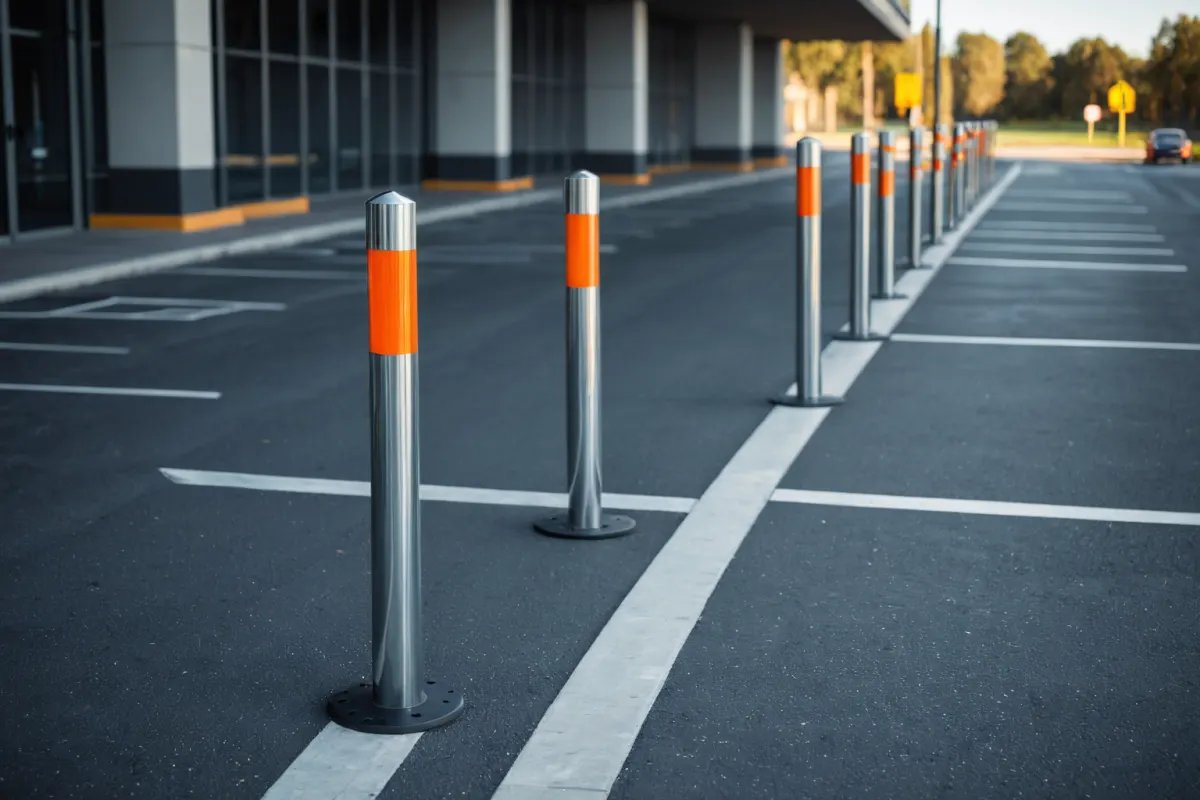
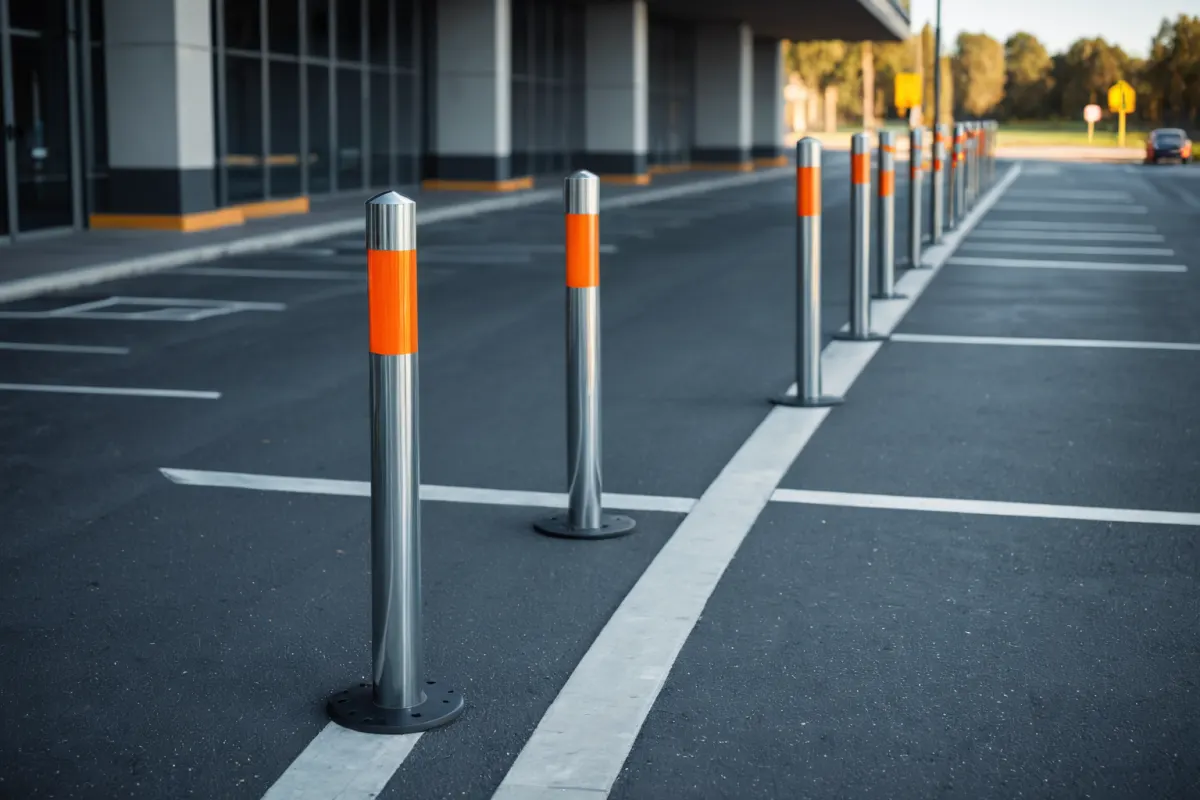
When selecting a reflective road stud, you should first determine "where it will be installed." The material, height, reflectivity, and mounting method vary depending on whether it's for an indoor parking lot, outdoor pedestrian path, or high-traffic entryway. Choosing the right environment-specific product improves visibility and makes maintenance much easier.
Why You Should Confirm Installation Environment First
A common mistake in selecting reflective road studs is choosing based solely on product specifications. Even if products look similar at first glance, different installation locations require different conditions.
For example, areas with frequent vehicle traffic like parking lot entrances need materials that can withstand impacts, while places with high pedestrian activity at night prioritize reflectivity direction and brightness. A highly visible product may still require more frequent replacements if its base mounting is weak.
You can find similar articles in one place.
View Related ArticlesSelection Criteria for Indoor Parking Lots
Indoor parking lots have consistent lighting and less exposure to wind or rain, so products with balanced visibility and safety work best rather than overly complex specifications. Size and appropriate height that minimally interfere with parking flow are important here.
For example, low-impact reflective panels are ideal near columns or corner sections, while areas requiring clear vehicle blocking may benefit from durable metal materials or products with elastic recovery properties.
Indoor floor conditions should also be checked. On sensitive finishes like epoxy or painted floors, the scope of repairs can vary depending on the anchor mounting method, so it's best to assess site conditions before installation.
Necessary Reflectivity for Outdoor Pedestrian Paths
Outdoor pedestrian paths experience significant environmental changes between day and night. In areas with insufficient street lighting, the position and angle of the reflective device greatly impact actual safety.
In such cases, a design visible from multiple angles is helpful. Since pedestrians' line of sight can come from various angles, not just directly ahead, products that are recognizable from multiple directions often perform better.
Another important factor is color. In dark or green-covered areas, bright-colored bodies stand out more clearly. Conversely, in locations with many surrounding structures, products with clear reflective surfaces are recognized more quickly.
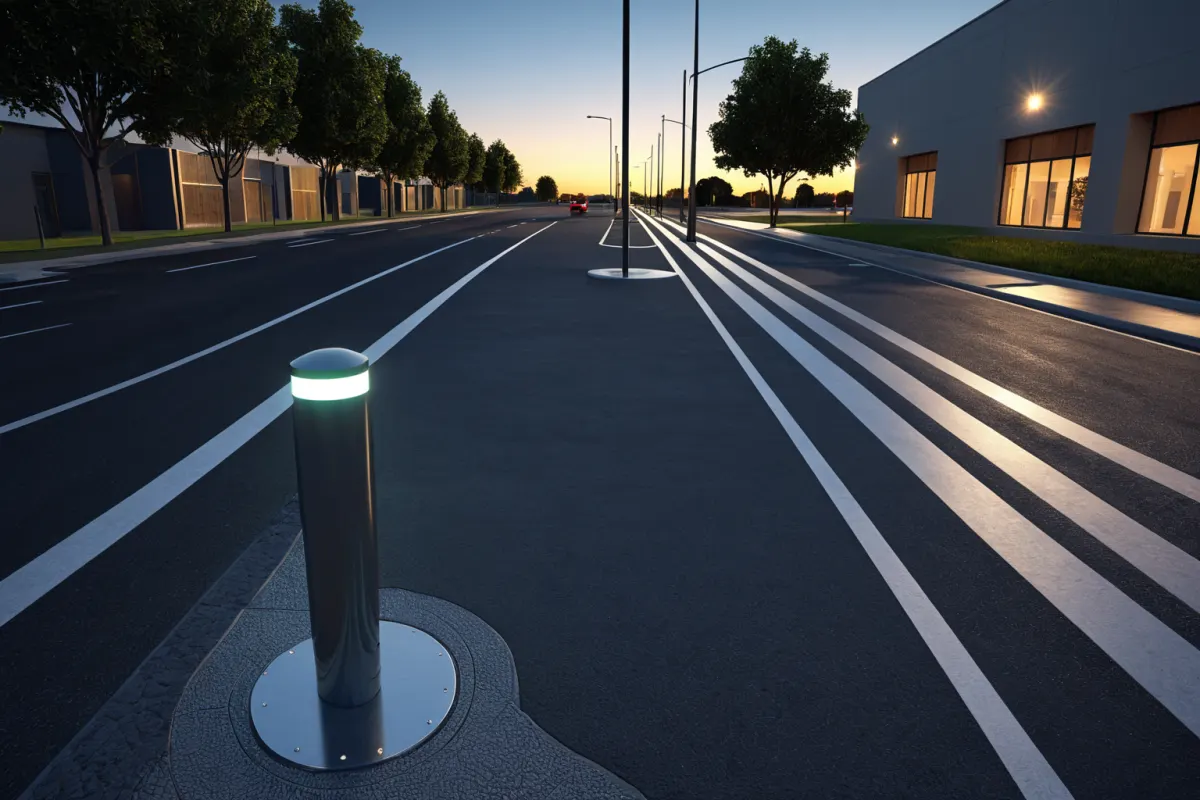
Durability Requirements for High-Traffic Vehicle Areas
In areas where vehicles frequently brush against the stud, impact resistance matters more than reflectivity. If the stud cannot withstand repeated contact, bolts may loosen or it may tilt.
For such locations, prioritize metal materials, thick outer shells, and elastic structures. Especially in tight turning radius entryways common in apartment complexes, contact frequency can be higher than expected, so consider not just rigidity but also recovery ability and replacement convenience.
In practice, areas like apartment complex entrances where complaints frequently arise may benefit more from impact-absorbing types rather than rigid fixed systems. Conversely, areas with frequent truck traffic require structures that don't easily bend.
Height and Spacing: Key Factors for Visibility
If a reflective road stud is too low, drivers may not notice it until late; if too high, it can create discomfort along pedestrian paths. Therefore, determining the appropriate height based on installation purpose is crucial.
Spacing works similarly. Too close together creates movement inconvenience, while too far apart weakens the blocking effect. For example, to separate pedestrian-only zones, maintain consistent spacing, but for vehicle entry barriers, align spacing with available passage width for practicality.
A common on-site method is using tape or temporary markers to first determine width. This helps avoid issues of being too narrow or wide after installation.
Mounting Methods and Maintenance Considerations
Ultimately, how the stud is mounted to the floor matters most. Anchor-mounted types are relatively easy to replace, while embedded types offer better stability. However, regardless of method, weak flooring makes long-term durability difficult.
Maintenance often faces unexpected challenges with reflective surface contamination. Dust, mineral deposits, and vehicle soot can reduce reflectivity, making regular cleaning advisable. For outdoor locations, drainage should also be considered; water accumulation can lead to corrosion or instability at the base.
For example, in shopping center parking lots with high cleaning frequency, products requiring less maintenance are preferable. In exterior parking areas exposed to rain and dust, finishes resistant to surface damage are more suitable.
Purchase Checklist
When actually selecting a product, confirming just these items can significantly reduce trial-and-error:
- Indoor or outdoor installation location
- High likelihood of vehicle contact
- Pedestrian-focused or vehicle blocking purpose
- Direction from which the reflector should be visible
- Concrete floor or finished flooring surface
- Frequent replacement or relocation needs
Sorting these items first reduces confusion when only reading product descriptions. Especially in spaces with dedicated management, comparing maintenance difficulty is also advisable.
Recommendations by Location Type
In summary, indoor parking lots prioritize visibility and installation convenience; outdoor pedestrian paths focus on reflectivity and weather resistance; high-traffic vehicle areas emphasize durability and mounting strength. The same reflective road stud may require different recommendations depending on the space's purpose.
The best approach is to clearly define your installation purpose in one sentence. "Ensuring pedestrian safety," "Preventing vehicle entry," or "Enhancing corner visibility" make product selection much easier. For example, in apartment complexes with many children, prioritize bright colors and high reflectivity; for logistics vehicle access points, focus first on impact resistance.
Selecting a reflective road stud isn't just about choosing an attractive product. It's about matching the environment and purpose, which leads to fewer failures.
FAQ
Q1. Are there bigger differences between indoor and outdoor use?
Outdoor environments show greater differences. More exposure to rain, dust, UV rays, and temperature changes means material, finish, and mounting method have a larger impact.
Q2. Is high reflectivity alone sufficient?
No. Even with good visibility, weak base mounting can compromise safety. Durability matching the installation environment must also be considered.
Q3. What type is best for areas requiring frequent replacement?
For locations needing regular movement or replacement, anchor-mounted types that are easier to manage are often preferable. However, this depends on site floor conditions.
Product specifications may vary by manufacturer and distributor, so it's recommended to confirm the latest specs and installation conditions before purchasing.
Continue exploring similar topics.
View Category ArticlesFAQ
Are there bigger differences between indoor and outdoor use?
Outdoor environments show greater differences. More exposure to rain, dust, UV rays, and temperature changes means material, finish, and mounting method have a larger impact.
Is high reflectivity alone sufficient?
No. Even with good visibility, weak base mounting can compromise safety. Durability matching the installation environment must also be considered.
What type is best for areas requiring frequent replacement?
For locations needing regular movement or replacement, anchor-mounted types that are easier to manage are often preferable. However, this depends on site floor conditions.
Korean Source
This article is an English localization of a Korean-language report from BlogScore. Original: 반사경볼라드선택 시 체크리스트: 설치 환경별 추천