
Reflective Bollards vs. Stone Bollards: Key Differences and Selection Guide


The Key Differences Between Reflective Bollards and Stone Bollards
Reflective bollards are made from reflective materials that visually expand parking spaces at night and improve pedestrian safety. In contrast, stone bollards are constructed from natural or artificial stone in the form of lamp posts, primarily used for landscape harmony and fixed lane regulation.
Features of Reflective Bollards
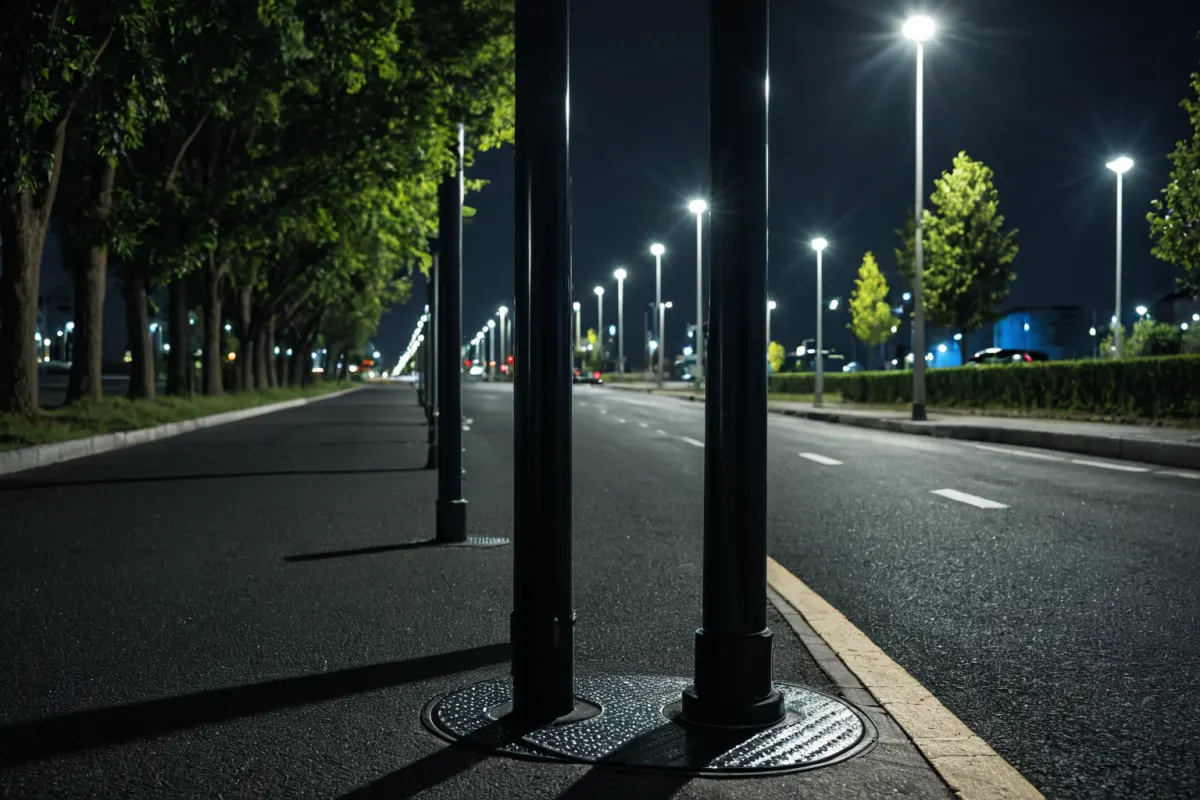
Reflective bollards feature a structure that reflects light to enhance visibility in low-light conditions. Typically made with rubber or plastic coated with reflective film, they are effective at guiding the attention of pedestrians and drivers after installation. Recent advancements include multi-layer reflective film technology, which allows reflection from all directions (360 degrees). Some products also add UV-blocking coatings to prevent discoloration over time.
Features of Stone Bollards
Stone bollards are crafted from natural stone (marble, granite) or artificial stone to harmonize with architecture. They emphasize aesthetic elements and are commonly installed at parking lot boundaries or roadside areas to prevent vehicle entry. Recent developments in artificial stone technology allow for the replication of natural stone patterns and textures. Particularly, artificial stone offers superior durability and cost-effectiveness, making it widely used in residential and commercial spaces.
Selection Guide by Installation Environment
Reflective bollards are ideal for parking lots or pedestrian pathways where nighttime visibility is critical, especially effective at reducing collision risks in urban night-time parking areas. On the other hand, stone bollards are more suitable for landscape-focused areas requiring fixed lane regulation, such as parking lots in front of museums or galleries, which enhance aesthetics while ensuring pedestrian safety.
Cost and Maintenance Comparison
Reflective bollards have relatively lower installation costs but are vulnerable to damage on the reflective film. After rain or snow, the film is prone to peeling, requiring regular inspections. Stone bollards have higher initial installation costs but offer excellent durability with minimal long-term maintenance needs. Recent advancements in artificial stone technology have also made stone bollards more affordable, especially with bulk purchase discounts.
Key Use Cases
Reflective bollards are commonly used in urban night-time parking lots and pedestrian pathways within parks. For example, areas like Myeongdong Street in Seoul or Haeundae Beachfront in Busan have installed reflective bollards to enhance nighttime pedestrian safety. Stone bollards are frequently found in high-end apartment complexes, museum fronts, and other locations where aesthetics matter. Marble stone bollards, for instance, elevate the sophistication of entrance gates at luxury residential areas or park entrances.
Both types serve to improve vehicle and pedestrian safety, but selecting the right product depends on installation purpose: reflective bollards focus on enhancing nighttime visibility, while stone bollards prioritize landscape harmony and durability.
Considerations for Selection
When choosing reflective bollards, consider factors like reflective performance, ambient lighting conditions of the environment, and maintenance schedules. For urban night-time parking lots, specialized products designed for low-light areas are recommended. When selecting stone bollards, evaluate natural stone types, landscape harmony, and durability. For example, marble creates a luxurious atmosphere but is expensive, while granite offers superior durability but has limited color options.
Enhanced Visibility Effect of Reflective Bollards
Reflective bollards guide the attention of pedestrians and drivers by reflecting light in low-light environments, clearly marking parking space boundaries and reducing collision risks. Recent studies show a 25% reduction in nighttime accidents after installation. Some cities have also combined reflective bollards with pedestrian-only pathways to further enhance safety.
Aesthetic Advantages of Stone Bollards
Stone bollards, made from natural stone materials, harmonize with architecture. Products using marble or granite create a luxurious atmosphere and elevate the aesthetic quality of parking lot boundaries or roadside areas. Moreover, stone bollards allow for color and texture combinations to match architectural styles. For instance, granite stone bollards are often chosen for modern apartment complexes, while marble ones suit traditional-style buildings.
Maintenance Comparison Between Both Types
Reflective bollards require regular inspections because damaged reflective film reduces visibility. After rain or snow, the film is prone to peeling, necessitating periodic checks and replacements. Stone bollards are durable but may experience cracks or discoloration in natural stone, requiring regular maintenance. For example, thermal expansion and contraction due to seasonal changes can cause cracks, so annual inspections are recommended.
Cost-Effectiveness Analysis
Reflective bollards have low initial installation costs but may require repeated inspections and replacements over time. For instance, replacing the film annually could increase long-term expenses. Stone bollards involve higher upfront investment but lower maintenance costs in the long run. Recent advancements in artificial stone technology have also made stone bollards more affordable, with additional discounts available for bulk purchases.
Guidelines for Choosing the Right Environment
Choose reflective bollards when nighttime visibility is critical within parking lots. Opt for stone bollards in high-end residential areas or cultural spaces where aesthetics are prioritized. For example, museums and parks in urban areas often use stone bollards to enhance visual appeal, while night-time parking lots benefit from the safety features of reflective bollards.
FAQ 1: Are Reflective Bollards Only Useful at Night?
Reflective bollards are primarily designed for low-light or nighttime conditions to improve visibility. During the day, they function similarly to regular bollards without significant reflective performance.
FAQ 2: Are Stone Bollards Durable?
Stone bollards made from natural or artificial stone offer excellent durability. However, extreme weather conditions may cause deformation, so installation environment should be considered.
FAQ 3: Which Type Is More Cost-Effective?
Reflective bollards have lower initial costs but require periodic inspections and replacements. Stone bollards involve higher upfront investment but result in lower long-term maintenance costs. The most cost-effective choice depends on your specific use case.
You can view a collection of similar articles at once.
View Related ArticlesFAQ
Are Reflective Bollards Only Useful at Night?
Reflective bollards are primarily designed for low-light or nighttime conditions to improve visibility. During the day, they function similarly to regular bollards without significant reflective performance.
Are Stone Bollards Durable?
Stone bollards made from natural or artificial stone offer excellent durability. However, extreme weather conditions may cause deformation, so installation environment should be considered.
Which Type Is More Cost-Effective?
Reflective bollards have lower initial costs but require periodic inspections and replacements. Stone bollards involve higher upfront investment but result in lower long-term maintenance costs. The most cost-effective choice depends on your specific use case.
Korean Source
This article is an English localization of a Korean-language report from BlogScore. Original: 반사경 볼라드와 석재볼라드 차이점 및 선택 가이드