
Red Sea Houthi Conflict Disrupts Maritime Traffic: How to Respond?
Worsening Red Sea Maritime Congestion
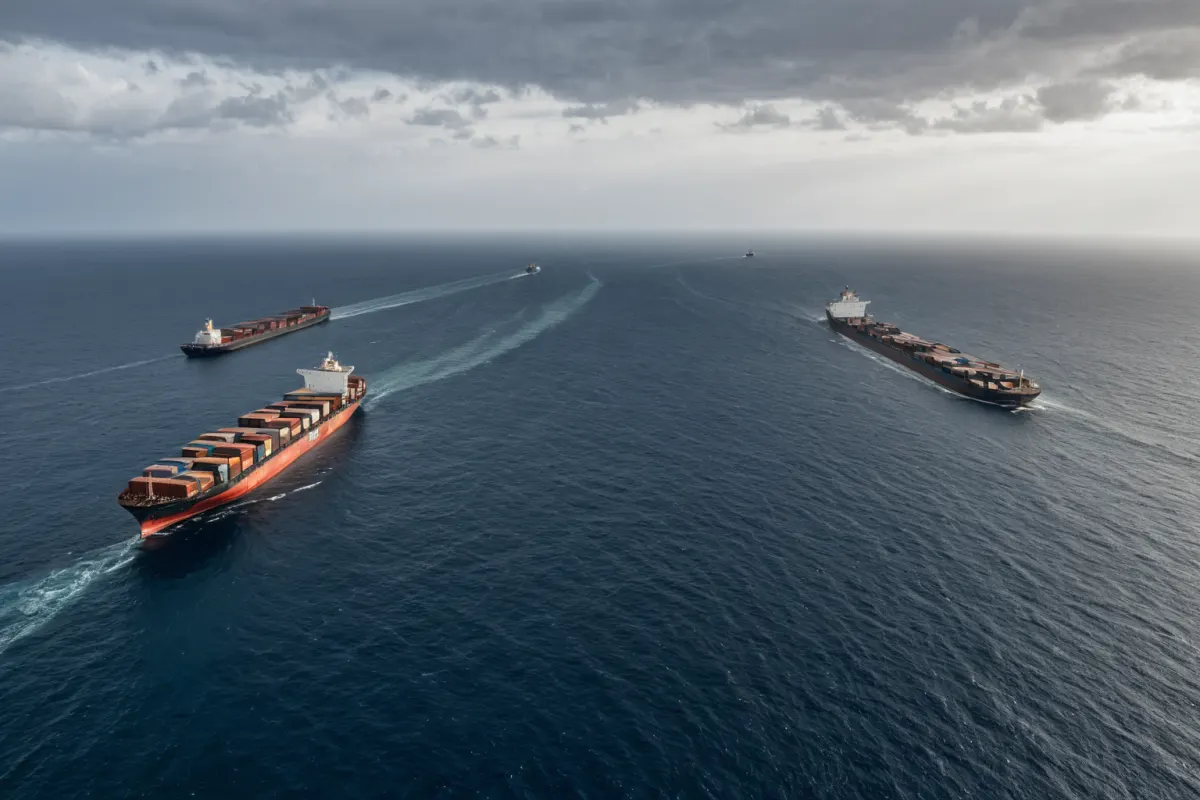
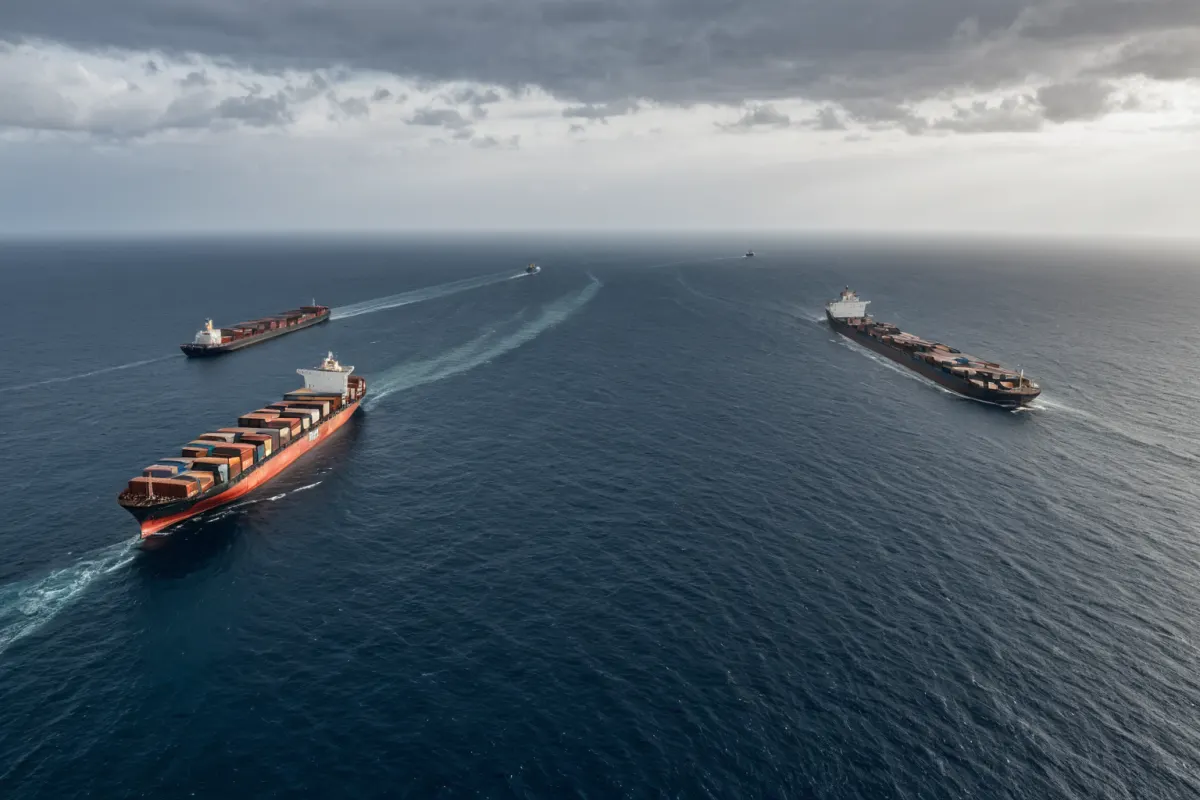
The Houthi rebels' declaration of a naval blockade against Saudi Arabia has intensified maritime congestion in the Red Sea due to clashes. This directly threatens energy supply chains in the Middle East, with global oil prices rising.
The number of cargo ships passing through the Red Sea has dropped sharply to 11 vessels per day, and traffic on the Bab el-Mandeb Strait has reached a multi-month low. This poses a serious threat to energy supply chains in the Middle East, while global oil prices have risen by 2%.
The clashes between Saudi Arabia and Houthi rebels appear to have reignited after four years, worsening amid escalating U.S.-Iran tensions. The Saudi-led coalition has carried out retaliatory airstrikes against the Houthis, raising concerns about further escalation as the Red Sea shipping route faces a crisis.
Reignition of Saudi-Houthi Conflict
The Houthi rebels' declaration of a naval blockade against Saudi Arabia marks a resumption of clashes after four years. This appears to have begun around July 14, 2026, leading to worsening congestion in the Red Sea region.
The Saudi-led coalition has conducted retaliatory airstrikes against the Houthis, linked to their 'Red Sea Fire' declaration on July 26, 2026. A land-based counter-air campaign appears to have begun alongside the naval blockade, signaling deepening security concerns across the Middle East.
The Houthi rebels claim to have attacked a Saudi oil tanker, confirmed by reports from July 23, 2026. This has shaken expectations of easing U.S.-Iran tensions and increased the risk of wider conflict across the region.
Rising Oil Prices Due to Conflict
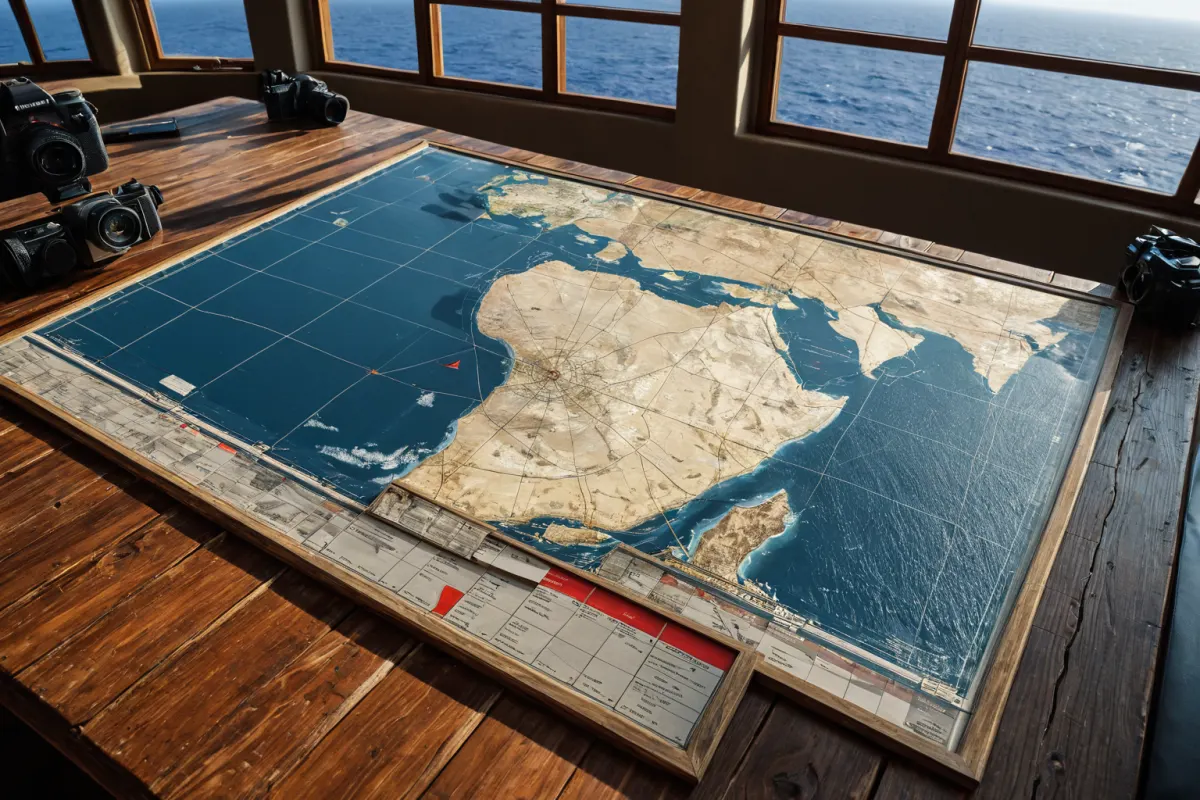
Global oil prices have risen by 2% due to Red Sea maritime congestion, amplifying economic impacts. This directly threatens energy supply chains in the Middle East and foreshadows broader market effects worldwide.
The Red Sea shipping route is one of the world's key trade corridors, and disruptions here are causing significant damage to global logistics systems. The Bab el-Mandeb Strait's daily traffic dropping to 11 vessels—its lowest level in months—highlights how severely energy supply chains in the Middle East are being impacted.
Even as U.S.-Iran airstrikes halted for two weeks, Houthi maritime operations have affected the U.S. Navy, with Saudi-Houthi clashes escalating into a second front. This indicates further deterioration of security conditions across the region.
Rising Risk of Full-Scale War Due to Iran's Involvement
Iran's involvement has increased the risk of conflict spreading to Hormuz, Iraq, and Jordan. Reports on July 29, 2026, indicate Iran attacked a U.S. military base in Jordan, raising concerns about full-scale war across the Middle East.
While U.S.-Iran hostilities briefly paused, the Houthi-Saudi conflict has raised the likelihood of Iranian involvement. This undermines expectations of easing U.S.-Iran tensions and expands the risk of a regional war.
The Saudi-Houthi clashes appear to have reignited after four years, worsening amid escalating U.S.-Iran tensions. The Saudi-led coalition's retaliatory airstrikes signal deepening security concerns in the Middle East.
Undermined Expectations for U.S.-Iran Tension Relief
Despite a two-week pause in U.S.-Iran airstrikes, Houthi maritime operations have impacted the U.S. Navy. This undermines expectations of easing tensions between the U.S. and Iran, signaling further deterioration of security conditions across the Middle East.
The Houthis claim to have attacked a Saudi oil tanker, confirmed by reports from July 23, 2026. This has shaken expectations of easing U.S.-Iran tensions and increased the risk of wider conflict across the region.
Even during a lull in U.S.-Iran hostilities, Houthi maritime operations have affected the U.S. Navy, with Saudi-Houthi clashes escalating into a second front. This indicates further deterioration of security conditions across the Middle East.
Key Information to Verify
The severity of Red Sea maritime congestion and rising oil prices should be emphasized, along with the resumption of conflict and missile retaliation warfare threatening regional security. The Houthi-Saudi clash has reignited after four years, and Iran's involvement is increasing the risk of full-scale war.
It has been confirmed that the Houthi rebels declared a naval blockade against Saudi Arabia on July 20, 2026, which appears to have taken effect immediately. The worsening maritime congestion due to clashes in the Red Sea region raises concerns about potential implementation of a full Red Sea blockade.
Saudi-Houthi airstrikes and retaliation are recurring, with the Red Sea blockade confirmed as immediate. This threatens energy supply chains across the Middle East, while global oil prices continue to rise.
Frequently Asked Questions
How will Red Sea maritime congestion impact global oil prices?
The Red Sea is one of the world's key trade corridors, and disruptions here are causing significant damage to global logistics systems. The Bab el-Mandeb Strait's daily traffic dropping to 11 vessels—the lowest in months—highlights how severely energy supply chains in the Middle East are being impacted.
What impact will the renewed Saudi-Houthi conflict have on U.S.-Iran relations?
While hopes for easing tensions existed after two weeks of halted U.S.-Iran airstrikes, Houthi maritime operations have affected the U.S. Navy. This undermines expectations of easing U.S.-Iran tensions and increases the risk of wider regional conflict.
Why is Iran's involvement increasing the risk of a full-scale war in the Middle East?
Iran supports the Houthi rebels, raising concerns that conflict could spread to Hormuz, Iraq, and Jordan. Reports on July 29, 2026, indicate Iran attacked a U.S. military base in Jordan, increasing fears of a regional war.
Frequently Asked Questions
The Red Sea maritime congestion and rising oil prices pose severe threats to energy supply chains in the Middle East, driven by Houthi-Saudi clashes. The Saudi-Houthi conflict has reignited after four years, with Iran's involvement increasing the risk of a full-scale war.
Expectations for easing U.S.-Iran tensions have been shaken due to Houthi maritime operations, worsening security conditions across the Middle East. The Red Sea blockade and land-based counter-airstrikes are escalating into missile retaliation warfare, spreading from sea to land.
The crisis in energy supply chains across the Middle East has heightened the urgent need for international mediation and dialogue to end the conflict. Maritime congestion and rising oil prices represent not only short-term economic impacts but also long-term security threats, making immediate international efforts to reduce regional tensions more critical than ever.
You can view similar articles on this topic in one place.
View Related ArticlesFAQ
How will Red Sea maritime congestion impact global oil prices?
The Red Sea is one of the world's key trade corridors, and disruptions here are causing significant damage to global logistics systems. The Bab el-Mandeb Strait's daily traffic dropping to 11 vessels—the lowest in months—highlights how severely energy supply chains in the Middle East are being impacted.
What impact will the renewed Saudi-Houthi conflict have on U.S.-Iran relations?
While hopes for easing tensions existed after two weeks of halted U.S.-Iran airstrikes, Houthi maritime operations have affected the U.S. Navy. This undermines expectations of easing U.S.-Iran tensions and increases the risk of wider regional conflict.
Why is Iran's involvement increasing the risk of a full-scale war in the Middle East?
Iran supports the Houthi rebels, raising concerns that conflict could spread to Hormuz, Iraq, and Jordan. Reports on July 29, 2026, indicate Iran attacked a U.S. military base in Jordan, increasing fears of a regional war.
Korean Source
This article is an English localization of a Korean-language report from BlogScore. Original: 홍해 후티 충돌로 인한 해상 교통 혼잡, 어떻게 대응할까?