
What Is the Red Sea Blockade and Why Did It Start?
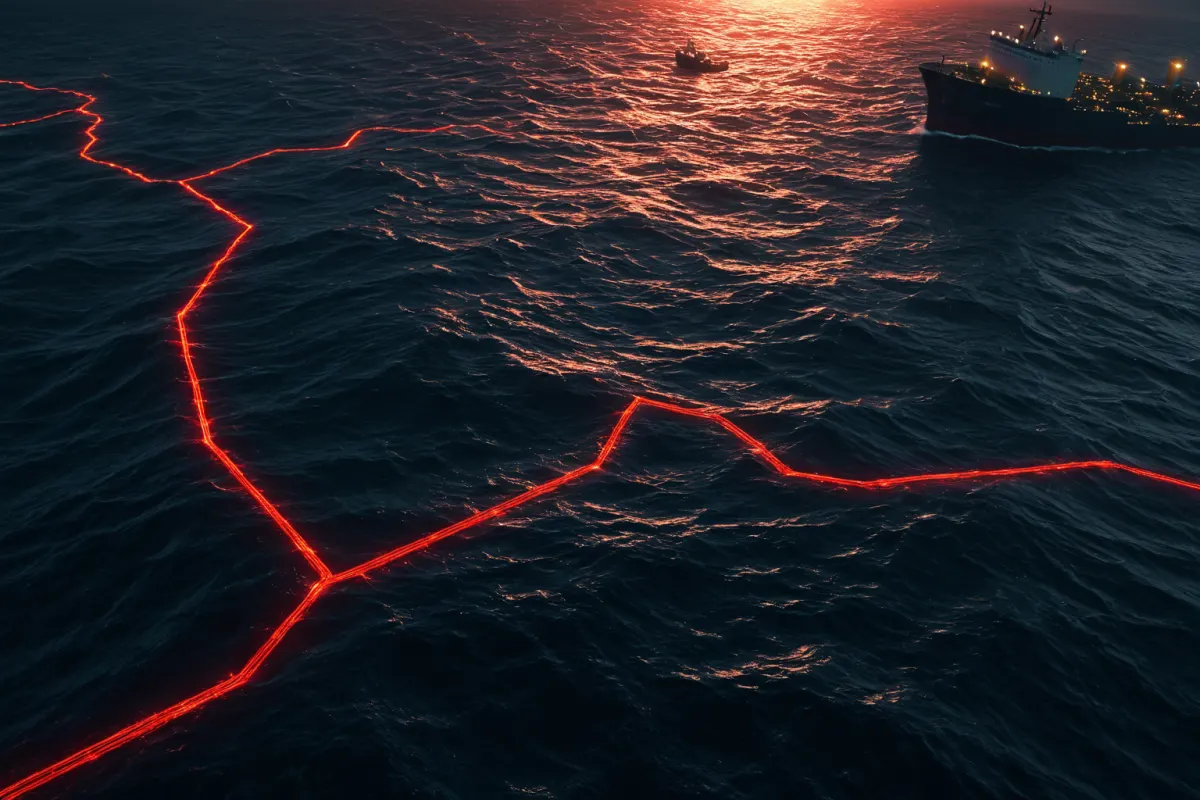
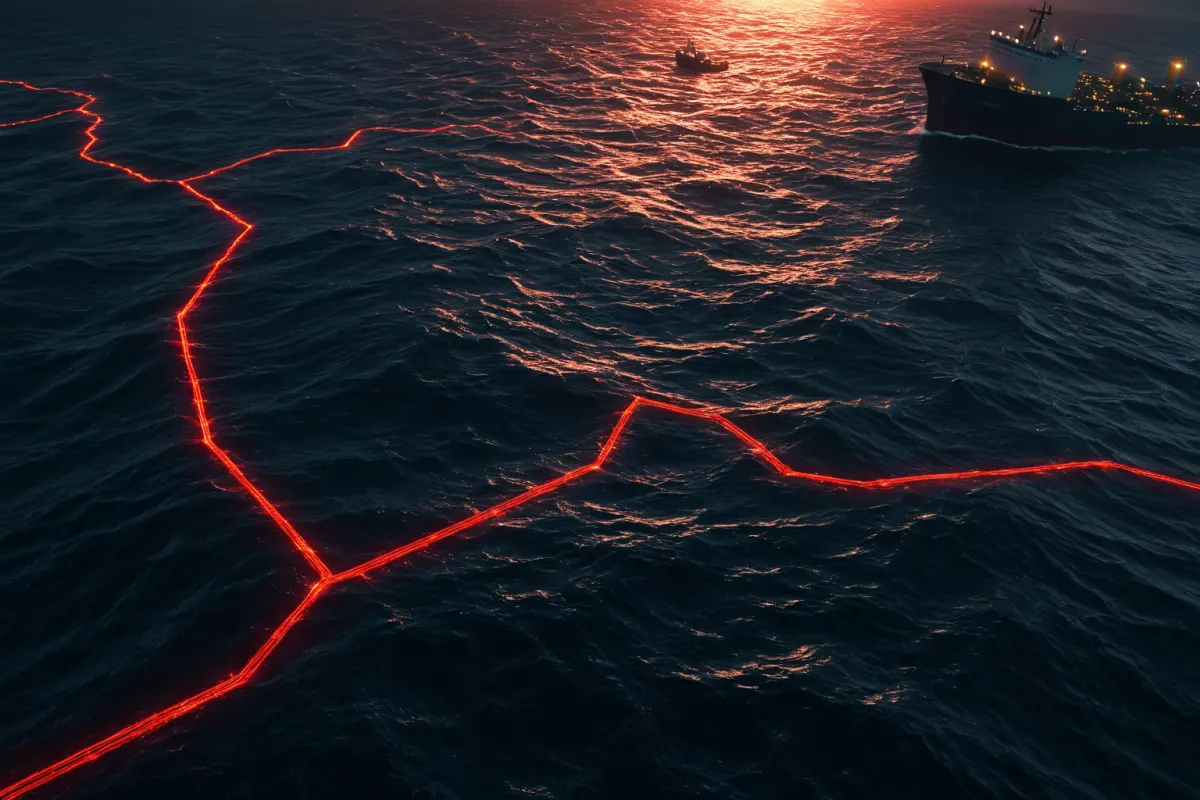
The Red Sea maritime blockade describes a situation where ships traveling through the Red Sea face near-total blockage or extreme danger. It's not just about traffic congestion—it includes vessels avoiding or abandoning passage due to actual attacks or threats from armed groups.
This issue extends beyond regional conflict. It directly affects global logistics through the Suez Canal, shipping rates, energy transportation, and import prices, making it a matter of international concern.
What Does the Red Sea Blockade Mean?
The Red Sea is a critical maritime route connecting Europe and Asia. If this passage is blocked, ships must detour around the southern tip of Africa at Cape Horn, significantly increasing time and costs.
The term 'blockade' doesn't always mean a country has officially closed the route. In practice, it often refers to situations where armed groups threaten or attack commercial vessels with missiles, drones, or speedboats, forcing ships to avoid the area.
For example, if a container ship must take 10 days longer due to detours, shipment schedules become disrupted and shipping costs rise. These additional costs are likely passed on to importers and consumers.
You can find similar articles on this topic in one place.
View Related ArticlesWhy Did the Red Sea Blockade Situation Begin?
The primary cause is military conflicts and political tensions in the Middle East. Specifically, armed groups near the Red Sea have targeted vessels linked to certain countries or Western shipping companies, escalating tensions rapidly.
While these groups justify attacks as part of their political or military objectives, the international shipping industry views them as targeting civilian cargo ships. This leads to a breakdown in route safety, causing insurance premiums and security costs to rise sharply.
The Red Sea has always been a strategic location, serving as a gateway to the Suez Canal. Even minor disruptions here can immediately impact global supply chains. Given the high volume of energy, essential goods, and manufactured products transported through this region, the ripple effects are significant.
Actual Changes in Ship Operations
When threats reach blockade levels, shipping companies first consider alternative routes. The most common choice is to detour around Cape Horn. However, this increases fuel costs, crew expenses, and reduces vessel turnover rates.
Another change is increased uncertainty in shipping schedules. If one ship is delayed, subsequent port calls are pushed back, causing port congestion. This effect is particularly noticeable in the logistics of electronics, clothing, and food—supply chains that rely on tight scheduling.
Insurance is also a concern. When an area is classified as high-risk, war risk insurance premiums rise, and some shipping companies may halt operations in certain sections entirely. As a result, even for the same cargo, transportation costs increase.
Impact on Global Logistics and Oil Prices
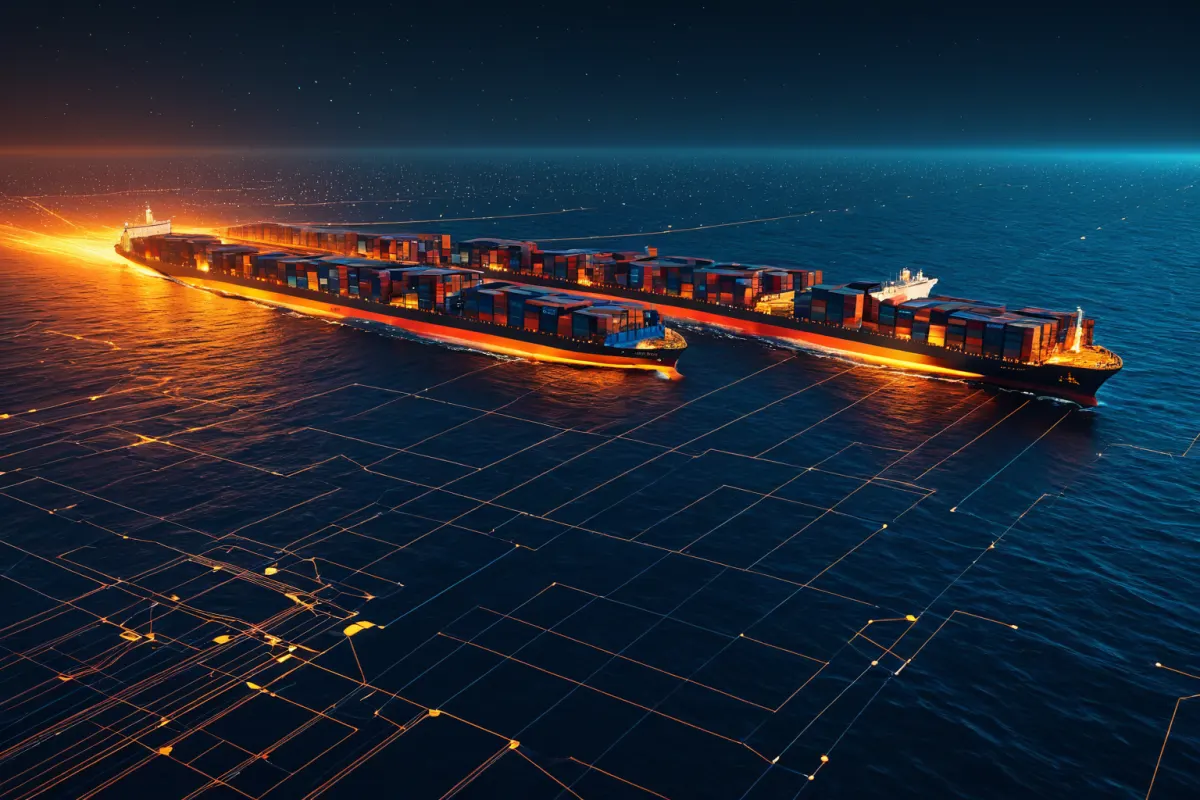
The Red Sea blockade isn't just about a few ships—it adds pressure to the movement of crude oil, liquefied natural gas (LNG), and refined petroleum products, increasing volatility in global energy markets.
If logistics are disrupted, time-sensitive goods react more acutely. For example, fresh food heading to Europe or certain raw materials entering South Korea may face delays, prompting industries to build up inventory or seek alternative suppliers.
As shipping costs rise repeatedly, indirect pressure on consumer prices can emerge. While not all items will see immediate price hikes, products with high import dependency are likely to show gradual increases over time.
Key Points to Watch in News Coverage
When reading news about the Red Sea blockade, focus on three key points: first, whether attacks have occurred; second, if shipping companies have begun detours; third, whether Suez Canal traffic has decreased.
If all three factors are present simultaneously, it's more likely that logistical disruptions will follow rather than just heightened tension. Conversely, even with military conflict news, if major shipping companies continue normal operations through the Red Sea, the impact may be limited.
For instance, an article stating 'some shipping companies have suspended passage through the Red Sea and are detouring around Cape Horn' indicates that markets have already begun reflecting rising shipping costs and schedule delays.
How Ordinary People Feel the Impact
Most people don't travel through the Red Sea directly, but they still feel its effects in daily life. Delays in overseas shopping deliveries, changes in prices for imported snacks and coffee, and extended delivery times for products transported by sea rather than air are common examples.
Not all items will see price increases equally. Items with alternative suppliers or ample stock may be less affected, while those heavily reliant on maritime transport tend to be more sensitive. Therefore, consumers often notice price fluctuations during specific periods.
For businesses, proactive responses are crucial. Adjusting delivery schedules with partners, exploring alternative routes, and revising inventory plans can help minimize the impact, especially if prepared early.
Misunderstood Terms
The Red Sea maritime blockade shouldn't be misunderstood as 'the entire Red Sea being completely closed.' In reality, it refers to situations where specific straits or key routes become too dangerous for safe passage, leading to de facto blockage.
Also, 'blockade' and 'control' are different. A blockade implies restricting movement, while control involves strengthening inspections or authorization procedures. Media coverage may vary, so context matters.
For example, the same event might be described as a 'maritime blockade' in one article and 'route instability' in another. The key question is whether ships can safely navigate through the area.
Key Variables to Watch Moving Forward
Moving forward, three factors will be critical: attack frequency, international naval escort strengthening, and diplomatic negotiations between conflicting parties. A change in any one of these could alter shipping companies' operational decisions.
In particular, whether major shipping companies choose to resume Red Sea passage or continue detours will serve as an indicator of market sentiment. Even when news of resumed passage emerges, full normalization is rare, and markets often remain cautious for some time.
This issue appears like a political story but is fundamentally an economic one tied to logistics, energy, and consumer prices. Understanding both the background and broader impact helps clarify the overall trend.
FAQ
Q1. Does the Red Sea blockade immediately cause price increases?
Not all items see immediate price hikes. However, as shipping costs and insurance premiums rise, products with high import dependence may gradually feel the impact.
Q2. Must ships pass through the Red Sea?
No, they don't have to. When risks increase, shipping companies can choose alternative routes like detouring around Cape Horn. However, this increases time and cost.
Q3. Is the Red Sea blockade the same as the Suez Canal issue?
No, they are not synonymous. The Suez Canal is a key passage connected to the Red Sea, while the Red Sea maritime blockade refers more broadly to safety concerns across surrounding routes.
This topic can change rapidly with shifts in international relations, so it's advisable to check real-time navigation restrictions and shipping company updates alongside current news reports.
Continue exploring similar topics.
View Category ArticlesFAQ
Does the Red Sea blockade immediately cause price increases?
Not all items see immediate price hikes. However, as shipping costs and insurance premiums rise, products with high import dependence may gradually feel the impact.
Must ships pass through the Red Sea?
No, they don't have to. When risks increase, shipping companies can choose alternative routes like detouring around Cape Horn. However, this increases time and cost.
Is the Red Sea blockade the same as the Suez Canal issue?
No, they are not synonymous. The Suez Canal is a key passage connected to the Red Sea, while the Red Sea maritime blockade refers more broadly to safety concerns across surrounding routes.
Korean Source
This article is an English localization of a Korean-language report from BlogScore. Original: 홍해 해상 봉쇄란 무엇인가, 왜 시작됐나