
Recommended Side Oblique Exercises and Key Tips for Safe Training


Side oblique exercises help define the waistline and stabilize the core. However, simply twisting without proper technique can cause discomfort in the lower back and rib area, making it crucial to choose the right movements and control intensity.
Especially for beginners, starting with full-core engagement exercises before progressing to rotational and side-plank movements is safer. In short, precision matters more than intensity—it leads to sustainable results.
Core Function of Side Oblique Muscles
The side oblique muscles are located on the sides of the abdomen and primarily activate when twisting or leaning sideways. They also help compress the abdomen during exhalation, contributing significantly to core stability.
This means side oblique exercises focus more on improving posture and protecting the lower back than just reducing waist fat. Over time, you’ll notice less wobbling in your lower back and smoother rotational movements.
Find similar content all in one place.
View Related ArticlesRecommended Routine Structure
Begin with two low-intensity movements and one moderate-intensity exercise to minimize strain. For example, a set could include 10 reps of modified dead bugs, 20 seconds of side planks, and 10 reps of standing woodchops.
This routine effectively targets both the side obliques and inner core without heavy weights—perfect for bodyweight training at home. As you progress, you can add resistance bands or light dumbbells to increase intensity.
For instance, incorporate side planks and pallof presses on Mondays and Thursdays, and standing rotation exercises on Saturdays. Just 10 minutes daily is sufficient; focus on consistency rather than duration.
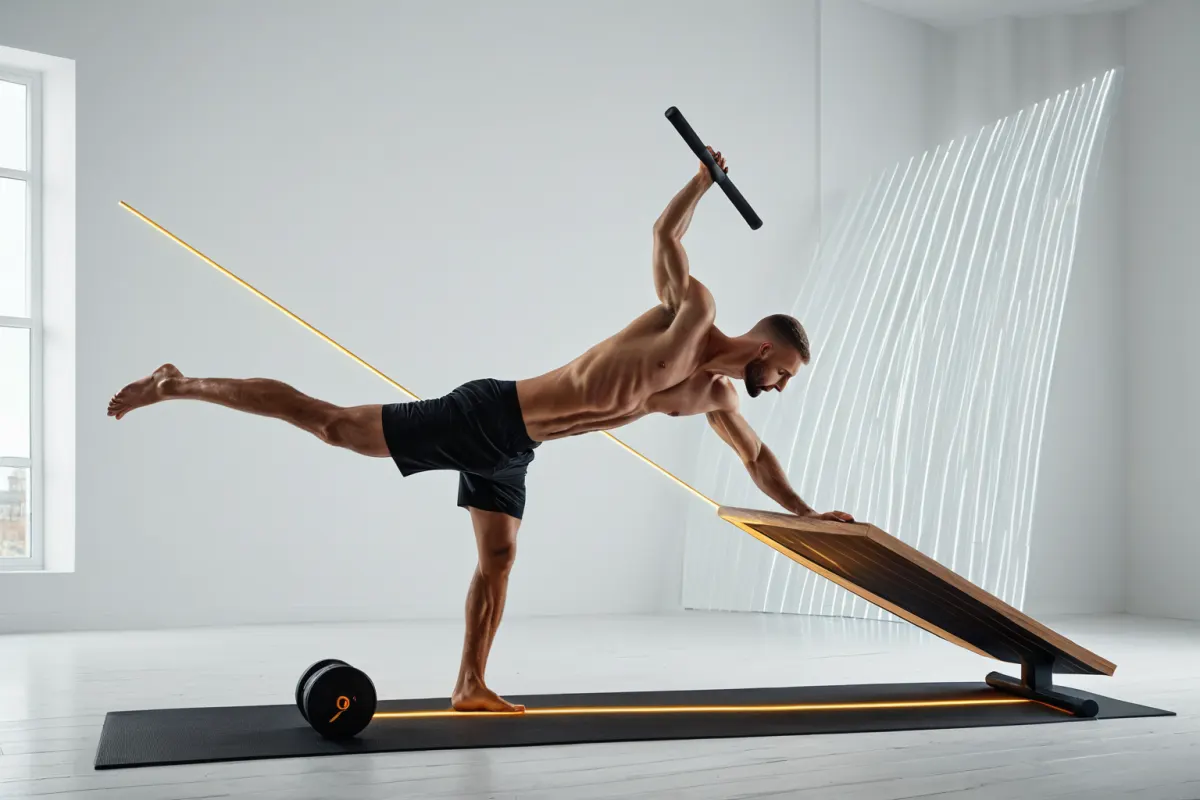
Targeted Muscle Engagement per Exercise
The side plank is the most effective exercise for feeling activation in the side obliques. Maintain a straight line from hips to shoulders, avoiding hip tilting backward or shoulder hiking toward the ears to reduce lower back strain.
Woodchops help master rotational movement patterns. Focus on rotating from the ribcage area—not just swinging your arms—to engage the side obliques properly.
The pallof press challenges you to resist twisting, helping the side obliques stabilize against wobble. Though it appears simple, this exercise engages the entire core effectively.
Common Mistakes and Pain Signals
A frequent error in side oblique training is bending the lower back while twisting. This puts stress on the spine rather than targeting the waistline, often leading to post-workout stiffness.
Another mistake is using momentum to swing arms excessively. Larger movements may seem more effective but actually reduce core tension and diminish results.
Distinguish between a dull ache (normal) and sharp pain (a warning sign). If you feel stabbing pain or difficulty breathing during the exercise, stop immediately.
When Experiencing Side Oblique Pain
Pain in the side obliques can result from overuse, sudden rotation, or muscle tension after coughing/sneezing. If one side hurts more than usual or pain intensifies when pressing on the area, take a few days of rest.
During recovery, focus on gentle breathing exercises, walking, and light stretching instead of intense core workouts. Pain often worsens the day after exercise, so avoid increasing frequency too quickly.
Stretching and Recovery Routine for Side Obliques
After exercising, include a side stretch to lengthen the muscles. Try raising both arms overhead while gently leaning to one side, or sit on a chair and slowly rotate your upper body.
Aim for 20-30 seconds of relaxed stretching—don’t push too hard. Gentle breathing during stretches is more beneficial than aggressive stretching.
Connecting Side Obliques with Upper Back Muscles
Engaging the upper back muscles (rhomboids) alongside side oblique exercises enhances posture. During side planks or plank variations, stable shoulders prevent unnecessary body sway.
Maintain a feeling of pressing into the floor with your elbows to activate the rhomboids effectively. This creates a more integrated core stability than focusing solely on the waistline.
Frequency and Progression
Perform side oblique exercises 2-3 times per week for optimal results. Rather than intense daily sessions, aim for 2-3 sets with proper form to balance recovery and stimulation.
For example, during the first week, focus on learning each movement; in the second week, gradually increase hold times by 5 seconds. Always check if your form remains stable before adding weight or intensity.
If you struggle to feel side oblique activation despite consistent core work, consider integrating rotational and side-support exercises. The side obliques work best when coordinating with other core muscles.
FAQ
Q: Will focusing solely on side oblique exercises reduce waist fat?
A: Spot reduction isn’t possible—waist fat doesn’t disappear from one area alone. However, these exercises improve posture and core stability, which complement overall fitness efforts when combined with diet and regular exercise.
Q: Can I do side oblique exercises if I have lower back pain?
A: It depends on the cause of your pain. Mild tension may be manageable with careful form, but stop immediately if you feel sharp or worsening pain during movement.
Q: What’s the easiest exercise for beginners to start with?
A: Short-duration side planks or pallof presses with minimal momentum are ideal for beginners. Start with 10-20 second holds, focusing on proper form before increasing duration.
Side oblique exercises prioritize stabilizing the torso over defining waistline contours. By gradually increasing intensity within your comfortable range, you can effectively target side obliques while protecting your lower back.
For personalized advice or persistent pain, consult a fitness professional as individual needs may vary.
Continue exploring similar topics.
Browse CategoryFAQ
Will focusing solely on side oblique exercises reduce waist fat?
Spot reduction isn’t possible—waist fat doesn’t disappear from one area alone. However, these exercises improve posture and core stability, which complement overall fitness efforts when combined with diet and regular exercise.
Can I do side oblique exercises if I have lower back pain?
It depends on the cause of your pain. Mild tension may be manageable with careful form, but stop immediately if you feel sharp or worsening pain during movement.
What’s the easiest exercise for beginners to start with?
Short-duration side planks or pallof presses with minimal momentum are ideal for beginners. Start with 10-20 second holds, focusing on proper form before increasing duration.
Korean Source
This article is an English localization of a Korean-language report from BlogScore. Original: 외복사근 운동 추천 루틴과 주의할 점