
Recommended Routes and Safety Tips for Geumsusan Trail
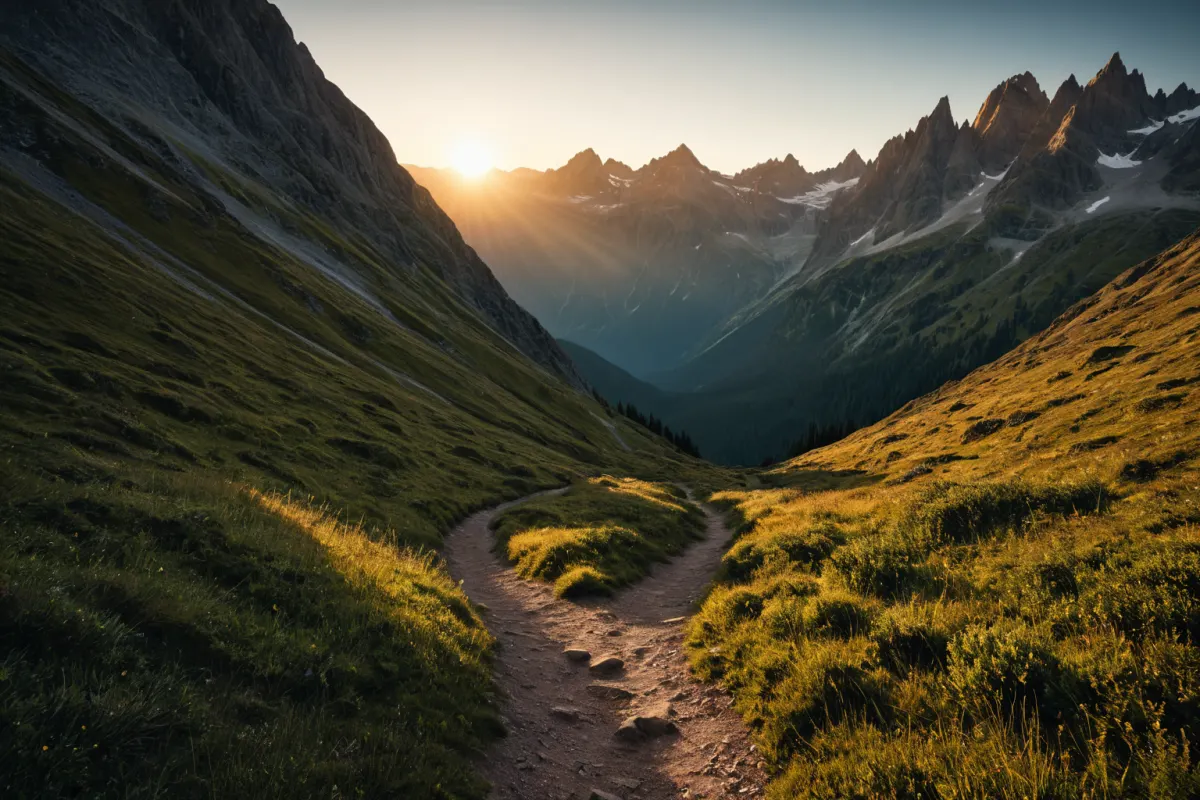
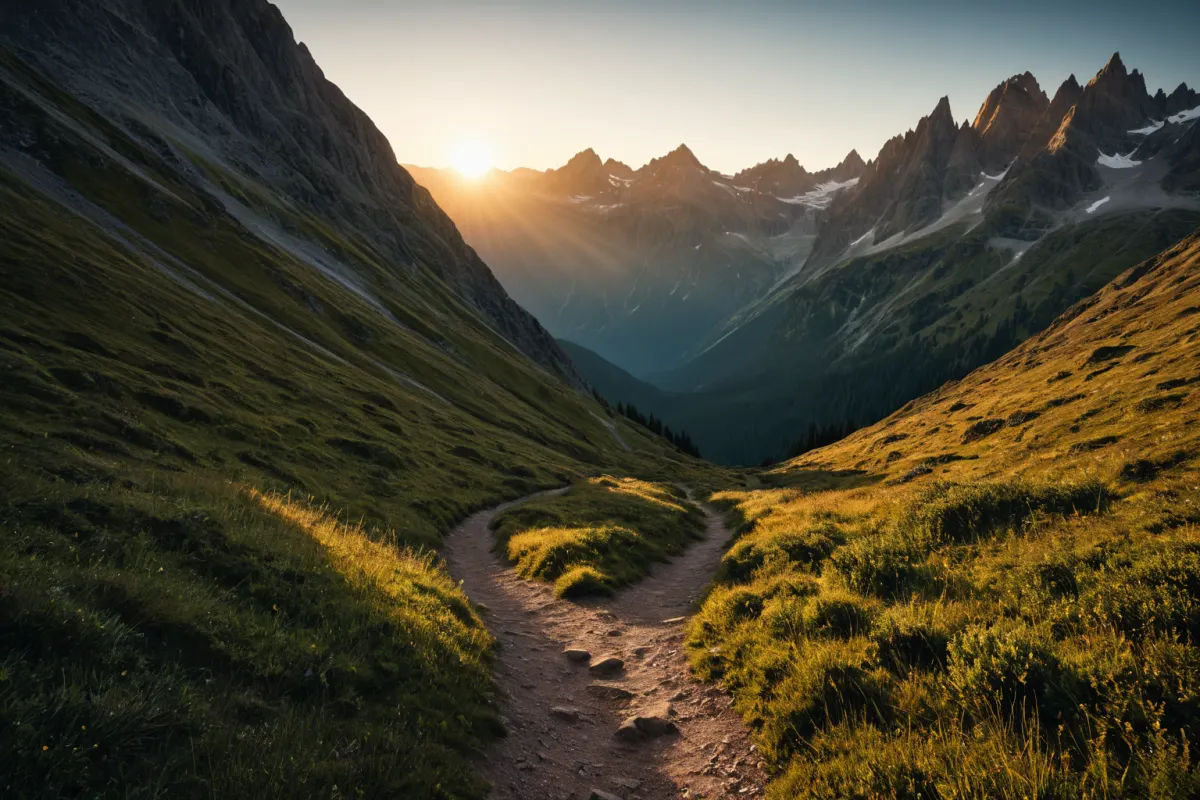
If you have the stamina, Geumsusan Trail is easy to enjoy, but choosing the wrong route can make steep sections feel much harder than expected. For first-timers, starting from Sanghak Parking Lot—a route with an easy entry point and natural breaks—is a safer choice.
Geumsusan’s terrain is highly weather-dependent: after rain, dirt paths become slippery, and ridge sections with strong winds make the hike feel more difficult. Below, we’ve compiled popular routes, key elevation features, and must-follow safety tips for your next trip.
Choosing Your First Geumsusan Trail Route
When hiking Geumsusan for the first time, focus on where steep sections are located rather than just short distances. A short route with long initial inclines can exhaust you quickly.
Newcomers often seek the shortest path, but it’s not always the easiest. Sections with short but steep climbs increase perceived difficulty, while slightly longer routes with gentle dirt paths and stairs are better for beginners to adjust.
For example, if walking is your goal, choose a route with a warm-up section before climbing starts. For trail running, pick routes with fewer frequent steps that help maintain rhythm.
Find similar guides in one place.
View Related ArticlesWhy Sanghak Parking Lot Is a Great Starting Point
Sanghak Parking Lot is commonly recommended as the starting point. It’s easy to access by car, and the initial path isn’t too abrupt, making it simple to navigate.
The main advantage here is that you’re not immediately hit with a long steep climb. You get time to adjust your shoes, catch your breath, and prepare for the ascent—especially important in winter or early mornings.
If this is your first visit, don’t rush out of the parking lot. Check where water and snacks are located, and make sure your phone battery is charged. In places like Geumsusan with multiple trail branches, small preparations can greatly impact safety.
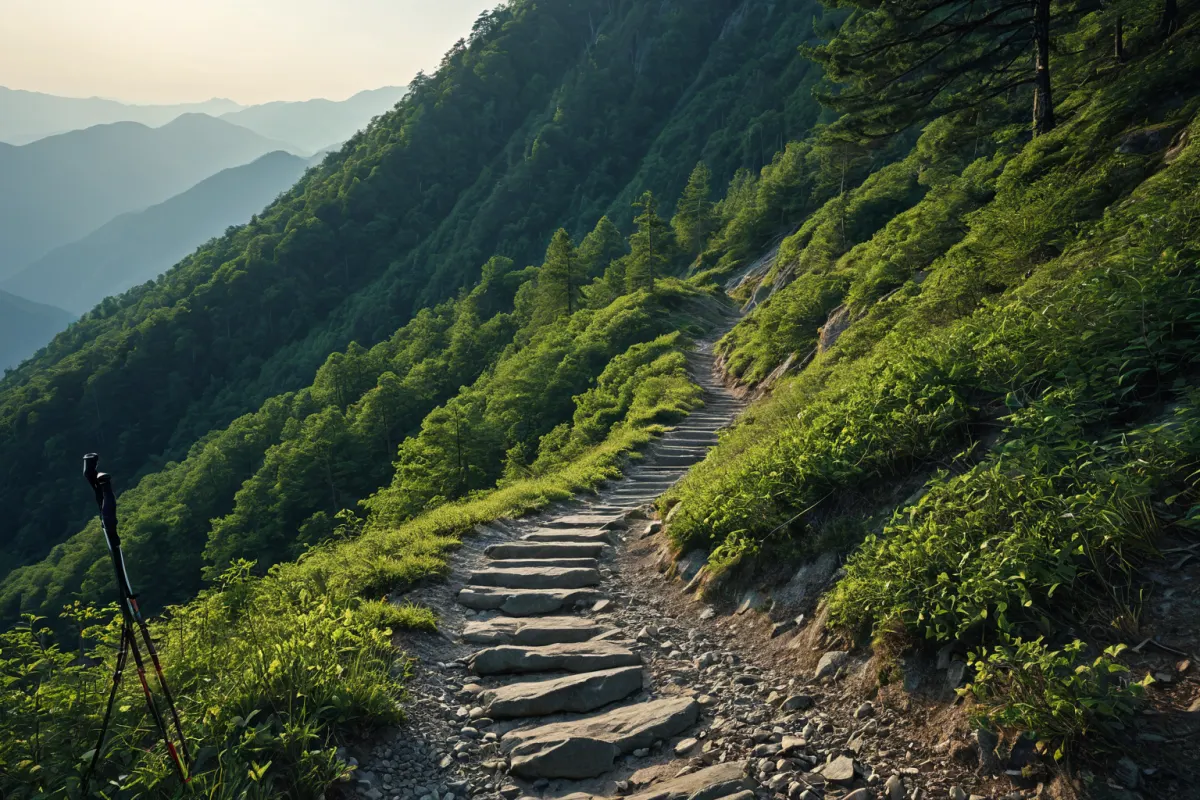
Why Steep Sections Feel Challenging
The hardest parts of Geumsusan Trail usually fall into two categories: short but steep climbs and slippery downhill sections that strain knees. Wet dirt paths make slipping more likely, requiring extra caution.
In steep areas, shorten your stride and step firmly with the whole foot to climb steadily. Even for trail runners, avoid pushing speed on steep slopes—maintaining a steady rhythm is safer.
For example, when breathing gets heavy, cut your stride in half and exhale slowly every 3–5 steps. This simple technique reduces fatigue over time.
Why Weather Matters So Much
Weather directly affects trail difficulty. While clear skies are fine, rain makes dirt paths slippery, and fog limits visibility at turns.
Check not just the forecast but also whether it rained the day before and today’s wind conditions. Ridge sections with strong winds can lower perceived temperature quickly, draining energy faster for longer hikes.
In fact, mornings may be fine, but afternoons often bring clouds and wet trails. To stay safe, avoid starting too late—ideally, finish key sections before the sun gets high.
Essential Gear Checklist
You don’t need much, but essentials matter: water, simple carb snacks, non-slip shoes, and a light windbreaker can make a big difference in confidence.
For trail running, a small pack or running vest is practical. For walking, keep your phone and power bank easily accessible. Small discomforts on the mountain can quickly become safety issues.
For instance, if planning a 2–3 hour hike, don’t just bring one bottle of water—consider how much you’ll need to drink in between. Even on low-sweat days, altitude changes increase fluid loss.
Downhill Strategy: More Important Than the Shortest Route
Many focus on finding the shortest route, but how you descend matters more. Geumsusan is often harder going down than up due to knee and ankle strain.
When descending, avoid rushing. Don’t just slide your toes out—shift weight slowly with each step. On rocky or root-filled sections, take one sure footstep at a time instead of two or three steps in quick succession.
If hiking with others, keep some distance between you and the person ahead to prevent rocks from bouncing off their feet. This is especially important on wet paths where slipping risks increase.
Common Mistakes Beginners Make
The first mistake is overestimating your fitness level compared to trail conditions. Even if you exercise regularly, slopes and terrain differ from everyday workouts—don’t assume the same pace will work here.
The second is saving water too much: “Just a bit further” can lead to fatigue during descent when focus wanes. The third is ignoring worn-out shoes. Worn soles increase slipping risks on dirt and rock paths.
For beginners, prioritize learning the trail’s flow over chasing speed records. Once you’ve mastered it, you’ll know exactly where to slow down for each section.
Geumsusan Hiking vs. Trail Running
Geumsusan hiking routes are designed for scenic, safe walking, while trail running demands more continuous motion and pace control. The same path feels different depending on your goal.
Hikers can pause often without issue, but runners risk losing rhythm if they stop too much. For trail runners, starting at a brisk walk up inclines and speeding up on flatter sections is usually more effective than sprinting early on.
Whether you’re hiking or running, choosing the right route makes all the difference. Knowing where steep sections lie helps avoid the “this was harder than expected” feeling.
FAQ
Q. Is Geumsusan Trail suitable for beginners?
A. Yes, but choose routes with less steep sections rather than just focusing on short distances.
Q. Do I have to use Sanghak Parking Lot as my starting point?
A. Not required, but it’s popular among first-timers because the route is easy to navigate.
Q. When should I check the weather for Geumsusan Trail?
A. Check both the previous day and morning of your hike, including whether rain fell the day before.
Geumsusan Trail offers great satisfaction for both walking and trail running if you pick the right route. However, mountain trails can change difficulty based on weather and ground conditions, so double-check current info right before heading out.
Explore more articles on similar topics.
View Category ArticlesFAQ
Is Geumsusan Trail suitable for beginners?
Yes, but choose routes with less steep sections rather than just focusing on short distances.
Do I have to use Sanghak Parking Lot as my starting point?
Not required, but it’s popular among first-timers because the route is easy to navigate.
When should I check the weather for Geumsusan Trail?
Check both the previous day and morning of your hike, including whether rain fell the day before.
Korean Source
This article is an English localization of a Korean-language report from BlogScore. Original: 금수산트레일 코스 추천, 경사 구간과 안전 수칙