
Real Value in Dental Insurance: Understanding Coverage for Cavities vs. Implants


If you're looking for a dental insurance plan that offers real value, the first thing to check is that cavities and implants aren't lumped together under the same coverage. Cavity treatments typically have broader coverage for relatively smaller costs, while implant coverage comes with specific conditions, waiting periods, and reduced payouts that can significantly affect how much you actually receive.
Therefore, a real-value dental insurance plan should be evaluated based on "how often and what types of dental treatments you can save on." Instead of focusing solely on high coverage amounts, it's better to match the plan with your current dental condition and the treatments you're most likely to need in the future to avoid unnecessary expenses.
Why Cavity Coverage Seems More Extensive
Cavity treatment usually involves stages like fillings (resin), inlays, onlays, or crowns, and repeat treatments are possible. Real-value dental insurance plans typically design their cavity-related coverage around these conservative treatments, helping reduce the burden of frequent, small dental expenses.
However, even for the same type of cavity treatment, coverage criteria vary between products. For example, while both might cover resin fillings, eligibility may differ based on whether it's a baby tooth or permanent tooth, location, or materials used. Just seeing "cavity coverage available" and signing up could result in receiving less than expected when you file a claim.
For instance, if you get an inlay treatment for a molar cavity, some plans may broadly recognize this as conservative care, while others require specific conditions to be met. When comparing dental insurance options, check how each plan treats different types of cavity treatments like resin, inlays, and crowns.
You can find similar articles all in one place.
View Related ArticlesWhy Implant Coverage Has Stringent Conditions
Implants are significantly more expensive than cavity treatments, so insurance companies often don't provide immediate coverage after enrollment. Most plans include a waiting period, and even after that, reduced payouts may apply for a certain time, meaning the actual amount you receive might be lower than expected.
Additionally, since implants replace missing teeth, whether or not they're covered can depend on why the tooth was lost—whether it was due to an accident or illness. It's especially important to check if coverage is excluded if dental treatment was already needed before enrollment.
Picking a real-value dental insurance plan based only on implant add-ons is risky. While the coverage amount per implant may seem high, many plans don't allow immediate use after enrollment and often have annual limits or restrictions on the number of implants covered. Ultimately, conservative treatments provide greater perceived value, while implants are more like long-term financial protection.
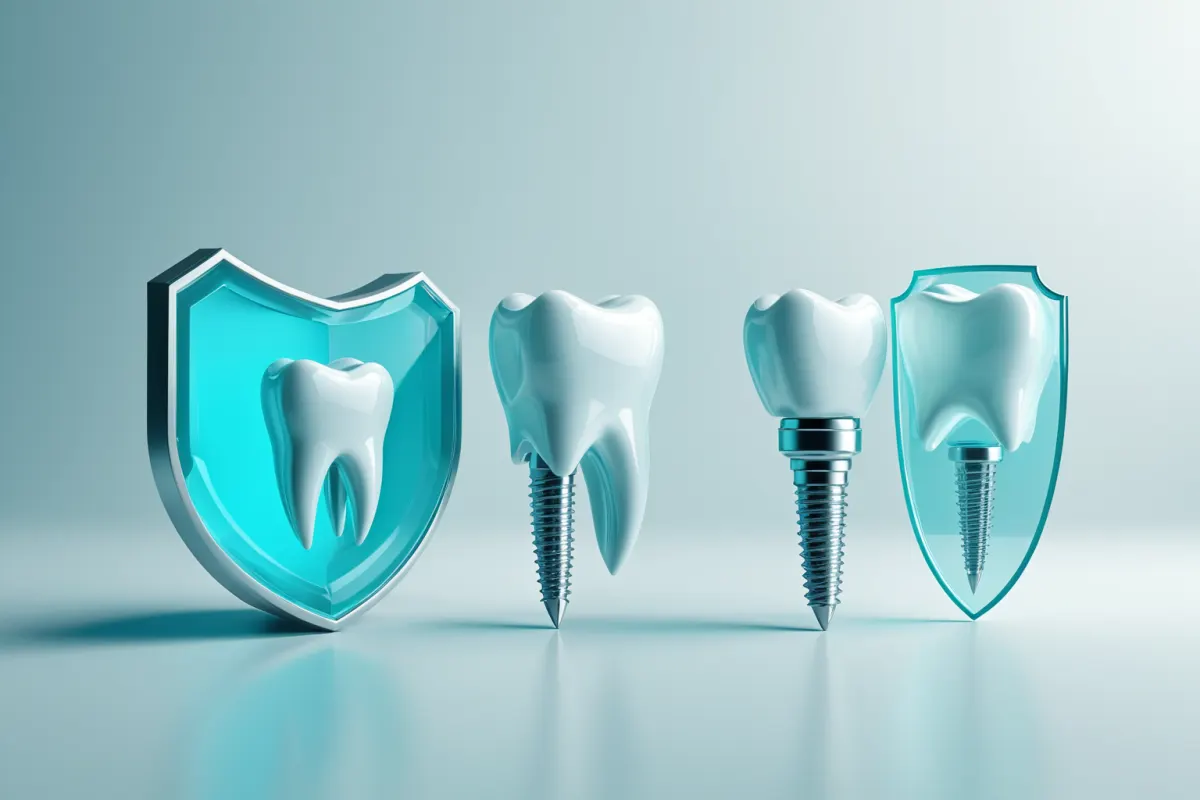
Difference Between Conservative and Prosthetic Treatments
Dental insurance is typically categorized into two main types: conservative treatment (preserving teeth) and prosthetic treatment (replacing teeth). Cavities usually fall under conservative care, while implants are considered prosthetic treatment.
Understanding this distinction helps in comparing real-value dental insurance plans. Plans focused on conservative treatments benefit those who frequently need cavity repairs, whereas plans emphasizing prosthetic coverage suit people preparing for implants, bridges, or dentures. Trying to maximize both areas can increase premiums.
For example, if you visit the dentist often but don't plan for implants yet, a plan prioritizing conservative treatment might be more practical. Conversely, if you're in an older age group with higher chances of tooth loss and greater need for prosthetic care, focusing on implant coverage ratios may make more sense.
Key Points to Check: Waiting Periods and Reduced Payout Periods
The most commonly overlooked aspects of dental insurance are waiting periods and reduced payout periods. A waiting period means you're not covered immediately after enrollment, while a reduced payout period means coverage exists but the amount paid is lower.
Especially for expensive treatments like implants or crowns, these conditions have significant impact. If you need treatment within a few months of enrolling, you might not receive the expected amount. So if you're planning immediate dental care, calculate your enrollment date accordingly.
For example, if you likely need an implant within six months, don't assume you'll get full coverage right away. On the other hand, cavity treatments can occur frequently, so once the waiting period passes, these plans become more useful.
What to Look for When Comparing Dental Insurance
When reading dental insurance recommendations, focus on the following points rather than marketing claims:
- Payment eligibility for specific cavity treatments: resin fillings, inlays, crowns
- Implant coverage start date: waiting periods and reduced payout periods
- Annual limits and per-implant restrictions: how many are covered
- Dental condition disclosure requirements: whether previous treatments affect coverage
- Prosthetic treatment scope: includes bridges or dentures?
Reviewing these points makes it easier to compare direct dental insurance plans versus traditional products. A lower premium might seem appealing, but if the annual limit is low or the reduced payout period is long, your actual satisfaction may be lower.
When using a dental insurance comparison site, apply the same approach. While comparing multiple options at once is convenient, the key factor is whether the treatments you need are actually covered. Always check the policy terms before looking at rankings.
Important Checks Before Enrollment
For example, 30-year-old office worker A recently had two cavity treatments and worries about future molar issues, so they're seeking a real-value dental insurance plan. In this case, conservative treatment coverage is more important than implant coverage—choosing a plan with broad resin and inlay coverage would provide greater perceived benefits.
Conversely, 50-year-old B already has missing teeth and is considering implants. Here, it's better to check the implant coverage start date, number restrictions, and reduced payout periods rather than focusing on cavity coverage alone. Even with the same dental insurance, the selection criteria differ completely based on age and dental condition.
As these examples show, priorities vary by age and dental status. Real-value dental insurance is more about choosing a plan that matches your likely treatments—not what others are selecting.
How to Use Dental Insurance Comparison Sites Effectively
When checking comparison sites, don't just look at premiums; verify the exact coverage name. Even for "implants," coverage amounts, annual frequency limits, and tooth location restrictions can vary, so relying only on visible numbers might lead to misunderstanding.
Also, skipping a thorough dental condition disclosure before enrollment could cause problems later. Recent treatment history, planned extractions, or ongoing treatments may be assessed differently by each plan, so it's important to check the disclosure requirements in the policy documents.
Especially for direct dental insurance products that seem simple to enroll in, remember that convenience comes with the need to carefully read all terms. Even without a consultant, you should verify waiting periods, reduced payouts, and excluded conditions directly from the policy documents.
Frequently Asked Questions
Q1. Do real-value dental insurance plans cover both cavities and implants well?
It depends on the plan. Plans focused on conservative care are better for cavity treatment, while those emphasizing prosthetic care suit implant coverage better. Some plans offer strong coverage for both, but you need to consider premiums and conditions together.
Q2. If I frequently get cavities, which coverage should I prioritize?
Prioritize conservative treatment options like resin fillings, inlays, and crowns. If you've visited the dentist often recently, cavity-related coverage will likely provide greater perceived benefits than implant coverage.
Q3. Can I enroll immediately if I need an implant soon?
It's unlikely you'll get full coverage right away. Most plans include waiting periods and reduced payout periods, and if treatment was already planned before enrollment, coverage might be excluded entirely.
A real-value dental insurance plan is all about matching your actual needs—not just offering high amounts. By clarifying whether you're concerned about cavities or preparing for implants first, choosing the right plan becomes much easier.
Continue exploring similar topics.
View Category ArticlesFAQ
Do real-value dental insurance plans cover both cavities and implants well?
It depends on the plan. Plans focused on conservative care are better for cavity treatment, while those emphasizing prosthetic care suit implant coverage better. Some plans offer strong coverage for both, but you need to consider premiums and conditions together.
If I frequently get cavities, which coverage should I prioritize?
Prioritize conservative treatment options like resin fillings, inlays, and crowns. If you've visited the dentist often recently, cavity-related coverage will likely provide greater perceived benefits than implant coverage.
Can I enroll immediately if I need an implant soon?
It's unlikely you'll get full coverage right away. Most plans include waiting periods and reduced payout periods, and if treatment was already planned before enrollment, coverage might be excluded entirely.
Korean Source
This article is an English localization of a Korean-language report from BlogScore. Original: 실속보장 치아보험, 충치와 임플란트 보장 범위 차이