
Real Estate Lawsuit Experience: How Long and Costly Is It?
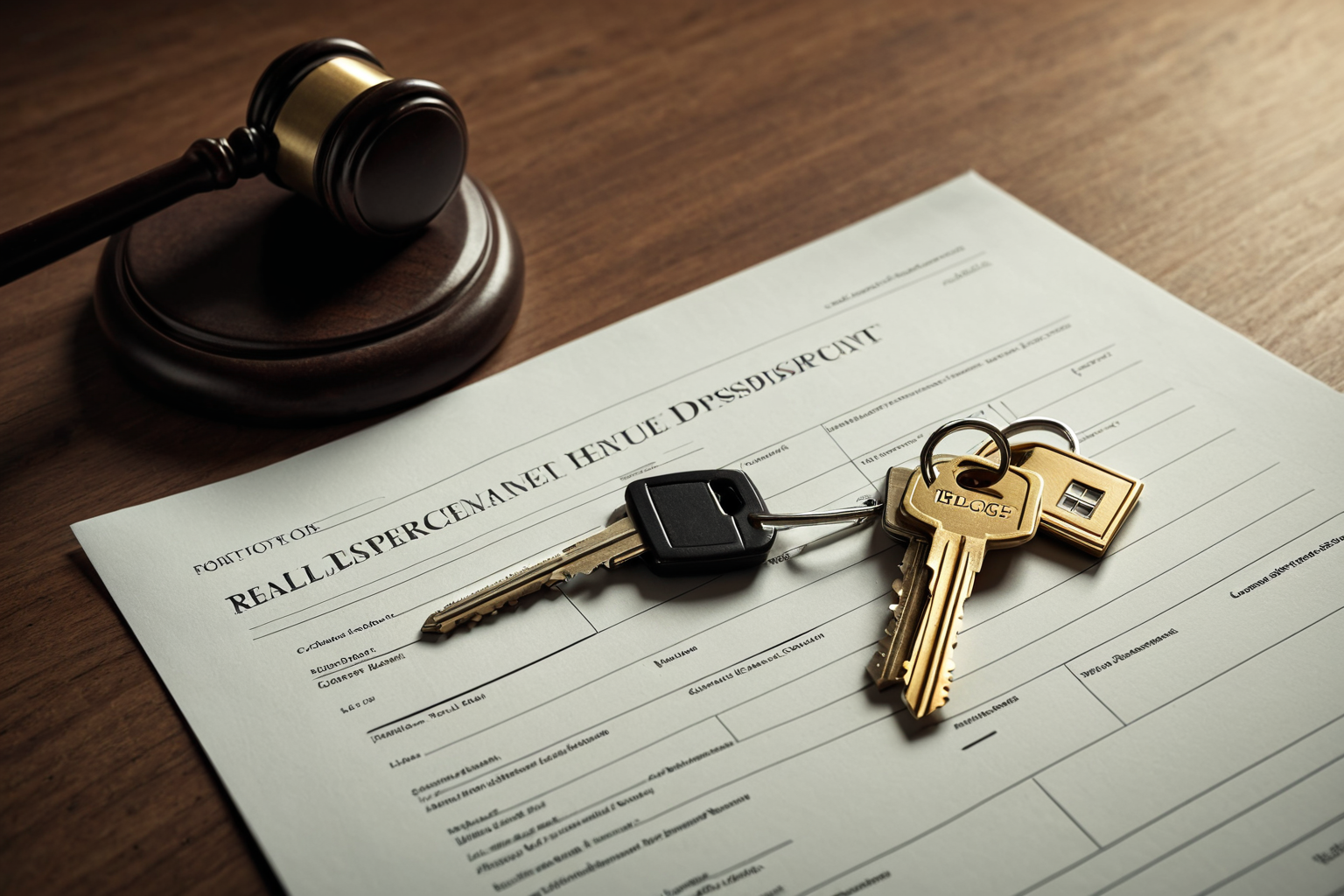
When searching for real estate lawsuit experiences, most people want to know two things: how long it will take and what the actual costs will be. In short, the timeline and expenses vary greatly depending on the type of case and how well-prepared your evidence is. Simple disputes might resolve in a few months, while more complex cases can drag on for over a year. Costs include basic fees like court filing and service charges, plus lawyer fees, appraisal costs, and site inspection fees, which can add up quickly.
Real estate lawsuits aren’t just about submitting a few documents—they require gathering contracts, property records, text messages, payment histories, and photos of the location. Many users note that preparation takes more time than the actual court process.
Most Commonly Cited Timeframes in Real Estate Lawsuit Experiences
The most frequently mentioned durations are 3 to 6 months, with some cases taking over a year. For example, straightforward disputes like returning a security deposit often resolve faster. However, complex issues such as contract termination disputes, defect liability, or ownership conflicts can lead to multiple court sessions.
Users report that just scheduling the first court date can take over a month. This is due to the time it takes for documents to be delivered after filing, responses from the other party, and setting up hearing dates.
For instance, Person A prepared a lawsuit for a security deposit return by sending a certified letter two months before contract expiration and then filing the complaint. Even without strong opposition, the process took about four months due to document exchanges and scheduling. On the other hand, Person B, who also contested defects and damages, required an appraisal and ended up spending over 10 months.
You can find similar articles in one place.
View Related ArticlesCost Structure of Real Estate Lawsuits
It’s hard to pin down an exact cost for real estate lawsuits. Generally, costs fall into two categories: basic expenses + professional fees. Basic expenses include court filing and service charges; additional costs may apply depending on the case, such as appraisal or enforcement fees.
Hiring a lawyer means payment varies based on case complexity. From user experiences, cases involving property delivery, possession claims, co-ownership division, or boundary disputes tend to be more expensive than simple monetary claims. If an appeal is filed, costs increase further.
For example, a security deposit return claim with only basic expenses might start low, but adding possession claims, damages, and liens can significantly raise the total cost. So even within real estate lawsuits, what you’re claiming matters for the final amount.
Common Reasons Cases Drag On
From user experiences, common reasons cases take longer include insufficient evidence. Many disputes stem from verbal agreements made at the time of contract or scattered text and chat records that make it hard to clarify facts.
Cases also last longer when the other party actively contests. For example, if they argue defects were minor, that security deposit obligation hasn’t expired yet, or that the contract termination is invalid, courts need to address each point separately, extending hearing dates.
Additionally, cases requiring appraisals or site inspections tend to be lengthier. Issues like building defects, leaks, boundary encroachment, or land division often require expert opinions beyond just photos, making lawsuits drag on.

Commonly Needed Documents in Real Estate Lawsuits
When preparing for a lawsuit, it’s best to gather documents early. From user experiences, the most helpful materials include contracts, property registration records, payment histories, certified letters, text or chat screenshots, and photos of the location.
For example, in a security deposit dispute, key documents are the contract, proof of deposit payment, and notice of contract expiration. For possession disputes, photos showing occupancy status, utility bill payments, and eviction requests may become critical.
More documents are better, but organizing them chronologically is crucial. This helps lawyers quickly understand the case flow and makes it easier for courts to follow during proceedings.
Cost-Saving Tips from Real Cases
Users who managed to reduce costs often did so through detailed initial preparation. Instead of reacting emotionally, they carefully prepared certified letters before contacting the other party and checked if negotiation was possible before proceeding with a lawsuit.
Another tip is avoiding unnecessary claims. For example, adding many damage compensation points without clear evidence in a case centered on security deposit return only increases the burden of proof. Focusing on essential claims first saves time and money.
One user shared that they initially tried handling it alone but missed important documents at each deadline, which ended up costing more time. In contrast, some handled simple cases themselves while consulting professionals for key points, reducing overall costs.
Key Points to Consider Before Filing a Lawsuit
Before starting a lawsuit, first clarify what you want to achieve. Whether it’s recovering money, getting possession of property, or seeking compensation affects the legal process.
Next, check the other party’s financial status and whether enforcement is possible. Winning a case doesn’t help if you can’t collect damages in practice. Some users note that they prioritized checking whether recovery was feasible over just assessing their chances of winning.
Finally, assess negotiation potential early on. In cases like security deposit returns or possession issues, settlements often happen before or after filing the complaint, potentially shortening the overall timeline. Early responses can be surprisingly impactful.
Common Realistic Conclusions from Lawsuit Experiences
A recurring theme in user experiences is that real estate lawsuits aren’t just about winning—they require effective time management. Well-organized evidence speeds things up, while disputes growing more complex lead to higher costs and longer timelines.
Lawsuits can be exhausting mid-process. Waiting for hearings, revising documents, and responding to the other party’s arguments repeatedly adds stress. Starting with a well-prepared document set reduces this mental load significantly.
If you’re researching how long your case might take, the first step is determining whether your dispute is simple or complex. This distinction alone can help estimate both time and cost more accurately.
FAQ
Q1. How long does a real estate lawsuit usually take?
Simple cases may conclude within months, but complex disputes requiring appraisals or multiple hearings often take over a year.
Q2. Where do most costs come from in a lawsuit?
Lawyer fees, appraisal costs, and appeal expenses tend to be the biggest contributors beyond basic filing fees. The more complex the case, the larger the total cost difference.
Q3. Can I handle it myself without a lawyer?
Simple monetary claims might be manageable alone, but for disputes with multiple points or difficult evidence collection, consulting a professional is safer to avoid unnecessary delays and costs.
Real estate lawsuits can vary based on recent legal precedents and practices, so checking the latest information before proceeding is advisable.
Check out more articles on similar topics.
View Category ArticlesFAQ
How long does a real estate lawsuit usually take?
Simple cases may conclude within months, but complex disputes requiring appraisals or multiple hearings often take over a year.
Where do most costs come from in a lawsuit?
Lawyer fees, appraisal costs, and appeal expenses tend to be the biggest contributors beyond basic filing fees. The more complex the case, the larger the total cost difference.
Can I handle it myself without a lawyer?
Simple monetary claims might be manageable alone, but for disputes with multiple points or difficult evidence collection, consulting a professional is safer to avoid unnecessary delays and costs.
Korean Source
This article is an English localization of a Korean-language report from BlogScore. Original: 부동산 소송 후기, 실제로 걸린 시간과 비용은