
Understanding the Process of Public Official Pension Lawsuits: A Step-by-Step Guide
Overview of Public Official Pension Lawsuit Procedures
Public official pension disputes often arise during divorce proceedings over pension division or retirement benefits. Following a Supreme Court ruling, spouses can receive pensions from age 60, and courts will order division if no waiver agreement exists. As a state-managed social security system, public officials' pensions require careful understanding of relevant laws and precedents. In divorce cases, pensions are recognized as part of asset division, directly impacting the spouse's rights to retirement benefits.
Key Precedents in Public Official Pension Cases
In November 2019, the Supreme Court set age 60 as the eligibility for pension receipt following divorce. In July 2019, courts ruled that division must occur if no waiver agreement exists, and a 2015 case involving former military personnel and the Public Service Pension Management Corporation over retirement benefits highlighted transparency concerns in pension management. The 2019 ruling is particularly significant as it established automatic division by courts when no waiver agreement exists. The 2015 case prompted greater scrutiny of proper pension management practices.
Impact of Revised Public Official Pension Law
The February 2016 revision introduced the pension division system, making divorce-related pension division possible and recognizing two years of social service work as qualifying employment. In July 2019, the Supreme Court ruled that two or more years of social service work counts as two years toward public service tenure for pension calculation. This clarified requirements for receiving pensions and directly affects retirement benefit payments. The revision also simplified legal procedures and enhanced stability through the pension division system.
Step-by-Step Lawsuit Process
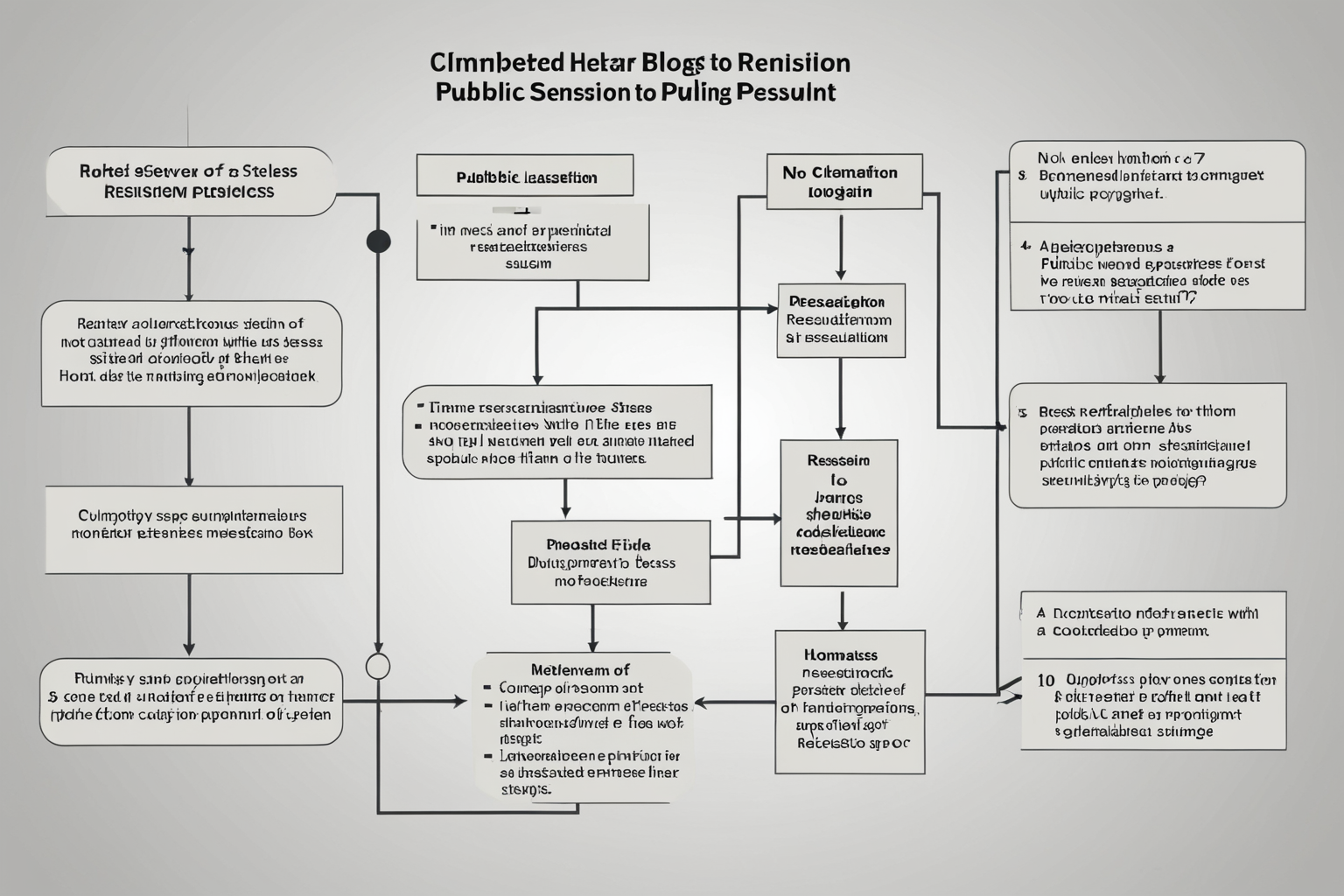
The public official pension lawsuit process involves several steps. First, prepare required documents before filing a claim, including notifications from the Pension Management Corporation, divorce verification documents, and asset division agreements. Second, submit the complaint to court for review, where legal consultation with an attorney is crucial for proper documentation. Third, present evidence during hearings and await judgment. Fourth, after final judgment, proceed with enforcement procedures to request pension or retirement benefit payments.
Required Documents and Costs
Necessary documents include notifications from the Pension Management Corporation, divorce verification certificates, and asset division agreements. Additional documents like social service work certificates may also be needed. Costs vary by case size: attorney fees (100-500 million won), court fees (20-100 million won). However, free legal aid through courts can reduce costs. Note that lawsuits must generally be filed within three years of the incident.
Divorce and Pension Division Process
During divorce, public official pensions are recognized as part of asset division. Spouses may receive pensions from age 60, with courts ordering division if no waiver agreement exists. The revised pension law's introduction of the pension division system has simplified procedures. Post-2019 Supreme Court rulings have made pension division a standard process in divorce cases. However, calculating the division amount remains complex and requires careful consideration of pension receipt periods and amounts.
Issue with Social Service Work Period
The Supreme Court ruled that two or more years of social service work counts as two years toward public service tenure for pension purposes. This directly affects retirement benefit payments and serves as key evidence in lawsuits. For example, three years of social service work would only count as two years, potentially reducing retirement benefits. Submitting proof of social service period is therefore essential during litigation.
Eligibility for Survivor Pensions
Survivor pension payments differ based on marital status: legal spouses vs. de facto partners. In cases involving public officials who died while forcibly taken to North Korea during the Korean War (6-25), courts have ordered retirement benefits payment, clarifying eligibility criteria. While survivor pensions may be limited for de facto partners, courts assess each case individually.
Conditions for Filing a Lawsuit
Pension lawsuits typically arise from disputes over benefit payments, divorce-related division issues, or lack of asset division agreements. It's important to review relevant laws and precedents before filing. For instance, the Supreme Court ruling 2019-11-26 clarified pension receipt age for divorce cases. Before initiating legal action, consider negotiating with the Public Service Pension Management Corporation to reach an agreement.
Costs and Time Limits
Lawsuit costs vary by case size, including attorney fees and court charges. The statute of limitations is three years from incident date; failure to file within this period may result in lost claims. For example, a 2015 case saw individuals lose claims due to missing the three-year filing window.
Key Points to Verify in Lawsuit Procedures
To properly understand public official pension lawsuit procedures, verify these points: First, whether pension division applies during divorce and at what age benefits can be received. Second, application of the pension division system under revised law. Third, recognition of social service work period toward tenure. Fourth, legal vs. de facto spouse distinction for survivor pensions. These factors serve as key considerations in litigation.
FAQ: Public Official Pension Lawsuit Procedures
Can a spouse receive pension benefits from age 60 after divorce?
Yes, the Supreme Court ruled that spouses can receive pensions from age 60 following divorce. If no waiver agreement exists, courts will order division.
How is social service work period recognized?
The Supreme Court ruled that two or more years of social service work counts as two years toward public service tenure for pension calculation, directly affecting retirement benefit payments.
How are lawsuit costs determined?
Costs vary based on case size and whether an attorney is hired. Free legal aid through courts can reduce financial burden.
Frequently Asked Questions
Public official pension disputes typically arise during divorce over pension division or retirement benefits. Following Supreme Court rulings and the revised Public Official Pension Law, the pension division system has been established, with two years of social service work recognized as qualifying tenure. Before filing a lawsuit, it's important to verify required documents and consult with an attorney.
Explore more articles on similar topics in one place.
View Related ArticlesFAQ
Can a spouse receive pension benefits from age 60 after divorce?
Yes, the Supreme Court ruled that spouses can receive pensions from age 60 following divorce. If no waiver agreement exists, courts will order division.
How is social service work period recognized?
The Supreme Court ruled that two or more years of social service work counts as two years toward public service tenure for pension calculation, directly affecting retirement benefit payments.
How are lawsuit costs determined?
Costs vary based on case size and whether an attorney is hired. Free legal aid through courts can reduce financial burden.
Korean Source
This article is an English localization of a Korean-language report from BlogScore. Original: 공무원연금 소송 절차: 단계별로 알려드리는 첫걸음