
Psychological Preparation Techniques for Female Marathon Runners to Reduce Pre-Competition Anxiety
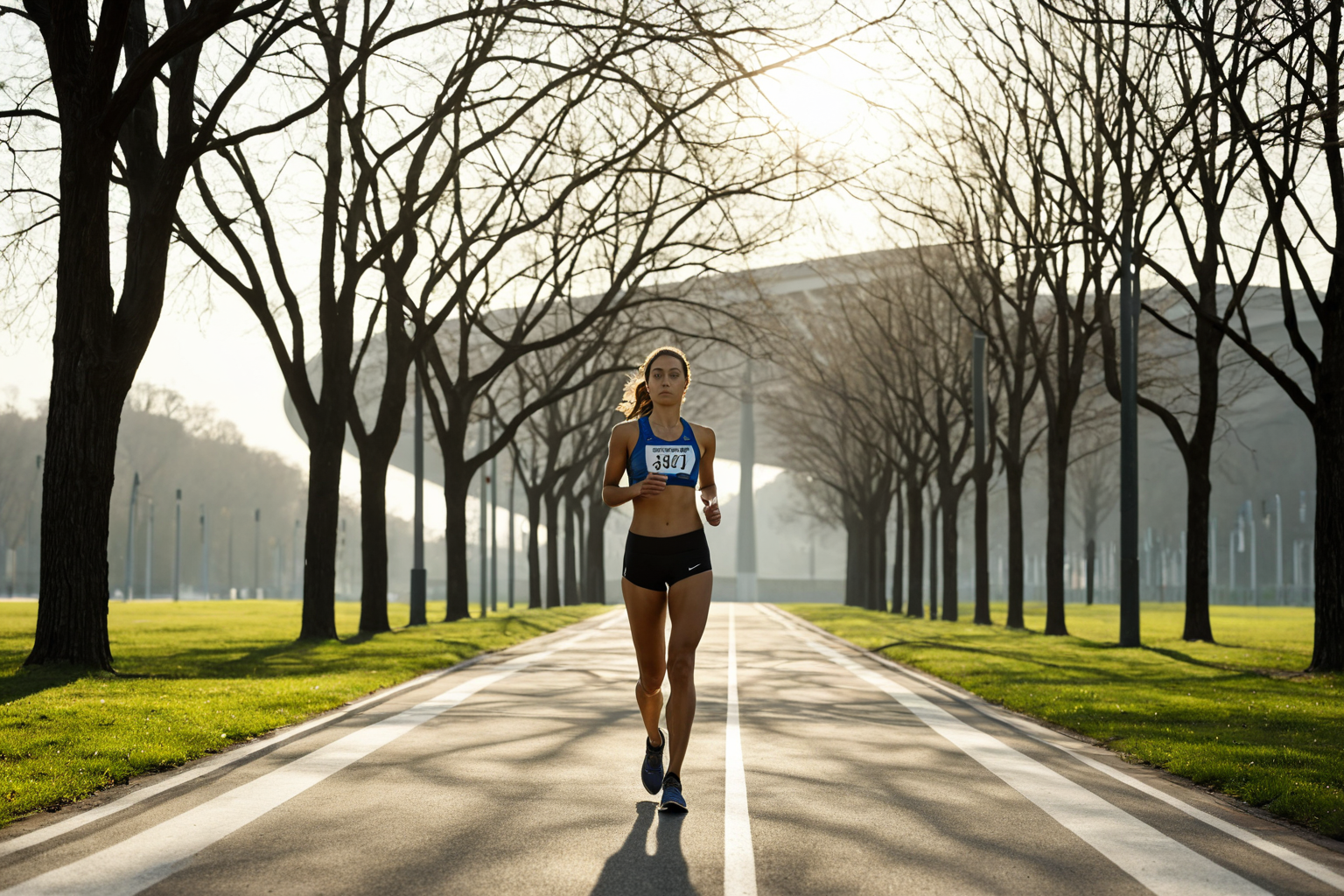
Psychological Preparation Techniques for Female Marathon Runners to Reduce Pre-Competition Anxiety
The most effective way to reduce pre-competition psychological tension is through breathing control and positive self-talk. This isn't just meditation—it's a practical skill proven to regulate physical responses during actual competition. Female athletes, in particular, face unique psychological challenges related to gender differences, making tension management especially important. Research shows female runners experience more pre-competition anxiety than male counterparts, which can increase physical energy expenditure and lead to decreased performance.
For marathon runners, taking slow breaths for 30 minutes before competition while whispering 'I am prepared' can improve focus. While this method provides quick results, consistent practice is essential. To prevent increased heart rate from pre-competition tension, athletes should develop the habit of incorporating breathing control into their daily training routine.

The Basic Principles of Psychological Preparation
In marathon competition, tension acts as a primary factor wasting physical energy. Research indicates excessive tension increases muscle contraction, causing speed reduction—particularly noticeable in female athletes. Female runners often experience stronger pre-competition anxiety, making its management a key element for improved performance.
The core principle of psychological preparation is distinguishing between 'controllable' and 'uncontrollable' factors. Uncertainty about competition outcomes causes tension, but athletes should prepare for elements they can directly influence. For example, weather conditions or other competitors' performances are uncontrollable, while breathing patterns and goal setting are within personal management.
Scientific Basis of Psychological Preparation
Neuroscience research shows that breathing control stabilizes the autonomic nervous system, lowering heart rate and blood pressure. This helps alleviate pre-competition tension and enhance focus. Female athletes in particular can more effectively manage physical responses through breathing control.
Positive self-talk also suppresses negative thoughts in the brain while directing positive energy. It reinforces confidence during competition with 'I can do this,' leading to better results. Research has proven these psychological techniques are significantly more effective than simple meditation.
Real-World Application Examples
At domestic marathon events, sports psychologists recommend a '3-3-3' breathing technique: inhale for 3 seconds, hold for 3 seconds, exhale for 3 seconds. This method stabilizes heart rate and improves focus. Many athletes have reported improved performance after using this approach.
Additionally, athletes practice visualizing 'successful timing' one hour before competition. They vividly imagine specific moments—such as the sound of their feet hitting the ground or the feelings they experience. Known as 'sensory imagery,' this activates neural pathways similar to actual competition, enhancing real-world performance.
Step-by-Step Approach to Psychological Preparation
One hour before competition: Begin with breathing control and positive self-talk. This stabilizes physical responses and increases focus. Female athletes in particular experience heightened anxiety at this stage, making systematic preparation essential.
Thirty minutes before competition: Set specific goals like 'complete the first 5km within 21 minutes.' Concrete, measurable targets enhance concentration and reduce uncertainty about results.
Ten minutes before competition: Practice fixing your gaze and ignoring surrounding noise. This prevents distraction and maintains focus. Female athletes tend to be more sensitive to external stimuli, making this technique particularly important for them.
Case Studies of Failed Psychological Preparation
In past competitions, one athlete experienced excessive tension before the race that resulted in a sprained ankle. This is an example of psychological tension manifesting as physical reaction—something that can occur without proper preparation. Female athletes are more prone to such physical reactions due to heightened sensitivity.
Without adequate psychological preparation, athletes often fall into negative thinking during competition like 'what's going wrong?' which creates additional tension. Therefore preventive preparation is essential. For example, minimizing stress factors 24 hours before competition by creating a low-stress environment is important.
Tools and Techniques for Psychological Preparation
Breathing trainer apps on smartphones are becoming increasingly common. These tools measure breathing rate in real-time and guide proper rhythm. Female athletes find these particularly useful for managing daily stress as well.
Additionally, 'pre-experience' training three days before competition is important. Train under similar conditions to the actual event to replicate the environment. This makes psychological preparation more effective. For example, mimicking crowd noise or stadium sounds during practice can be helpful.
Long-Term Perspective on Psychological Preparation
Beyond short-term tension reduction, a long-term approach is needed for athletes' emotional stability. To this end, connections with psychological counseling are gradually expanding. Female athletes often seek psychological counseling not just before competitions but also for daily stress management, which contributes to sustained performance improvement.
Continuing psychological preparation after competition is equally important as it directly influences future performances. For example, analyzing one's own performance within 24 hours post-competition and documenting improvements for the next race is a highly effective habit.
Important Information to Verify
Psychological preparation methods may vary between individuals, so athletes should experiment to find what works best for them. Female athletes in particular may require different approaches based on personality and experience.
Notably, breathing control and positive self-talk during the hour before competition have been confirmed as most effective. However, this method doesn't work equally for all athletes. For example, some athletes report that listening to music is more effective than focusing their gaze.
Frequently Asked Questions
What should I do if only 10 minutes remain before the competition? Use the '3-3-3' breathing method: inhale for 3 seconds, exhale for 3 seconds. This quickly reduces tension.
Positive self-talk isn't working for me. Are there other methods? Try combining breathing control with gaze fixation practice. Ignoring surrounding noise and maintaining focus can be helpful.
Does what I eat before competition affect my anxiety levels? Specific foods don't directly impact anxiety, but excessive caffeine intake may stimulate the nervous system and increase tension. Therefore, light meals and sufficient hydration before competition are recommended.
You can view similar articles on this topic all at once.
View Related ArticlesFAQ
What should I do if only 10 minutes remain before the competition?
Use the '3-3-3' breathing method: inhale for 3 seconds, exhale for 3 seconds. This quickly reduces tension.
Positive self-talk isn't working for me. Are there other methods?
Try combining breathing control with gaze fixation practice. Ignoring surrounding noise and maintaining focus can be helpful.
Does what I eat before competition affect my anxiety levels?
Specific foods don't directly impact anxiety, but excessive caffeine intake may stimulate the nervous system and increase tension. Therefore, light meals and sufficient hydration before competition are recommended.
Korean Source
This article is an English localization of a Korean-language report from BlogScore. Original: 여자 마라톤 선수의 경기 전 긴장 감소를 위한 심리적 준비법