
Proper Washing Techniques to Extend the Life of Agricultural Cooling Vests
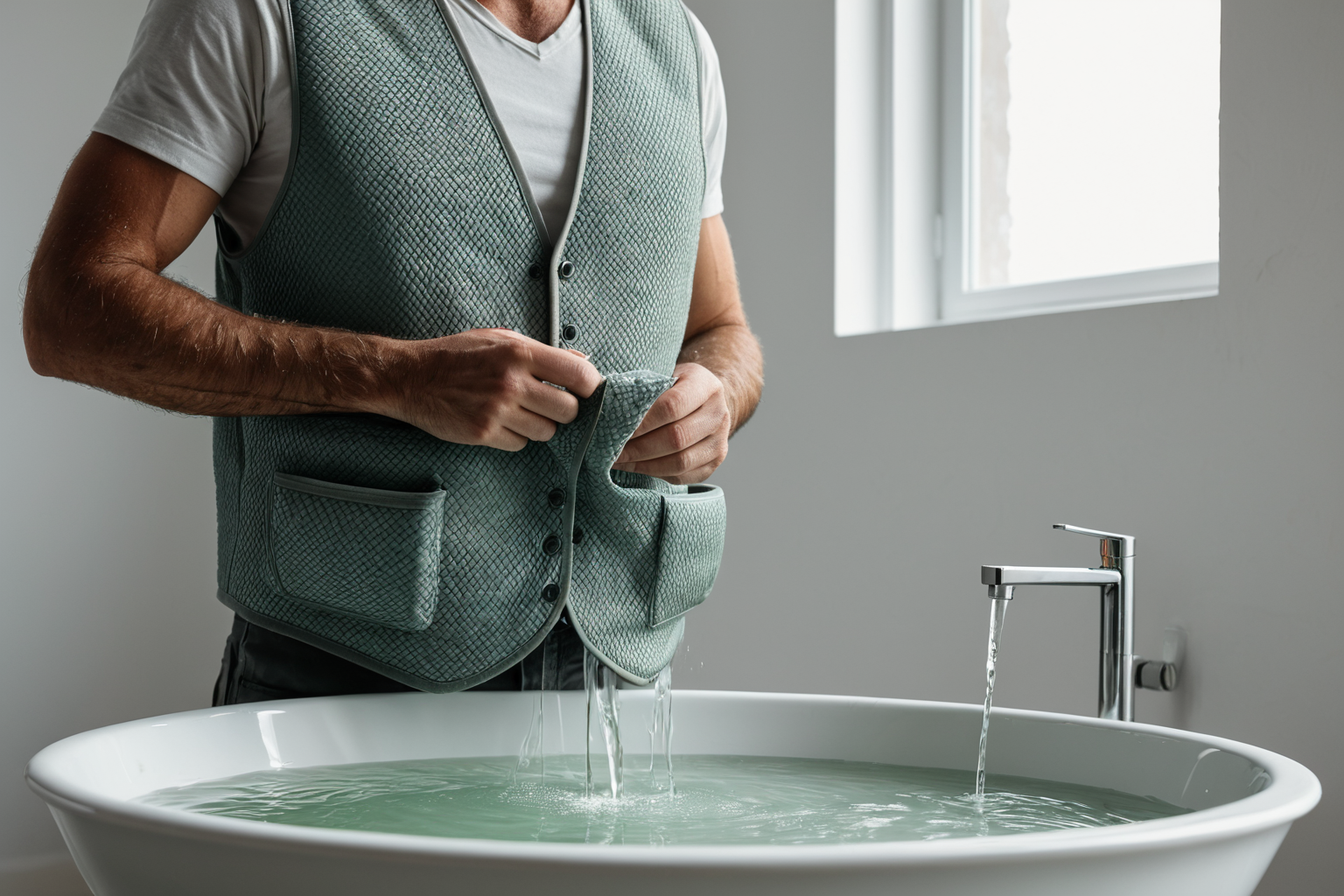
How to Wash Agricultural Cooling Vests
To extend the lifespan of cooling vests used in agricultural settings, proper washing procedures are essential. Regular handwashing or using a dryer can damage the material, reducing durability. Especially in environments where dirt and dust accumulate during farming work, understanding the correct washing method is crucial. With increasing frequency of heatwaves due to climate change, the use of cooling vests has become more common on farms, leading to greater attention on their durability and proper care.
Material and Properties of Cooling Vests
Agricultural cooling vests typically use polymer polyester and water-absorbing gel materials. These materials have high thermal conductivity for effective body temperature reduction, but strong detergents or hot water can weaken them. Recently, eco-friendly materials using biodegradable polymers are being developed, which may reduce environmental impact while improving durability. Some manufacturers also apply waterproof coatings to prevent material deformation when wet.
To maintain durability, wash at temperatures below 30°C (86°F) using neutral detergent. Avoid rubbing or scrubbing vigorously, and dry in a well-ventilated shaded area away from direct sunlight. The gel material is sensitive to heat, so avoid temperatures above 40°C (104°F). Since agricultural vests often get dirty with soil and dust, storing them damp can lead to mold growth, so always ensure they are completely dry before storage.
Detailed Washing Procedure
First, soak the vest in water and gently shake off residue and dirt. Do not rub vigorously. Add a moderate amount of neutral detergent and gently agitate for about 10 minutes. Be careful to control water volume to avoid excessive pressure on the vest. Since agricultural vests often get covered in soil and dust, it's recommended to brush off loose dirt before washing, which saves detergent and improves cleaning efficiency.
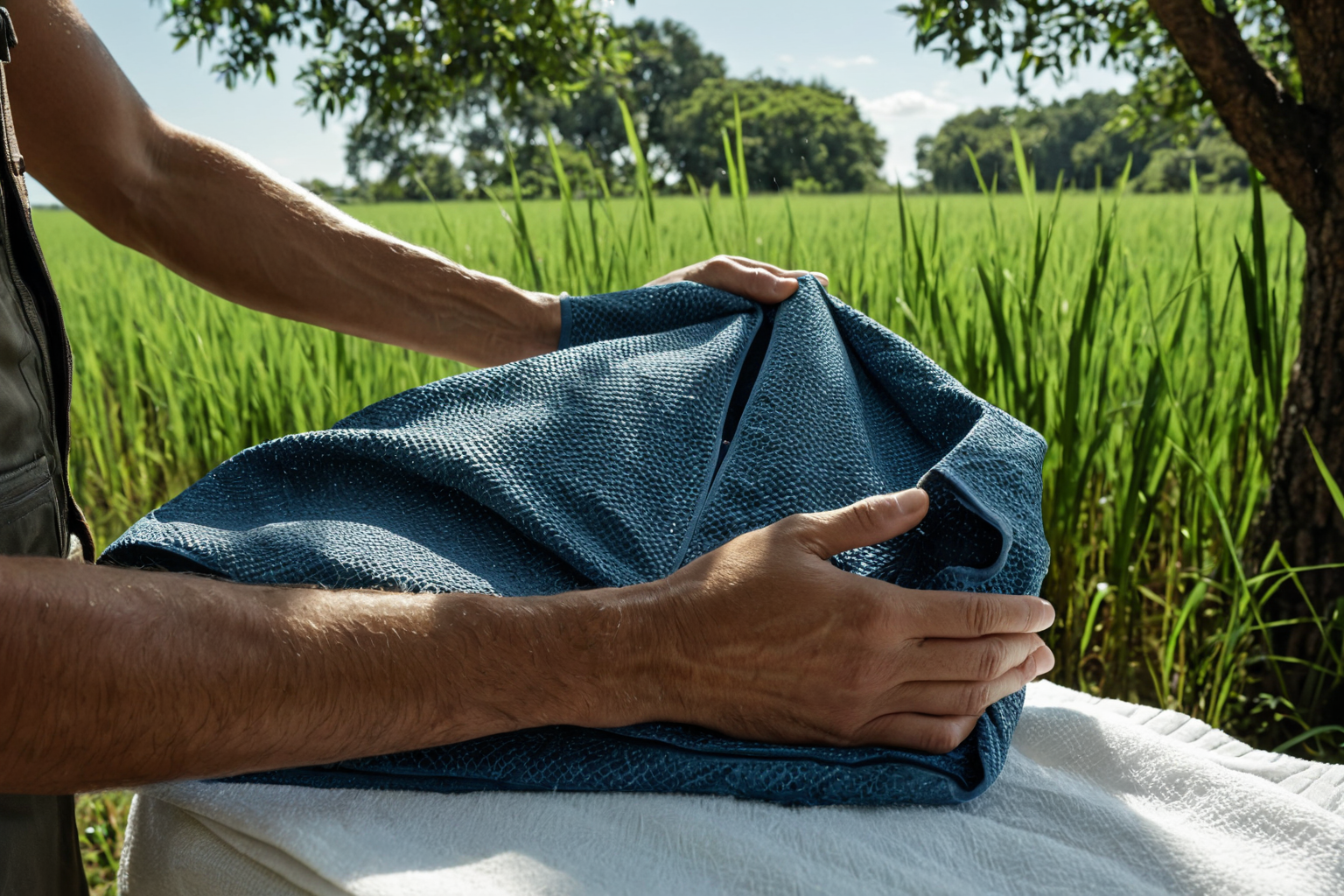
After washing, gently squeeze out excess water without twisting or wringing. Natural drying is best; avoid dryers and direct sunlight, especially since the gel material inside is heat-sensitive. Drying time varies by environment but typically takes 12-24 hours. On farms, it's common to wash in the afternoon and allow until morning for full drying.
Important Considerations for Longevity
Proper storage after washing is crucial for long-term use of agricultural cooling vests. When folding, avoid excessive pressure, and store in a cool, well-ventilated place rather than damp areas. After farming work, never leave the vest wet as it can cause mold growth; always ensure complete drying before storage. Recently, more farmers are using dedicated cases to prevent deformation and maintain durability.
Adjust washing frequency based on how dirty the vests get from soil and dust. For daily use, wash every 3-4 days. When not in use, store completely dry. Also, avoid excessive pressure on waist or shoulder areas when wearing; the vest should fit comfortably without being too tight.
Common Mistakes to Avoid During Washing
A common mistake is washing with hot water, which can weaken material structure and shorten lifespan. Fabric softeners are also discouraged as they reduce absorption performance. Recent studies indicate some chemicals in certain products may react with gel materials, causing performance decline.
Do not dry near dryers or heating appliances, as this can damage the gel material or deform the vest. Never store immediately after washing—always ensure complete drying first. Avoid twisting or wringing to remove water; gently press out moisture instead. Since agricultural vests often get dirty with soil and dust, storing them damp can lead to mold growth.
Maintaining Durability Through Regular Inspection
Regular inspections are necessary to maintain the durability of agricultural cooling vests. If tearing or material deformation occurs during use, repair or replace immediately. Periodically check if the gel material is absorbing properly; if it clumps or water distribution becomes uneven, replacement may be needed to maintain cooling performance.
It's recommended to inspect the vest once a week, especially during summer heatwaves when gel performance can degrade more quickly. When wearing, avoid excessive pressure on waist or shoulder areas. Some manufacturers now offer maintenance tips to help improve durability.
Frequently Asked Questions
Q: What detergent should I use for washing cooling vests? A: Neutral detergent is recommended. Strong alkaline detergents can damage the material.
Q: How long does it take to dry after washing? A: Natural drying takes 12-24 hours. Avoid using a dryer.
Q: What should I do if the gel material is damaged? A: Consult a professional for gel replacement or vest repair.
You can find more articles on similar topics here.
View Related ArticlesFAQ
What detergent should I use for washing cooling vests?
Neutral detergent is recommended. Strong alkaline detergents can damage the material.
How long does it take to dry after washing?
Natural drying takes 12-24 hours. Avoid using a dryer.
What should I do if the gel material is damaged?
Consult a professional for gel replacement or vest repair.
Korean Source
This article is an English localization of a Korean-language report from BlogScore. Original: 농업 냉각 조끼 수명 연장을 위한 올바른 세탁 절차