
Production, Consumption, and Investment Decline: Current Trends and Future Outlook
August's 'Triple Decline' in Production, Consumption, and Investment
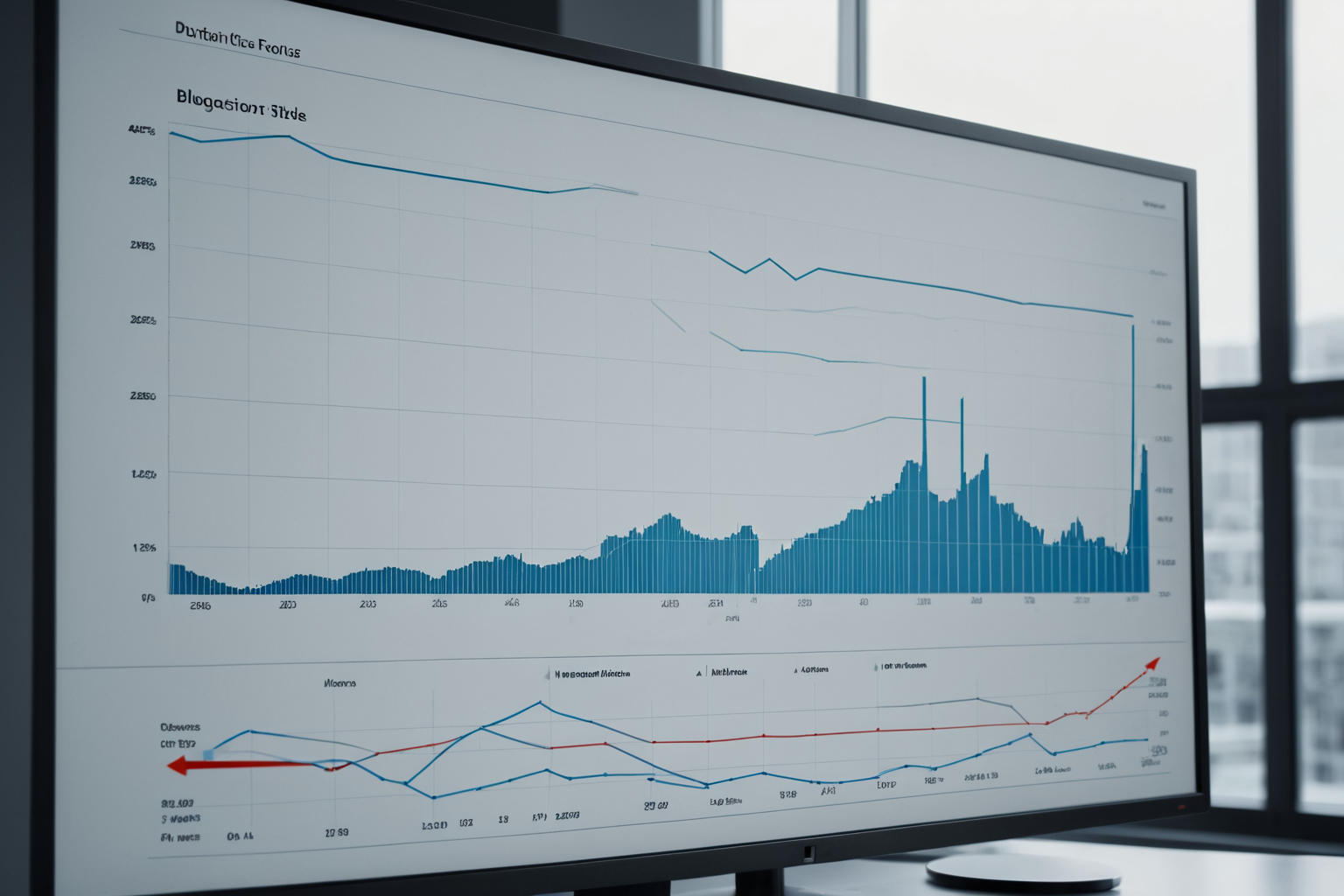
South Korea recorded a simultaneous drop in production, consumption, and investment for the first time in three months during August, marking a 'triple decline.' The primary cause was a 24.8% sharp decline in automobile production due to Hyundai Motor's labor strike. The strike began late July and lasted throughout August, significantly impacting key manufacturing lines at Hyundai. This event has been reported by major outlets such as Asia Economic Daily and etoday.co.kr.
Comparing Past 'Triple Decline' Cases
A similar 'triple decline' occurred in April, triggered by global supply chain disruptions linked to the Middle East conflict. However, by June, recovery in the semiconductor industry led to growth across all three metrics. The April downturn was analyzed as a consequence of supply chain issues stemming from regional tensions, while June saw production rise at its highest rate in six years due to semiconductor sector rebound. These trends were documented in etoday.co.kr and YTN reports dated April 30 and June 30, 2026, respectively.
Government Outlook and Leading Indicators
The government expects a rebound in September for production, consumption, and investment metrics. This projection draws from the semiconductor industry's recovery in June, with officials noting that structural industrial recovery could lead to improved data this month. However, leading indicators remain downward, raising concerns about potential slowdowns in Q4. August's leading indicators fell 1.2% compared to July, suggesting September's improvement may not be straightforward.
Industry-Specific Impact Analysis
The automotive sector's downturn was the main driver of the production decline, while the semiconductor industry had shown recovery in June but faced challenges again in August due to worsening automobile conditions. For instance, in January 2026, semiconductor production fell by 1.3% even as equipment investment rose by 6.8%, highlighting structural shifts within industries. The August data shows how Hyundai's strike significantly affected overall production metrics.
Future Outlook and Key Points to Watch
Whether September's key economic indicators rebound will be critical. Drawing from June's semiconductor recovery, the government hopes for similar structural improvements this month. Nevertheless, ongoing downward trends in leading indicators warrant caution regarding potential Q4 slowdowns. The government is reportedly reviewing support policies for relevant industries to boost September data.
FAQ
What caused South Korea's August 'triple decline'?
The 24.8% sharp drop in automobile production due to Hyundai Motor's labor strike.
Why does the government expect September rebound?
Based on the semiconductor industry's recovery in June, which led to a six-year high in production growth.
Why is Q4 slowdown concern rising?
Leading indicators are declining, and ongoing challenges in the automotive sector could persist.
Find similar articles in one place.
View Related ArticlesFAQ
What caused South Korea's August 'triple decline'?
The 24.8% sharp drop in automobile production due to Hyundai Motor's labor strike.
Why does the government expect September rebound?
Based on the semiconductor industry's recovery in June, which led to a six-year high in production growth.
Why is Q4 slowdown concern rising?
Leading indicators are declining, and ongoing challenges in the automotive sector could persist.
Korean Source
This article is an English localization of a Korean-language report from BlogScore. Original: 생산·소비·투자 하락 현황과 향후 전망