
How Is the Pro Baseball Heatwave Suspension Rule Determined? The Referee's Judgment Criteria
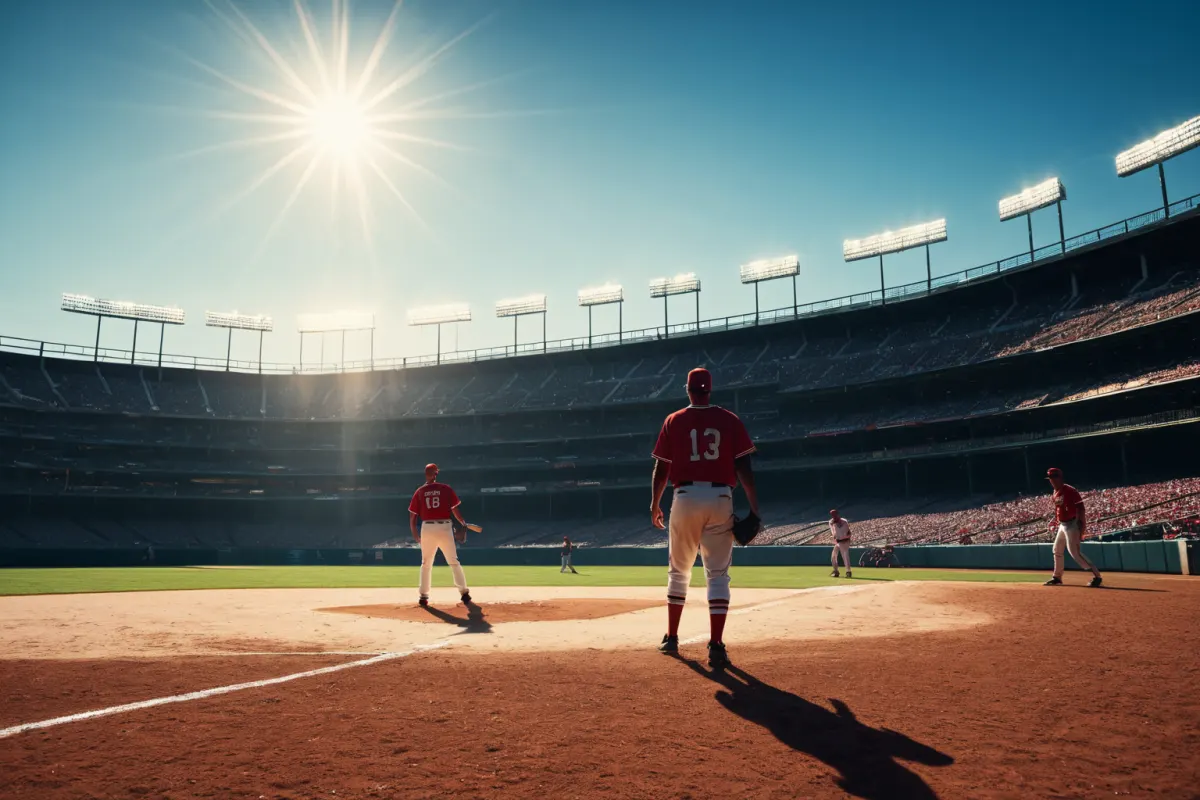
Pro baseball heatwave suspension isn't decided solely by temperature; it's determined through a combination of on-site weather conditions, player safety, and the referees' judgment. So while spectators might think it's too hot to continue, the game may proceed, or if deemed dangerous, it could be stopped relatively quickly.
The key is not 'how hot it is,' but whether continuing the game is safe under current conditions. Officials check factors like whether a heatwave warning has been issued, if ground temperature feels excessively high, if players can move normally, and if medical support is available.
Pro Baseball Heatwave Suspension: Safety Comes First
In pro baseball games, heatwave suspension isn't decided by a single number. The game organizers and referees consider temperature, humidity, perceived temperature, direct sunlight, and field conditions together.
Players use much more energy than average people standing in the sun, so their experience of heat differs significantly. Players wearing protective gear like catchers, pitchers, and infielders can accumulate heat faster, making safety assessment even more critical.
You can find similar articles in one place.
View Related ArticlesFactors Considered in Referee Judgment
When deciding on heatwave suspension, the following factors are typically considered. While official guidelines exist, actual game feasibility plays a more significant role.
- Temperature and humidity
- Perceived temperature and direct sunlight
- Whether a heatwave warning or alert has been issued
- Heat levels on the field and in the dugout
- Player condition and risk of exhaustion
- Avaliability of medical staff and emergency response
For example, if the perceived temperature is very high during a daytime game and the field itself is extremely hot, it becomes difficult to simply wait out the heat. In such cases, referees may consider delaying the game, pausing temporarily, or adjusting the schedule like in rainy weather.
Difference Between Suspension and Delay
A common point of confusion for those searching online: pro baseball heatwave suspension doesn't always mean a complete cancellation. It can also refer to brief pauses or delays in start times.
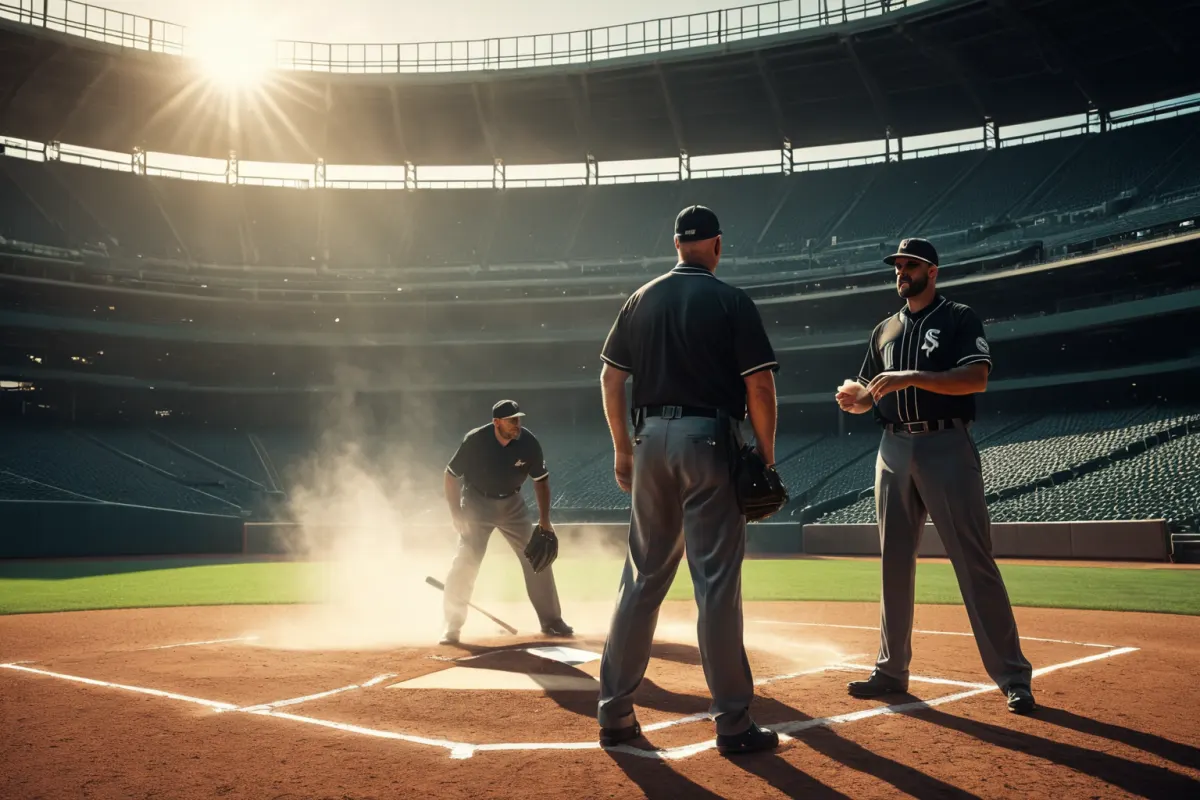
Delay involves temporarily stopping the game before it starts or during play to assess the situation, while suspension is called when continuing becomes too risky. If conditions improve, the game may resume; if they worsen, the schedule might be rearranged entirely.
Common Operations Seen in Actual Games
In extremely hot weather, games often start later or have longer breaks between innings as a precaution. This is an early step to protect players before halting the game completely.
For example, if a 2 p.m. July game has excessive heat on the field, organizers might recheck whether to proceed before starting. During play, if players show symptoms like dizziness or muscle cramps, coaches and referees immediately share updates.
To spectators, these decisions may seem unfamiliar, but safety comes before records in sports. Baseball games are long with extended outdoor exposure, making them particularly vulnerable to heat impacts.
Heatwave Warnings Don't Automatically Stop Games
A heatwave warning doesn't automatically mean a game stops. While the warning serves as an alert, whether to stop depends on on-site conditions and feasibility of continuing play.
Even in the same city, fields with good airflow versus those without can feel very different. After sunset, temperatures often drop enough for games to continue. So while warnings are important, they're not a simple 'on/off switch.'
What Spectators Should Know
Before heading to the stadium, check not just the forecast but also the perceived temperature at game start time. Higher daytime temperatures significantly increase spectator fatigue.
If planning for outdoor viewing, bring water, hats, and sunscreen, and check where shaded seats or indoor waiting areas are located. Children, elderly people, and pregnant women should minimize prolonged outdoor exposure.
If a delay notice appears during the game, don't just wait idly—continuously check stadium announcements or digital displays. Heat conditions can change rapidly within minutes.
Understanding Real Game Examples
For example, if players frequently request timeouts during summer daytime games, pitchers' accuracy drops suddenly, and catchers/infielders are swapped often, the organizers may already be assessing high risk. When these signs overlap, suspension or schedule adjustment becomes a more realistic option.
Conversely, even with extreme heat, if there's good airflow in the stadium, shaded areas are available, and players continue without issues, immediate suspension is unlikely. Ultimately, on-site observations guide decisions more than numbers alone.
Recommended Related Content
To better understand pro baseball heatwave suspension rules, it helps to know about heatwave warning standards, outdoor sports safety guidelines, and how different stadiums manage game timing. Understanding these three aspects will help clarify why some games proceed while others are adjusted.
Also, remember that rain cancellation and heatwave suspension have different criteria: rain depends on field conditions, while heat focuses on player health and the ability to continue playing.
FAQ
Q1. Who makes the final decision for pro baseball heatwave suspension?
A. It's based on a combination of referee judgment and on-site officials' assessment of safety and feasibility.
Q2. Does a heatwave warning automatically cancel games?
A. No, warnings are important reference points but not automatic triggers for cancellation.
Q3. Where can spectators check if a game might be suspended due to heat?
A. Check official team announcements, stadium broadcast systems, or digital displays at the venue. On rapidly changing days, verify frequently.
Heatwave operation standards may vary by season and stadium, so always confirm the latest information before attending.
Keep exploring similar topics.
View Category ArticlesFAQ
Who makes the final decision for pro baseball heatwave suspension?
It's based on a combination of referee judgment and on-site officials' assessment of safety and feasibility.
Does a heatwave warning automatically cancel games?
No, warnings are important reference points but not automatic triggers for cancellation.
Where can spectators check if a game might be suspended due to heat?
Check official team announcements, stadium broadcast systems, or digital displays at the venue. On rapidly changing days, verify frequently.
Korean Source
This article is an English localization of a Korean-language report from BlogScore. Original: 프로야구폭염중단 규정은 어떻게 정해지나? 심판 판단 기준